Harley-Davidson triumphs in 'Right to Repair' lawsuit


Harley-Davidson triumphs in 'Right to Repair' lawsuit
In a significant victory for the iconic American motorcycle manufacturer, a federal judge in Green Bay, Wisconsin, has dismissed a proposed class-action lawsuit against Harley-Davidson. The lawsuit, filed by a group of 15 individual consumers who purchased Harley-Davidson motorcycles between 2016 and 2022, claimed that the company imposed unlawful restrictions that drove up the cost of repairs.
At the heart of the dispute was Harley-Davidson's warranty policy, which stated that the use of unauthorised parts "may void" the warranty. The plaintiffs argued that this provision constituted an illegal tying arrangement, forcing customers to use only the company's branded parts through authorised dealers, thus violating antitrust and warranty laws.
However, U.S. District Judge William Griesbach disagreed with the plaintiffs' interpretation of the warranty provision. In his ruling, the judge sided with Harley-Davidson, stating that the provision did not explicitly state that the company "will" void the warranty if certain parts are used, but rather that it "may" do so.

Furthermore, Judge Griesbach concluded that Harley-Davidson had not engaged in an illegal tying practice by requiring customers to purchase branded parts as a condition for buying their motorcycles. The plaintiffs failed to demonstrate that they were "precluded from buying a motorcycle without agreeing to purchase Harley-Davidson parts," according to the judge's written opinion.
While the ruling is a setback for the plaintiffs, Judge Griesbach has given them 30 days to file an amended lawsuit, leaving the door open for further legal action.
This case has drawn attention to the broader "right to repair" movement, which seeks to ensure that consumers have the freedom to repair their products using third-party services and parts without voiding warranties. In 2021, the Federal Trade Commission (FTC) made "right to repair" a priority and vowed to increase enforcement actions against illegal repair restrictions.
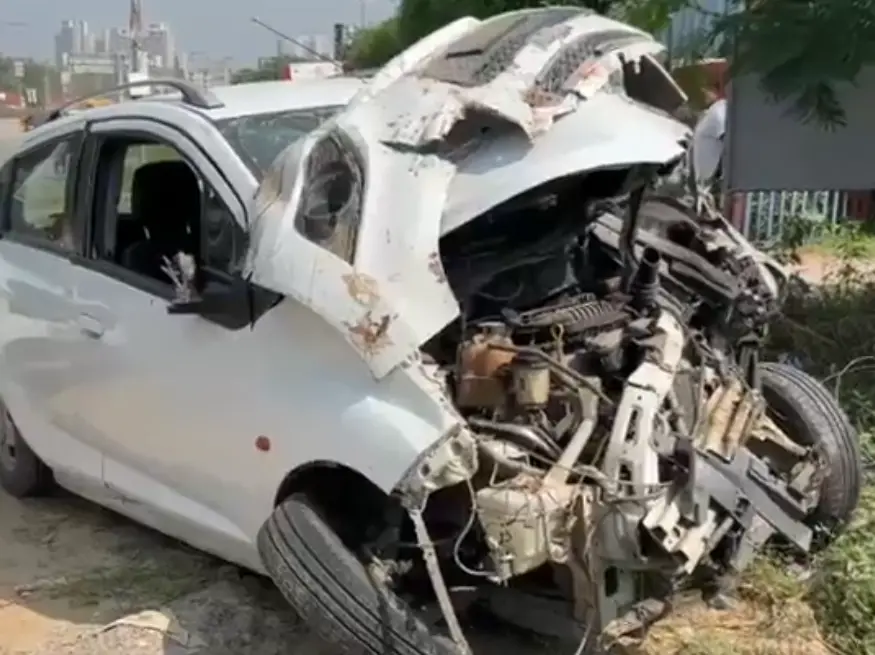)
Three labourers killed as DU student loses control of his car, rams into them on Dwarka Expressway
)
Pentagon revives mandatory testosterone testing for male troops aged 30 and above
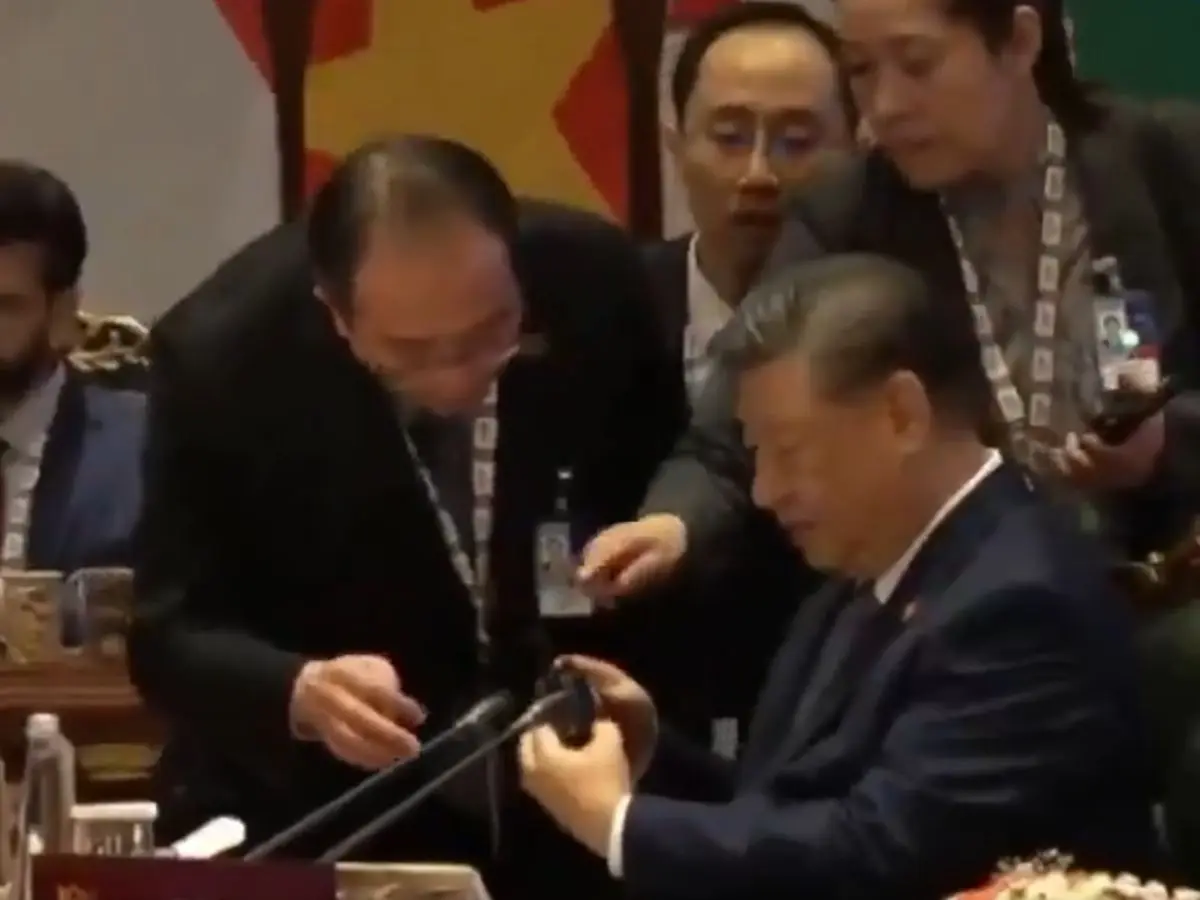)
FACT CHECK: Why did PM Modi ask Xi ‘is it okay’ at BRICS Summit? New video reveals...
)
India seeks to build a full semiconductor supply chain
&im=FitAndFill=(700,400))
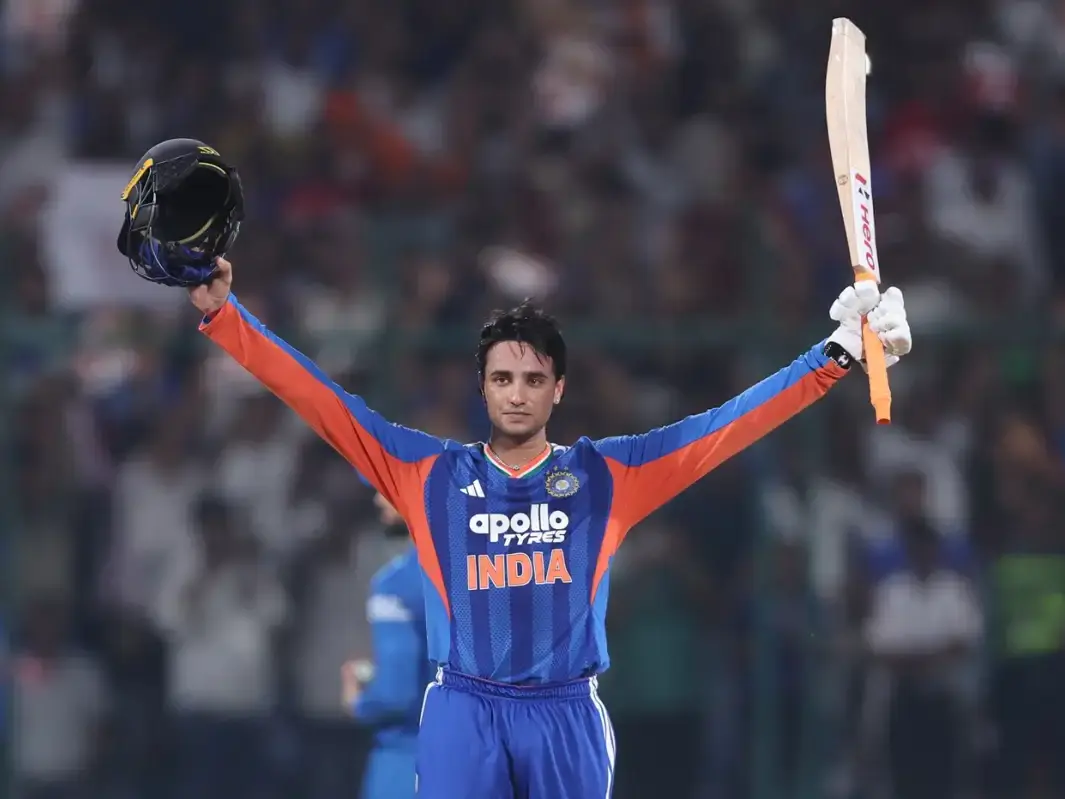
From Abhishek Sharma to Sahil Chauhan, 5 batters with fastest T20I hundreds
)
Indian activist-lawyer Prashant Bhushan's post brings focus on ‘conflict of interest’ appointments of ex-govt officials at Reliance, Adani groups
)
Pyongyang dismisses US, western pressure over nuclear programme
)
US And Denmark reach Greenland deal, Trump announces expanded military presence
)
Google’s Gemini AI hacks real systems by guessing passwords during security test
)
Former India player Diana Edulji wants Smriti Mandhana to replace Harman as skipper at the earliest
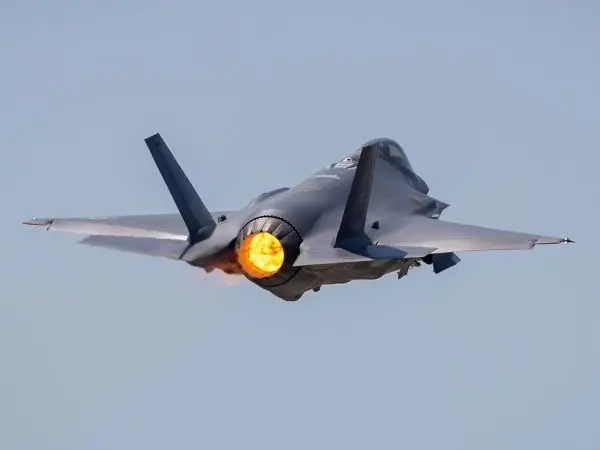)
China may have gained access to US's classified F-35 jets; parts meant for repairs diverted to Hong Kong, sparking Pentagon inquiry
)
NASA research plane reaches 61,000 feet over Panama
)
Godfather of AI Geoffrey Hinton gives US lawmakers a one-year warning on AI
)
Shivakumar attends 79th Kalyana Karnataka Utsav in Kalaburagi
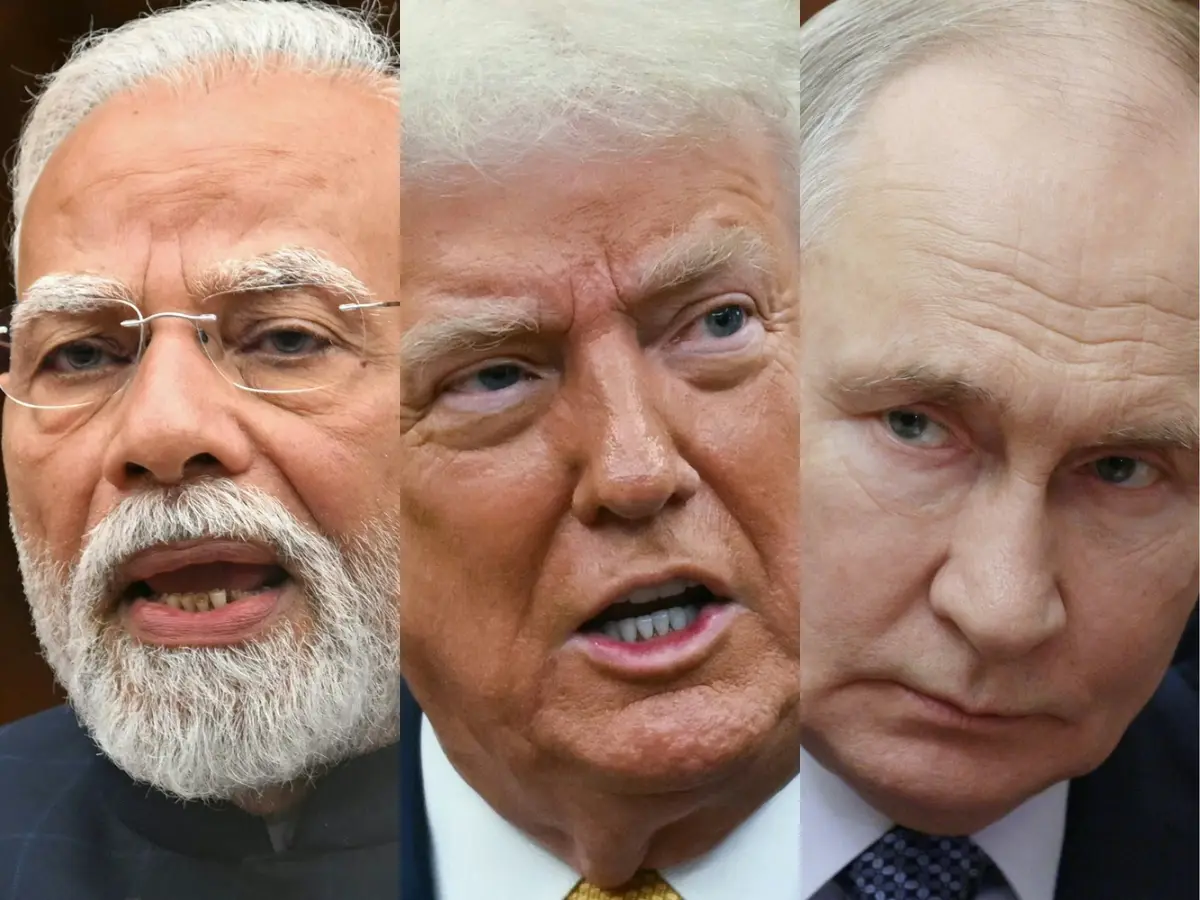)
Trump signs Russia sanctions law: India faces fresh 100% tariff threat over Russian oil
)
Why Ranveer Singh’s Dhurandhar missed India’s Oscar entry; FFI jury member reveals what happened
)
‘Will go to any extent’: Pakistan vows to defend Saudi Arabia amid Houthi attacks
)
The Verdict | When precision fails: US commits war crime in Minab school strike, UN finds
)
Trump signs Russia sanctions bill into law, targets Moscow’s energy sector
&im=FitAndFill=(700,400))
New Friday OTT releases (September 18, 2026): Lust Stories 3, You+Me, Best of the Best- 8 new titles coming on Netflix, Prime Video and more
)
Fast bowler Brydon Carse faces no charges over Derby nightclub incident
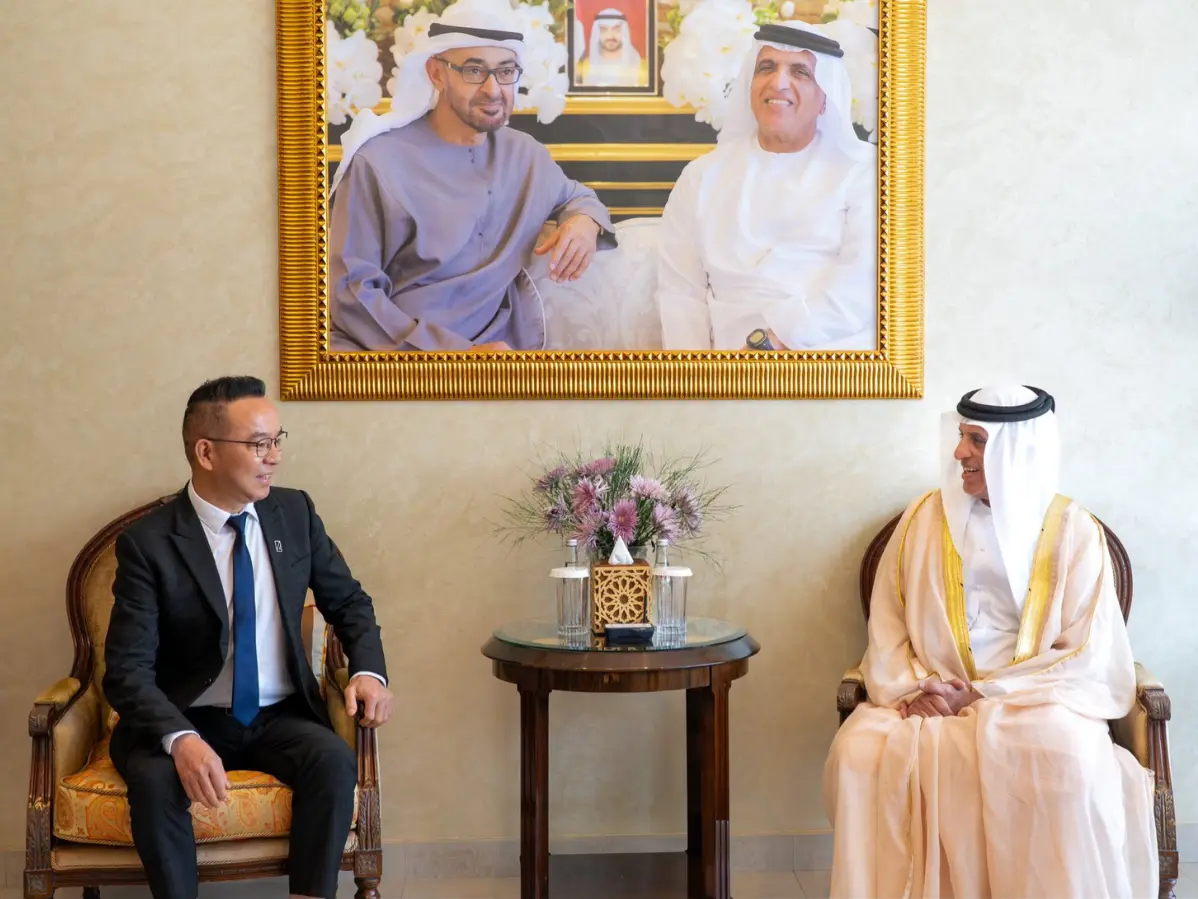)
Flying cars in UAE: Ras Al Khaimah signs deal with Chinese company to test new transport
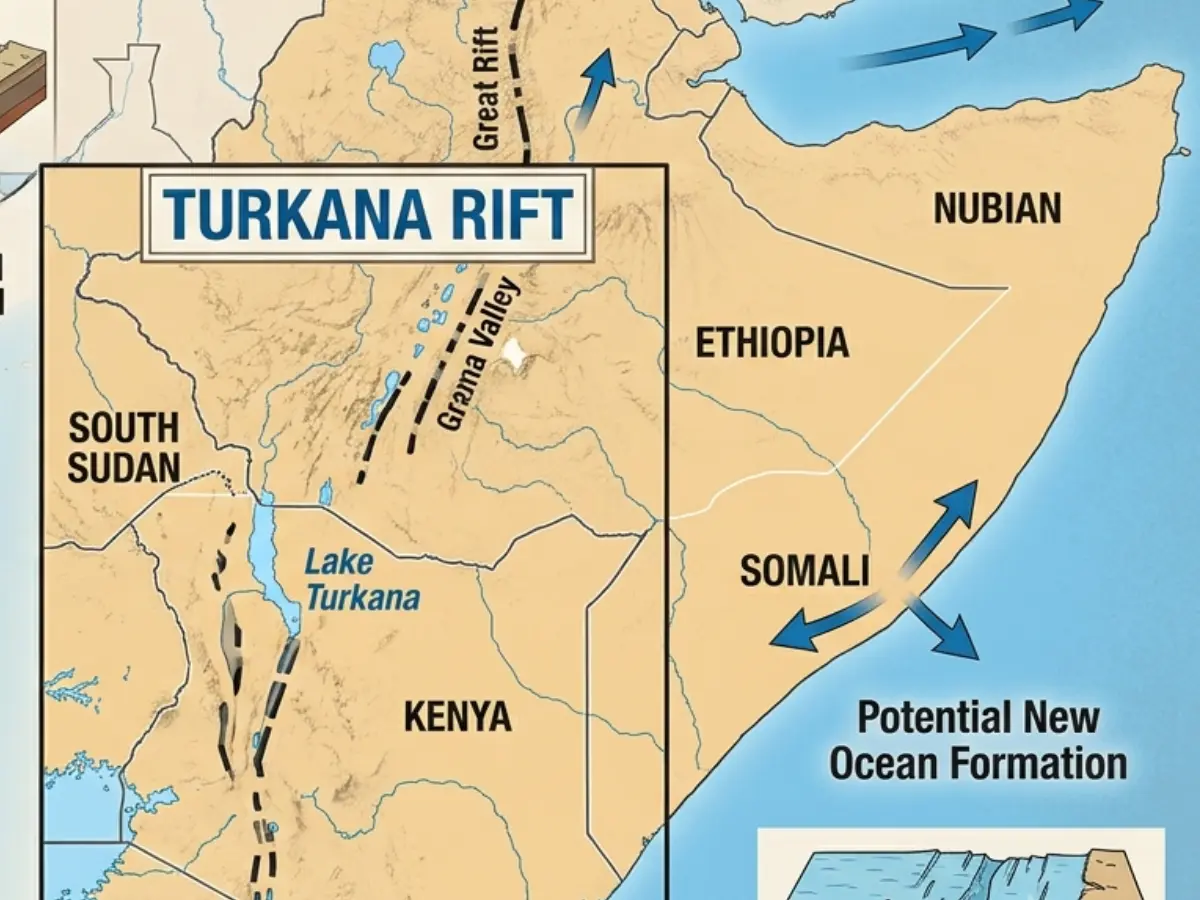)
Africa is splitting, and a lot sooner than estimated, giving way to a new ocean
)
'Gangsta' crab shoves knife blade at man and his dog in Florida - Watch
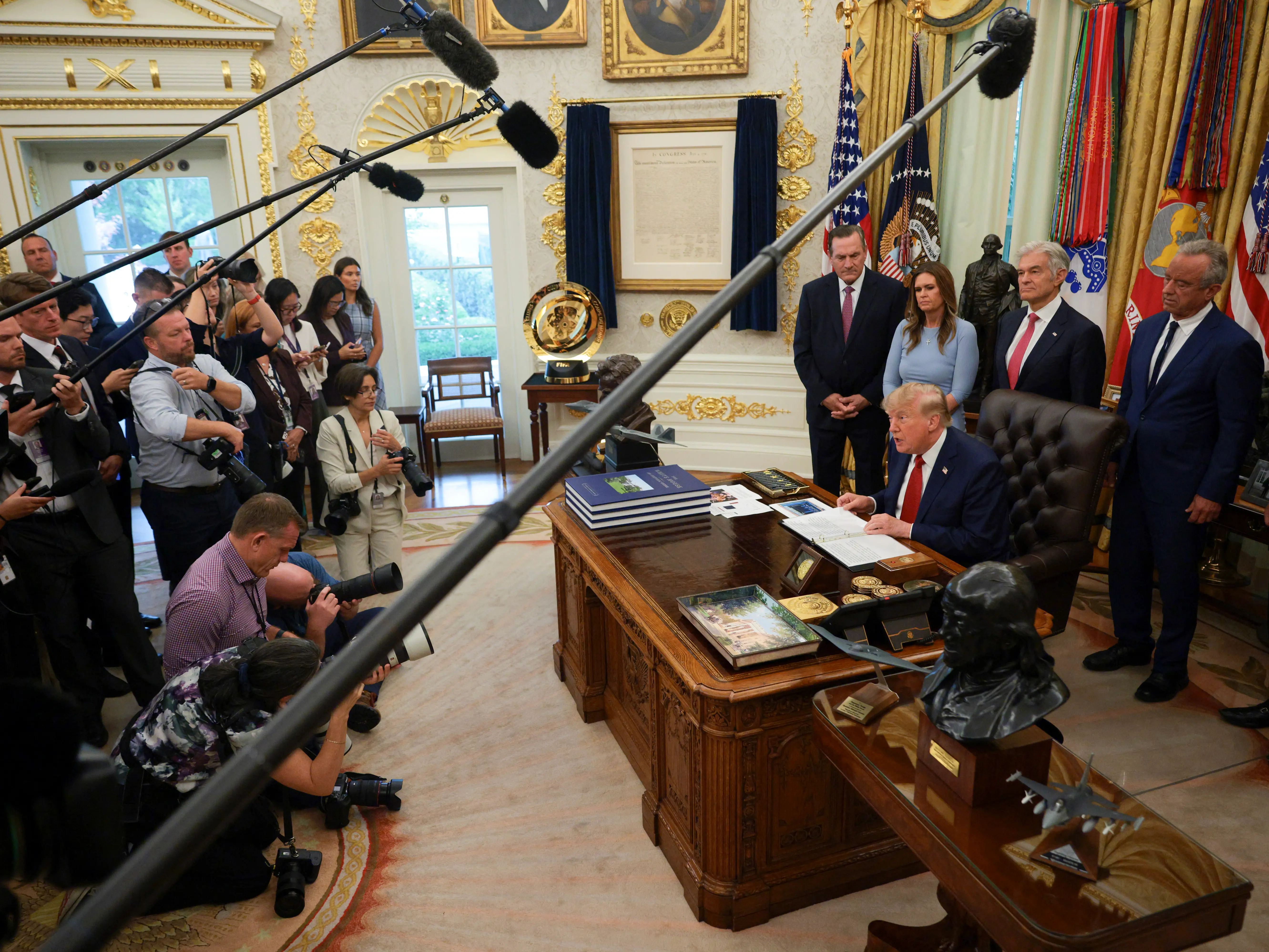)
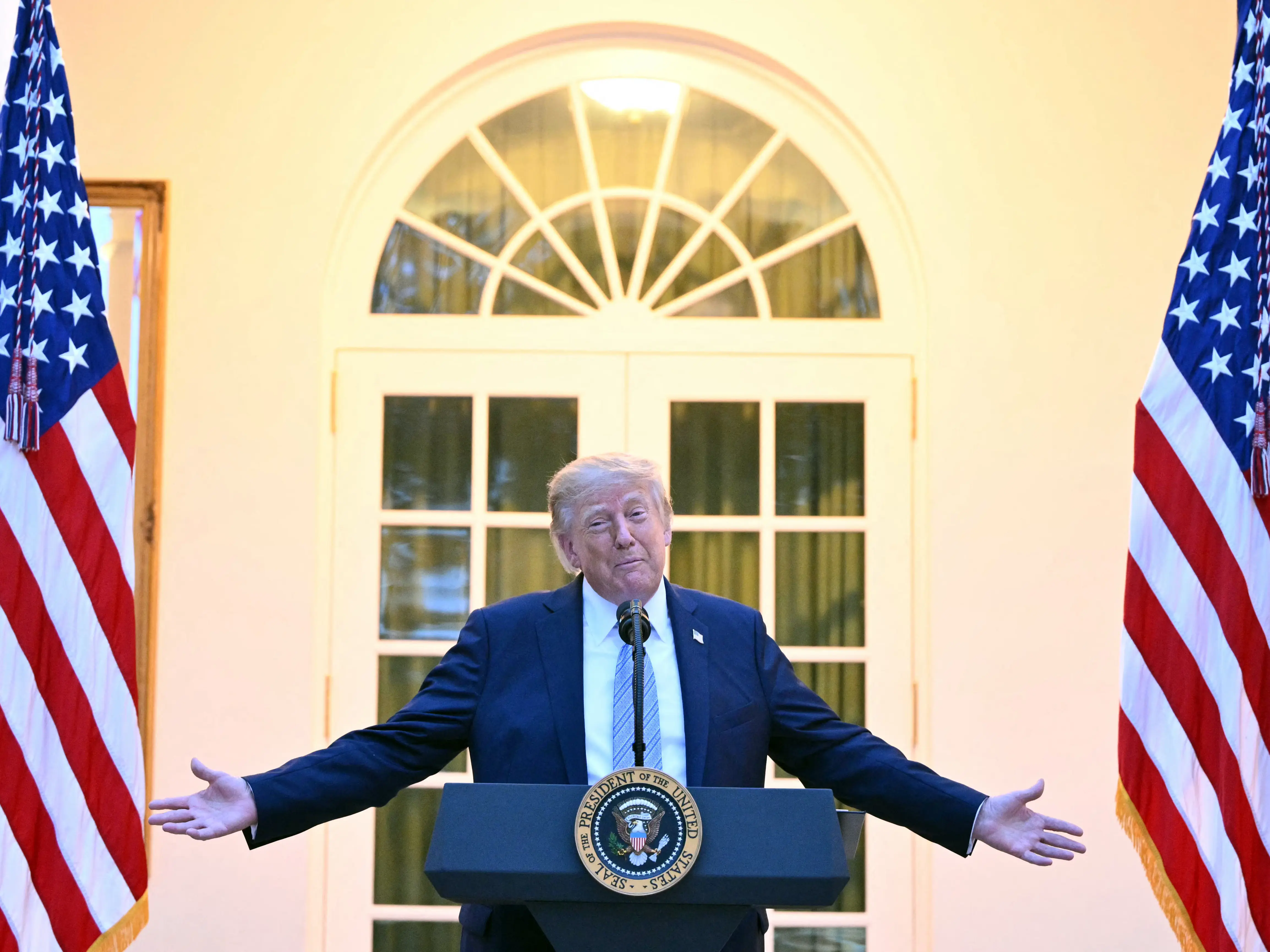
Trump bans CNN, MS NOW and Politico from White House over ‘FAKE NEWS’
)
Trump 2.0: Dark days ahead for America’s ‘imperial presidency’
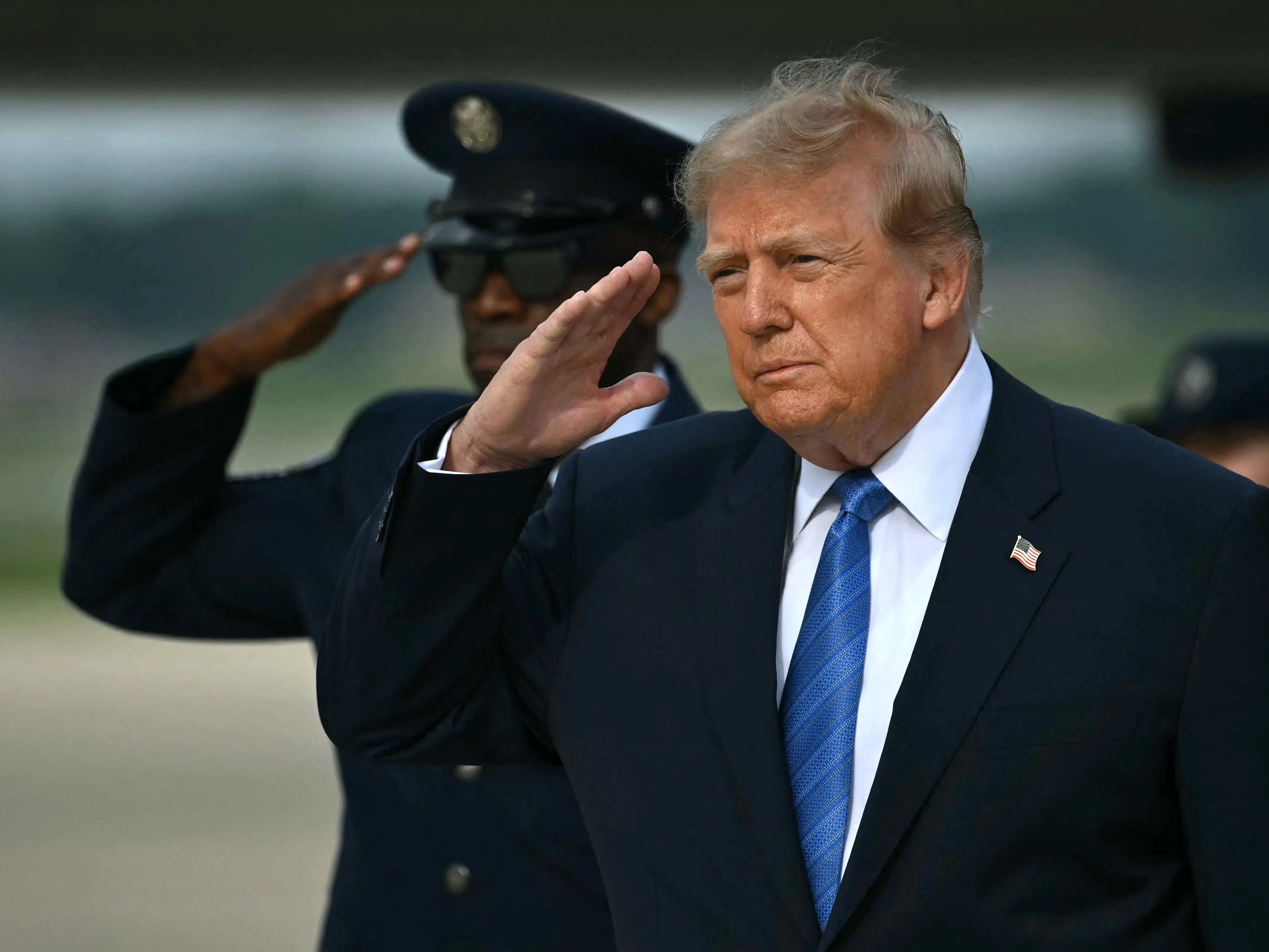)
Trump's Greenland dream comes true? POTUS announces 'Infinite Life' deal with Denmark, claims permanent US control
)
Laura Wolvaardt sets new world record for most WT20I runs in a year
)
Drone strikes cooling tower at Russia's Kursk Nuclear Plant, IAEA confirms
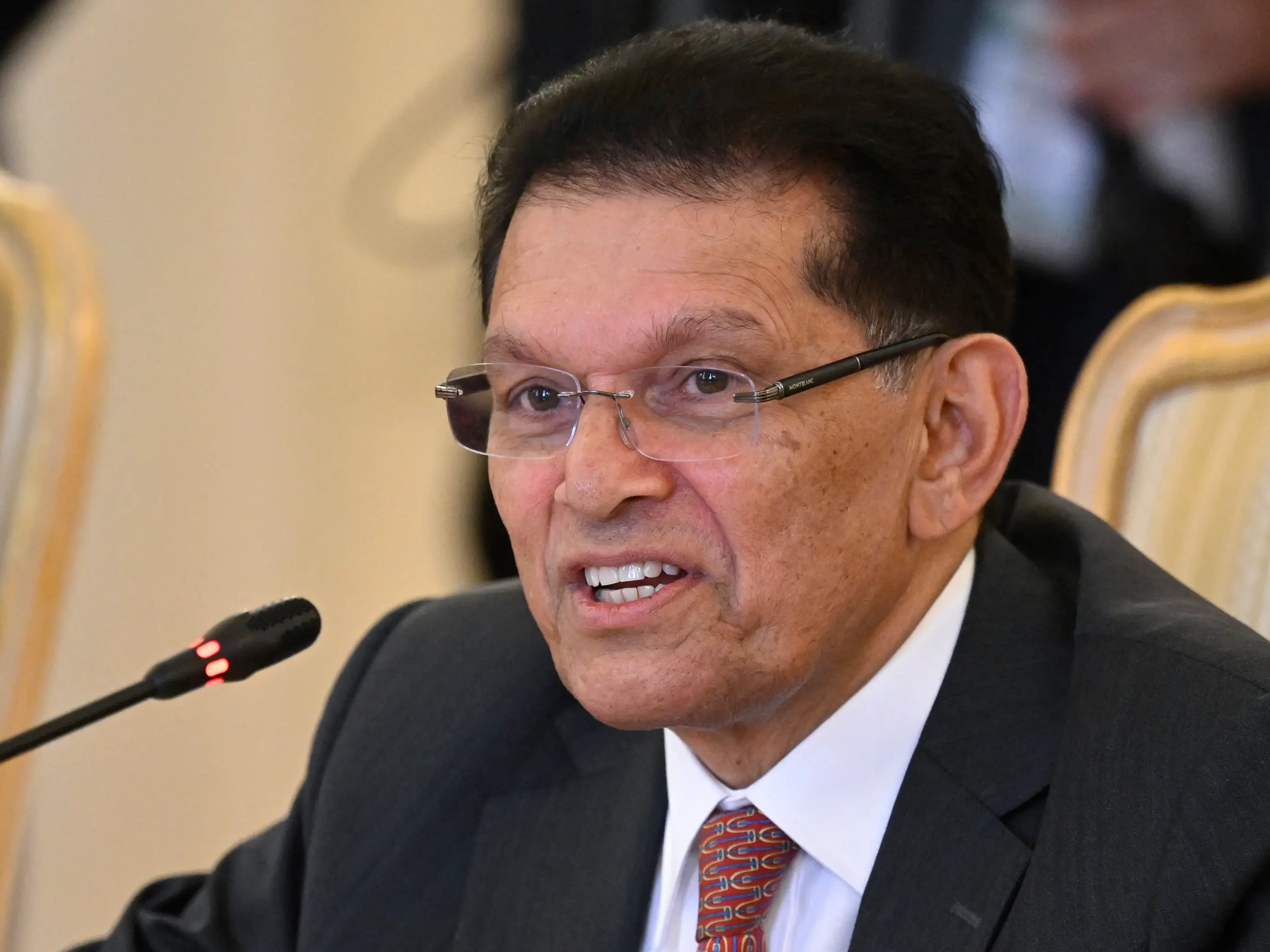)
Who is Khalilur Rahman? All you need to know about 81st UN General Assembly President
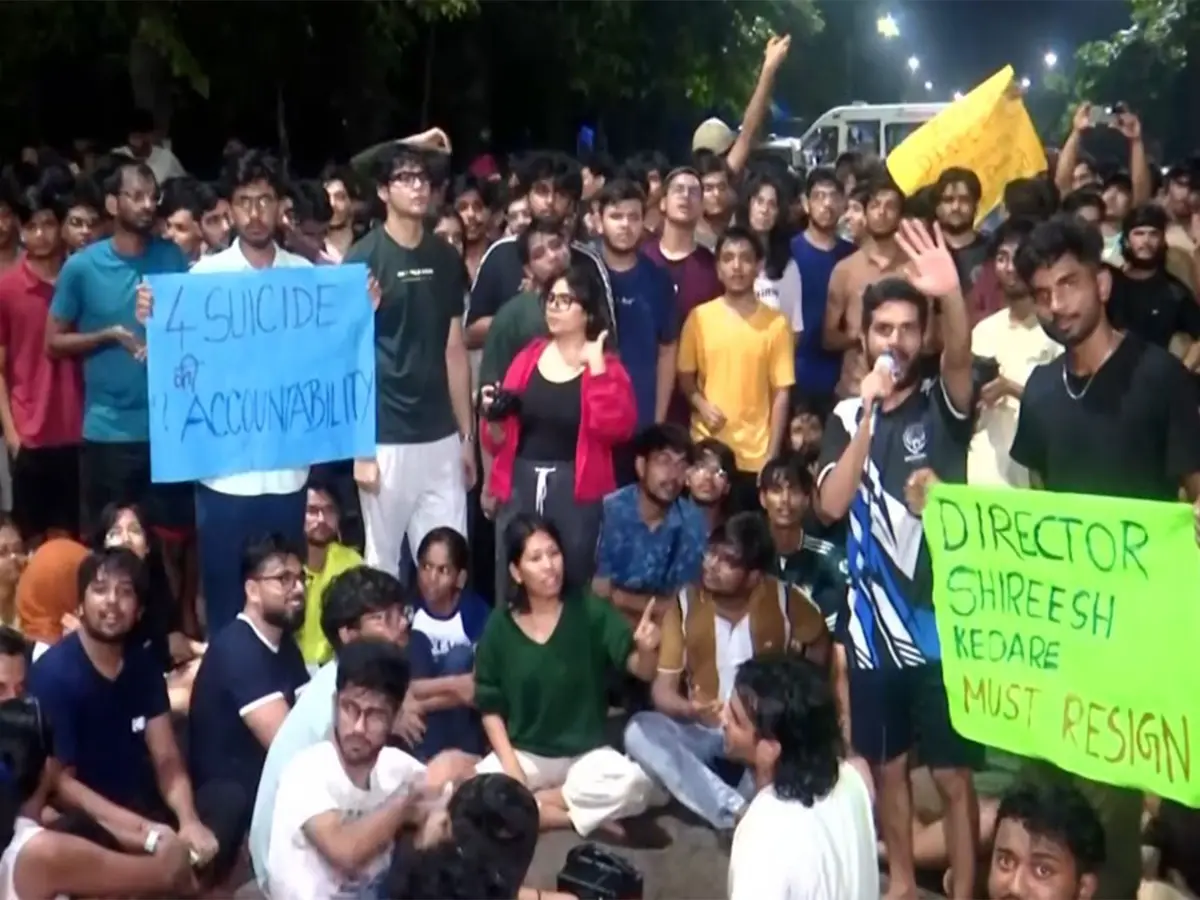)
IIT Bombay student dies by suicide, was caught seeking AI help during exams
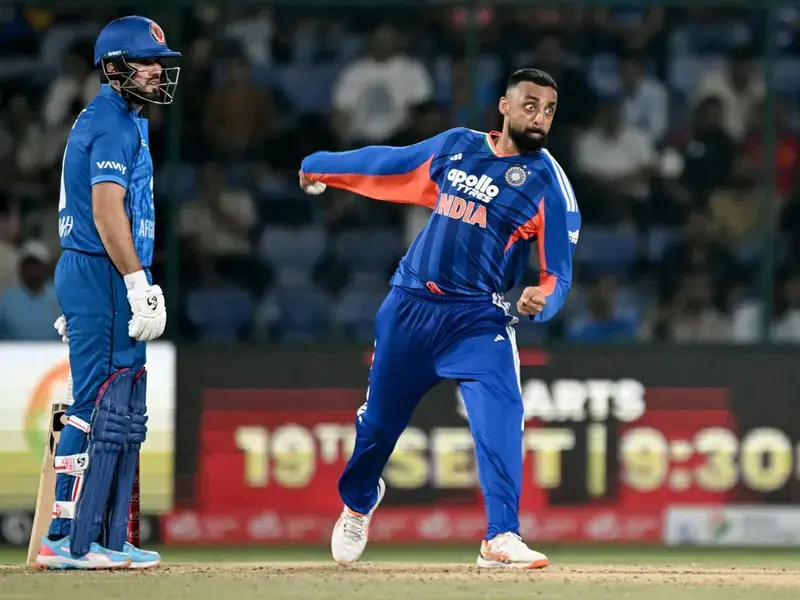&im=FitAndFill=(700,400))
Meet top 5 bowlers in latest ICC T20I rankings
)
Indian Cinema bets big on mythology, brings ancient stories to modern audiences
)
Ukraine plans record $109 bn defence spending, nearly two thirds of budget amid Russia war
)
Russia holds first parliamentary elections since the beginning of the Ukraine war
&im=FitAndFill=(700,400))
Meet top 5 Indian batters with fastest T20I centuries
Interestingly, in 2022, Harley-Davidson agreed to resolve an FTC case accusing the company of illegally curtailing buyers' repair rights. As part of the settlement, Harley-Davidson stated that it would not void warranties for customers who had used authorised service centres or third-party parts. However, the company did not admit liability in the settlement, and it maintained that the resolution of the FTC case had no bearing on the private civil lawsuit dismissed by Judge Griesbach.
As the "right to repair" movement continues to gain momentum, this case highlights the ongoing legal battles between manufacturers and consumer advocates over the ability to repair and maintain products without facing potential warranty implications or restrictions.

