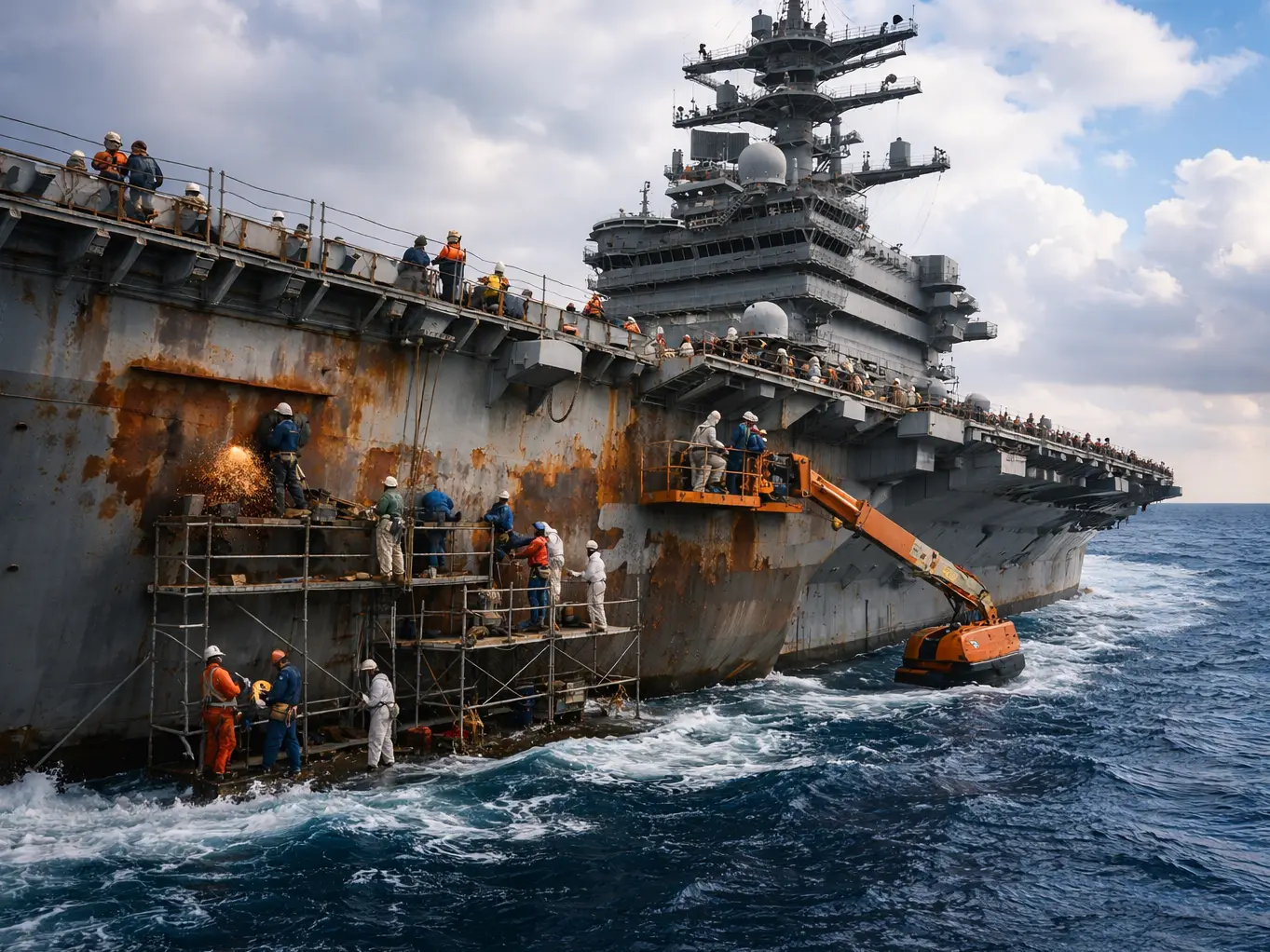
The USS Abraham Lincoln uses non-toxic epoxy pipe liners to protect its 26 potable water tanks from severe rust. This 24-hour application process prevents leaks and dangerous bacterial contamination.
latest news
&im=FitAndFill=(700,400)?&imwidth=252&imheight=189)
7
&im=FitAndFill=(700,400)?&imwidth=252&imheight=189)
7
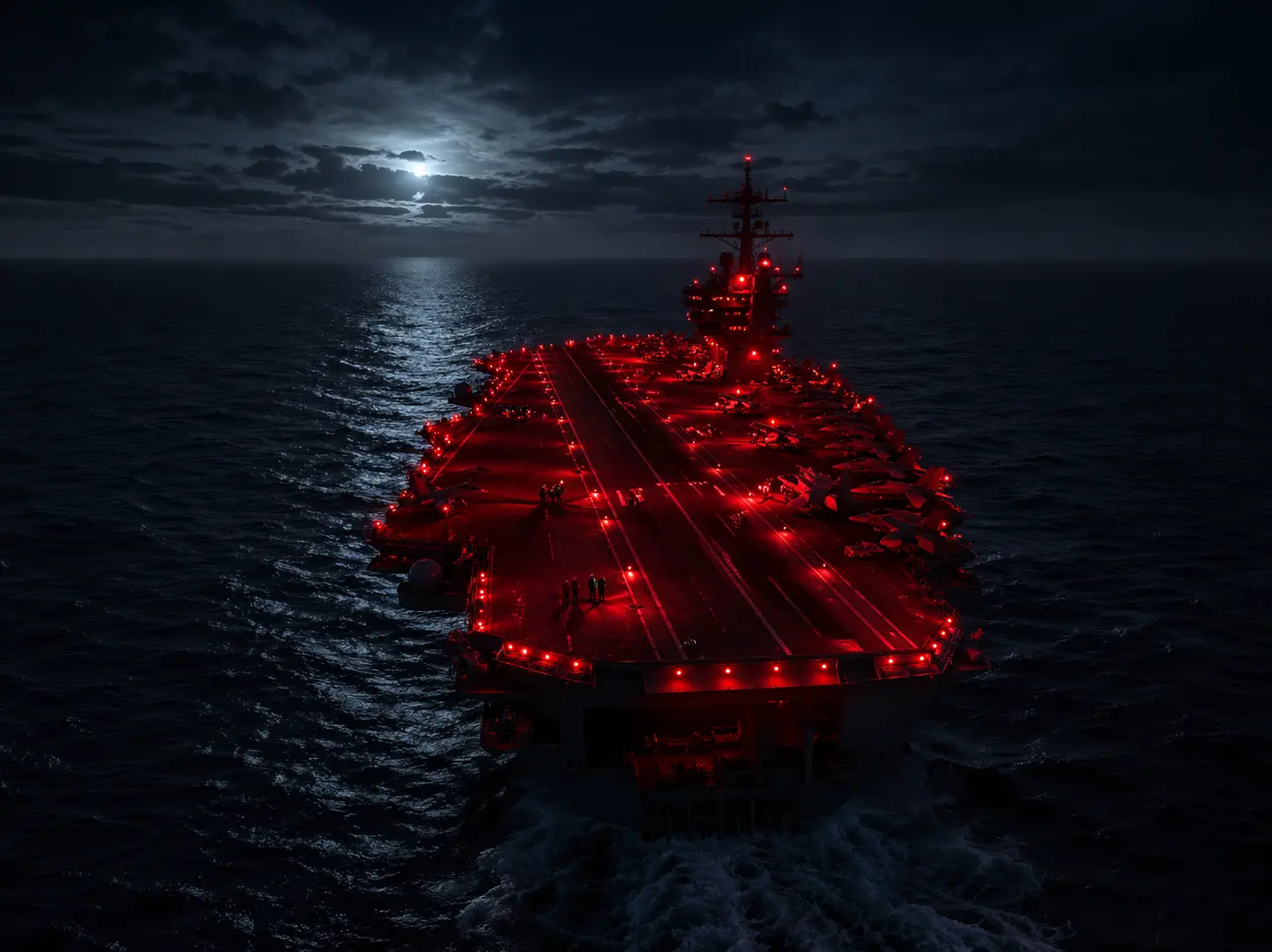
The USS Abraham Lincoln uses strict 620-nanometre red lighting during night operations to preserve the crew's biological night vision, preventing temporary blindness and ensuring safety.
?&imwidth=252&imheight=189)
Indian condom manufacturers are facing a severe supply crisis and projected 40% to 50% higher costs for anhydrous ammonia—a key material used to stabilize natural rubber latex—driven by geopolitical conflicts in the Middle East.
?&imwidth=252&imheight=189)
The Hezbollah terror group violated a ceasefire in Lebanon on Tuesday by firing several rockets at Israeli troops stationed in the south of the country, as well as launching a drone at Israel, the military said. According to the Israel Defense Forces, Hezbollah fired several rockets toward troops stationed in the Rab al-Thalathine area, within an Israeli-held security zone. The IDF said that it struck the launcher used in the attack within a few minutes.
?&imwidth=252&imheight=189)
Abhishek Sharma powers SunRisers Hyderabad to a mammoth 242/2 with an unbeaten 135*, followed by a clinical bowling display from Eshan Malinga and Harsh Dubey to secure a 47-run win over Delhi Capitals in IPL 2026.
?&imwidth=252&imheight=189)
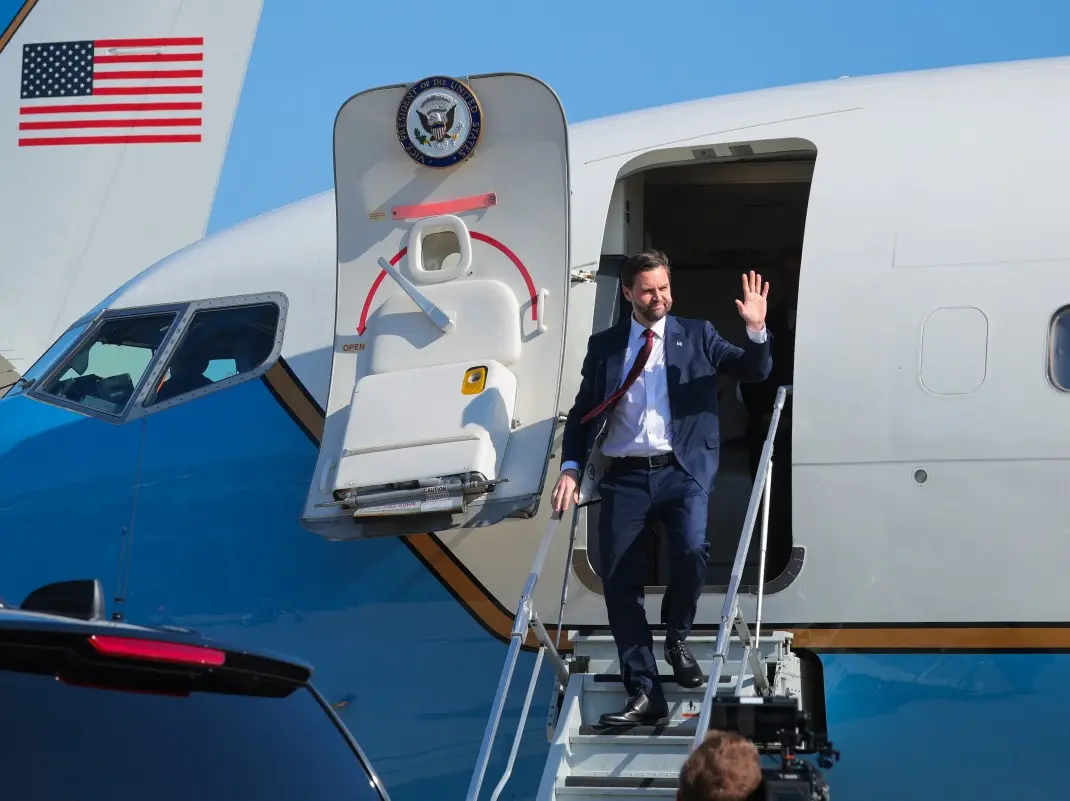
VP JD Vance remains in DC for urgent White House policy meetings, delaying his departure for Iran peace talks. Is the April 22 ceasefire deadline hanging in the balance?
?&imwidth=252&imheight=189)
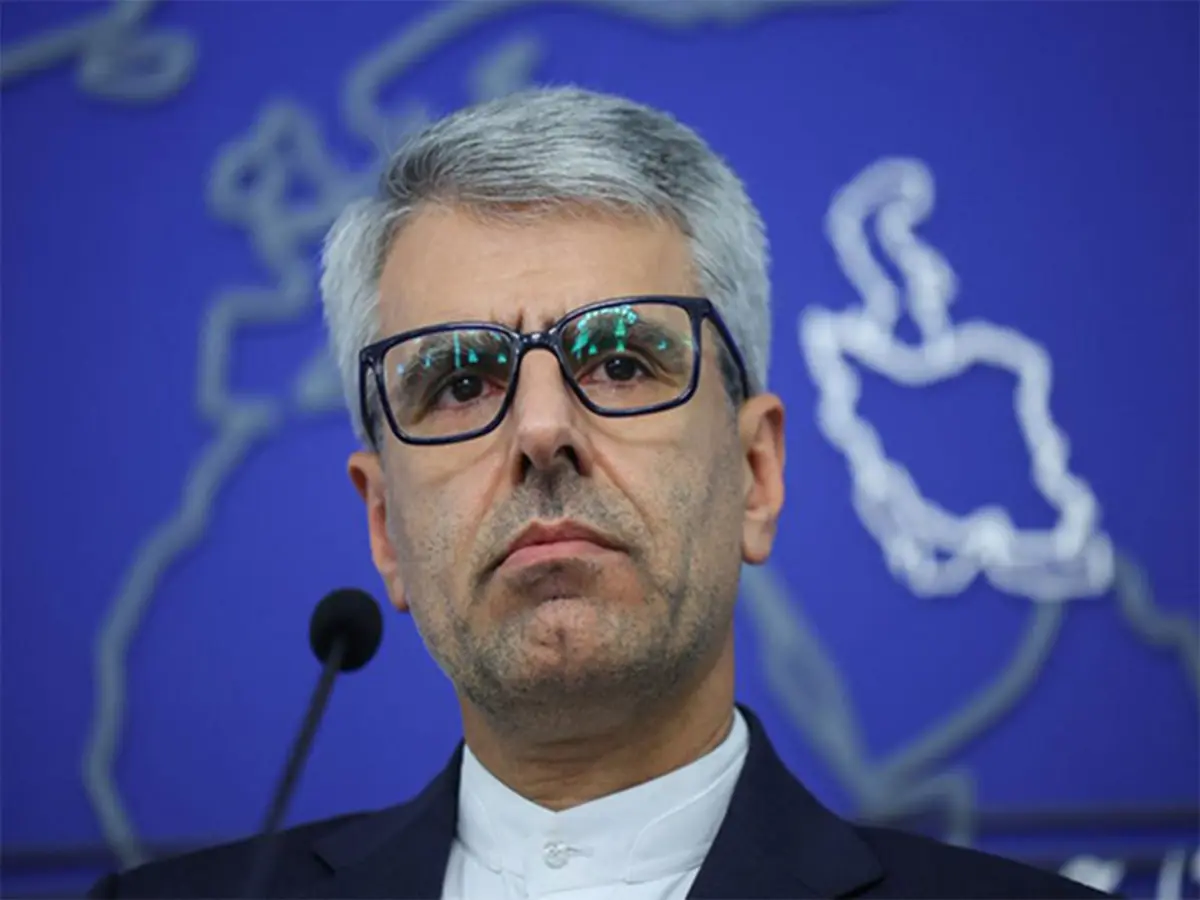
Iranian military commander Seyed Majid Moosavi also warned US that any threat against Iran will be met with a firm and decisive slap in response.
&im=FitAndFill=(700,400)?&imwidth=252&imheight=189)
7
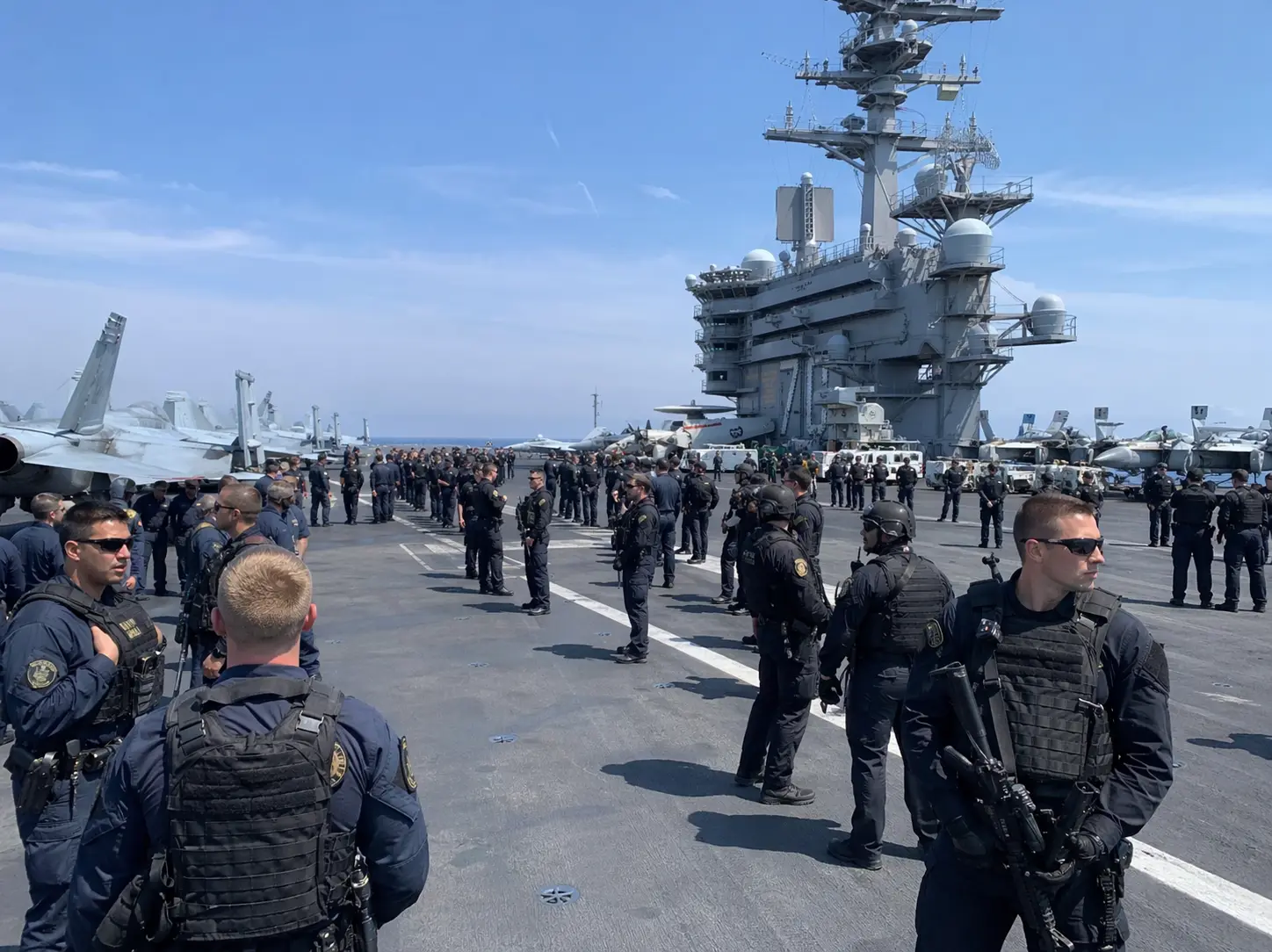
The USS Abraham Lincoln relies on a strict 24/7 security grid to protect its twin nuclear reactors. Advanced missile defences and escort destroyers shield the 100,000-tonne warship.
?&imwidth=252&imheight=189)
The conflict in Sudan is now exposing deeper fault lines in the Middle East. Saudi Arabia and the UAE appear to be backing opposing sides, raising fresh questions over their strategic rivalry. Reports suggest Pakistan has paused a key arms deal with Sudan, adding another layer to the crisis. With Riyadh reassessing its role in regional proxy wars and recent meetings with Sudan’s army, the geopolitical chessboard is rapidly shifting in ways many didn’t expect.
?&imwidth=252&imheight=189)
Tensions in Lebanon remain high despite a fragile ceasefire between Israel and Hezbollah. The group has vowed to challenge Israel’s buffer zone, signalling that the calm may not last long. As Israel pushes for Hezbollah’s disarmament, the group has firmly refused to step back. Meanwhile, funerals across Lebanon reflect the deep human cost of the conflict. The situation remains volatile, with both sides holding their ground even as the truce technically continues.
?&imwidth=252&imheight=189)
A new report is raising eyebrows over Pakistan’s role as a peace broker, linking a Texas-based lobbying firm to a key meeting between Donald Trump and Pakistan’s Army Chief Asim Munir in 2025. The firm is believed to have quietly worked behind the scenes to shape the narrative around US-Pak relations. As Pakistan positions itself diplomatically despite economic challenges, the revelations highlight how lobbying efforts can influence global perception and high-level engagements.
?&imwidth=252&imheight=189)
Even before the Second World War, efforts had been made to construct a more stable global system. Woodrow Wilson’s proposal for a League of Nations following World War I was ultimately rejected by the United States Senate, widely dismissed at the time as idealistic.
?&imwidth=252&imheight=189)
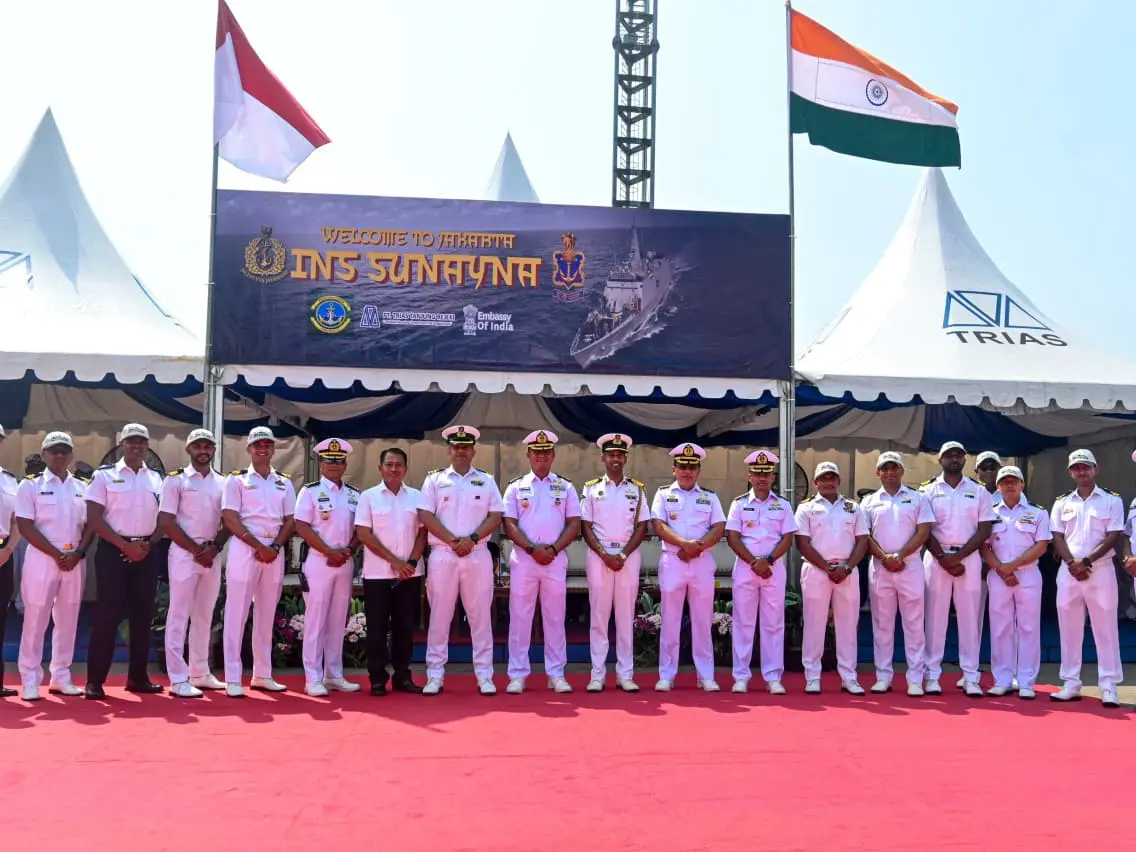
Senior Indian naval officers for a long time have been describing the navy as a key instrument of foreign policy, extending beyond traditional defence to humanitarian assistance, anti-piracy patrols and disaster relief.
?&imwidth=252&imheight=189)
Nepal has introduced a major payroll reform, moving government employees from monthly salaries to a fortnightly payment system. Led by the Ministry of Finance, the move aims to improve cash flow, boost spending, and support economic activity while easing financial pressure on households.
?&imwidth=252&imheight=189)
Questions are rising over the direction of the US-Iran standoff as signals from both sides grow increasingly mixed. While Donald Trump had earlier issued stark warnings, uncertainty now surrounds the next round of talks, with Iran claiming no delegation has left for Pakistan. Disputes over the Strait of Hormuz and war reparations continue to stall progress. Meanwhile, reports suggest more than 20 Iranian “shadow vessels” have moved past the US blockade, adding a new twist to the ongoing crisis.
?&imwidth=252&imheight=189)
The number of missing or dead U.S. scientists since 2022 has surged to 11 with Amy Eskridge's death garnering fresh scrutiny. The U.S. House Oversight Committee has also sought a briefing from four key federal agencies regarding this. At present, FBI is leading the effort to hunt for any possible connections between these scientists.
?&imwidth=252&imheight=189)
Dozens of Israeli citizens were detained and questioned for hours at Moscow’s Domodedovo Airport, with reports suggesting some were confronted over the Iran conflict. The situation was later resolved after intervention by Israeli officials. The incident comes amid rising tensions and a broader shadow conflict involving espionage allegations between Israel and Iran.
?&imwidth=252&imheight=189)
U.S. President Donald Trump stressed that he is unwilling to extend the ceasefire and he is ready to go back to war. Amid the growing uncertainty, neither the JD Vance-led U.S. delegation nor Iranian negotiators have arrived in Islamabad yet. This comes as the two-week ceasefire expires by Wednesday evening. Meanwhile, Tehran is unwilling to negotiate citing threats issued by U.S.
?&imwidth=252&imheight=189)
European nations are ramping up efforts to reduce reliance on U.S. tech giants amid fears of a potential “kill switch” in critical cloud services. A report by the Future of Technology Institute highlights risks to defence systems, while the European Commission is investing in homegrown cloud infrastructure to boost digital independence.