Where did interstellar objects 1I/'Oumuamua, 2I/Borisov, and 3I/Atlas come from? And where are they going?

Where do interstellar objects come from? Scientists have revealed where 1I/'Oumuamua, 2I/Borisov, and 3I/Atlas originated in space, and also their age. One of them is almost as old as Earth. Where are they headed?
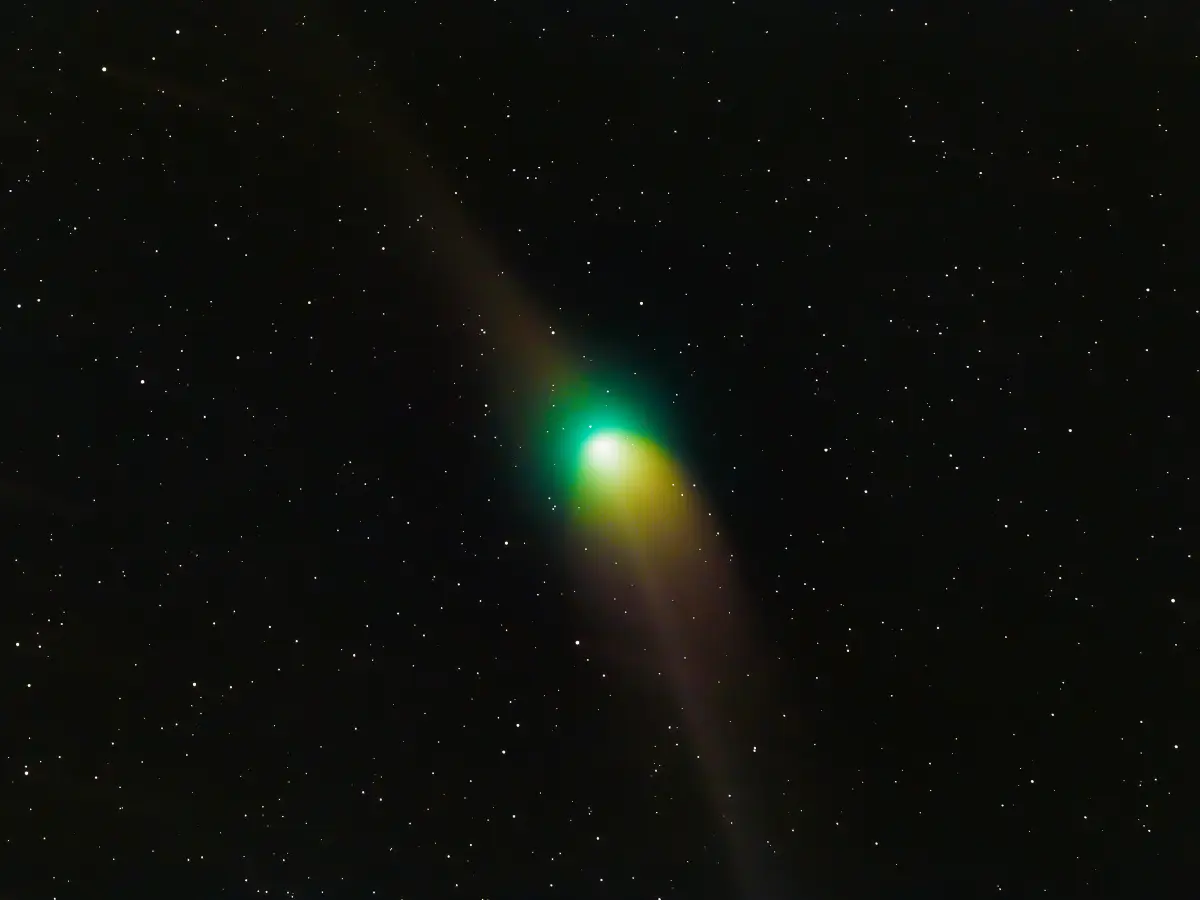
Interstellar objects - Where did they come from and where are they going?
Three interstellar objects - 1I/'Oumuamua, 2I/Borisov, and 3I/Atlas have visited us in the last eight years. Scientists have been fascinated by all of them as they are the first instances of a cosmic rock entering our solar system. The question then arises, where did they come from, and where are they going? All three interstellar objects have travelled from a different point in space. They are nothing but asteroids and comets left behind after the formation of planetary systems. This makes interstellar objects prime candidates to help reveal the secrets of other star systems. After careful analysis, scientists have figured out where these cosmic bodies travelled from to reach us.
All interstellar objects originated in the Milky Way
In a recent paper, Harvard graduate student Shokhruz Kakharov and Prof. Abraham Loeb, Professor of Science, calculated the trajectories of all three objects and applied age constraints to learn about their origin and age. They stated in their paper that all three of them have come from different regions in the Milky Way. Their composition is also different, revealing the secrets of the other planetary systems and dynamics at play.
Age of 1I/'Oumuamua and where did it come from
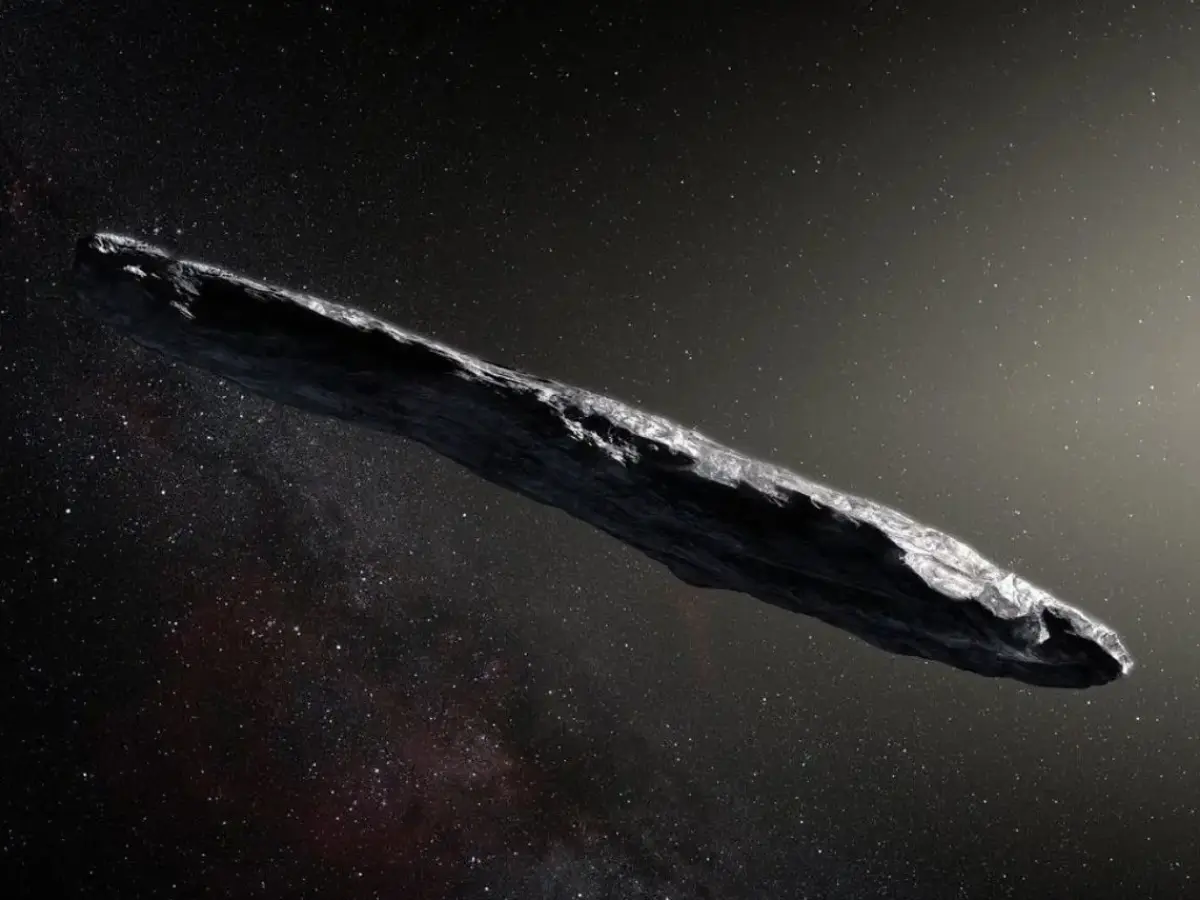
1I/'Oumuamua, the most famous of the three, because of its unique oblique design, is the youngest interstellar object. It was discovered in 2017 and was accelerating away from the Sun. It looks like an elongated disk and has a reddish colour. According to the paper, it is around 1 billion years old and has come from the thin disk in the Milky Way, where new stars are still forming.
Where is 1I/'Oumuamua now?
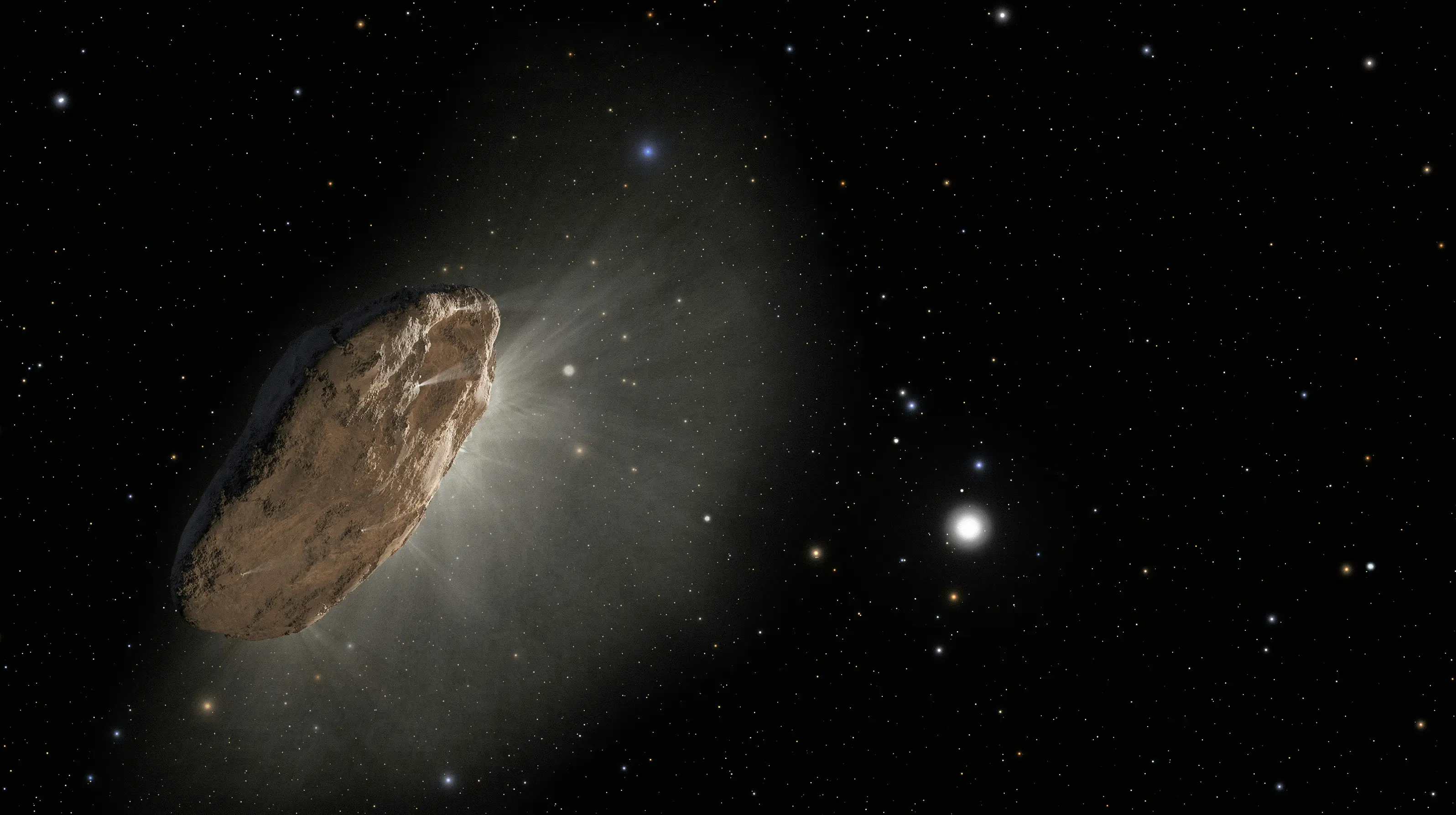
It is on a trajectory that will take it out of our solar system. Right now, it is beyond Neptune's orbit at a distance of over 100 AU from Earth and heading towards the constellation Pegasus. It is so faint that even James Webb cannot catch a glimpse.
Where did 2I/Borisov come from and where is it right now?
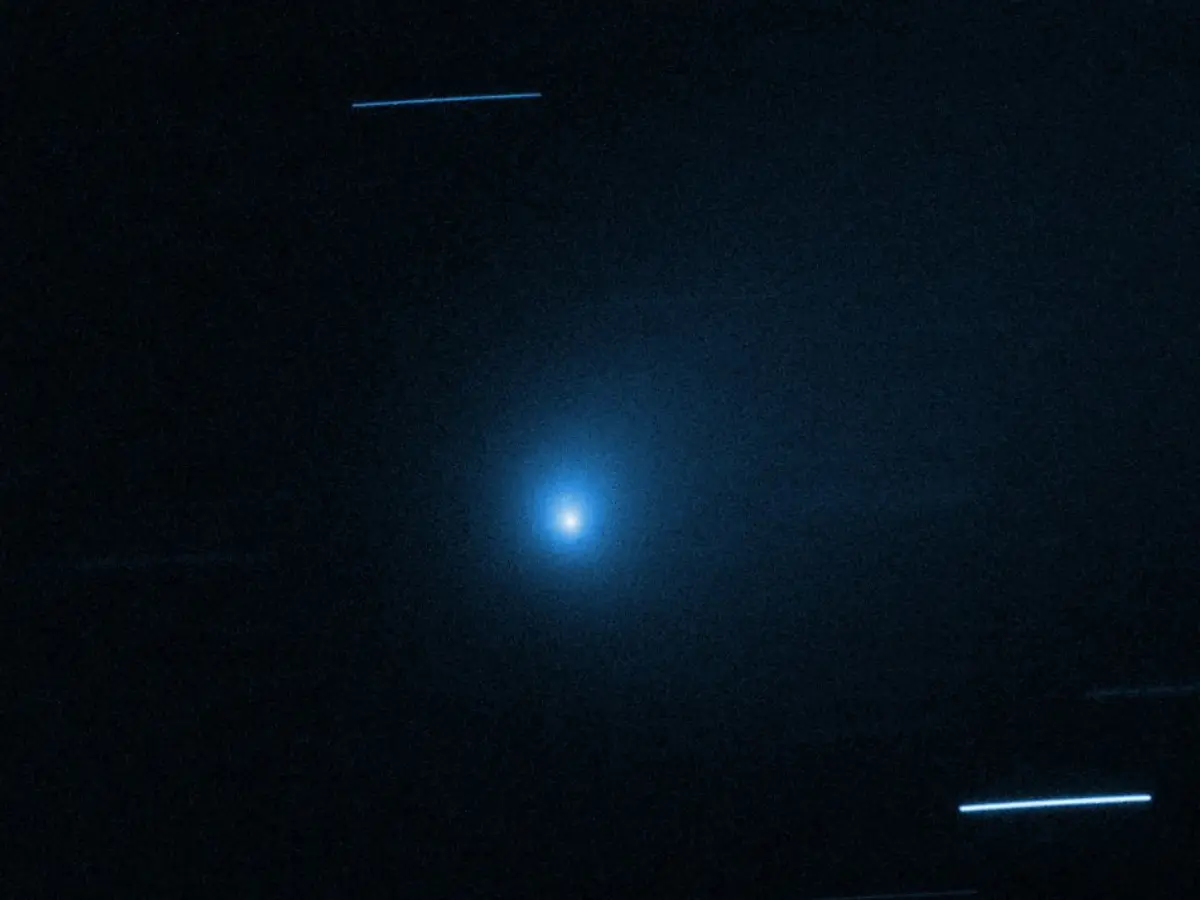
2I/Borisov was a rogue comet that visited us in 2019. Its orbit is not bound to the Sun and made its closest approach to the Sun on 8 December the same year. According to the study, it is approximately 1.7 billion years old. It also originated from the thin disk of the Milky Way. Currently, it is in the constellation of Ara, also known as the Altar.
Age of 3I/ATLAS and its point of origin in space
3I/ATLAS, the third interstellar object making headlines today, is the oldest of the three. Kakharov and Loeb wrote in the paper that it has a median age of 4.6 billion years. It originated from the Milky Way's thick disk, the region where older, lower metallicity stars reside. The researchers say that this shows that "ISOs are ejected from planetary systems throughout the galaxy's history, not just from young, recently formed systems."
Where is 3I/ATLAS headed?
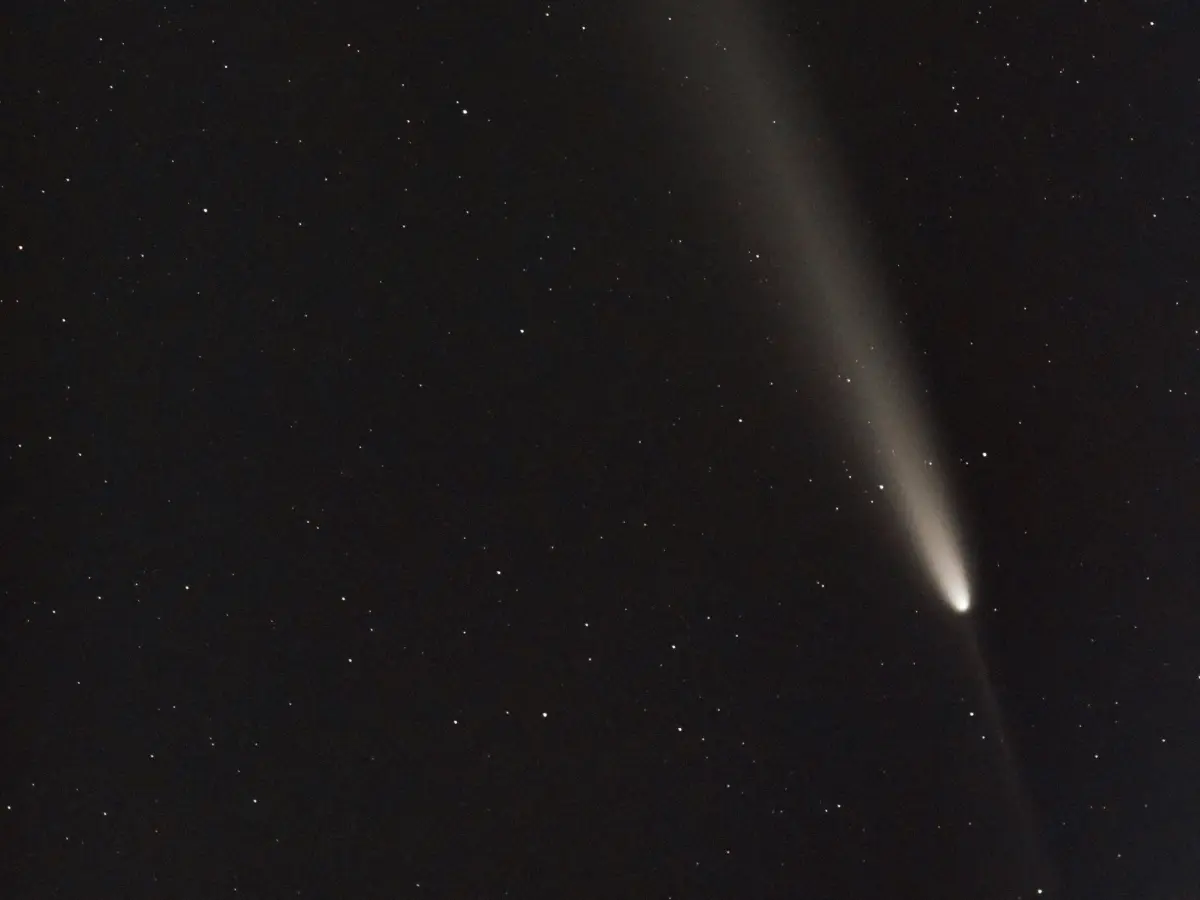
3I/ATLAS is rapidly moving towards the inner solar system. It is believed to be a comet, although Harvard scientist Avi Loeb thinks it could be an alien spaceship sent by extraterrestrials. It is travelling at a speed of 200,000 km/hr. It will reach a point between Mars and Earth’s orbit around November and then fly past the Sun. Its closest approach to the Sun will be between October and December.
)
)
)
)
)