LISTED! All the clues that point to 3I/ATLAS being an alien tech, not a comet

3I/ATLAS is the third interstellar object, and a scientist has claimed it is not a natural space rock, but an alien spaceship sent by advanced beings. He has listed several reasons for it that are based on his observations, and those made by NASA
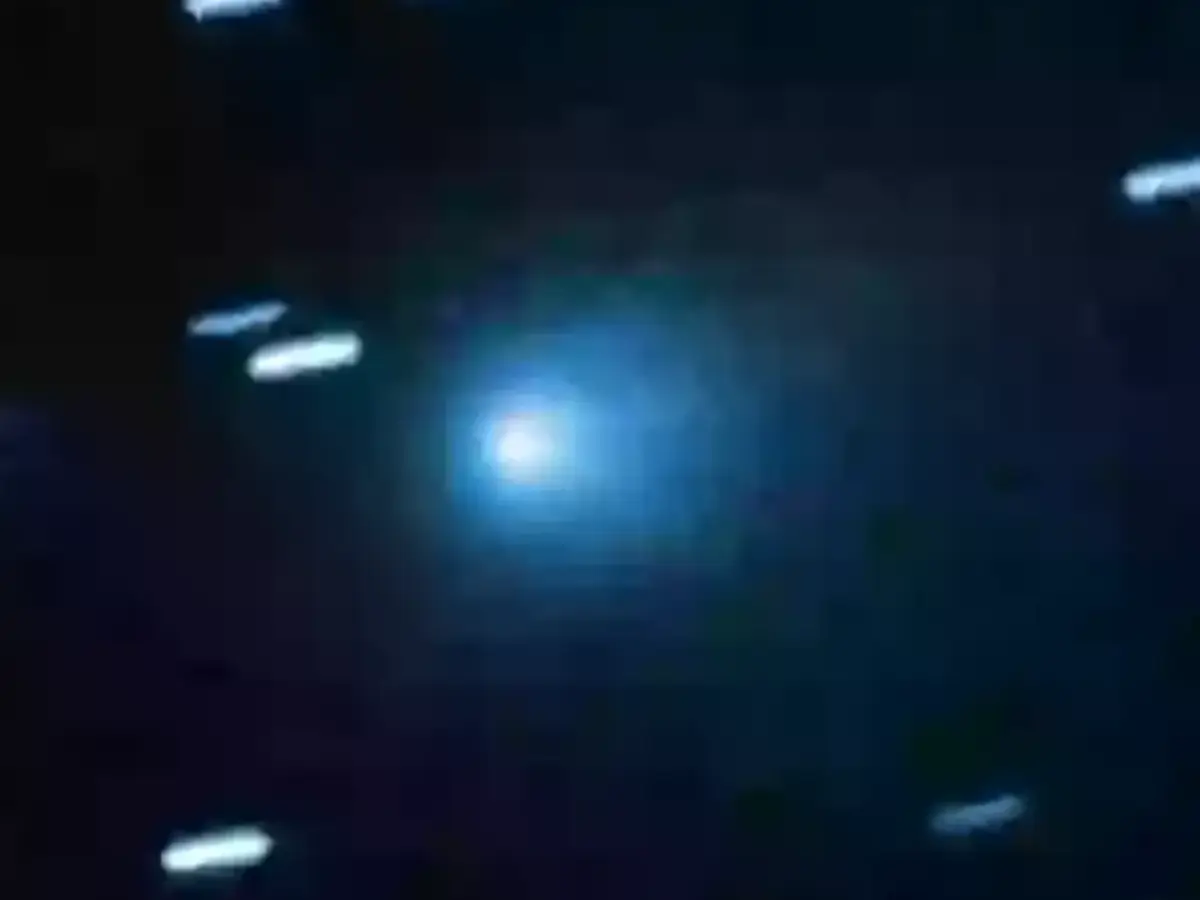
3I/ATLAS is alien technology? Harvard scientist has listed several reasons why interstellar visitor is not natural
Interstellar visitor 3I/ATLAS is the most-talked-about cosmic object in space right now. Astronomers almost believe that it is a comet, but coming from outside our world, it could be something completely new, even an unknown category of space bodies. Harvard scientist Avi Loeb triggered doubts about it being a comet. He says there is only a 0.2 per cent chance that 3I/ATLAS is a naturally occurring space object. Here are all the clues from the interstellar object that Loeb has revealed to suggest that it is not a comet or an asteroid, but rather a piece of alien technology, possibly even an alien spaceship.
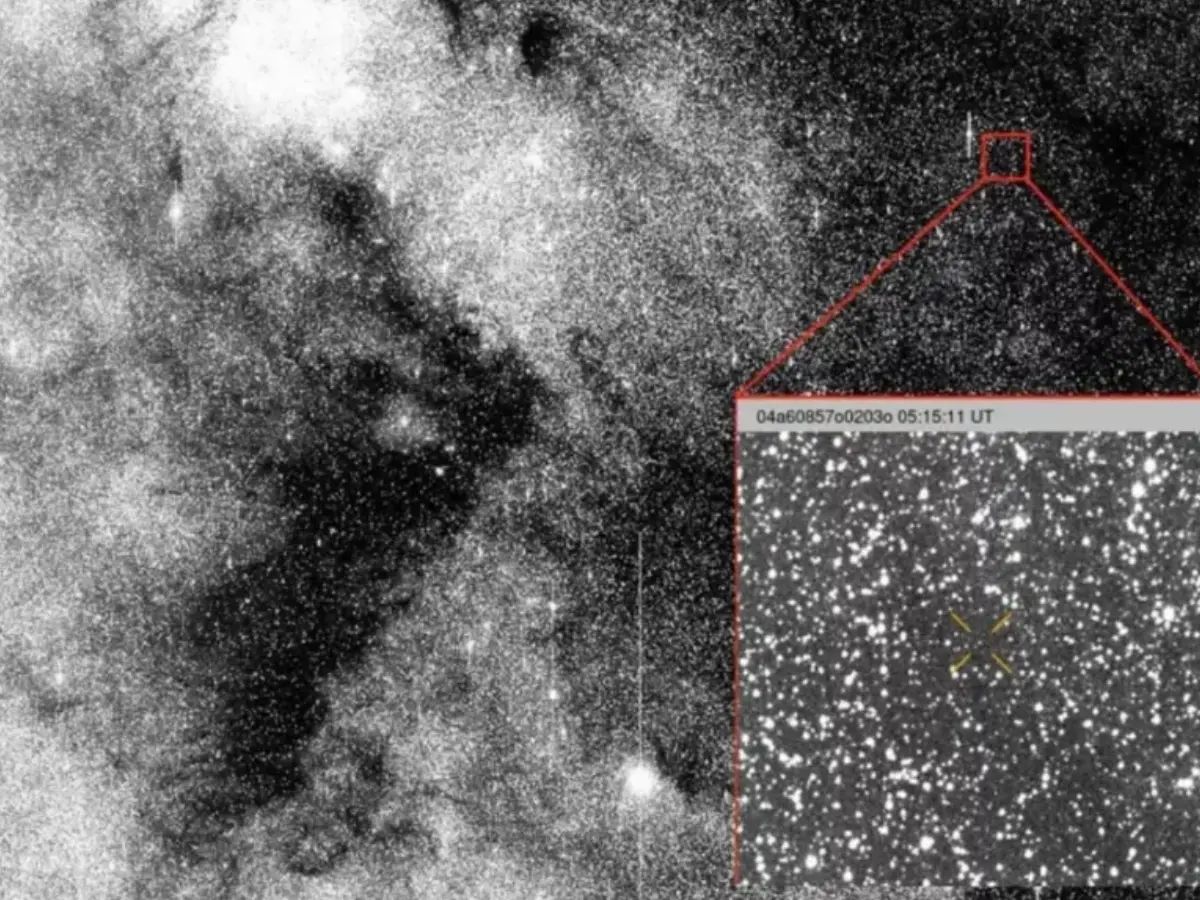
Trajectory of 3I/ATLAS - Loeb says it is unnatural and aligned perfectly with the planets
One of the first reasons Loeb cited to claim that this interstellar visitor could not be a natural space rock was its strange trajectory. It has an extremely elliptical retrograde orbit, which is against the flow of the solar system. Due to this slight inclination, it can determine the planets' orbits and mass as 3I/ATLAS is also closely aligned with inner planets, including Earth. He says an extraterrestrial intelligent community can craft the route this way to let it probe the solar system.
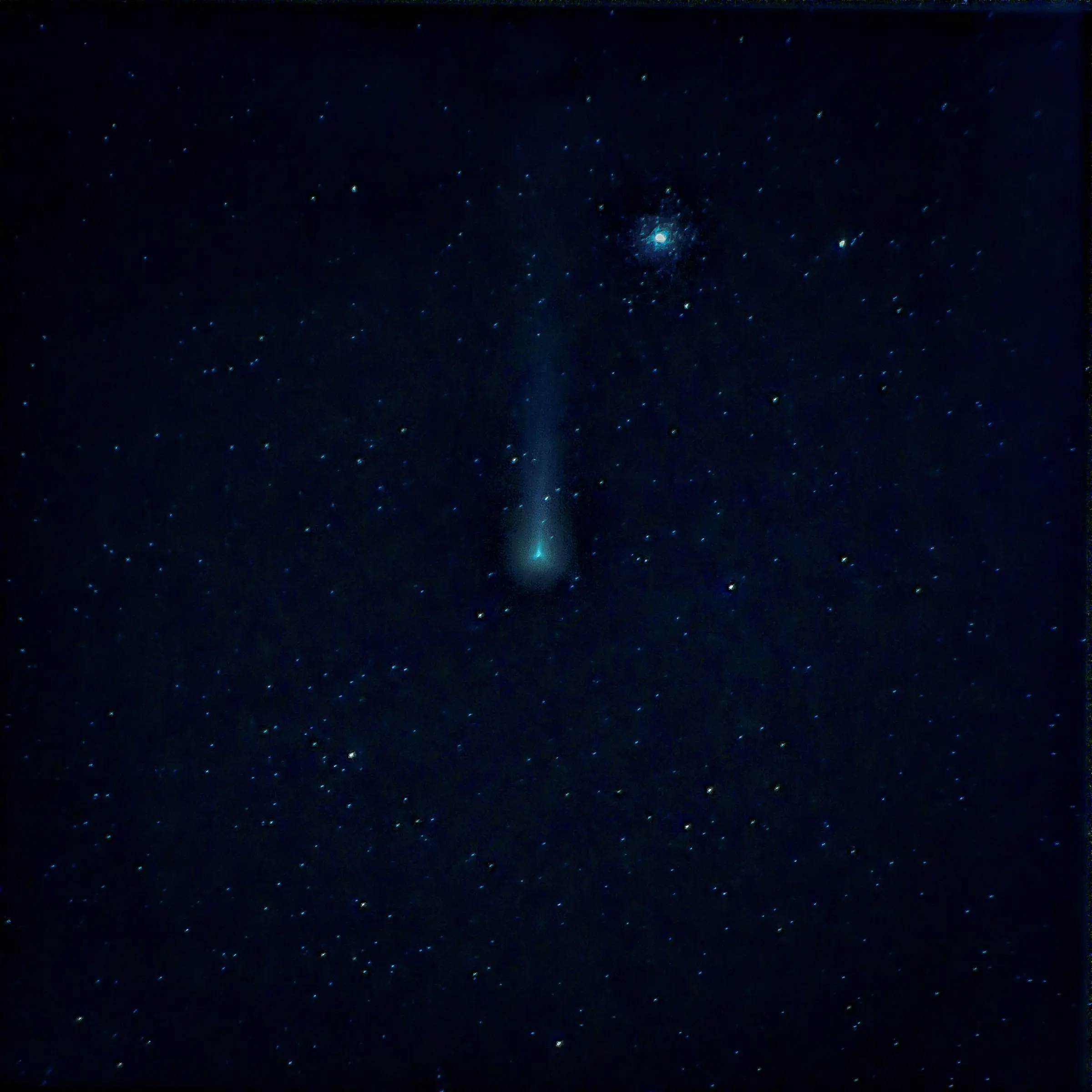
Size of 3I/ATLAS - NASA's SPHEREx space observatory shows a 46-kilometre interstellar object
Citing the data from the SPHEREx space observatory, Loeb says the interstellar object has a huge nucleus with a diameter of 46 kilometres. This means that 3I/ATLAS is a million times larger than 2I/Borisov, the last interstellar visitor we had. However, according to him, it is impossible to find such a big natural object since we should have discovered numerous objects of the size of 2I/Borisov before discovering a 46-kilometre interstellar object.
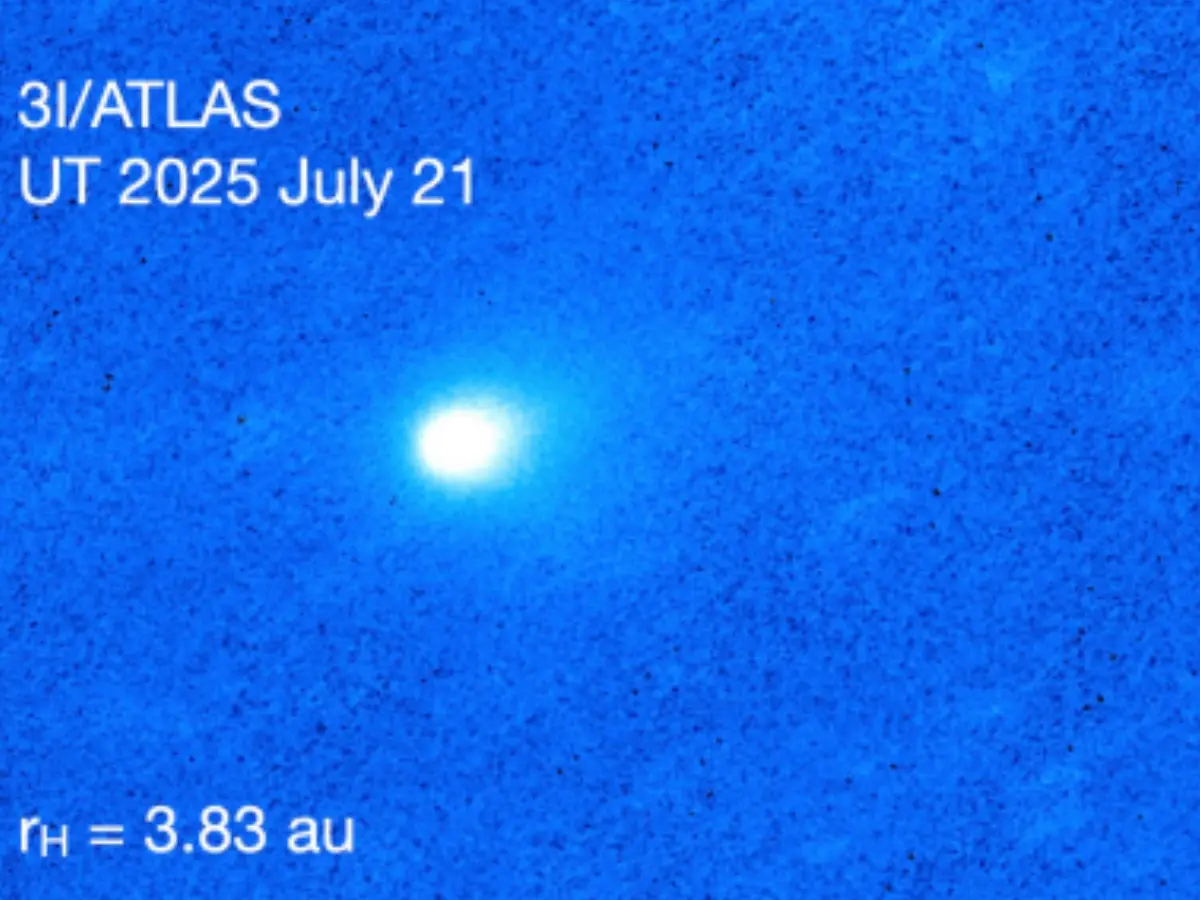
3I/ATLAS does not have a cometary tail - Lack of bright water gas coma has confused scientists
Using SPHEREx images, Loeb states that if it is a comet, then why is there no dust coma or tail? When the observatory observed 3I/ATLAS, it was at a place where a comet tail should have been formed. But, there was none. "The lack of a bright water gas coma is puzzling as 3I/ATLAS was not too far outside the Solar system’s “water ice line” at 2.5 AU during the observations," the SPHEREx report mentioned.
Anti-tail on 3I/ATLAS - Light is scattered towards the Sun
Loeb cites multiple observations and images to say that instead of a clear cometary tail, there is just a fuzzy glow of scattered sunlight around the object. In fact, the glow elongation is more towards the Sun, kind of like having an anti-tail. If interstellar object 3I/Atlas is a comet, then the dust particles would have been pushed by the sunlight away from the Sun-facing direction to the opposite side.
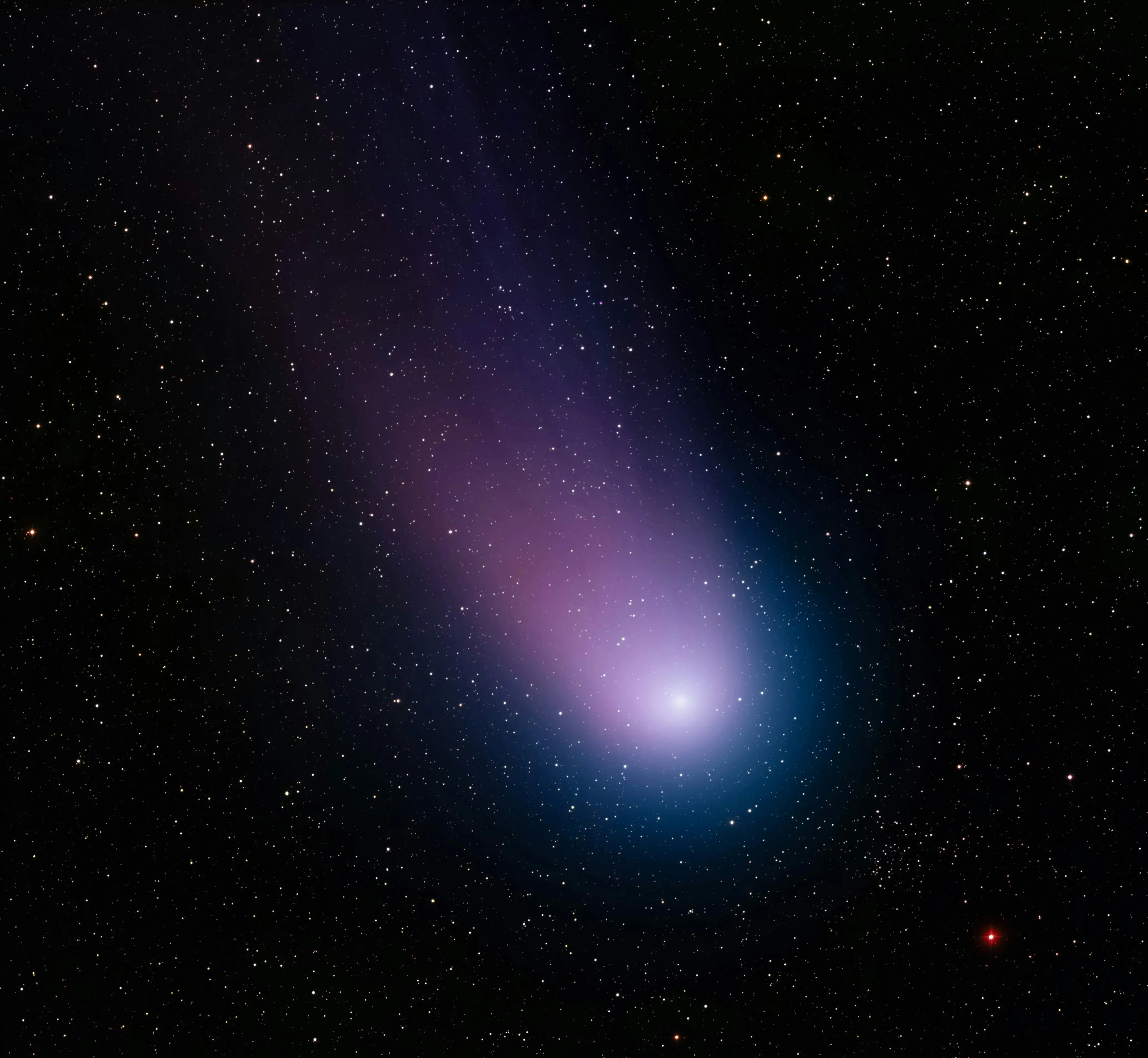
Very Large Telescope detected nickel without iron in 3I/ATLAS - Classic sign of industrial production
Observations from the Very Large Telescope have detected nickel without iron in the plume of gas around 3I/ATLAS. Loeb says this is a new anomaly since a comet always produces both iron and nickel simultaneously. In a new paper, Loeb suggests that this is "an extremely rare and exotic possibility in comets, whereas it is a standard technology for industrial nickel refining."
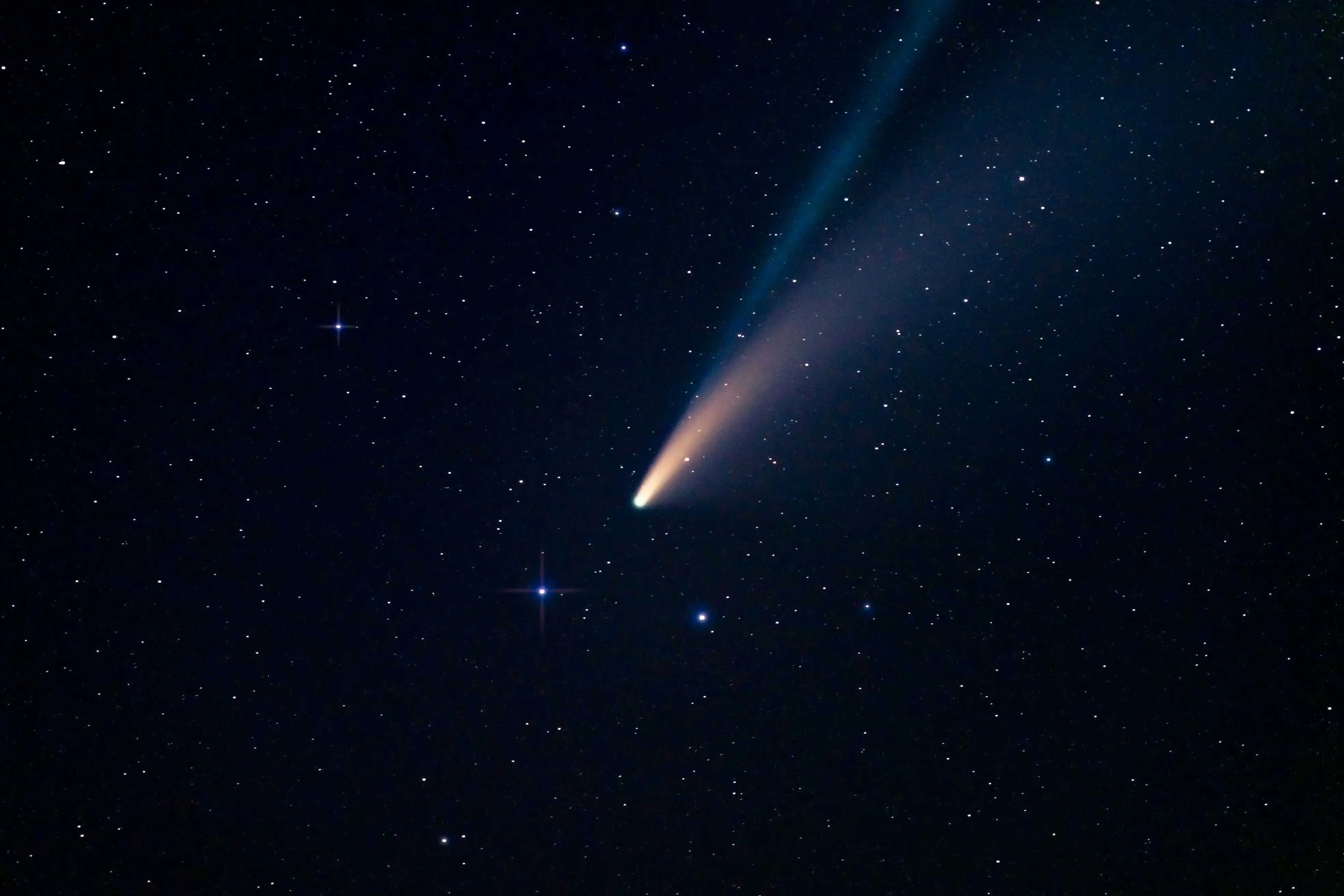
3I/ATLAS suddenly became brighter - Unexpected glow in interstellar object
NASA's Transiting Exoplanet Survey Satellite (TESS) captured images of 3I/ATLAS in May, two months before it was officially spotted. TESS data show that the object suddenly became five times brighter between May 7 and June 3. Scientists say that while the brightness is expected, it should only have been 1.5 times relative to the distance it has travelled.
)
)
)
)
)