Water pipeline, inscriptions, a Thar secret: Archaeologists unearth astonishing things in India

Archaeological discoveries in India: India has been home to several civilisations and cultures. Recent discoveries in Rajasthan, Karnataka, Tamil Nadu and Kerala have uncovered some fascinating facts. Here are the historical sites that threw up some surprises recently.
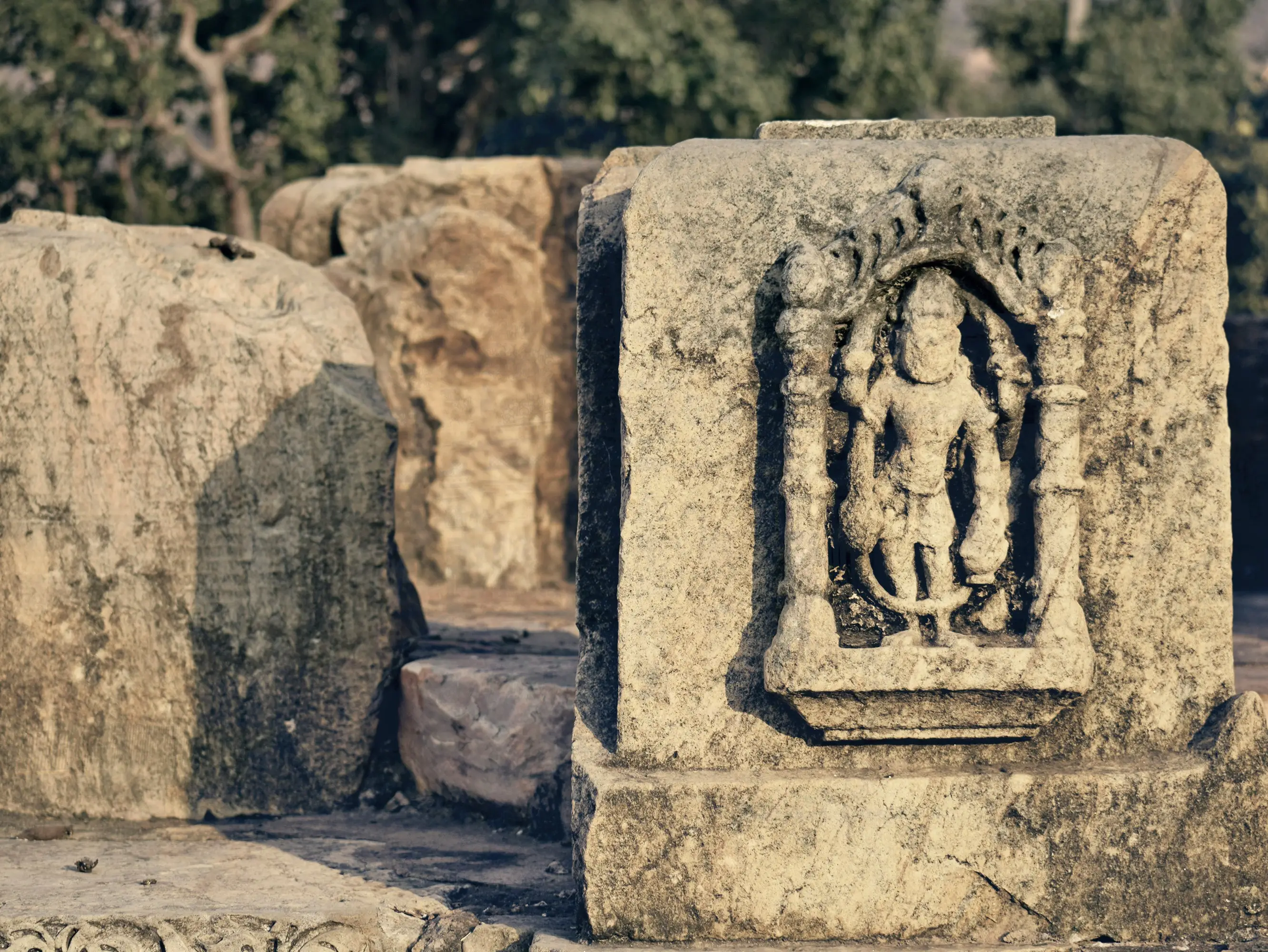
Archaeological discoveries in India
Archaeologists in India have made several discoveries over the past year, throwing light on some hidden civilisations and changing beliefs about others. This includes the remains of the Harappan civilisation in the Thar desert and signs that an ancient urban society flourished in Tamil Nadu 2,500 years ago. Indian history is still hiding several secrets which scientists are still trying to dig up, like, does the sunken city of Dwarka lie in the Arabian Sea? Several questions about ancient India remain to be unearthed. However, here are a few that were revealed recently.
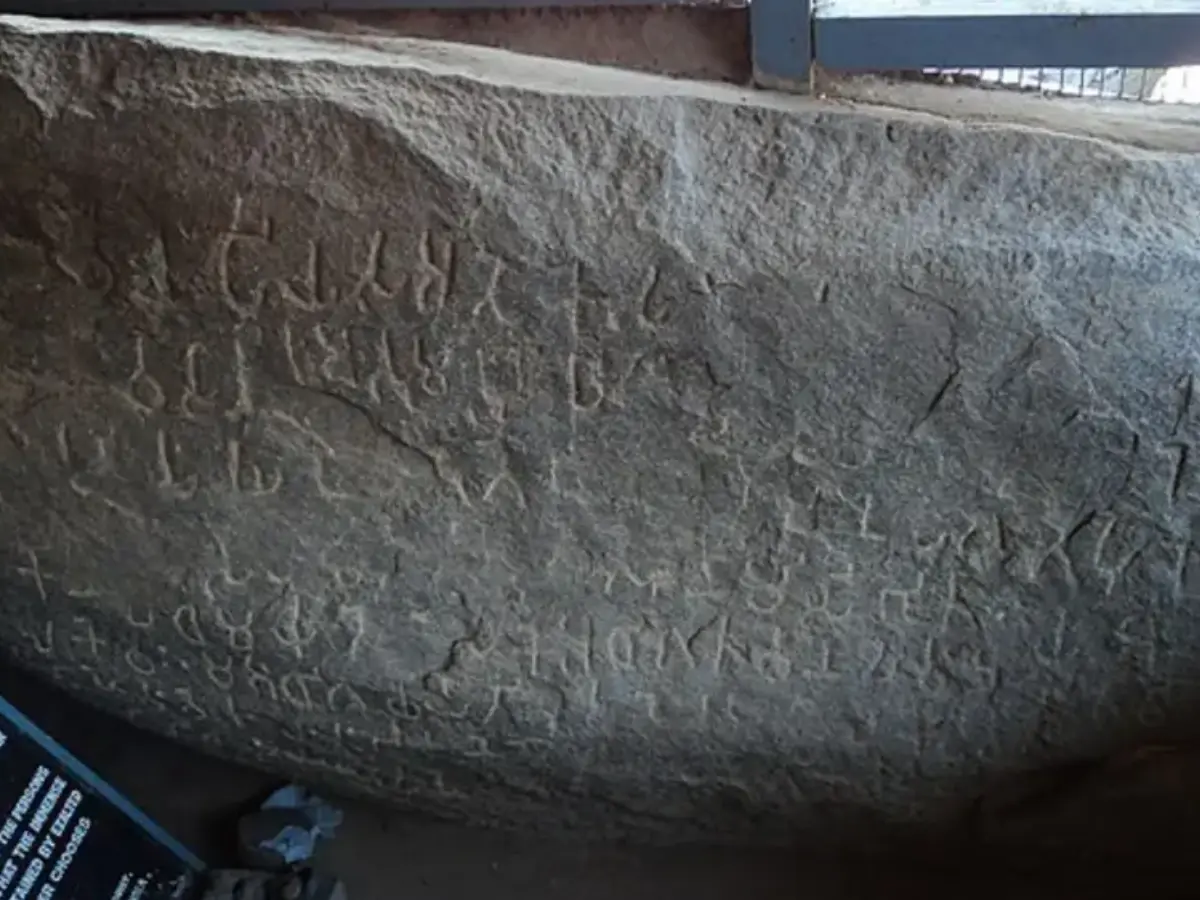
The Maski settlement in Karnataka
Scientists from the United States, Canada and India, digging up the history of Maski, found that humans lived here around 4,000 years ago. The digs followed the discovery of an inscription from the age of Ashoka in Raichur. The work around Mallikarjun Hill and the Anjaneya Swamy temple threw up various artefacts and other tools. The findings confirmed that a human settlement thrived in Maski around the 11th and 14th centuries BC. The Maski inscription was discovered in 1915 by British gold mining engineer C. Beadon.
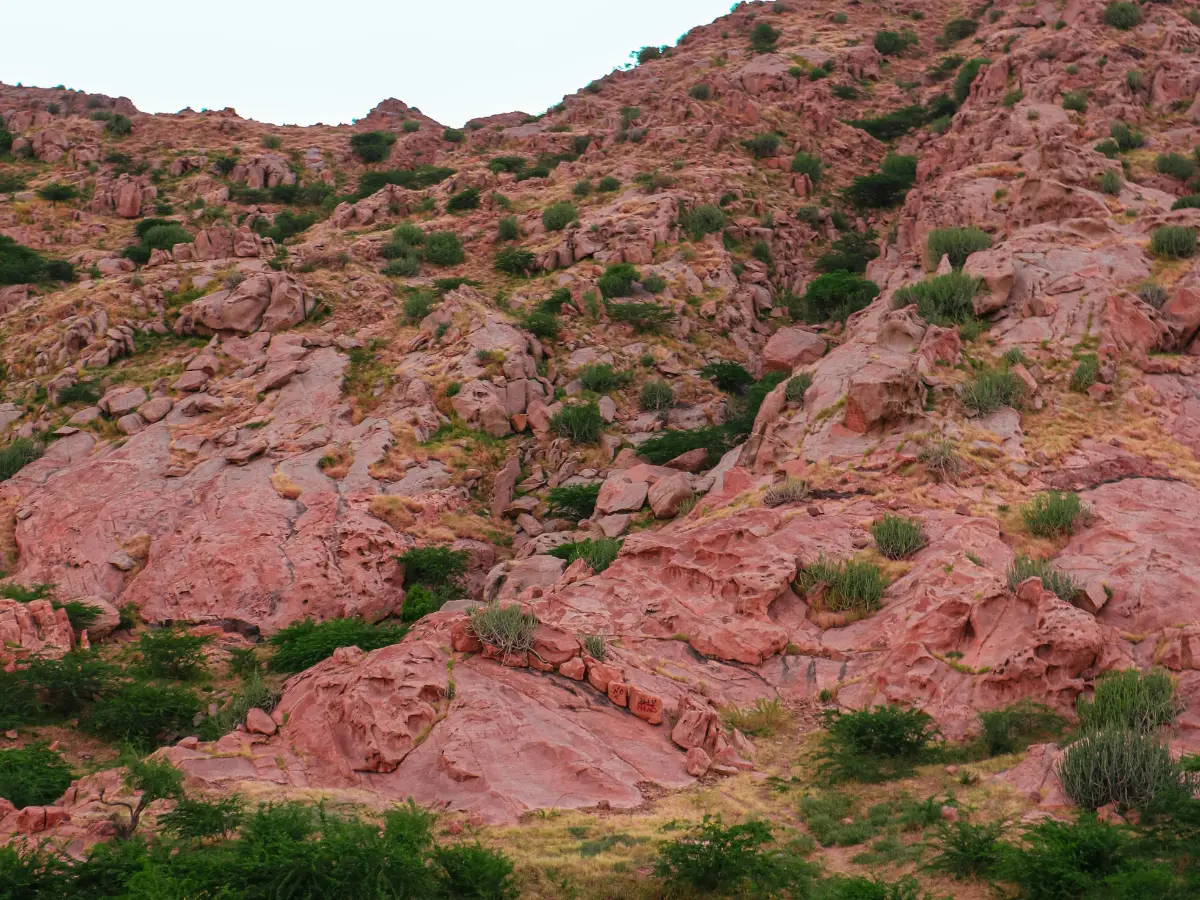
Harappan civilisation in Thar
The hot and arid desert in Rajasthan was not believed to be home to humans several thousand years ago. However, a recent finding has changed that. Archaeologists stumbled upon Harappan remains in Jaisalmer near the Pakistan border earlier in 2025, the first instance of artefacts from the 4,500-year-old civilisation being found in the Thar desert. The discovery proved that the Harappa civilisation expanded its geographical footprint to the deserts of Rajasthan. The artefacts that were unearthed included red and wheat-coloured pottery, bowls, pitchers, cups, handmade pottery, bangles, bricks, stone mills, a furnace and remains of ancient walls.
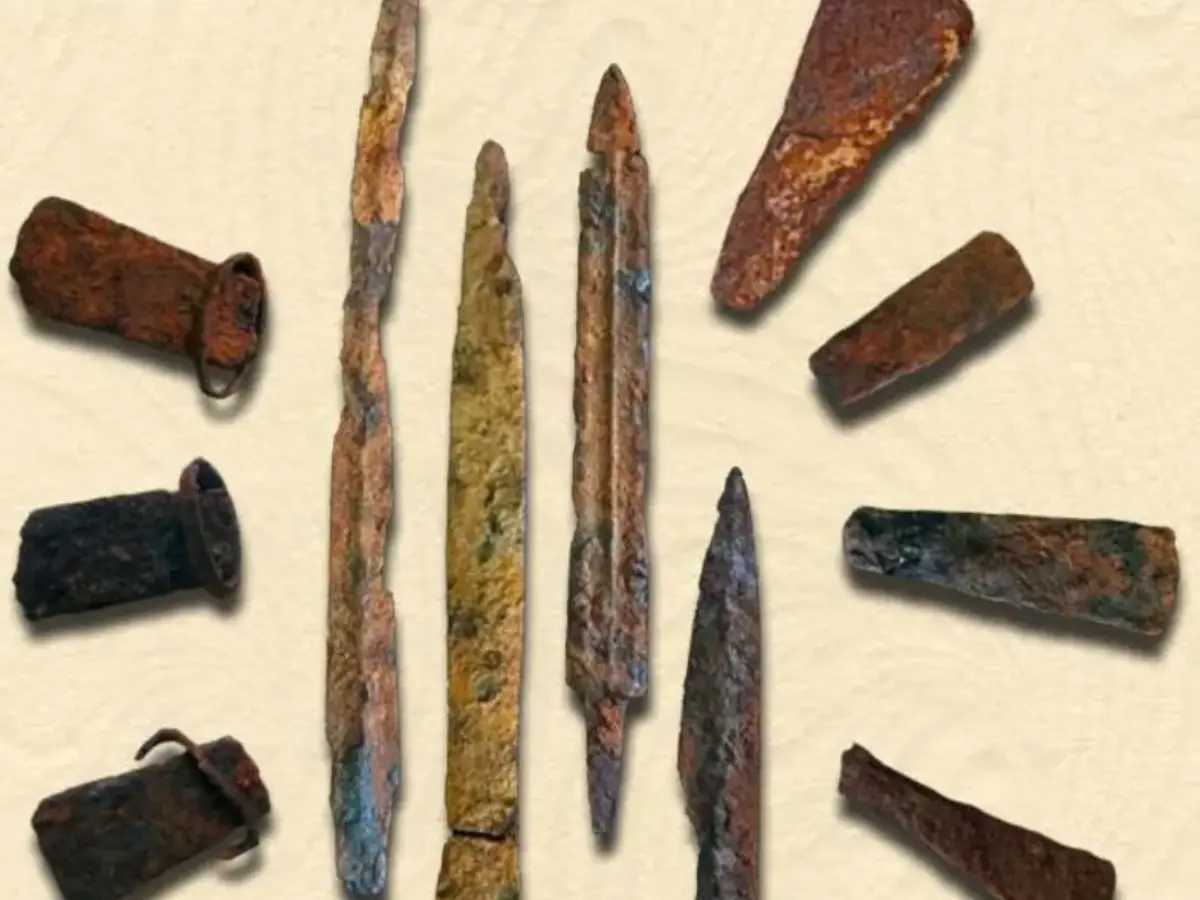
Signs of an Iron Age in Tamil Nadu
In February 2025, Archaeologists discovered iron objects at six sites in Tamil Nadu, all believed to be between 5,000 to 5,400 years old. This led scientists to wonder whether the people in India extracted, smelted and shaped their iron tools independently. The findings were made from Adichchanallur, Sivagalai, Mayiladumparai, Kilnamandi, Mangadu and Thelunganur. Parth R Chauhan, a professor of archaeology at the Indian Institute of Science Education and Research (ISSER), said if the discovery is validated through further analysis, then it would rank amongst the world's earliest records.
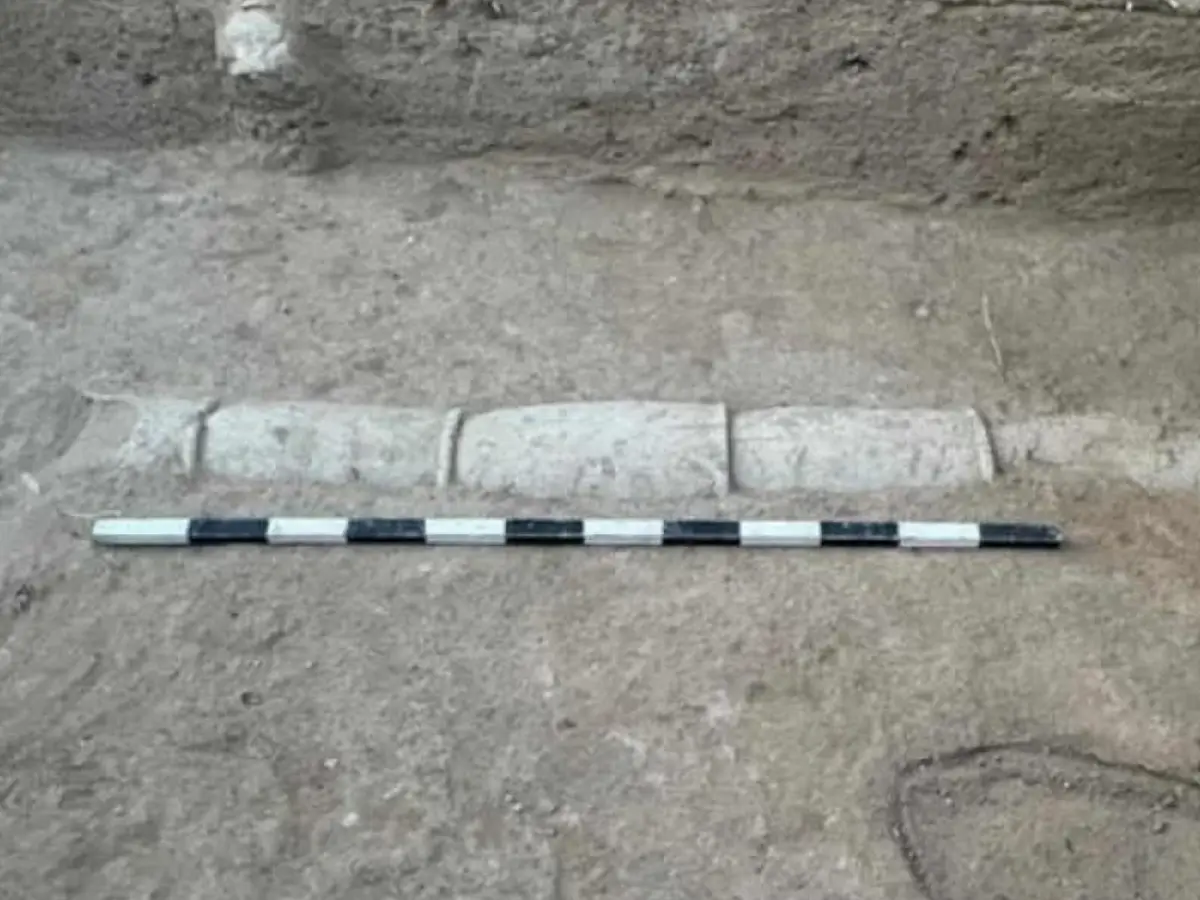
2,600-year-old terracotta pipeline in Tamil Nadu
Keeladi, an ancient site in Tamil Nadu, India, has been a source of archaeological wonderment for years now. In August last year, researchers found a terracotta pipeline in the region that was over 2,600 years old. This showed that advanced water management was practised by a civilisation that lived here at the time. The time period was known as the Sangam era, and its people were supposedly well educated. The time period spanned from around 300 BCE to 300 CE.
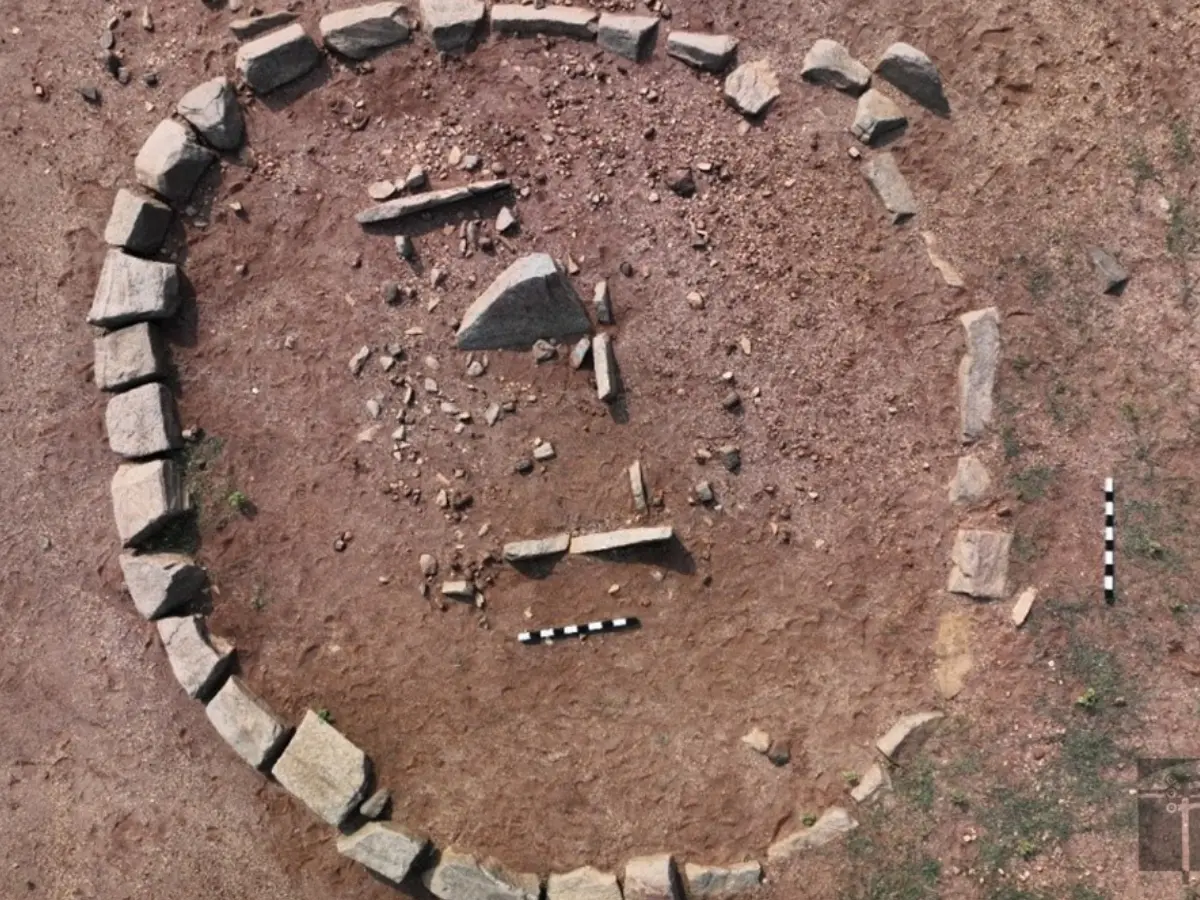
Megaliths in Palakkad, Kerala
The Archaeological Survey of India (ASI) discovered more than 110 megaliths spread across 45 hectares of land in Palakkad, Kerala, in March 2025. Most of these structures were built using granite slabs and boulders. The "fascinating discovery of megalithic structures spread across island-like mounds" is expected to shed light on the early Iron Age society in Kerala.
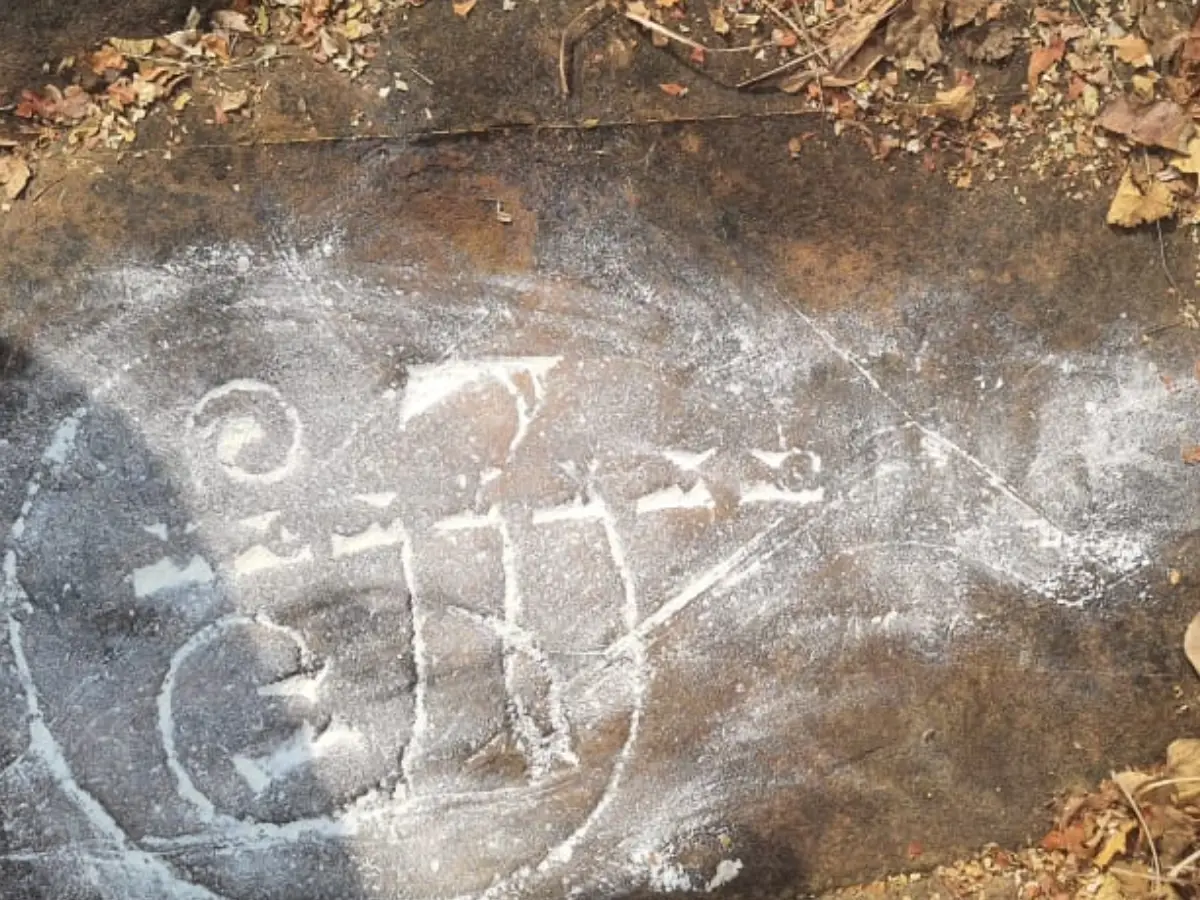
Ancient inscriptions in Andhra Pradesh
Earlier this year, the ASI discovered ancient inscriptions at Kadapa's Lankkamala Reserve Forest in Andhra Pradesh. The inscriptions were analysed and are believed to be from between the 4th and 16th century CE. Experts said that the finding shows that Lankamala was a major Shaivite pilgrimage centre with devotees from north India regularly thronging the site. It also found rock art, which it predicts belongs to the megalithic period.
)
)
)
)
)