3I/Atlas has a date with Mars on October 3, and human probes are waiting with bated breath

Interstellar comet 3I/Atlas will cross over Mars within the next two days. Space agencies across the world that have orbiters over the red planet are getting ready to point them at the alien comet. Here is what they can reveal about 3I/Atlas.

3I/Atlas will flyby Mars on October 3
Interstellar comet 3I/Atlas has a date coming up with Mars. The mysterious object will finally reveal itself when it passes close to the red planet in early October. The best views will be captured on October 3 by the various instruments sent from Earth that are currently orbiting Mars. They are all meant to study our neighbouring planet, which once likely hosted life. But now they have another job at hand, to examine 3I/Atlas, an object that has the entire scientific community talking.

NASA and ESA probes are gearing up to capture photos of 3I/Atlas
There are a host of probes on Mars that are being prepared to take a look at 3I/Atlas, the third interstellar visitor in our solar system. They have been sent by NASA, the European Space Agency and also China. Here is what to expect from these Martian probes as they get ready for the interstellar visitor.
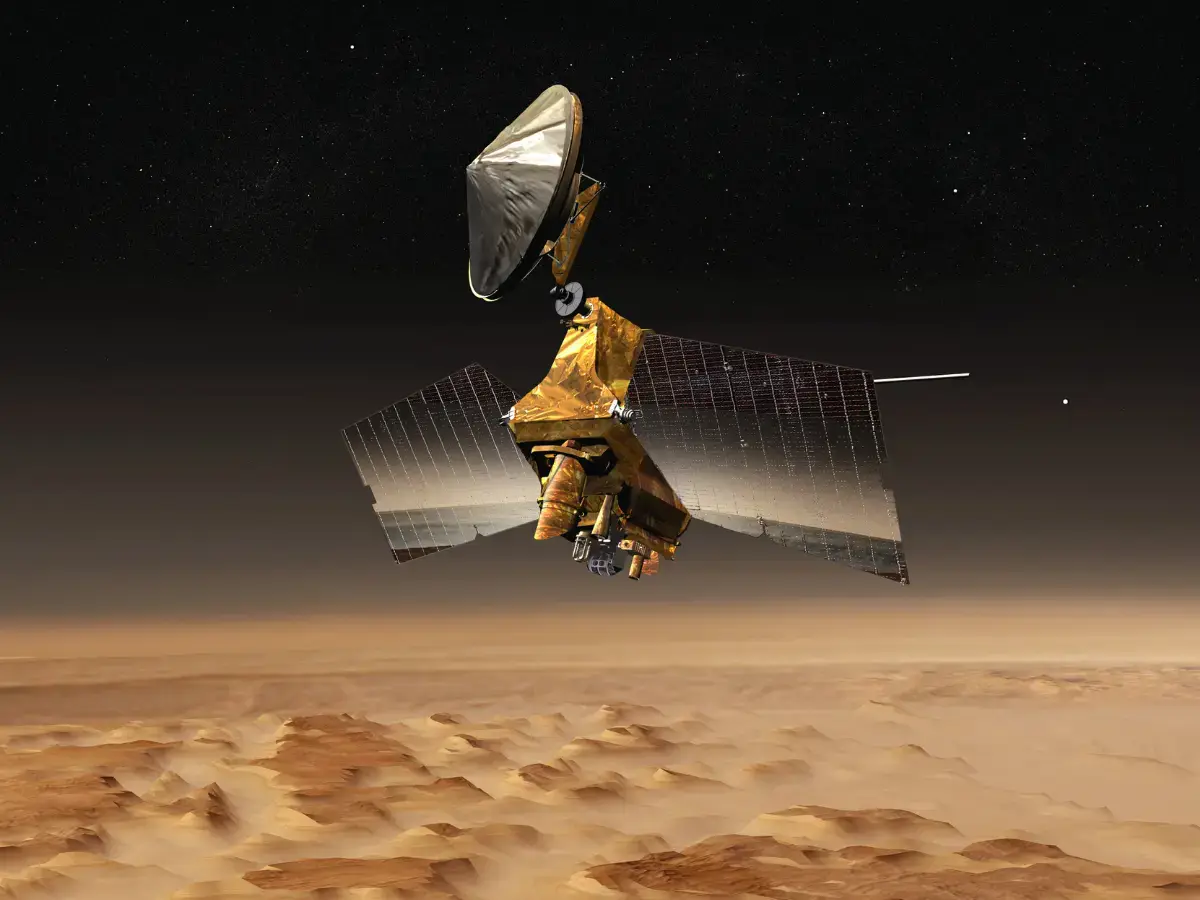
NASA’s Mars Reconnaissance Orbiter
The NASA spacecraft was launched in 2005 and study Mars's atmosphere. On October 3, 3I/ATLAS will be at a distance of 29 million kilometres from Mars. At this distance, the HiRISE camera aboard the orbiter will be able to capture the clearest images yet of the object. The spatial resolution of these photos will be 30 kilometres per pixel.

HiRISE camera on Mars Reconnaissance Orbiter can deduce the size of 3I/Atlas
The HiRISE camera could also get a good look at the surface area of 3I/ATLAS and provide more evidence about its size. Notably, most astronomers think it is only about a kilometre big. However, Harvard scientist Avi Loeb has deduced that the object could have a diameter of more than 5 kilometres.

3I/Atlas tail could finally be clearly seen
The tail of 3I/Atlas has also been a point of contention since it did not show one for long. But, Gemini Telescope in Chile captured a tail in later images. When the interstellar object comes near Mars, a clearer picture of this topic will also emerge.
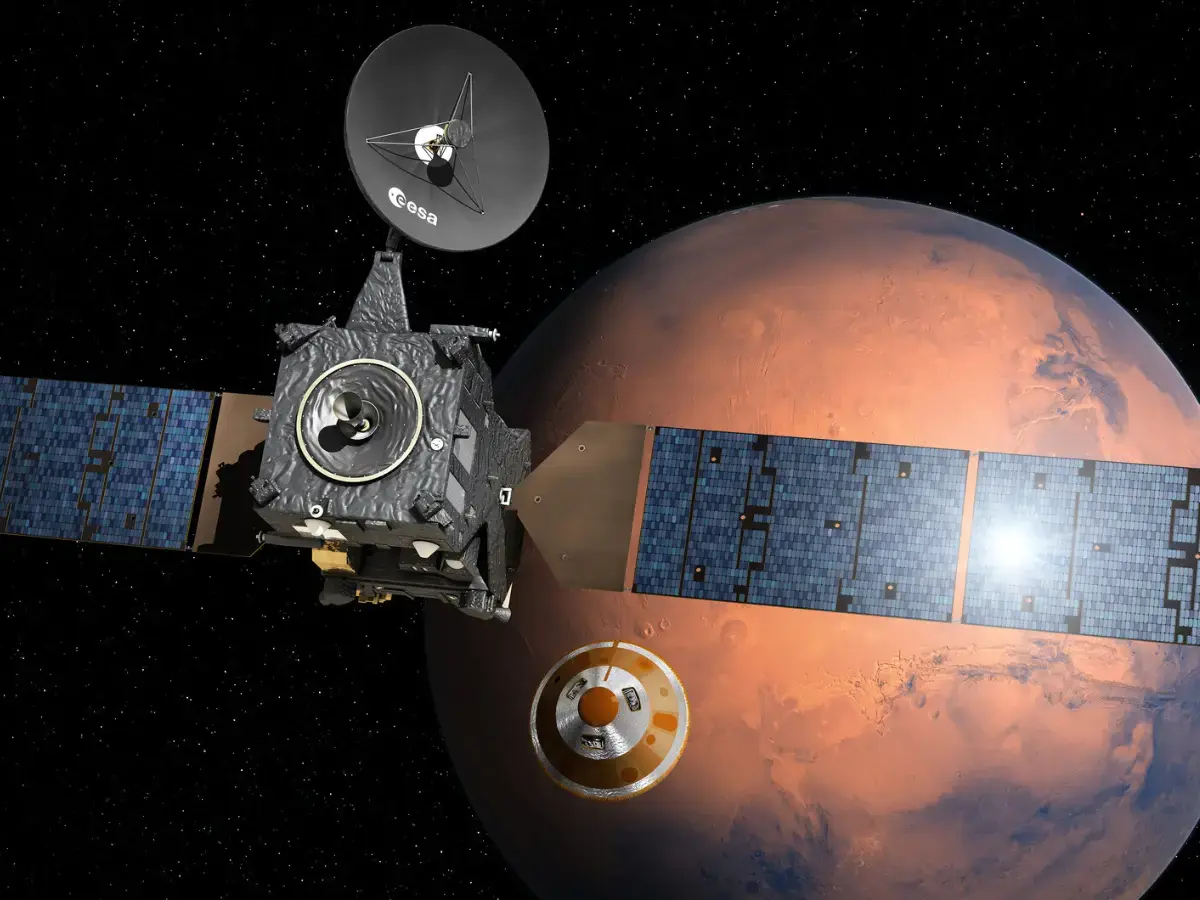
European Space Agency's Mars orbiters – Mars Express and ExoMars Trace Gas Orbiter
The ESA also has two orbiters hovering over Mars. Mars Express has been studying the Martian atmosphere and looking down on its surface since 2003, while ExoMars is nearly a decade old. The ESA is preparing both of them to briefly point at 3I/Atlas so we can learn more about this visitor.
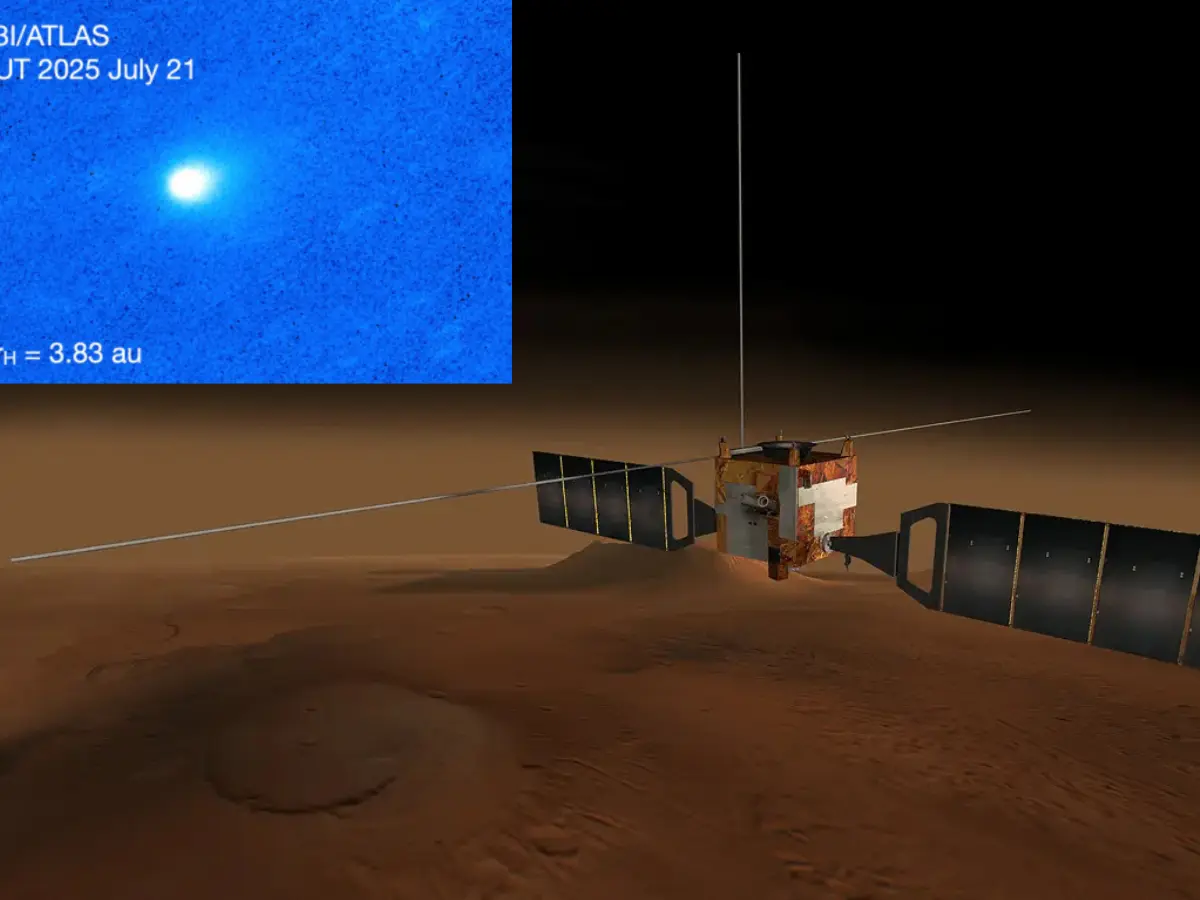
High-resolution cameras on Mars Express and TGO can can measure the spectrum of light of 3I/Atlas
Mars Express uses a High Resolution Stereo Camera (HRSC) to scan the surface of Mars. Meanwhile, ExoMars has the Colour and Stereo Surface Imaging System (CaSSIS). The spectrometers on both these orbiters can measure the spectrum of light from the comet, ESA said.

China's Tianwen-1 orbiter can take coloured photos of 3I/Atlas
China also has an orbiter on Mars. The Tianwen-1 mission was launched in 2020. The Moderate Resolution Imaging Camera (MoRIC) mounted on the orbiter has a 100 metre spatial resolution from a 400 km altitude and takes coloured pictures of Mars. It can monitor 3I/Atlas also, and might be able to get the best shots.
)
)
)
)
)