13,123-foot deep structures in Antarctica prove an integral belief about the icy continent

Submarine canyons discovered off the coast of Antarctica throw light on the world that exists under the vast ice mass covering the continent. These structures also prove that the East Antarctic Ice Sheet is much older than the western portion.
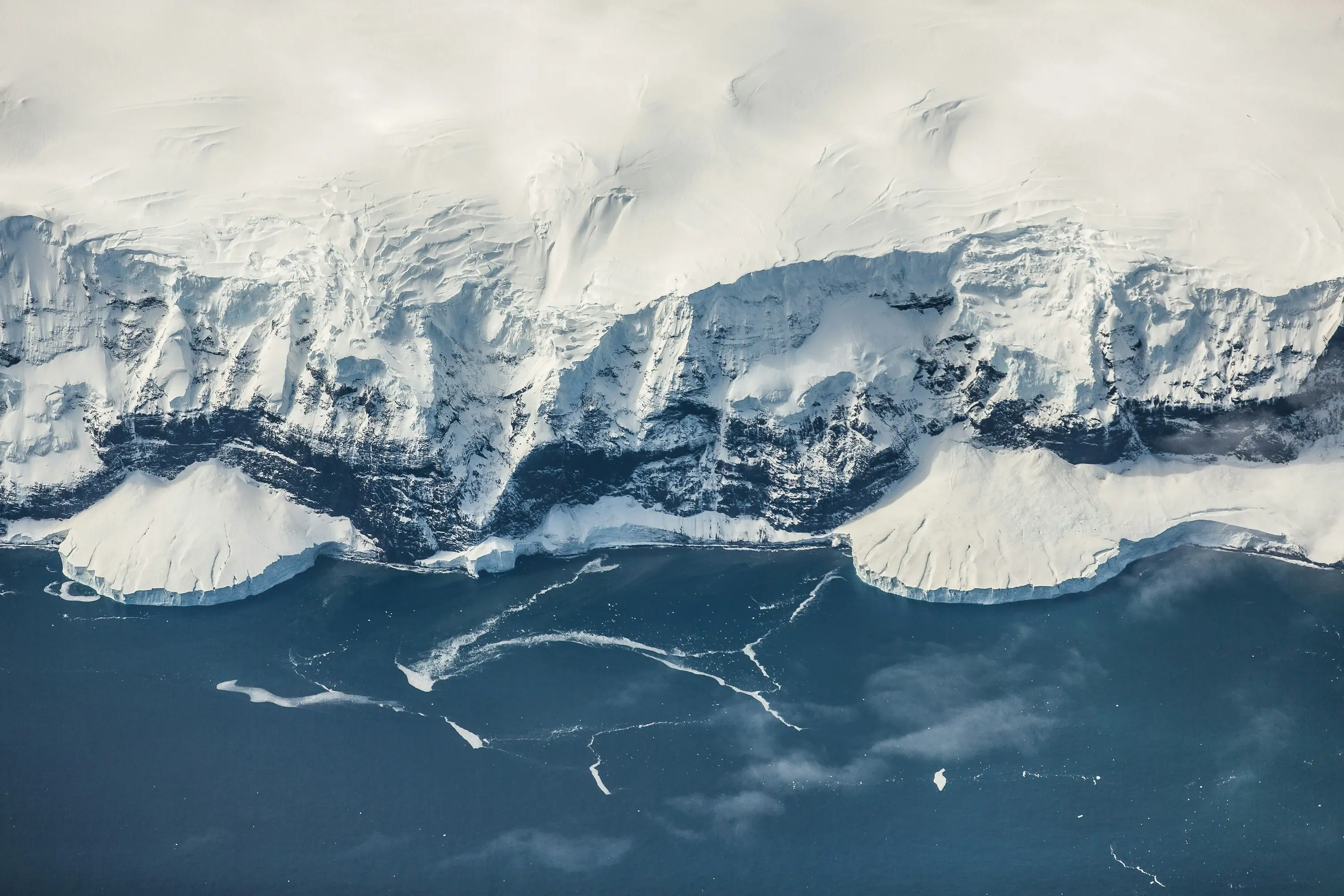
Network of 332 submarine canyons discovered in Antarctica
Antarctica is hiding hundreds of mysterious structures off its coast. Scientists have mapped a staggering 332 submarine canyon networks off the coast of the continent. This number is five times more than previously known. Some of them plunge more than 13,123 feet beneath the ocean surface. Undersea canyons form a vital part of the sea as they play an integral role in ocean circulation and create habitats ideal for marine life to thrive.
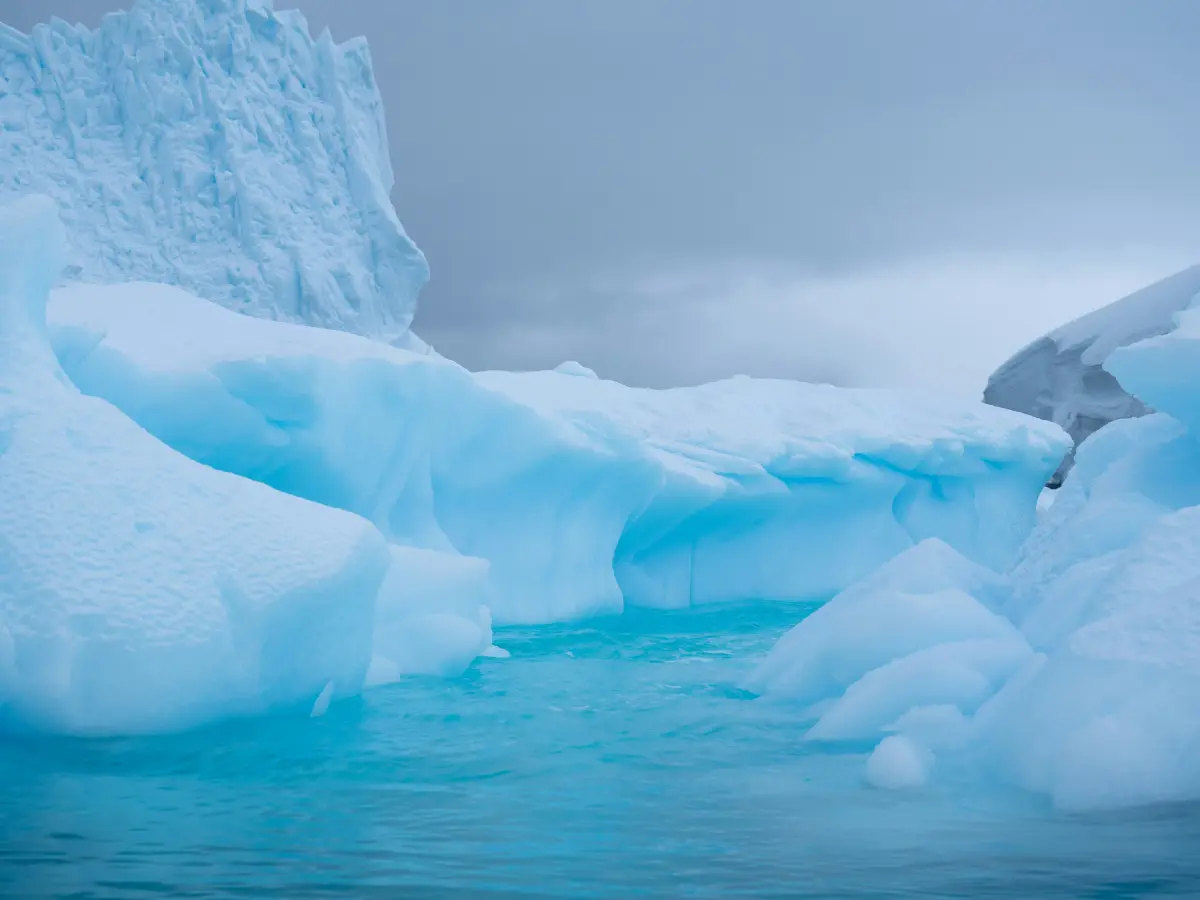
Drastic difference between East Antarctica and West Antarctica
The discovery was made by two researchers from University College Cork in Ireland and the University of Barcelona in Spain using a semi-automated GIS method to identify, profile, and analyse canyon systems based on 15 morphometric parameters. Shockingly, the canyons located in East Antarctica were almost opposite of those found in the West.
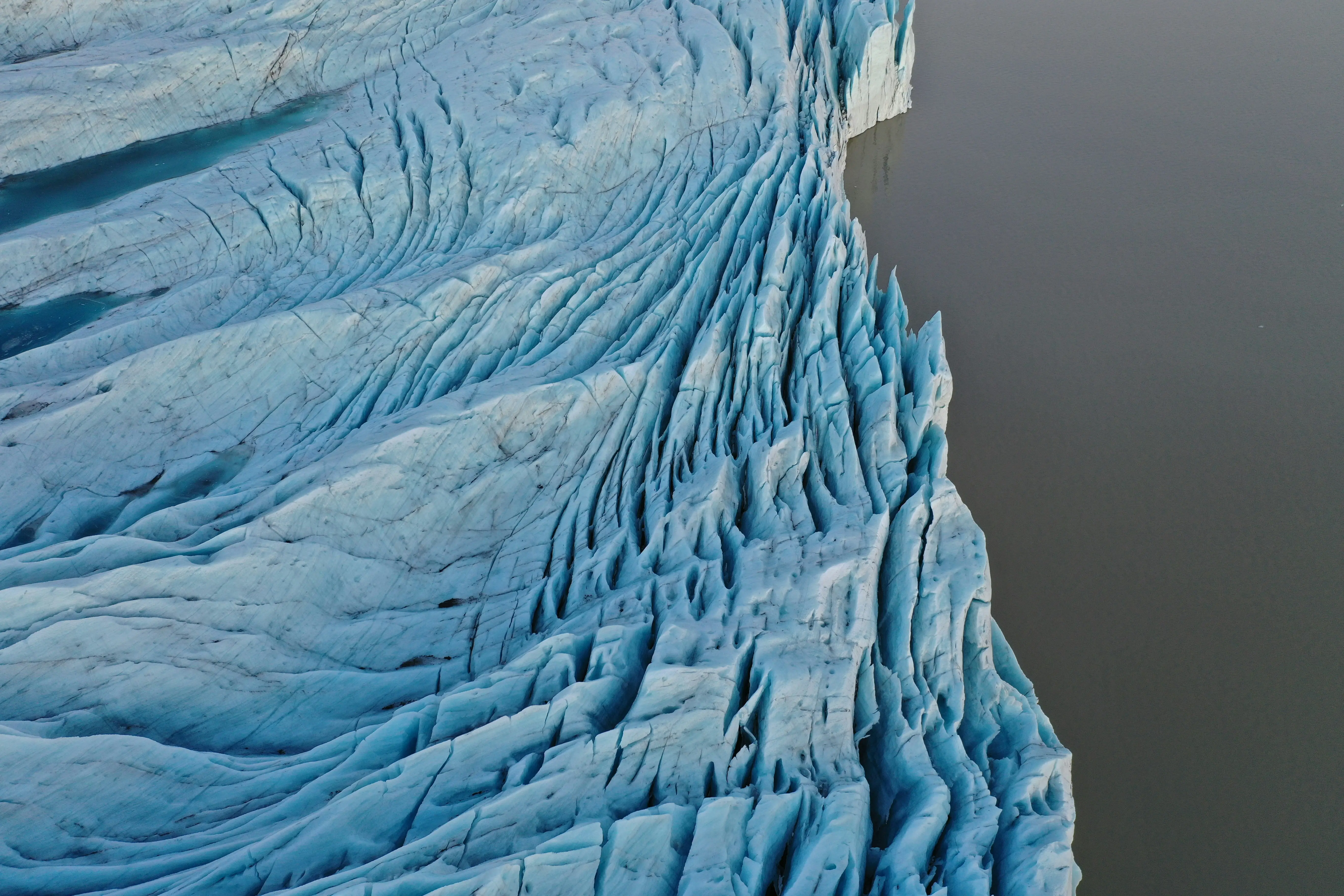
Major difference between canyons found in East and West Antarctica
In East Antarctica, the canyons are complex, branching systems with wide “U-shaped” profiles. They often begin with multiple heads and merge into single deep channels. Meanwhile, in West Antarctica, canyons were noted to be generally shorter, steeper, and V-shaped, indicating different formation processes.
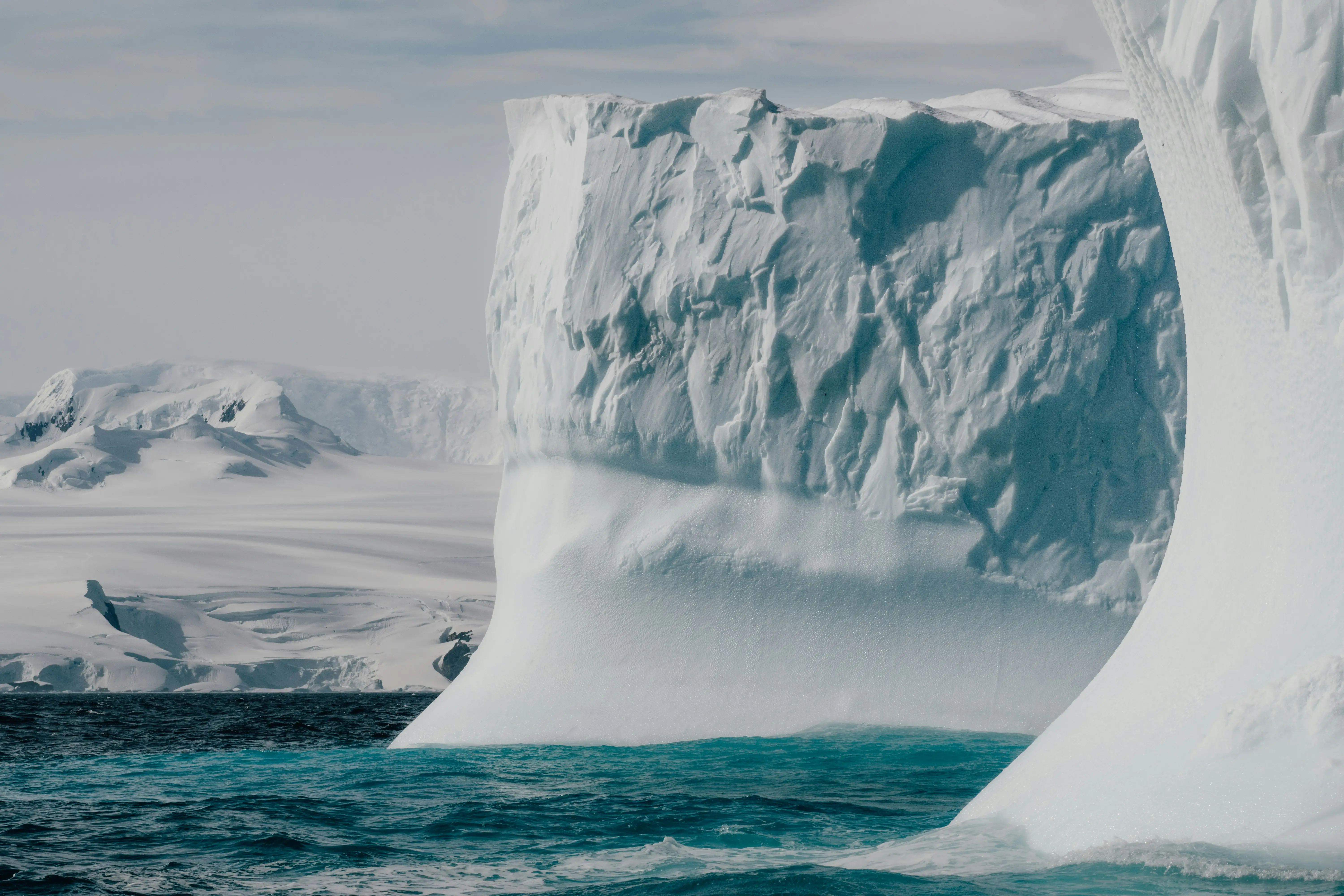
What do submarine canyons do?
Researchers say that this difference between the two regions proves that the East Antarctic Ice Sheet is much older than its western counterpart and originated much earlier. Submarine canyons play an important role in the continent's ecosystem. They transport sediments and nutrients from coast to deep ocean, connect shallow and deep marine ecosystems and shape biodiversity hotspots.
Warming oceans and submarine canyons
They are also the middle actors between climate change and the thinning of ice shelves. They act as pathways for warm water currents to travel towards the ice shelves, which speeds up basal melting. This process caused the ice shelf to thin down and potentially increase sea level rise.
How many submarine canyons have been discovered?
Scientists have mapped 10,000 submarine canyons across the planet. But, the number might be way higher and possibly run into tens of thousands more. This is because humans have only mapped less than one-third of the seafloor.
)
)
)
)
)