Why fighter jet engine heat is a bigger threat than enemy missiles

Modern fighter jets face immense thermal stress from 1,000°C engines, avionics, and air friction. They rely on aviation fuel as a coolant and flat nozzles to mask infrared signatures. Managing this heat is critical to avoid internal failure and evade enemy missiles.
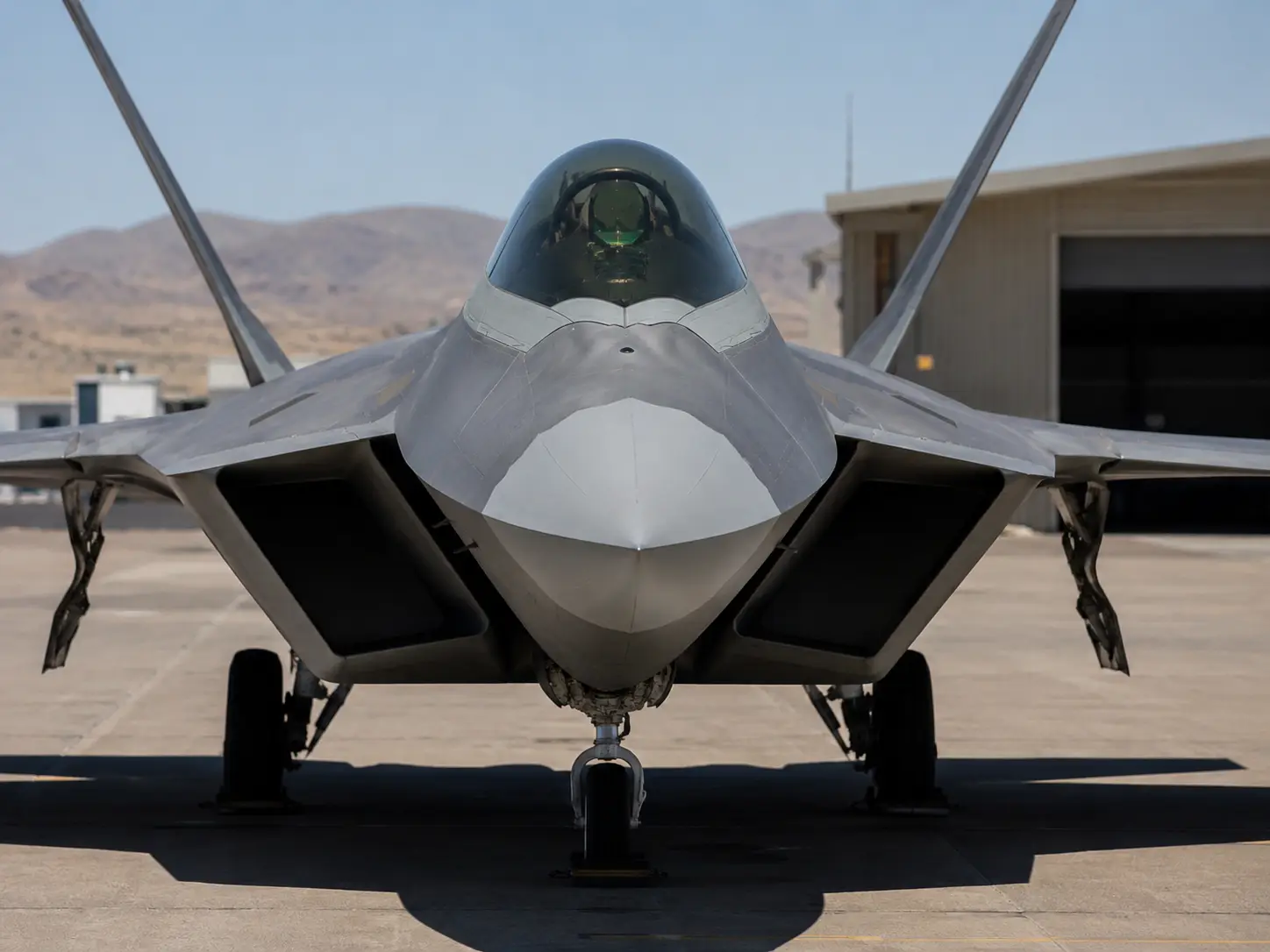
Over 1,000°C Engine Heat
Modern fighter jet engines produce exhaust temperatures exceeding 1,000 degrees Celsius during combat operations. This immense thermal output requires advanced turbofan designs, thermal barrier coatings, and intricate cooling networks to prevent the aircraft from melting its own internal components. Without these systems, the jet would suffer catastrophic structural failure before facing any enemy fire.
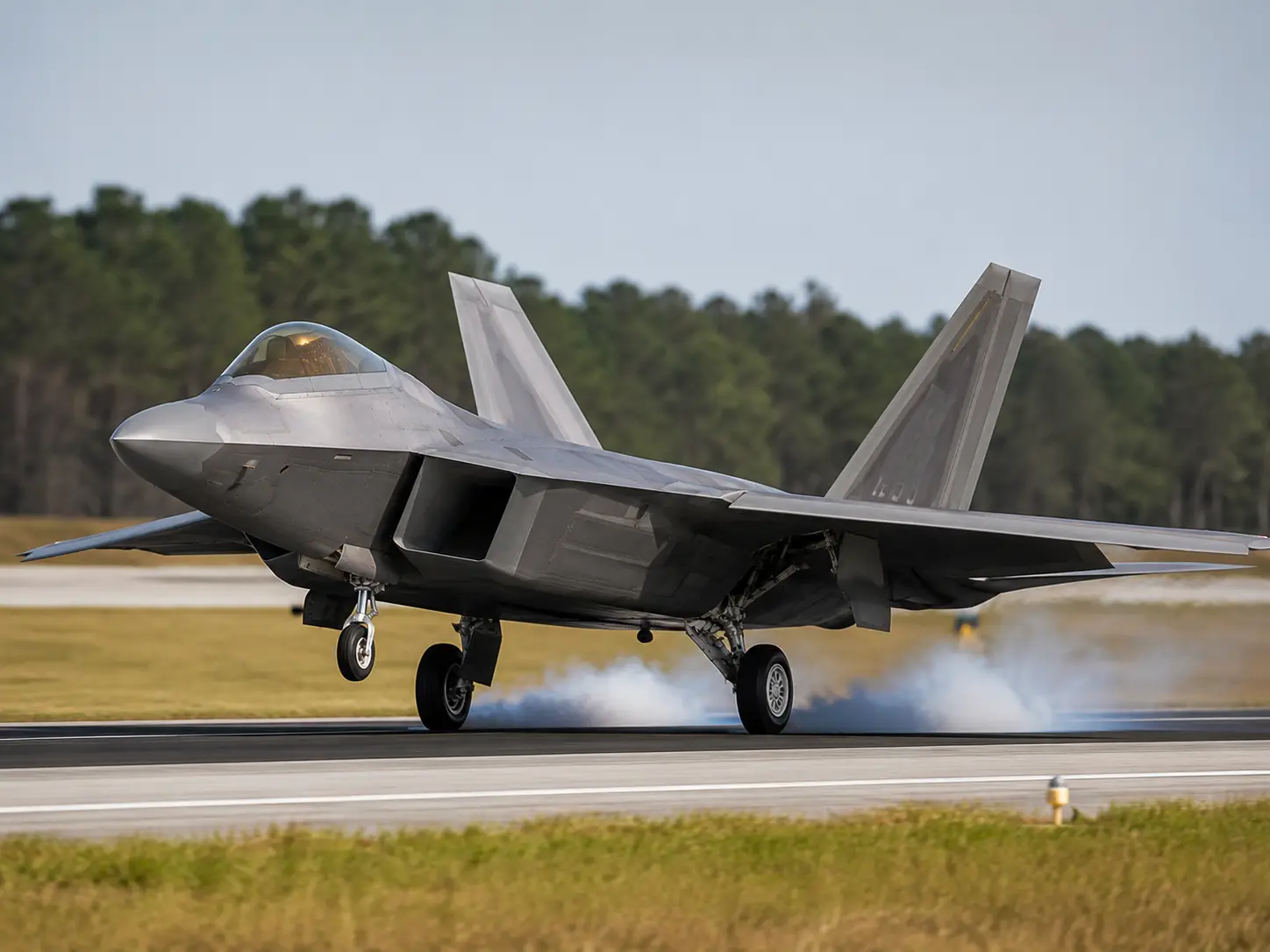
30% Aviation Energy Drain
Next-generation fighter jets operate like flying data centres, with up to 30 per cent of their generated subsystem electrical power dedicated solely to cooling systems. High-performance computing, advanced radars, and onboard electronics generate massive heat that must be continuously dispersed. If these thermal management systems fail, critical avionics shut down immediately.
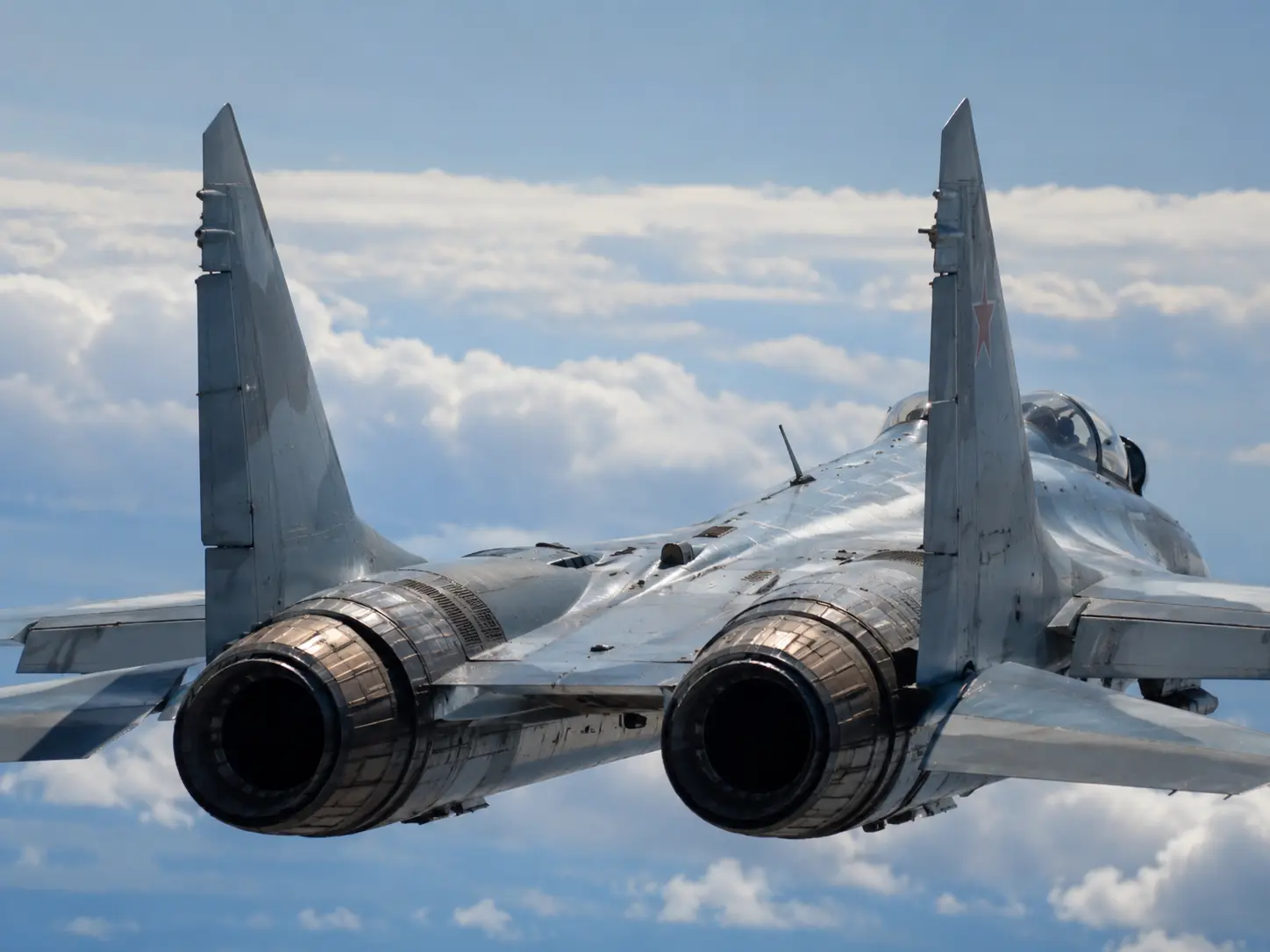
Supersonic Friction Danger
When military aircraft reach sustained supersonic speeds exceeding Mach 2, aerodynamic friction heats the exterior skin to extreme temperatures. This external heat merges with the internal engine load, severely limiting how long a jet can sustain top speeds. Engineers now treat the entire airframe as a thermal reservoir to absorb these massive temperature spikes.
100% Heat Sink Dependency
Fighter jets actively use their onboard aviation fuel as a primary liquid coolant to absorb heat from electronics before combustion. However, as a mission progresses and fuel tanks empty, the aircraft loses its main heat sink capacity. If the fuel absorbs too much thermal energy, it risks reaching a boiling point and becoming a severe internal fire hazard.
90% Infrared Detection Risk
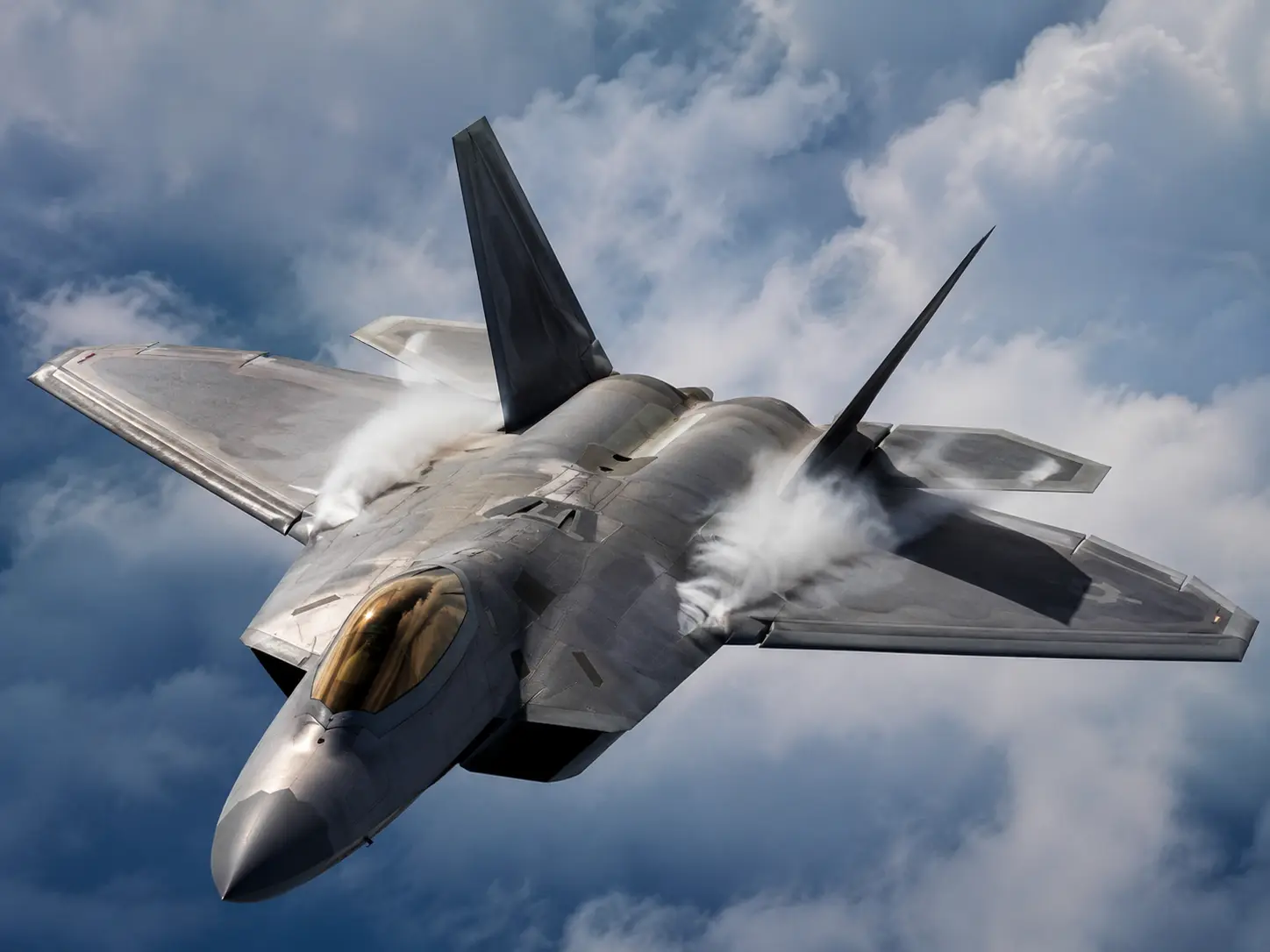
Uncontrolled engine heat is responsible for the vast majority of a fighter jet's infrared signature, making it a prime target for heat-seeking missiles. Advanced aircraft like the F-22 Raptor use flat, two-dimensional exhaust nozzles to spread and cool hot gases. Masking this thermal footprint is a highly critical defence mechanism for stealth survival in warfare.
)
)
)
)
)