Why the massive F-35 relies on only one engine instead of two

The F-35 uses a single F135 engine generating 43,000 lbs of thrust. This design saves weight, lowers maintenance costs, and frees up internal space for 18,000 lbs of fuel and stealth weapon bays.
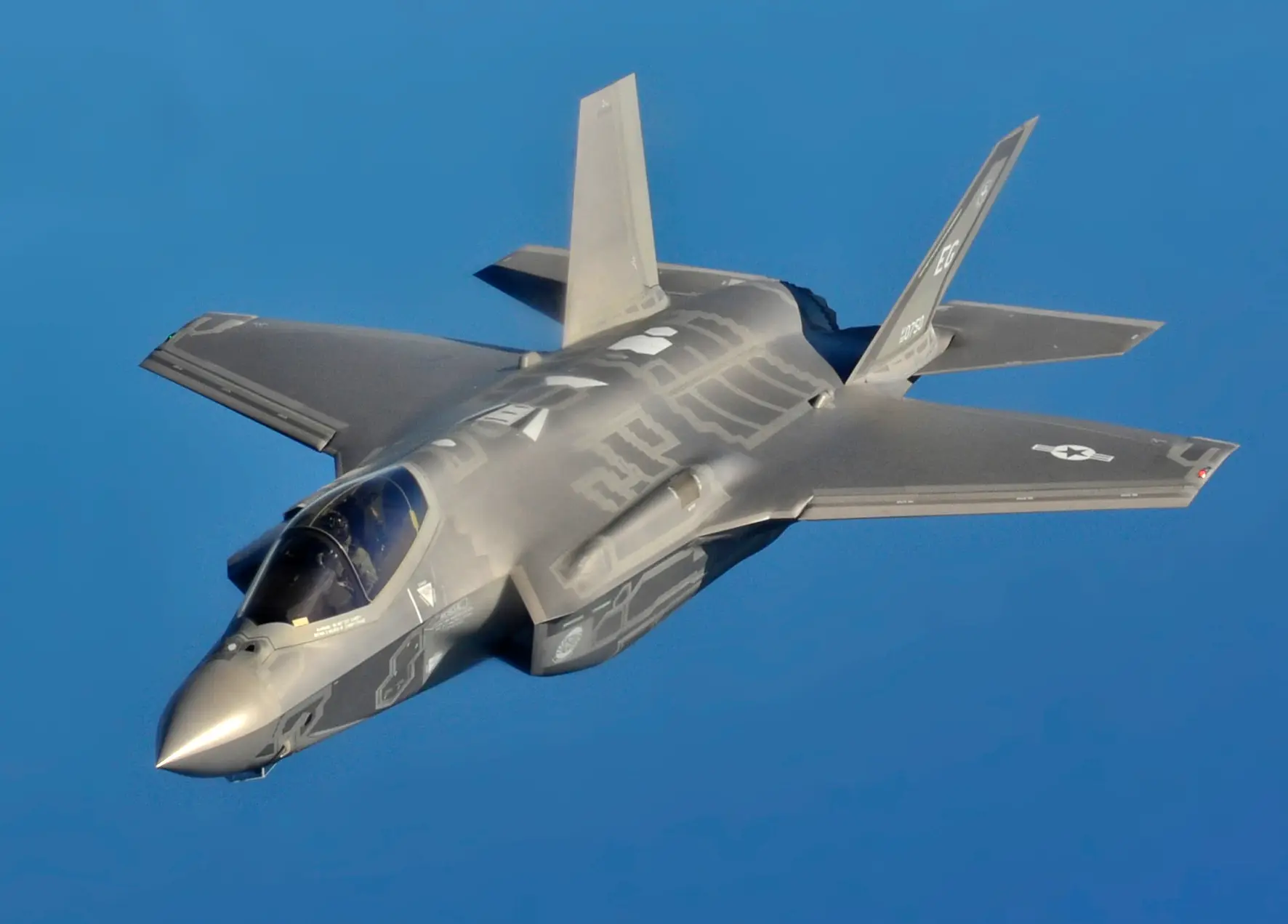
Generates 43,000 lbs Thrust
The F-35 is powered by a single Pratt & Whitney F135 turbofan engine, which is the leading fighter engine in service today. It generates 43,000 pounds of thrust when the afterburner is engaged. This thrust safely lifts the aircraft, eliminating the need for a second engine.
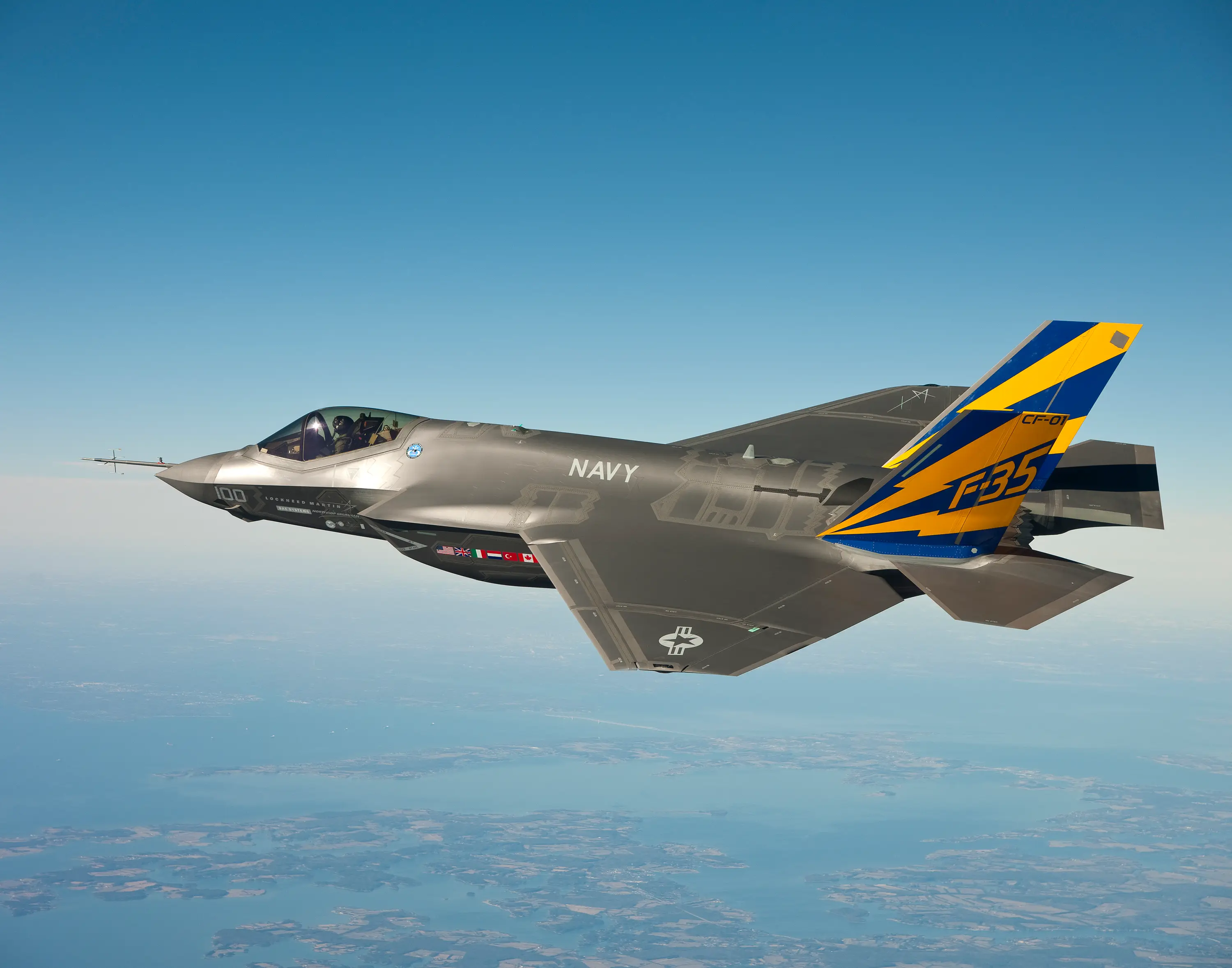
Saves 6,422 lbs Weight
Equipping the F-35 with two engines would have increased its overall dry weight by at least 6,422 pounds. A single engine keeps the aircraft lighter while removing the need for extra complex mechanical systems. This streamlined design cuts down manufacturing and long-term maintenance costs for air forces.
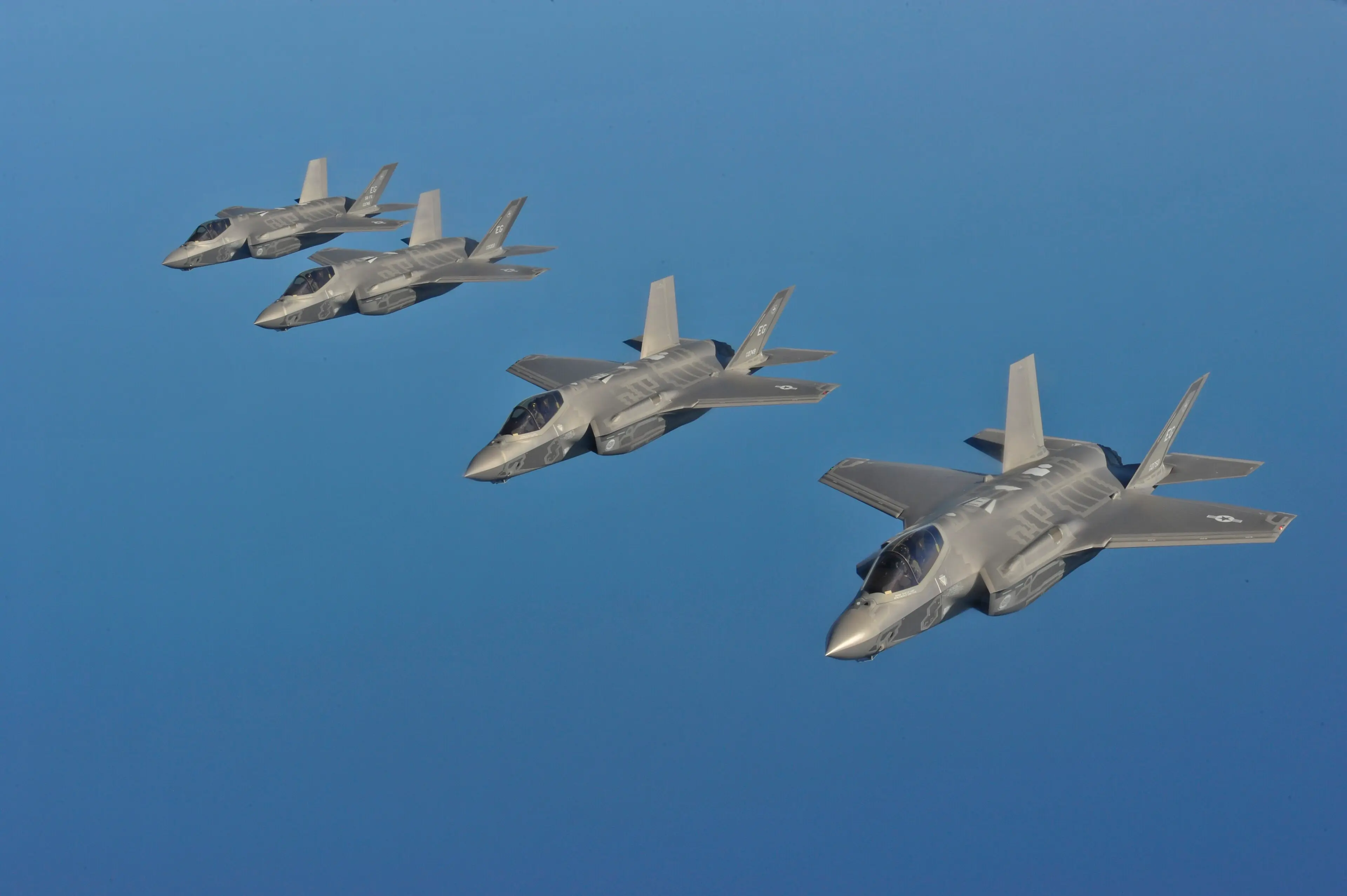
Holds 18,000 lbs Fuel
An advantage of using one engine is the freed-up internal volume within the aircraft fuselage. This extra space allows the F-35A variant to carry over 18,000 pounds of internal fuel. Without relying on external drop tanks, the jet maintains a clean profile and extends its combat range.
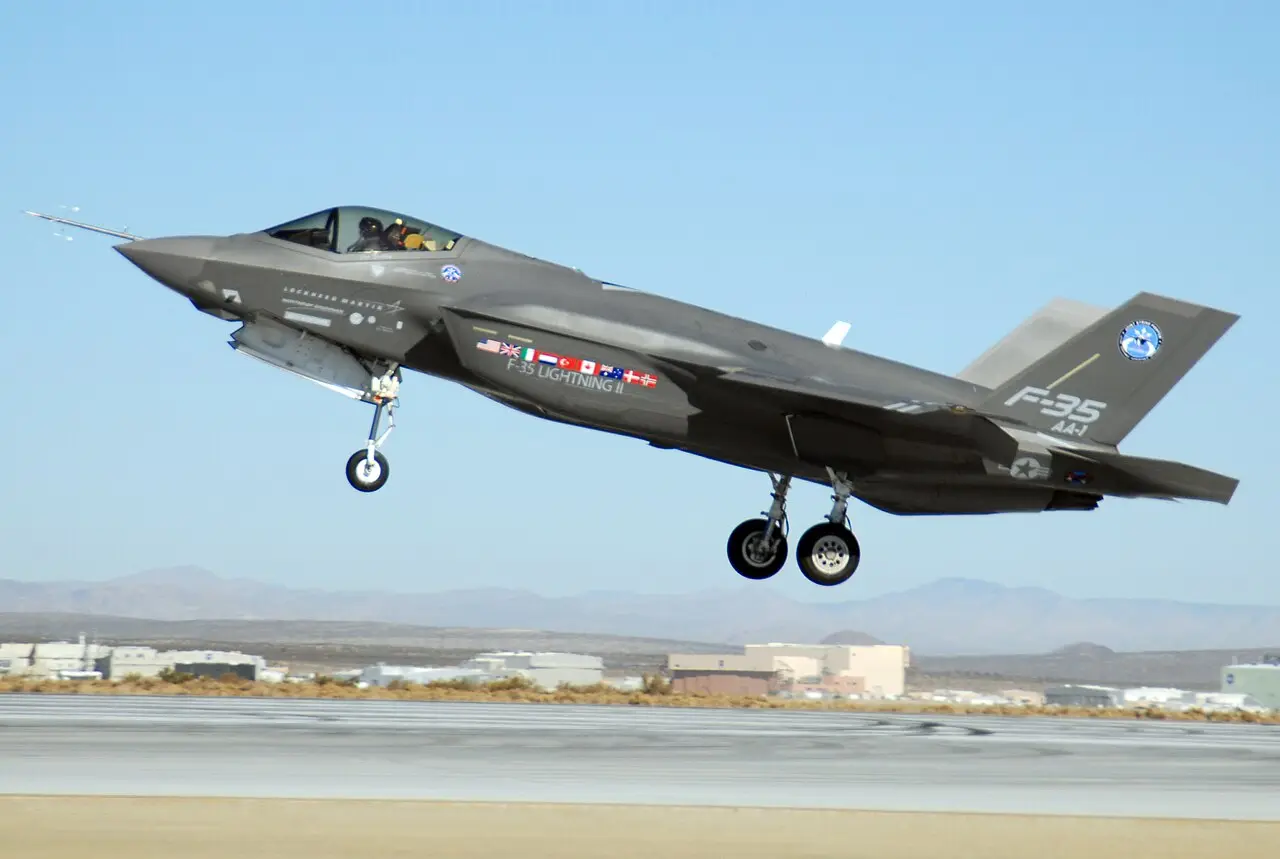
Packs 2 Weapon Bays
To maintain stealth, a fifth-generation fighter jet must carry its missiles and bombs hidden inside the aircraft. The single-engine layout provides the physical space for two internal weapon bays. This setup ensures the fighter's radar cross-section remains hidden from enemy air defence systems.
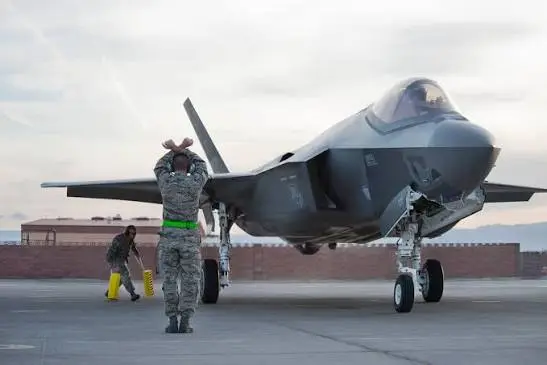
Hits 1.6 Mach Speed
Modern engineering has made single engines far more dependable than older generations of military fighter jets. The F135 engine offers a strong level of safety and reliability, powering the jet to top speeds of Mach 1.6. This efficiency makes a twin-engine setup largely unnecessary.
)
)
)
)
)