What is Iskander missile that Russia used to DESTROY Ukrainian forces deployment area in Nikolaev?

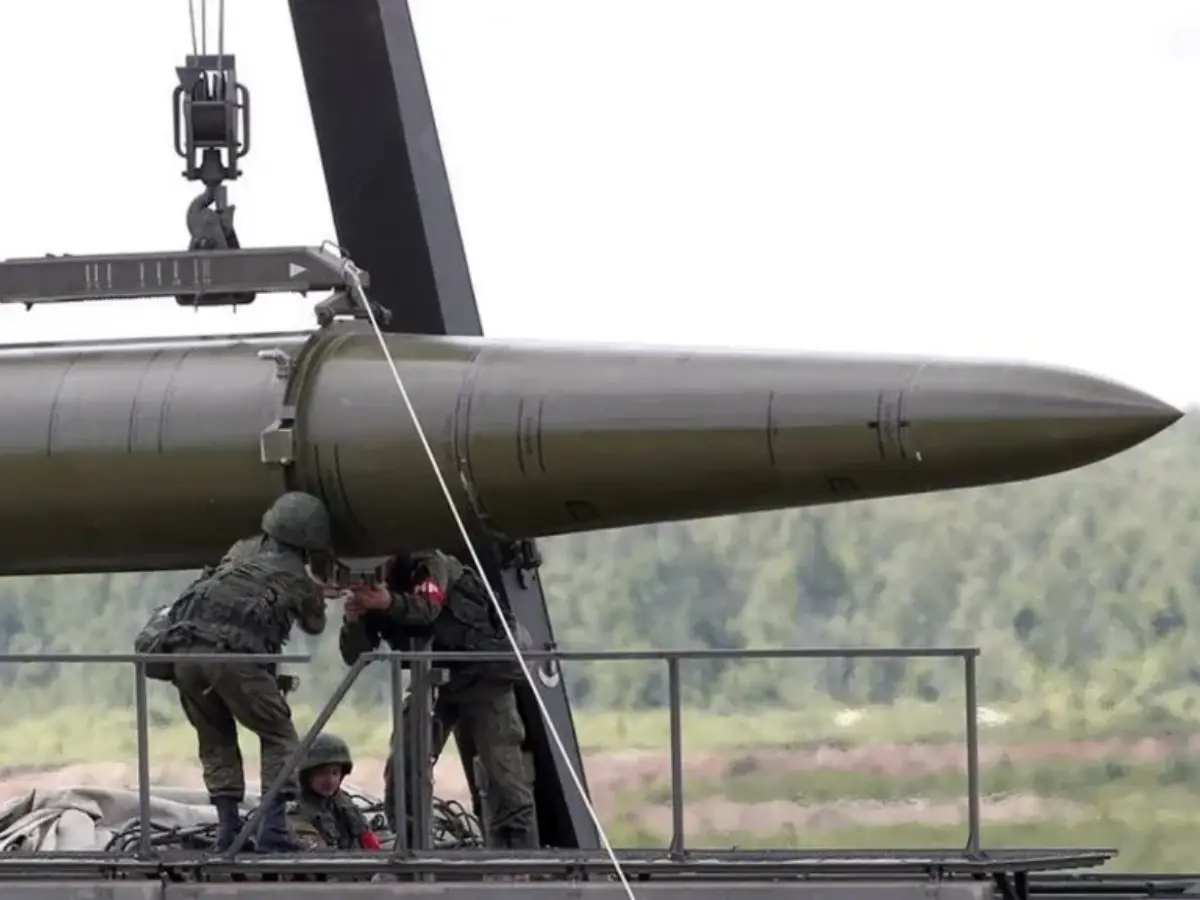
The Iskander missile, known by NATO as SS-26 Stone, is a Russian short-range tactical ballistic missile system. It has used it to destroy a Ukrainian temporary deployment point in the Nikolaev region, located in southern Ukraine.

Russia uses Iskander missile in Ukraine: What is it, how many such missiles Russia has and its effectiveness
The Iskander missile, known by NATO as SS-26 Stone, is a Russian short-range tactical ballistic missile system. Here's all about it
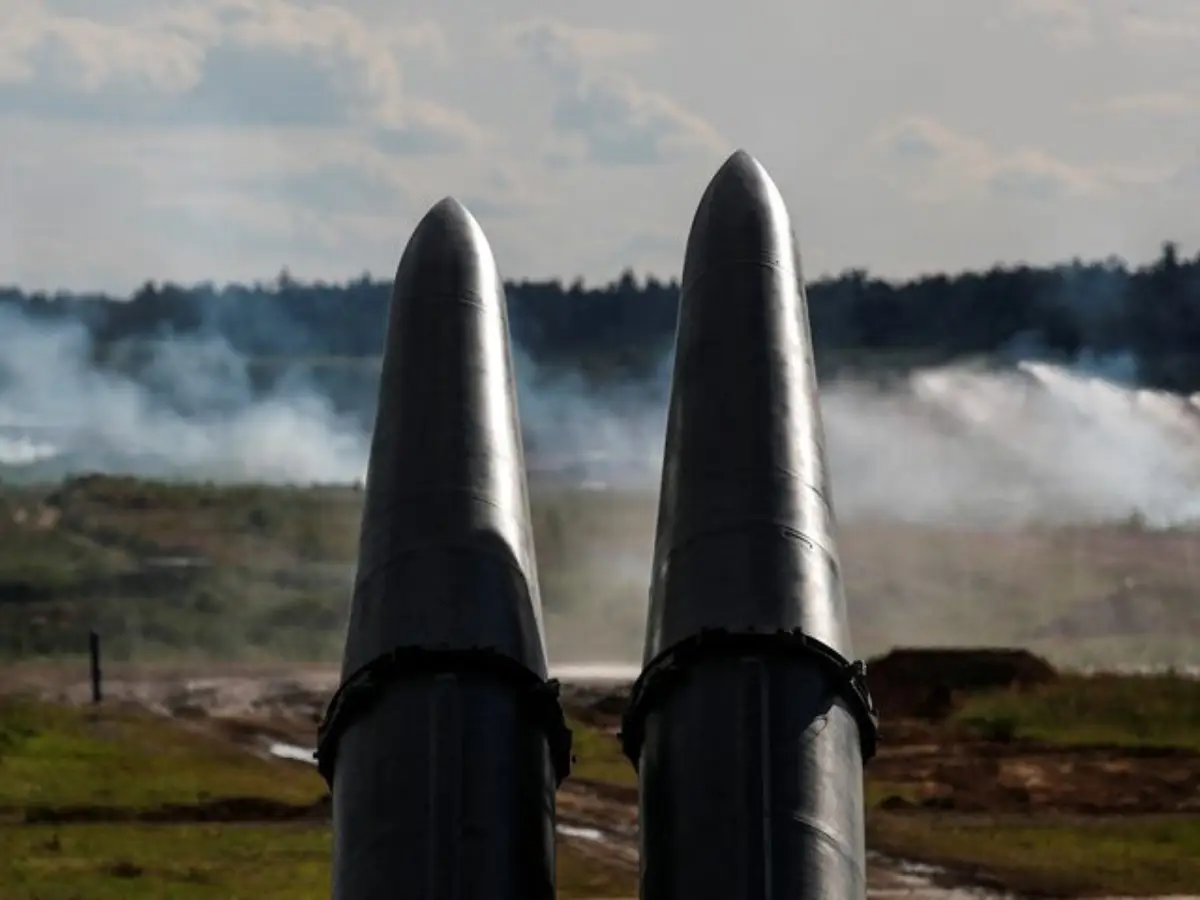
What is Iskander missile
The Iskander is a Russian short-range ballistic missile system, designed to strike with high precision. Introduced in 2006, it can carry warheads weighing up to 700 kilograms and has a range of about 500 kilometers. Its speed reaches up to Mach 6 or 7, making it extremely fast and difficult to intercept.
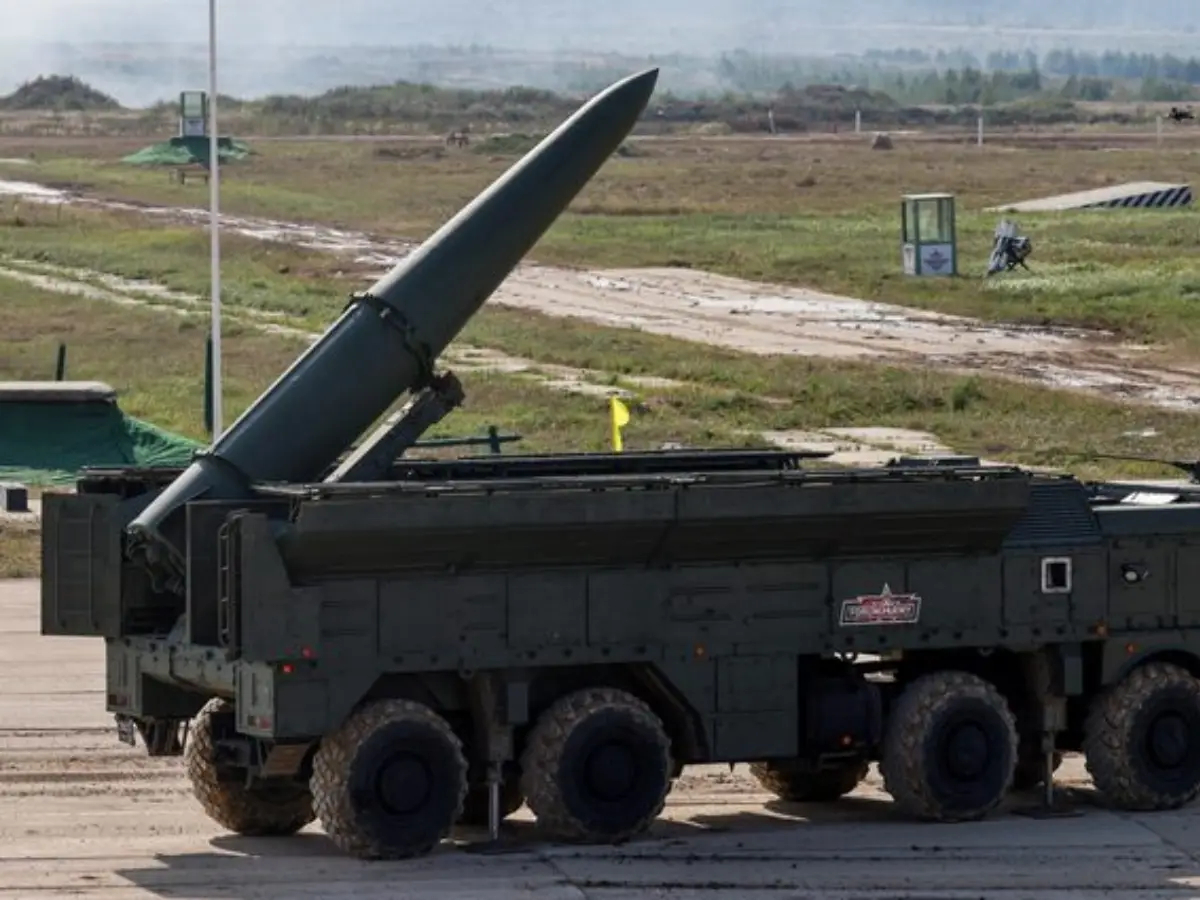
Why is it effective?
As per multiple reports, the missile follows a “quasi-ballistic trajectory,” allowing it to maneuver mid-flight and evade missile defense systems. It uses multiple guidance methods including inertial navigation and optical targeting to hit its mark with an accuracy of 5 to 7 meters. It also deploys decoys and electronic jamming to confuse enemy radars.
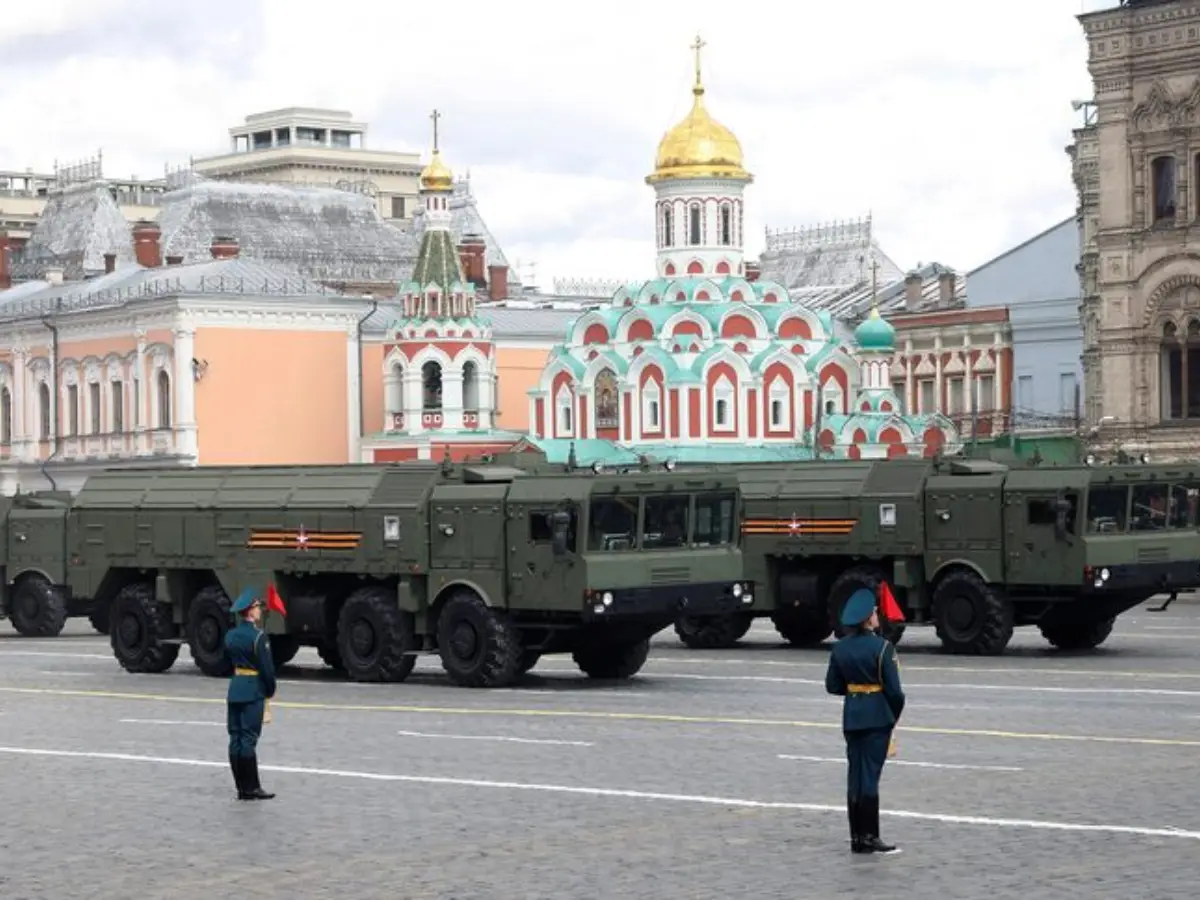
How Many Iskander Missiles Does Russia Have?
Exact numbers remain classified, but defense analysts estimate Russia operates around 100 to 120 Iskander launchers across multiple military districts. Each launcher can carry two missiles ready to fire, and the country maintains a stockpile allowing for sustained missile strikes.
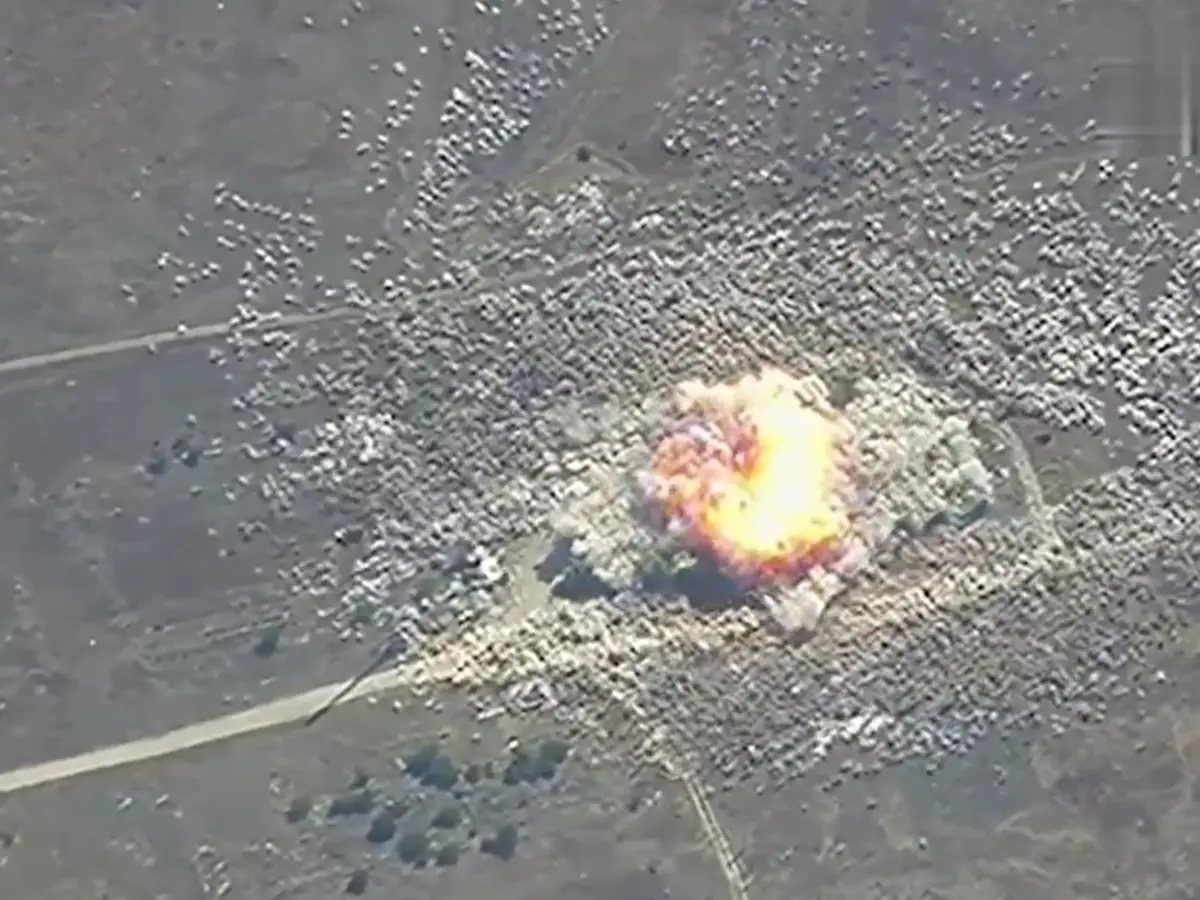
How Russia used it to destroy Ukrainian temporary deployment point
The Russia’s Ministry of Defence has released a video on Thursday (July 11) capturing the moment a ballistic missile from the Iskander system destroyed a Ukrainian temporary deployment point in the Nikolaev region, located in southern Ukraine.
Where Else Has Russia Used the Iskander Missile?
The Iskander missile has seen deployment in several conflicts beyond Ukraine. It was first publicly showcased during Russia’s operations in Georgia in 2008, where it was used to target strategic positions. More recently, Russia has deployed Iskander systems in the Syrian conflict, using them to strike rebel-held areas with high precision. Reports also suggest Russia positions Iskanders in the Kaliningrad exclave as a deterrent against NATO forces in Europe.
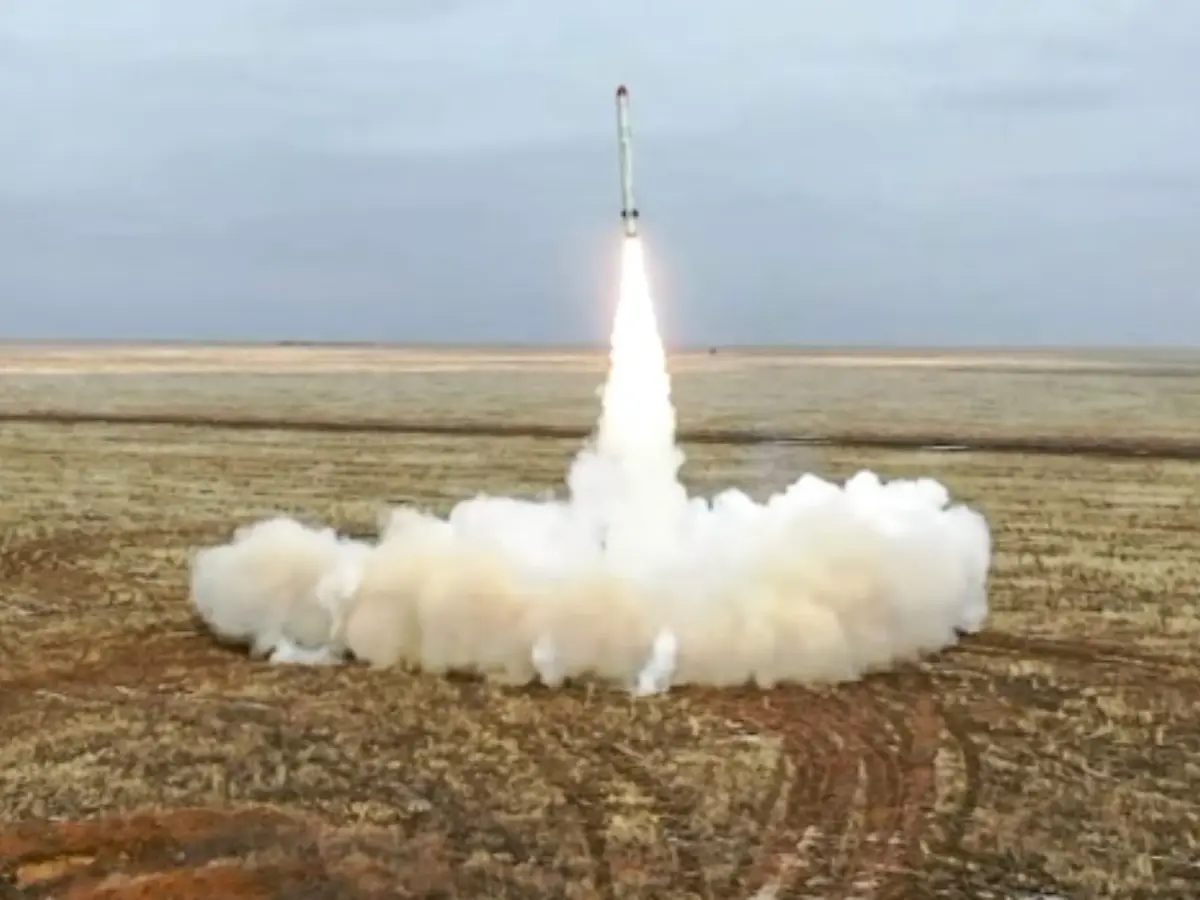
Iskander missile’s NATO nickname is SS-26 Stone
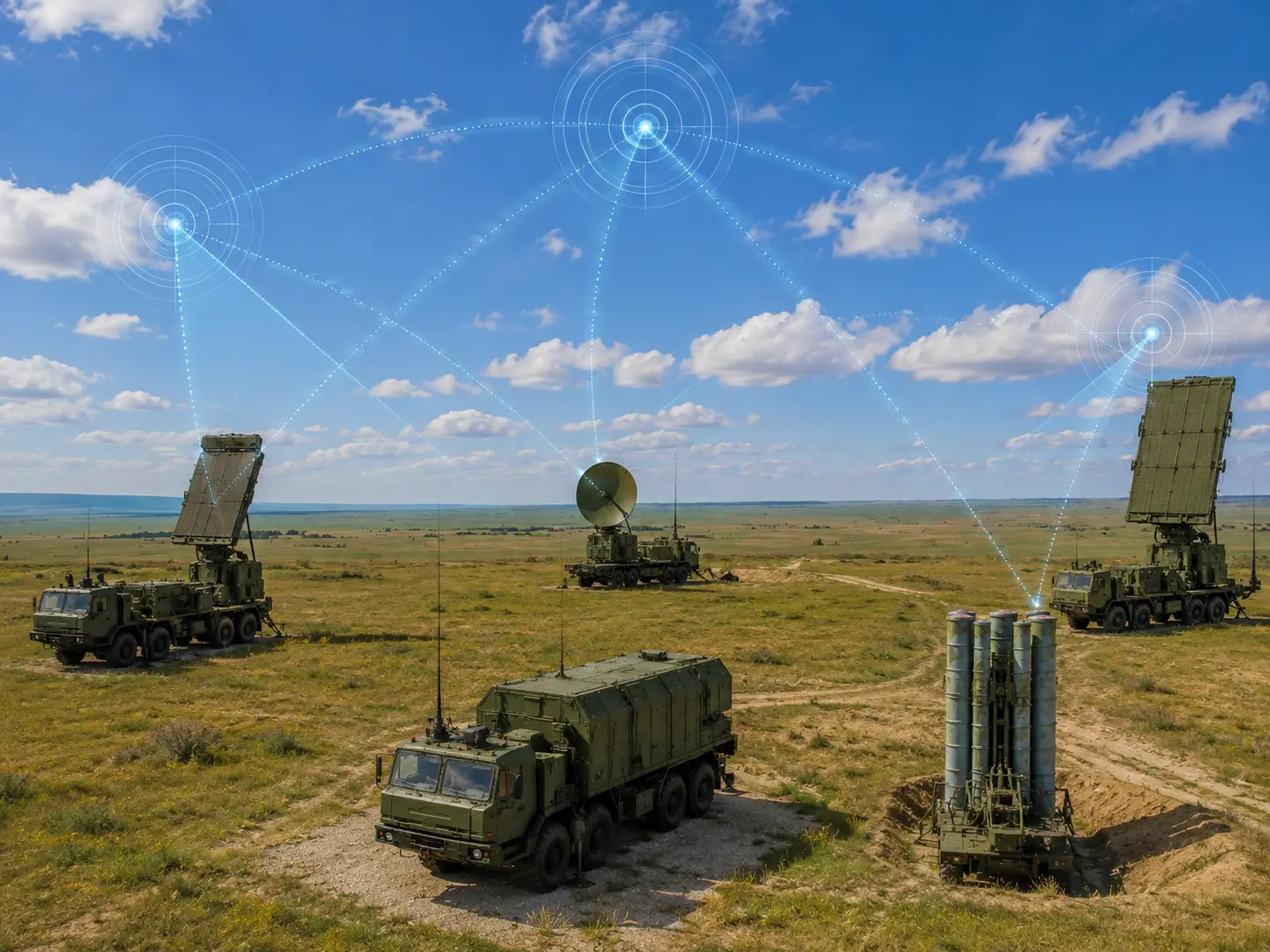
The Iskander combines hypersonic speed, precision targeting, counter‑defence decoys, and rapid mobile deployment—making it a formidable threat to Ukraine’s coastal and military infrastructure.
)
)
)
)
)