IEA warns of 'demand destruction' as oil becomes unaffordable amid Strait of Hormuz blockade

The International Energy Agency has warned that high oil prices could lead to a fall in global demand. Unaffordability is likely to push countries to look for alternatives to oil, as the IEA forecasted a major fall in the figures it projected earlier this year.
Demand for crude could fall, International Energy Agency warns
The Iran War has led to the "most severe oil supply shock in history," the International Energy Agency (IEA) said in a new report on Tuesday. Oil prices have skyrocketed since the conflict began, and the body has warned that high prices would slash demand for crude. This will be a major blow to the global economy as it heavily depends on crude.
Countries could turn to finding alternatives of oil
Oil prices registered their largest one-month gain ever in March, the IEA said. In a report, the Paris-based group warned that this could trigger a widespread bout of “demand destruction" as the US blocks the Strait of Hormuz now. If this happens, oil will become unaffordable for many buyers, which will push them to turn to finding alternatives or stop the use of energy altogether.
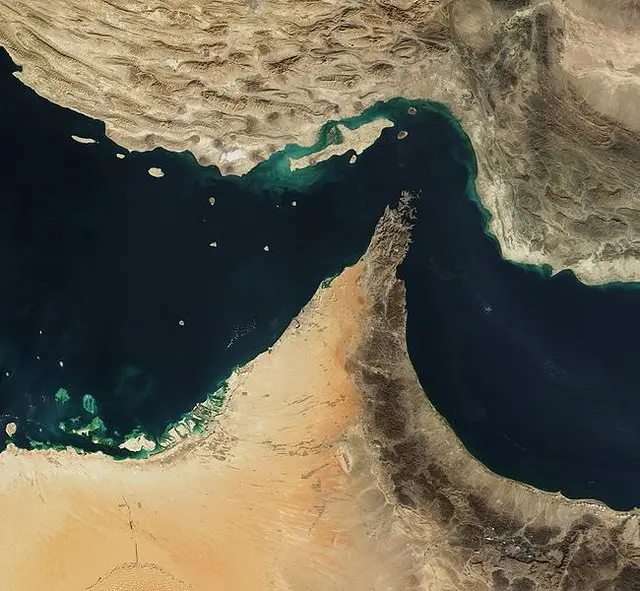
Strait of Hormuz blockade and oil prices
Oil prices have been largely affected by the closure of the Strait of Hormuz after the US and Israel attacked Iran. The waterway facilitates the transport of about one-fifth of the global supply of oil and natural gas. After high-level peace talks between Iran and the US broke down, America imposed a naval blockade of the Strait of Hormuz on Monday, April 13. With this move, Donald Trump is trying to cripple Iran's economy.
Oil demand could fall to 80,000 barrels per day
The IEA report warns that oil demand could fall to 80,000 barrels per day this year in the current scenario. The group's previous monthly report had forecasted a year-over-year growth of 640,000 bpd, and the latest figures suggest a sharp fall. "Demand destruction will spread as scarcity and higher prices persist," IEA said.
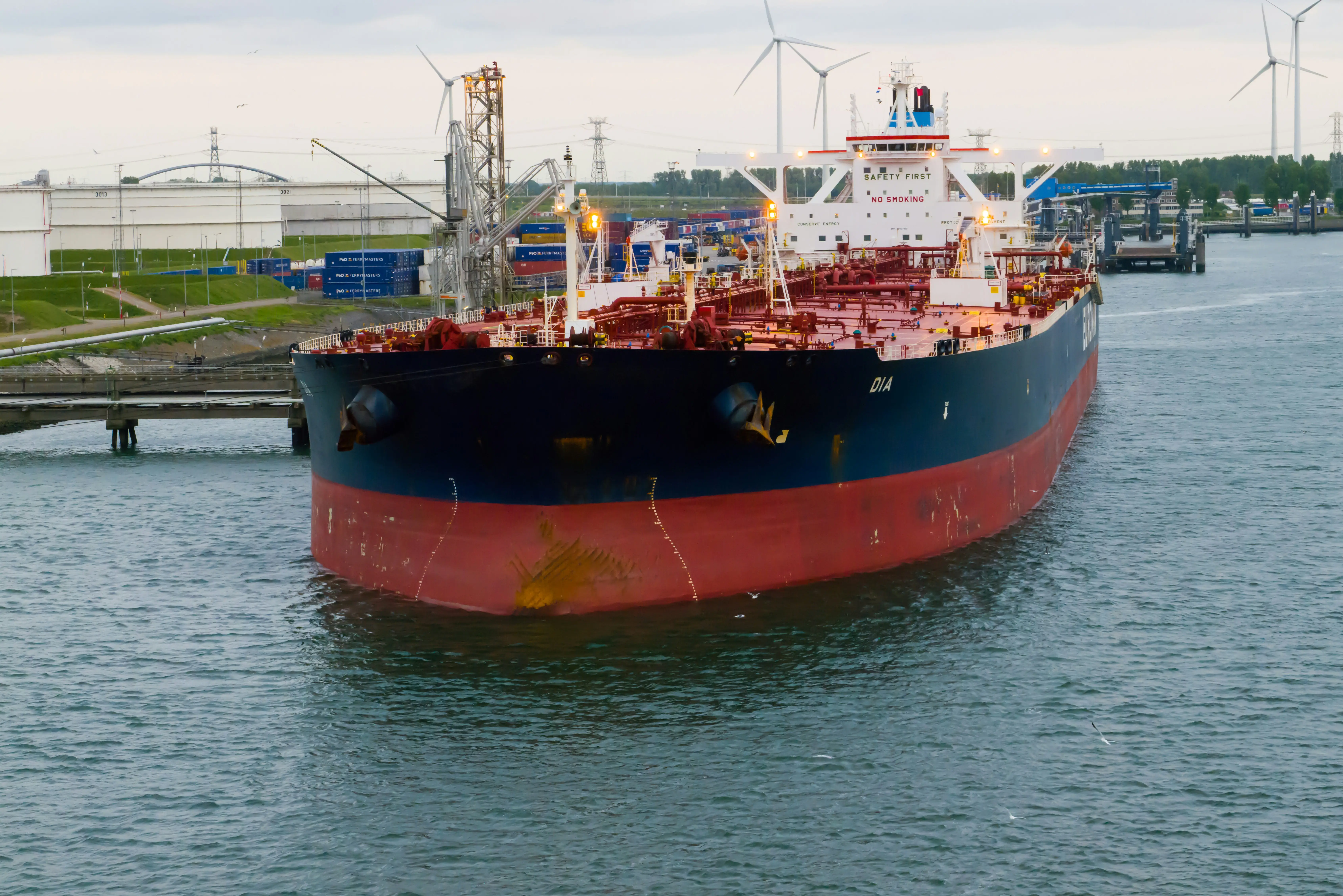
Oil prices this week
Meanwhile, oil prices registered a fall of about 6 per cent on Tuesday as traders seem hopeful of a peaceful negotiation of the Iran conflict. West Texas Intermediate (WTI) futures, the U.S. trading standard, were priced at approximately $88–$92 per barrel as of mid-April 2026. While this is less than the surge of $117 earlier in the month, oil remains roughly 37% higher than its pre-war baseline.
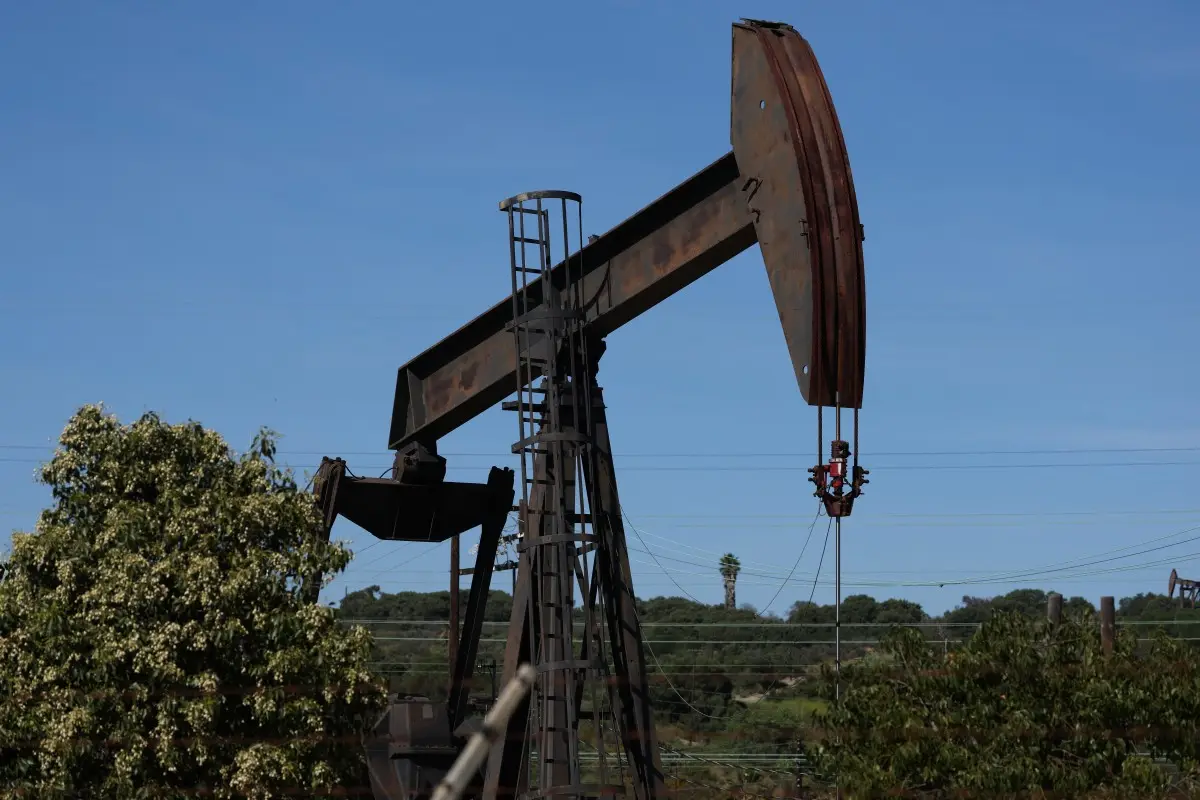
IEA members to release emergency oil reserves
In March, the IEA said its member nations would release 400 million barrels of oil from their emergency reserves. This would be the largest oil release in the group's history that comprises 32 member nations, including the United States. "The conflict in the Middle East is having significant impacts on global oil and gas markets with major implications for energy security, energy affordability and the global economy," Faithe Birol, executive director of the IEA, said last month.
)
)
)
)
)