Rich Starry, Chinese-linked tanker that passed Strait of Hormuz, makes a U-turn

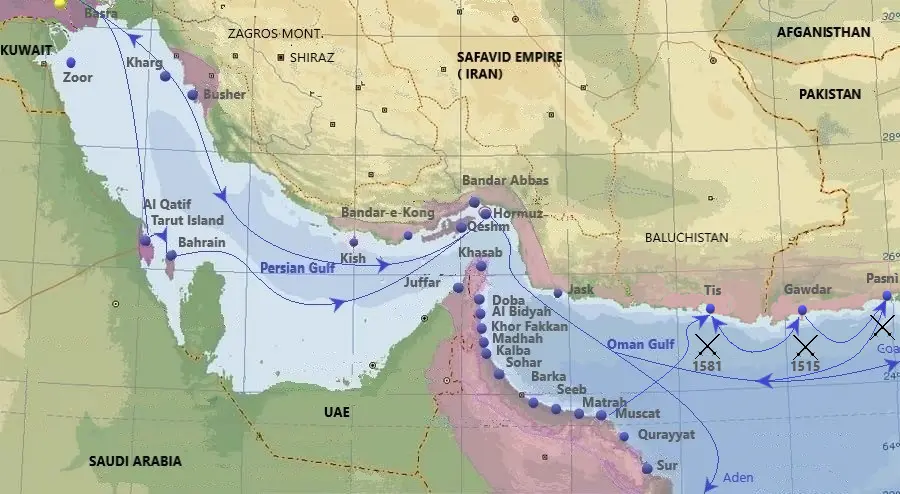
Rich Starry, the sanctioned Chinese-linked tanker, which passed the Strait of Hormuz following the US blockade, has reportedly turned around and is moving back to the Persian Gulf. Another tanker, Elpis, is said to have stopped at an Iranian port.
China-linked vessel, Rich Starry, turns around
The sanctioned, China-linked tanker Rich Starry, which recently challenged the US naval blockade of the Strait of Hormuz, has reportedly made an abrupt U-turn and is now heading back into the Persian Gulf. The medium-range tanker owned by Shanghai Xuanrun Shipping Company, carrying approximately 250,000 barrels of methanol, is the first known vessel to exit the Persian Gulf since the US blockade officially began.
Rich Starry was blacklisted in 2023
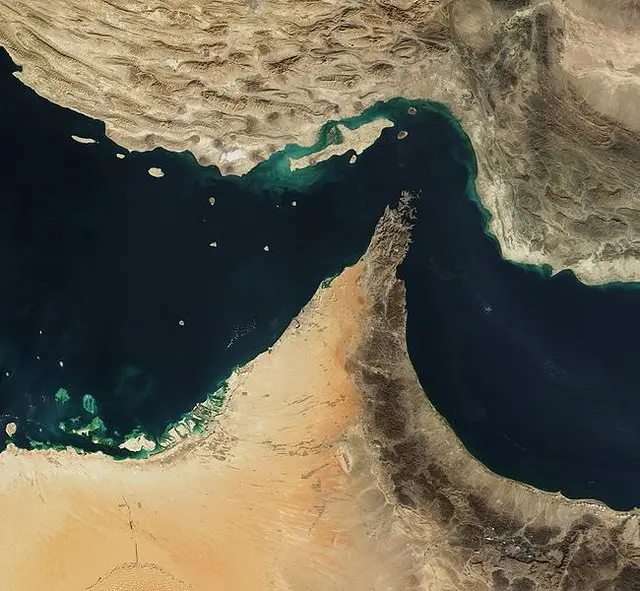
Vessel-tracking data compiled by Bloomberg shows that the tanker Rich Starry transited Hormuz but turned around later in the Gulf of Oman. It was blacklisted by Washington in 2023 for involvement in trade linked to Iran. The ship had previously operated under the name Full Star. As the ship passed through, shipowners, energy traders and financial market investors were left wondering how the latest US measures against Tehran will be enforced, and its effects on oil flow.
Rich Starry listed destination as “for orders"
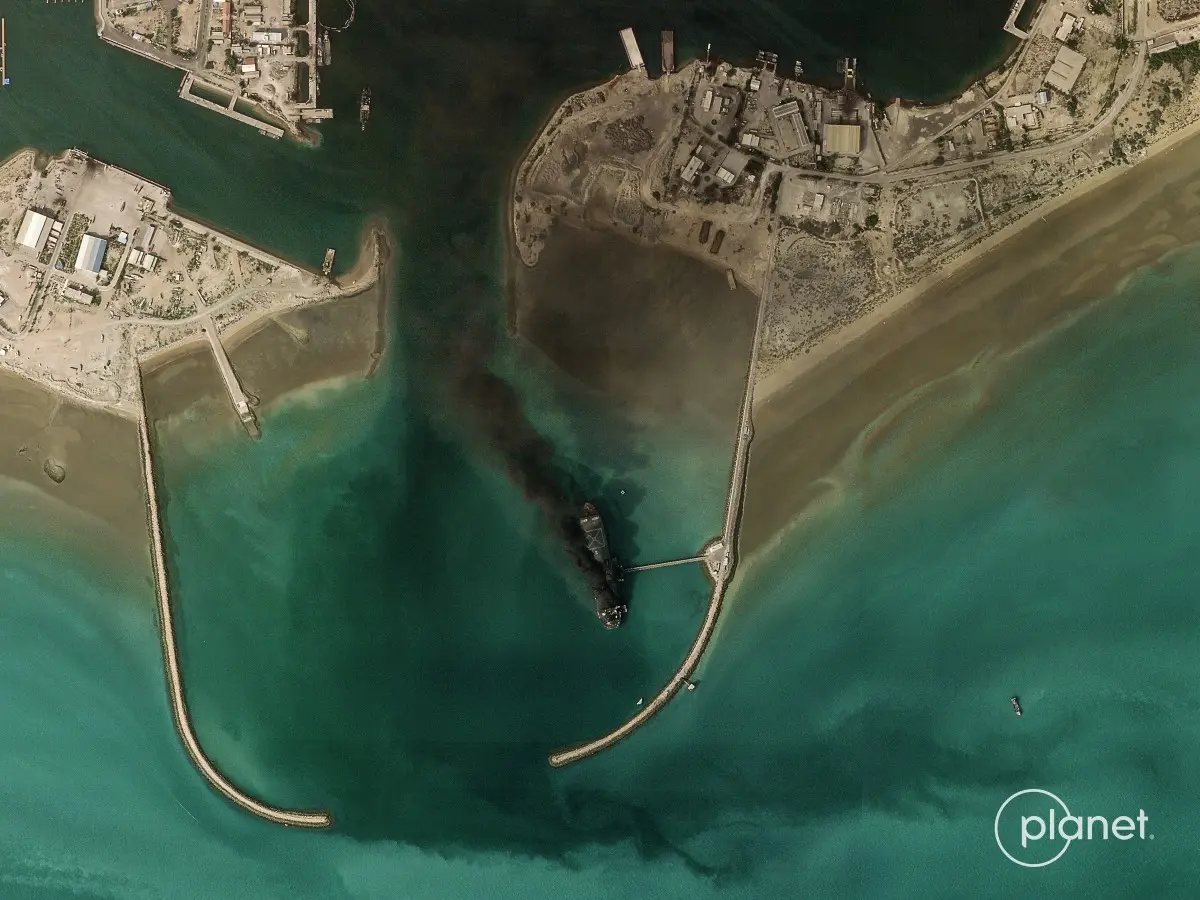
The tanker did not reverse for the first time. On Monday, it initially appeared to make a U-turn near Hormuz, but went on with the journey hours later. Following its latest turn, the tanker listed its destination as “for orders.” There were other signals previously, and referenced the Omani port of Sohar, Chinese ownership and crew, and again “for orders.”
US blockade of Strait of Hormuz aims to cut off funding for its military operations
Notably, the United States has positioned its navy in the Gulf of Oman and the Arabian Sea to intercept Iranian vessels trying to leave the Persian Gulf. The move is aimed at crippling Iran's economy by halting its ability to export crude oil and refined products. By blocking these shipments, the US aims to deprive the Iranian government of the funds used to finance its military operations and regional proxies.
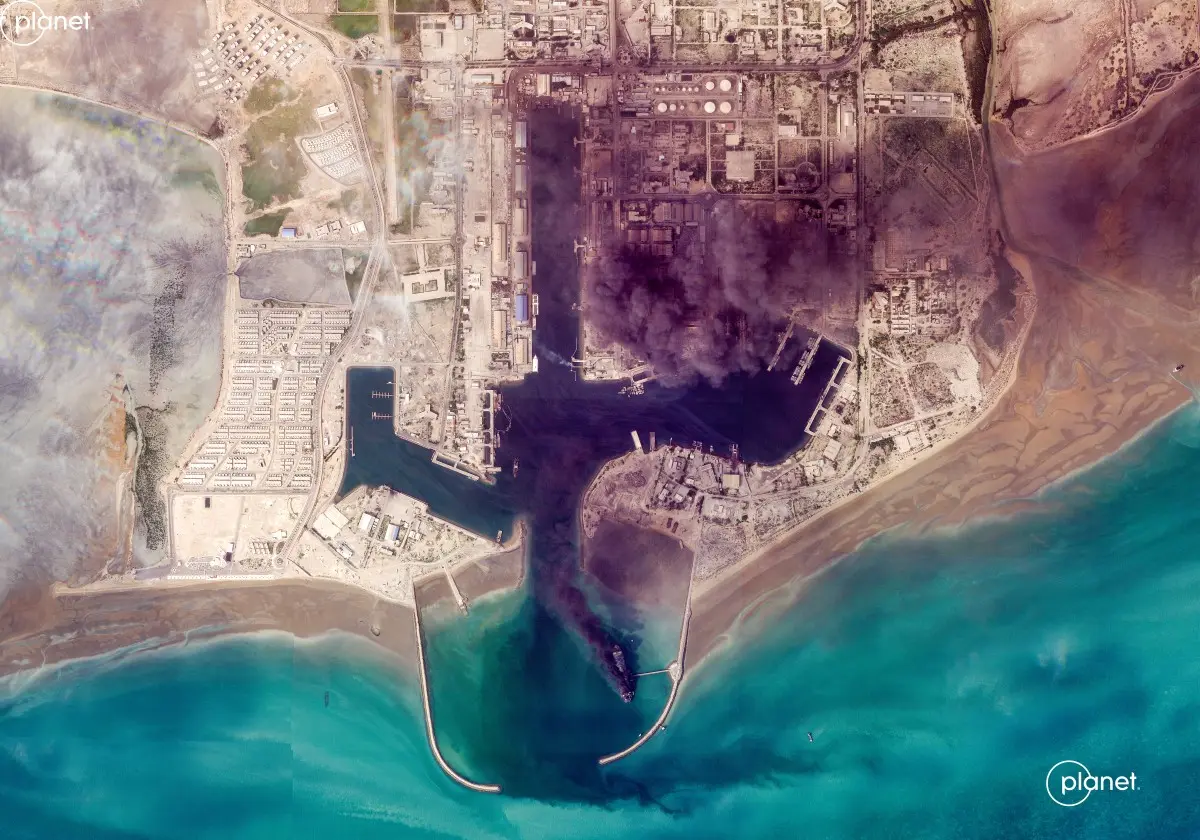
Tanker Elpis stopped at the Iranian coast
Another tanker, Elpis, was also moving after the blockade began. It entered the Gulf of Oman and stopped at the Iranian coast. Data from ship-tracking platforms Kpler and Vortexa indicate that Elpis docked at an Iranian port and attempted another passage later. It is potentially a target for US naval patrols.
US says transit tolls paid to Iran are illegal
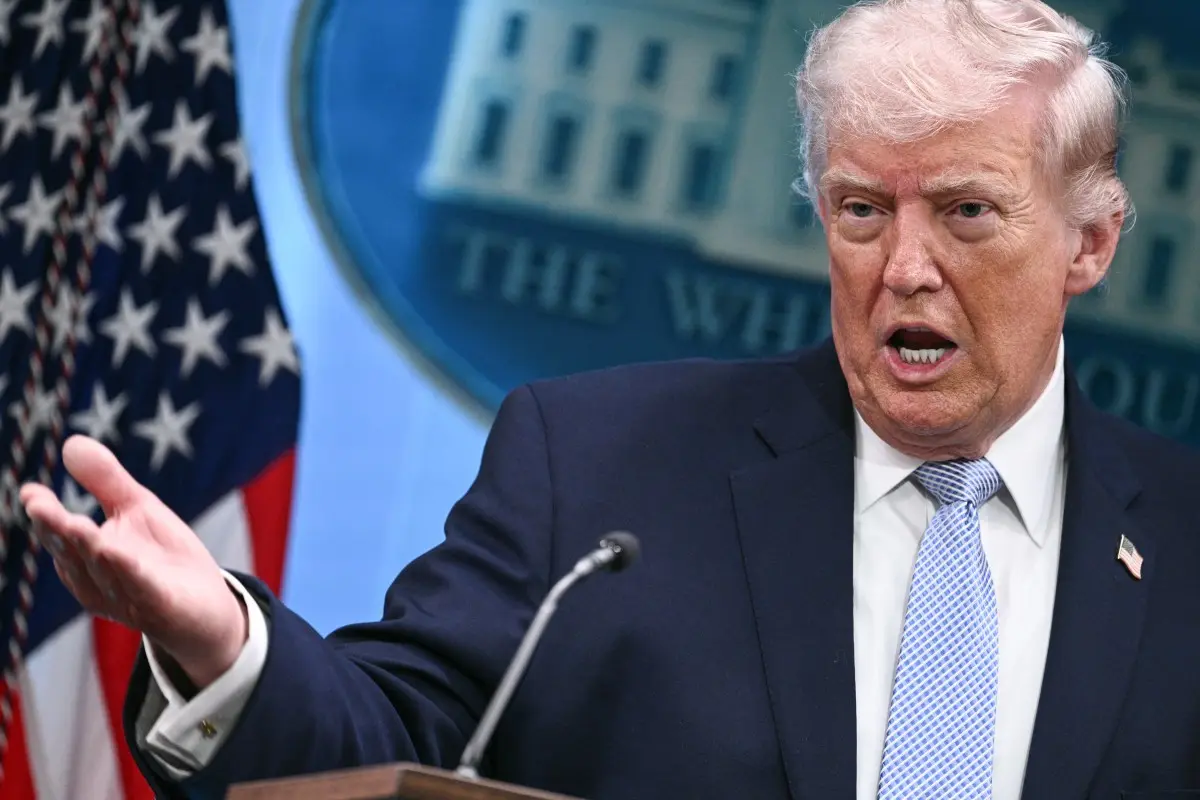
The US blockade of the Strait of Hormuz serves as a coercive measure to get Tehran back to the negotiating table and get it to enter a deal for a more restrictive nuclear agreement. The blockade specifically targets ships that are paying the Iranian regime for use of the waterway. The US has declared that transit tolls paid to Iran for passage through the Strait are illegal.
Iran crisis could lead to slump in oil demand
The International Energy Agency (IEA) warned of a huge fall in demand for oil amid the Hormuz blockade. The body said that as oil prices rise, it is becoming unaffordable for several countries, which will soon be forced to look for alternatives. It said Iran had created the "most severe oil supply shock in history."
)
)
)
)
)