How the Su-30MKI performs the gravity-defying Cobra manoeuvre

The Su-30MKI performs the Cobra manoeuvre by pitching its nose up to 120 degrees. It uses AL-31FP thrust-vectoring engines and canards to brake suddenly and shed speed without stalling.
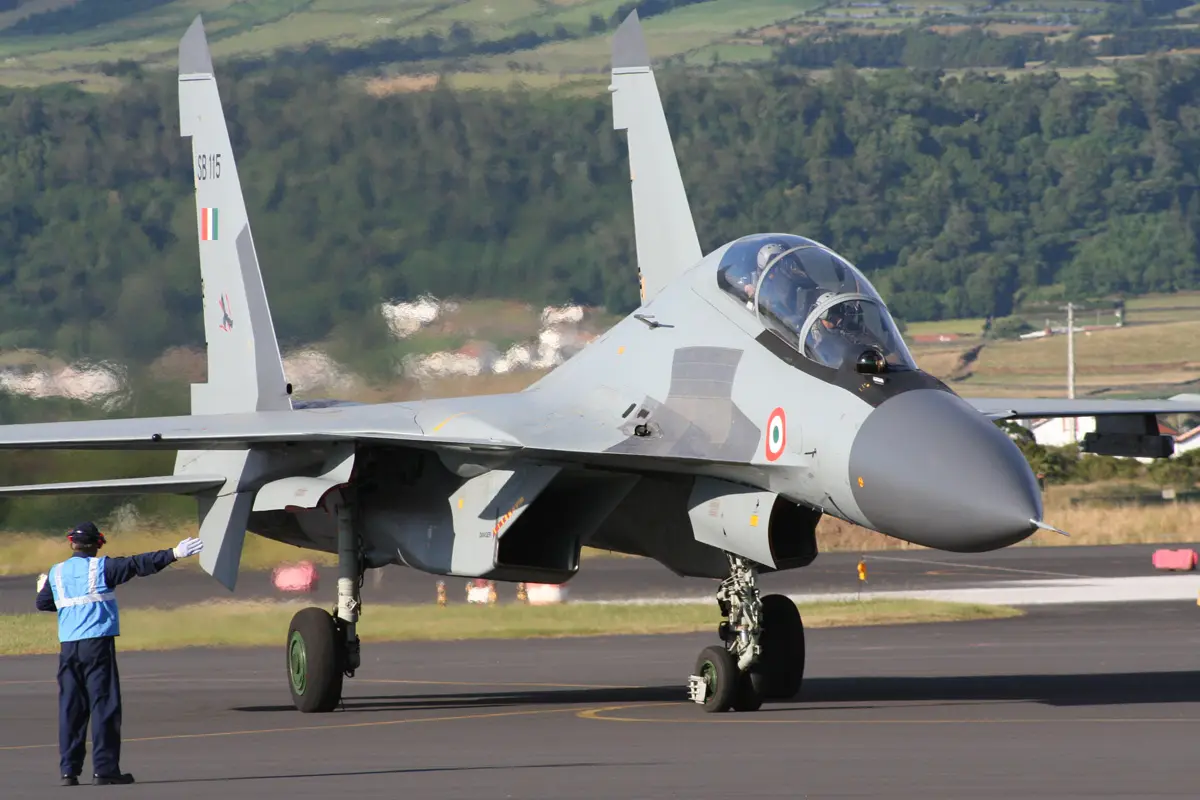
400 kmph Entry Speed
To initiate the Pugachev Cobra, the pilot enters level flight at an optimal speed of roughly 400 to 450 kilometres per hour. The pilot actively disables the electronic angle of attack limiters. This allows them to pull the control stick back sharply, forcing the aircraft to pitch up abruptly.
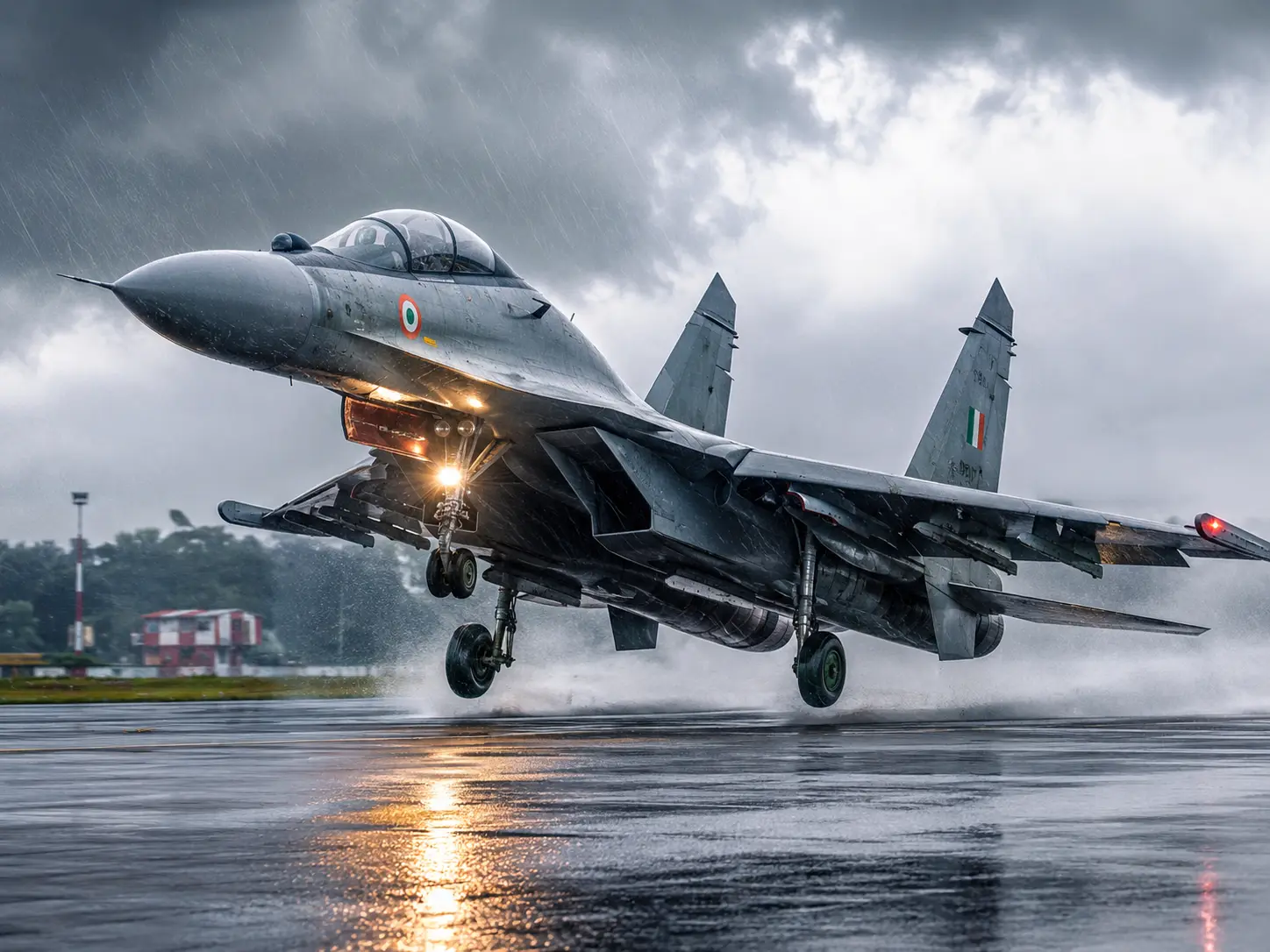
Pitching Past 110 Degrees
Within a matter of seconds, the nose rises past vertical to an extreme angle of attack between 110 and 120 degrees. The entire underside of the fuselage faces the oncoming airflow, creating massive aerodynamic drag. This acts as an enormous airbrake, reducing airspeed by 50 per cent instantly.
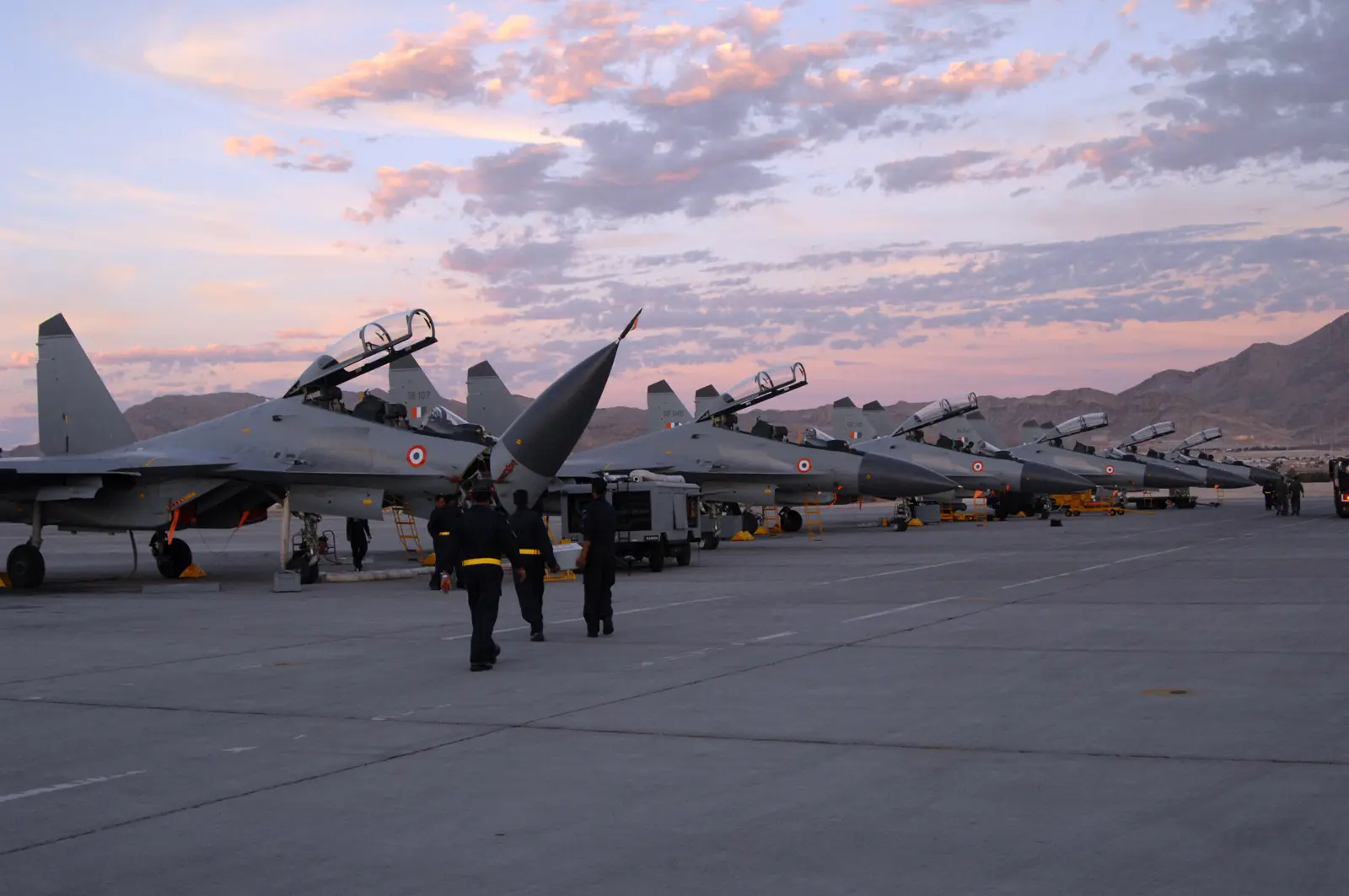
AL-31FP Thrust Vectoring
To perform this move without stalling, the Su-30MKI relies on twin AL-31FP turbofan engines. These engines feature two-dimensional thrust-vectoring nozzles that deflect exhaust dynamically. This provides powerful pitch moments that keep the heavy fighter stable even when normal aerodynamic control surfaces lose their grip.
Foreplane Canard Stability
The Indian Air Force version features small extra wings near the cockpit known as foreplane canards. These canards work perfectly alongside the thrust-vectoring nozzles to generate intense vortex lift over the main wings. This unique combination ensures total stability during extreme angles of attack and grants supermanoeuvrability.
Level Flight In Seconds
The entire manoeuvre concludes in roughly 4 to 5 seconds as the pilot pushes the stick forward and throttles up. Engine thrust actively drives the nose back down into horizontal alignment. This restores standard forward momentum and completes a controlled recovery without entering an uncontrolled stall.
)
)
)
)
)