How loud is an S-400 launch from one kilometre away?

The S-400 uses a cold gas ejection followed by a violently loud mid-air solid-rocket ignition. Unlike the sustained 195-decibel roar of space rockets, it creates a brief, ear-shattering crack. Because the missile flies at Mach 14, it outruns sound.
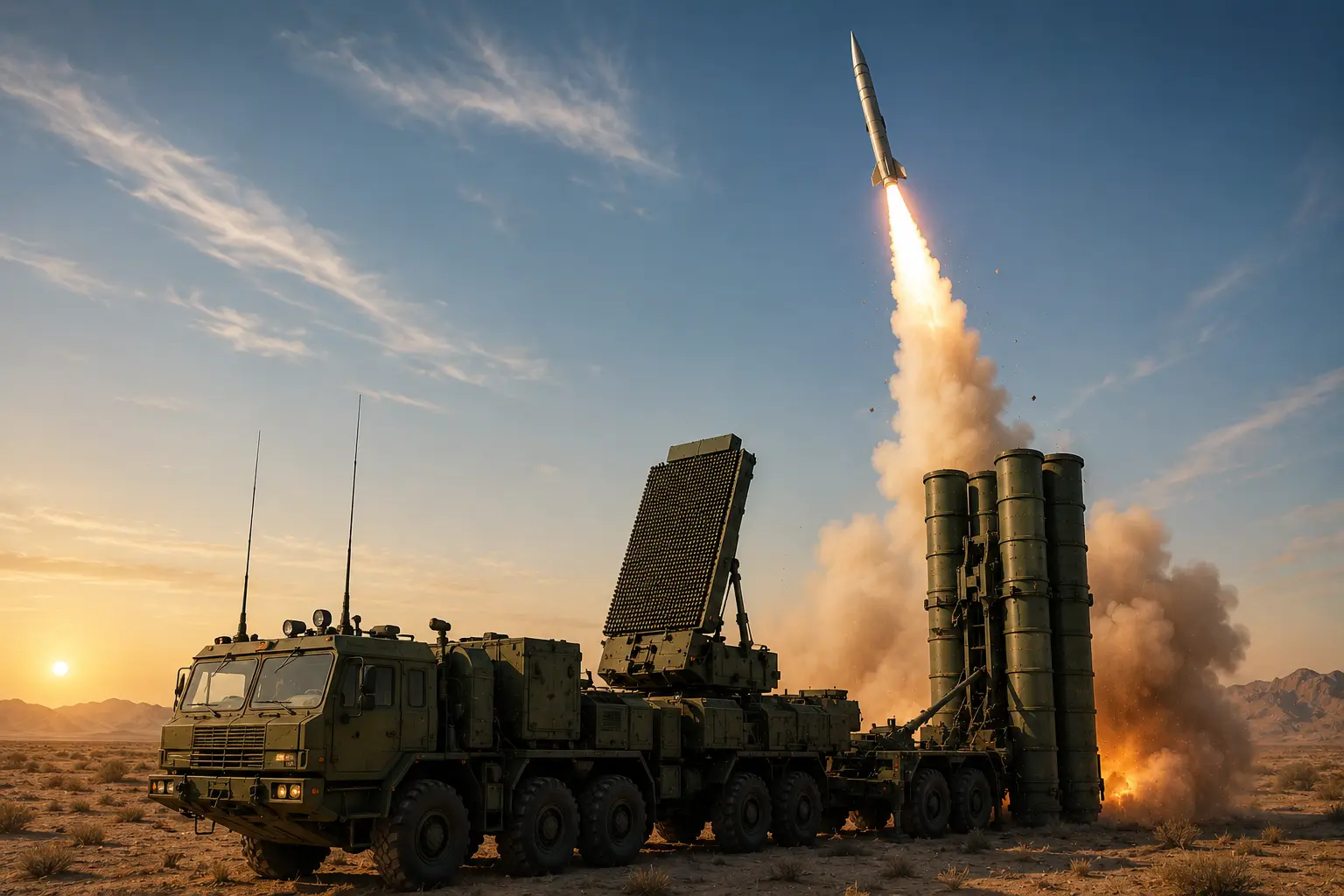
The Cold Ejection
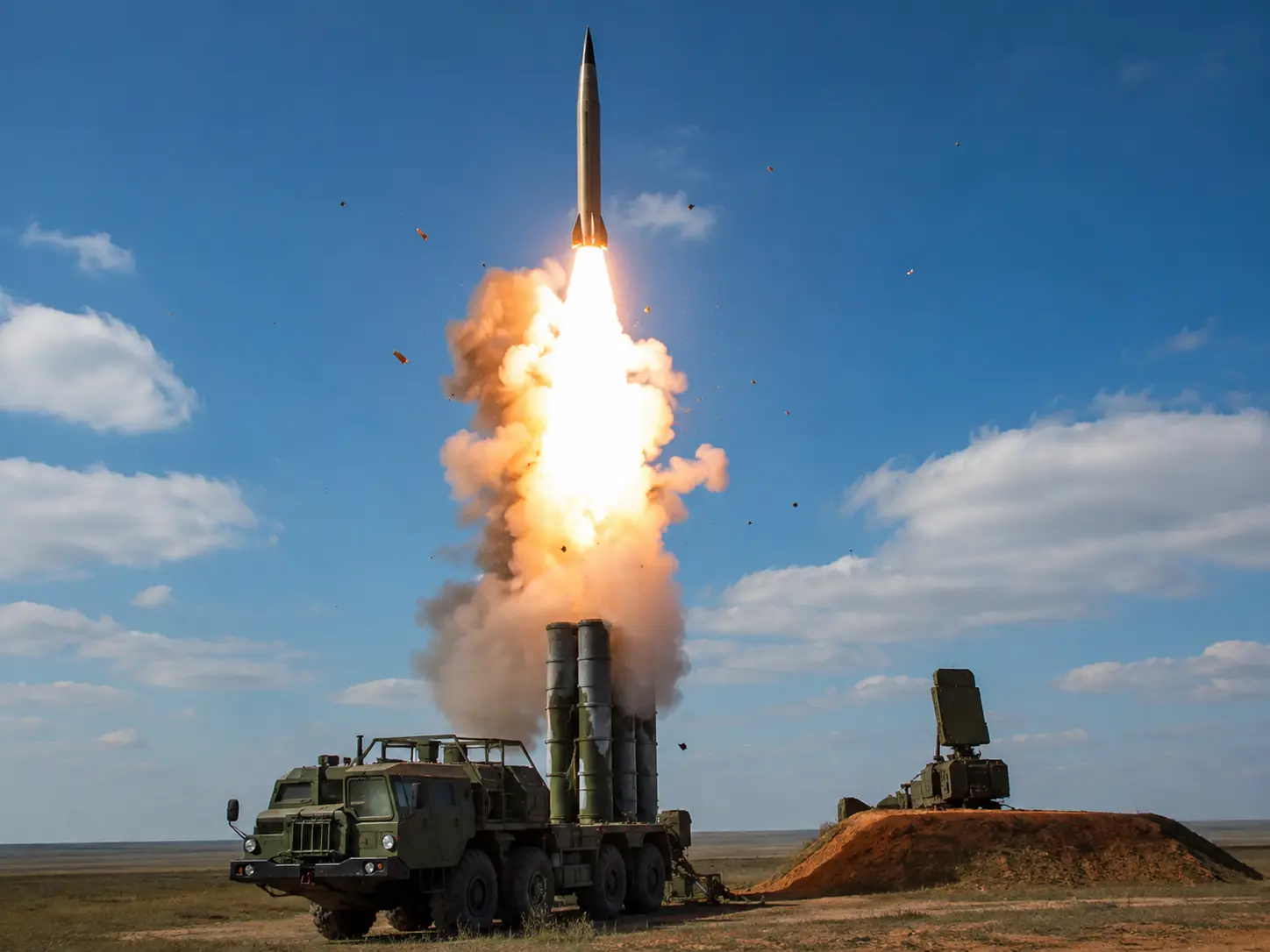
Unlike a space rocket that ignites on the pad, the S-400 relies on cold launch technology. The initial sound is not a fiery roar, but a high-pressure gas explosion that forcefully ejects the massive interceptor 30 metres into the air.
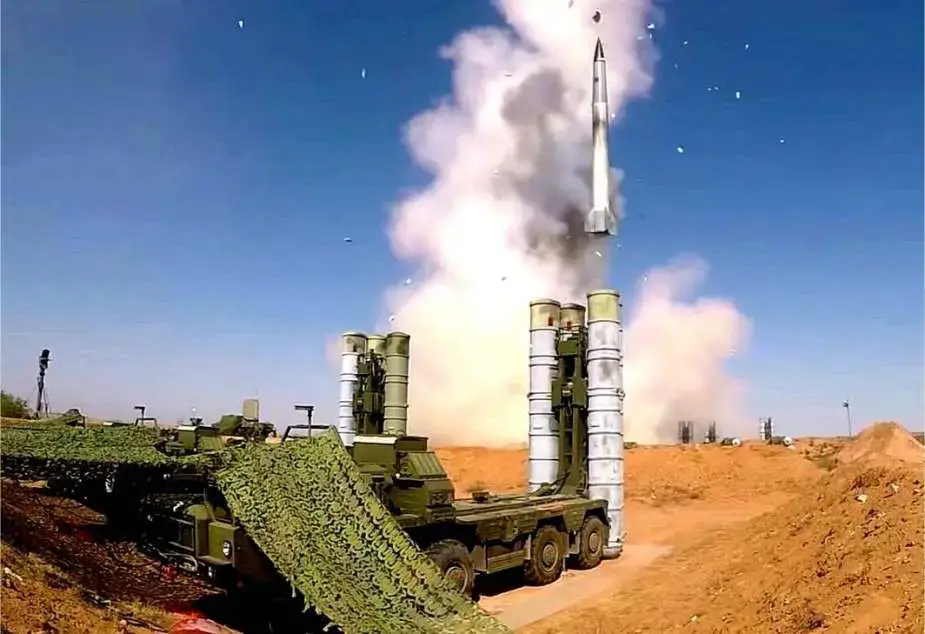
The Mid-Air Crack
Once the heavy missile clears the transport tube, its solid-fuel rocket motor violently ignites in mid-air. This creates an aggressive, ear-shattering acoustic crack that echoes across the battlefield as the weapon instantly accelerates.
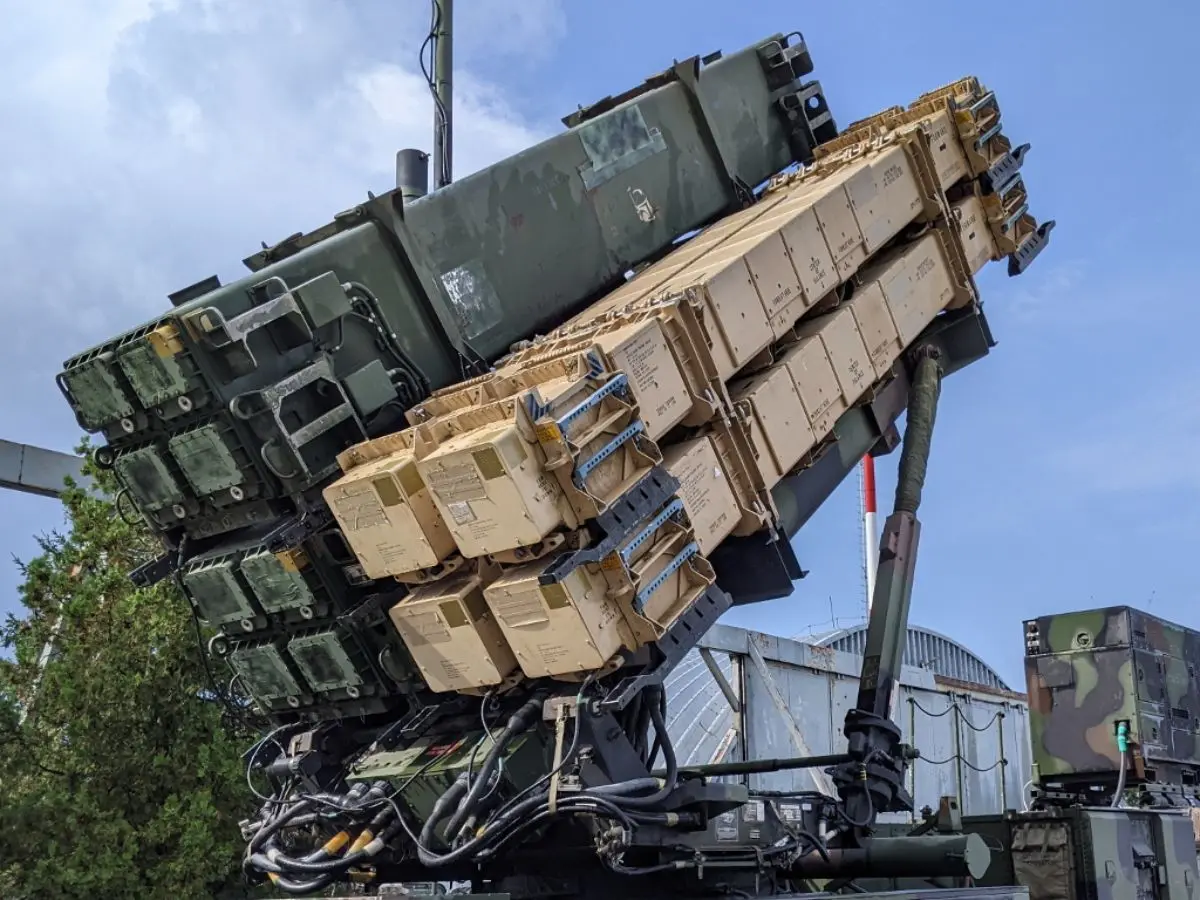
Instant Energy
Orbital rockets burn massive amounts of liquid fuel for minutes, generating a continuous 195-decibel rumble. In contrast, the S-400's solid rocket motor burns out in mere seconds, resulting in a short, violently loud sonic blast.
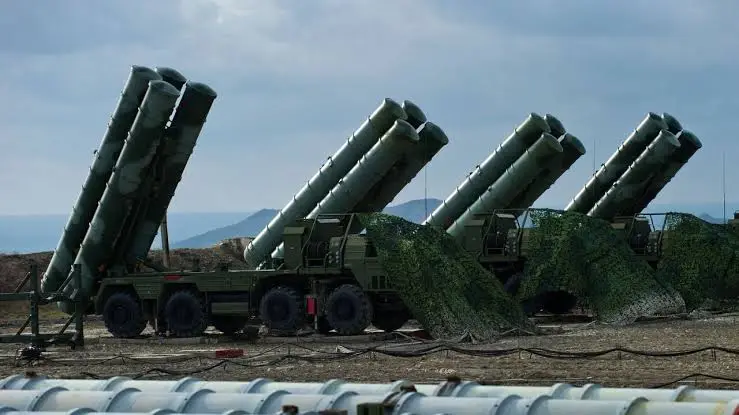
Sound at a Distance
At a distance of 1.5 kilometres, a heavy orbital rocket still generates roughly 136 decibels of noise, equivalent to a jet engine. While an S-400 launch is significantly shorter, its percussive shockwave remains a deafening and jarring acoustic event at one kilometre away.
Crew Survivability
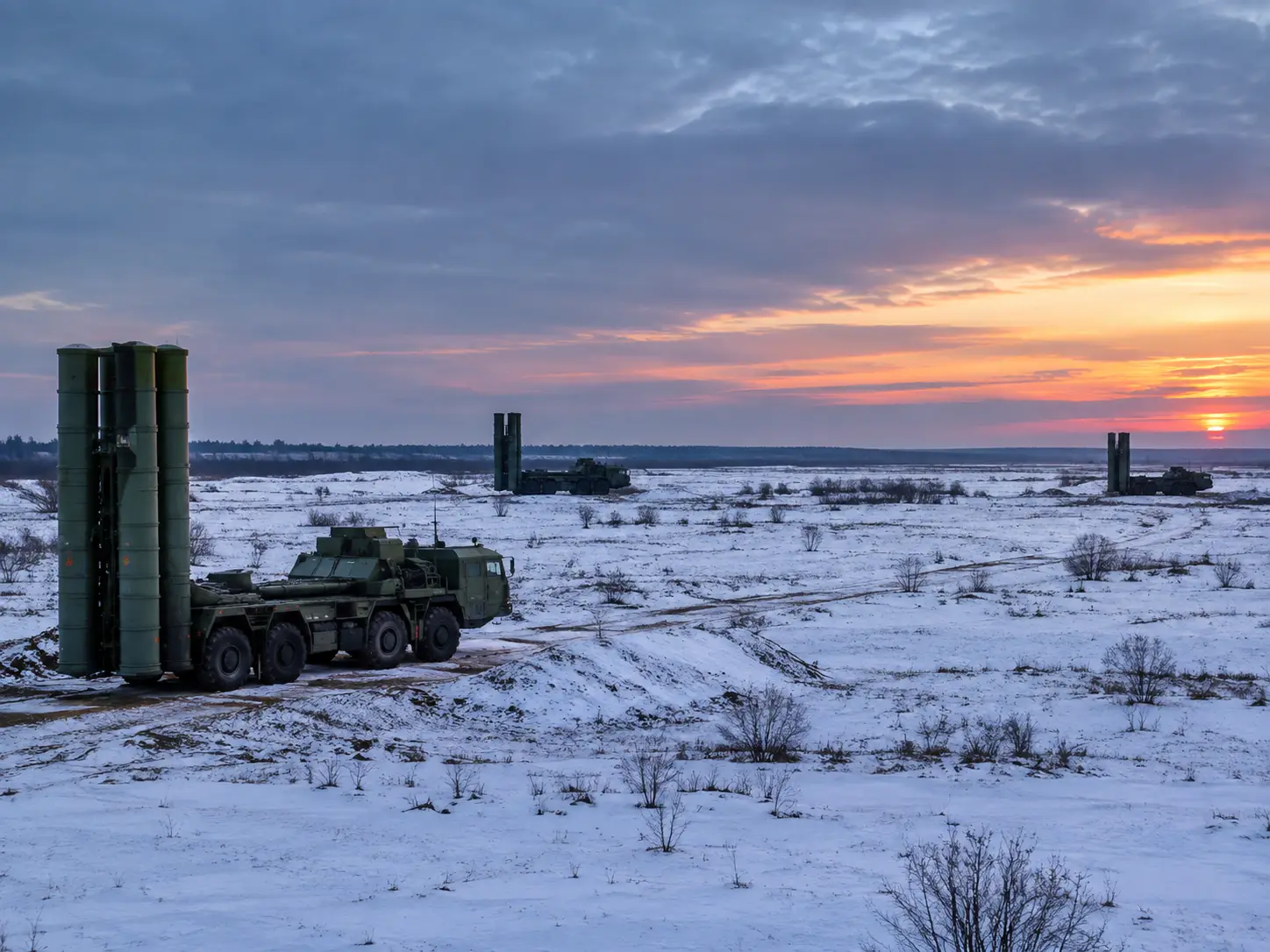
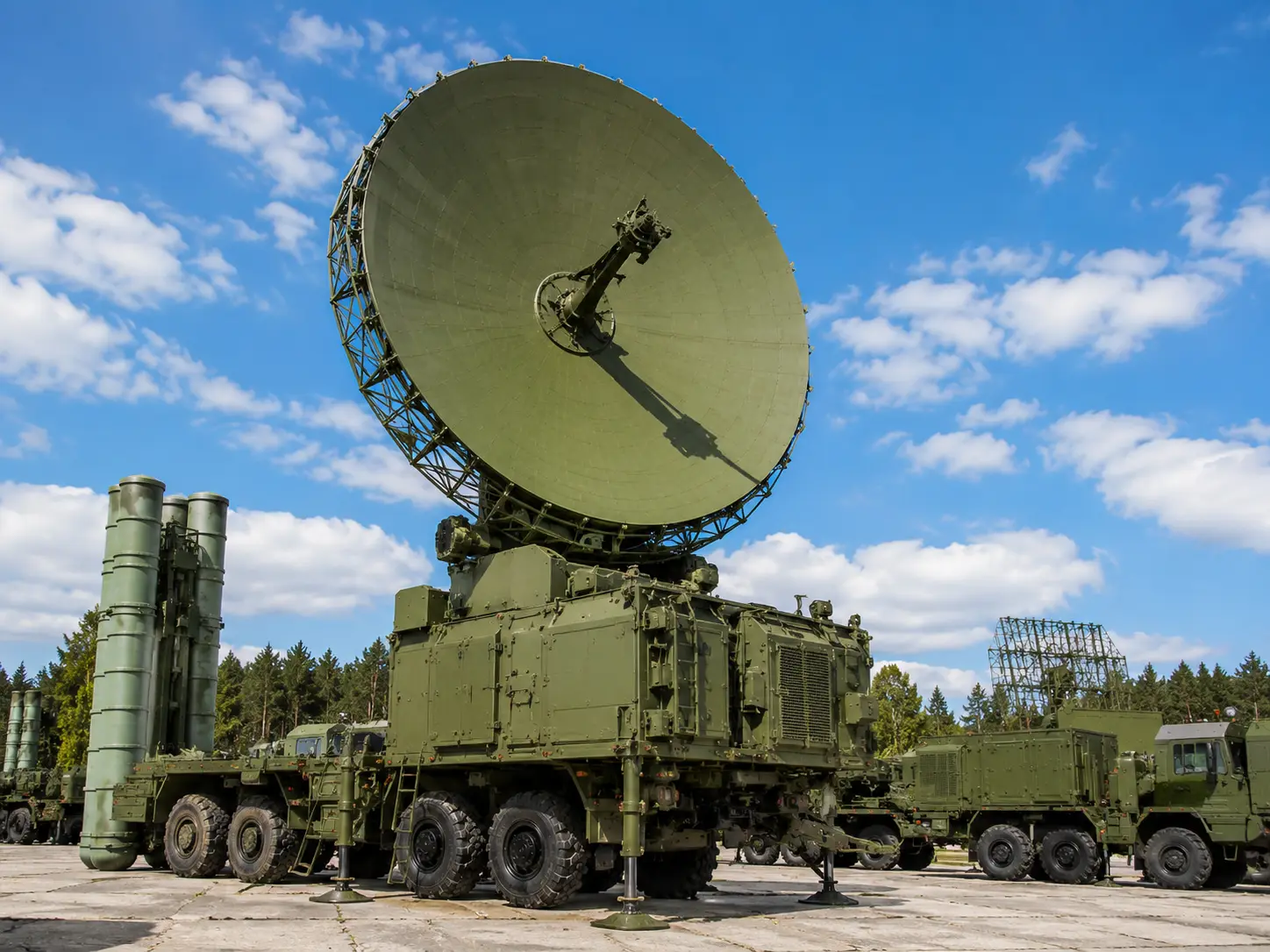
Space launch pads require massive water suppression systems to absorb deadly acoustic energy and prevent structural damage. For the mobile S-400, the heavily armoured MZKT-7930 transporter vehicle safely absorbs the soundwaves, protecting the crew sitting mere metres away.
The Physics of Sound
Because light travels drastically faster than sound, an observer standing one kilometre away would experience a delay. They would clearly see the blinding flash of the mid-air ignition roughly three seconds before the violent crack physically reached them.
A Silent Arrival
For the targeted aircraft, the deafening noise of the battery is completely irrelevant. Because the 40N6E interceptor travels at a blistering Mach 14, it physically strikes the target long before the acoustic soundwaves of its own launch can arrive.
)
)
)
)
)