Can S-400 stop ICBM?

The S-400 Triumf cannot intercept an ICBM. ICBMs travel at Mach 20 in space, far exceeding the S-400's Mach 14 speed and 60-km altitude limits. The system targets medium-range ballistic missiles, leaving ICBM defence to the specialised S-500.Untitled Summary
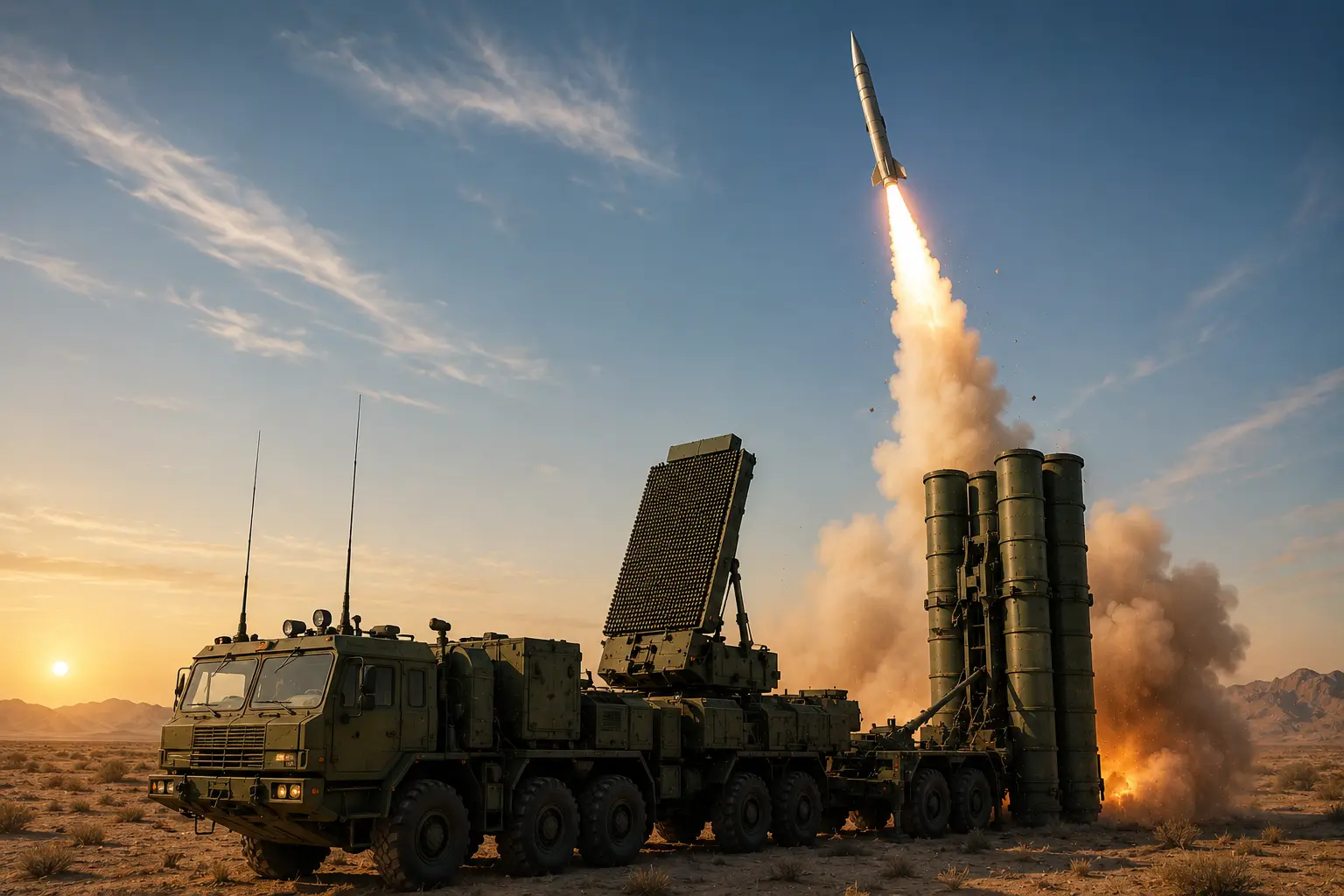
The Blunt Reality
Despite its fearsome reputation, the S-400 Triumf cannot intercept an Intercontinental Ballistic Missile (ICBM). While it easily destroys fighter jets and cruise missiles, stopping a strategic nuclear ICBM completely exceeds its mathematical and physical capabilities.
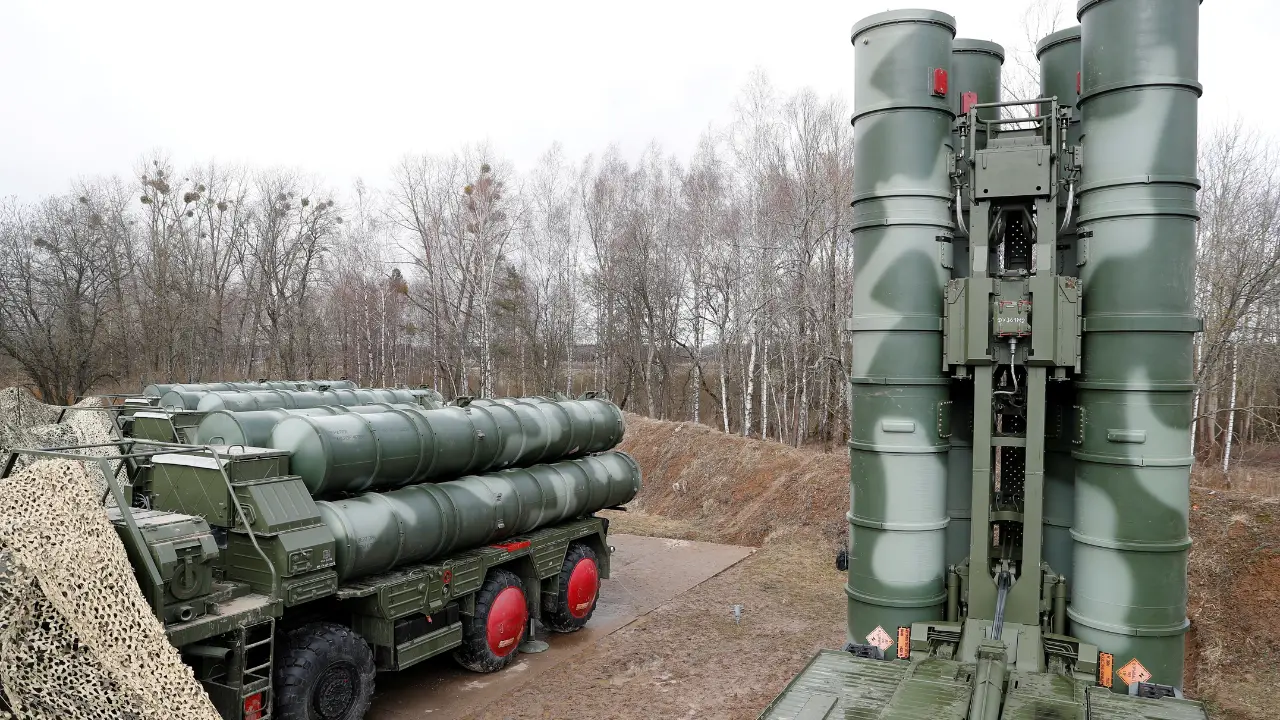
The Speed Deficit
An ICBM re-enters the Earth's atmosphere at devastating hypersonic velocities, typically exceeding Mach 20 or roughly 24,000 kilometres per hour. The S-400's fastest interceptor, the 40N6E, peaks at Mach 14, making it fundamentally too slow to catch an ICBM warhead.
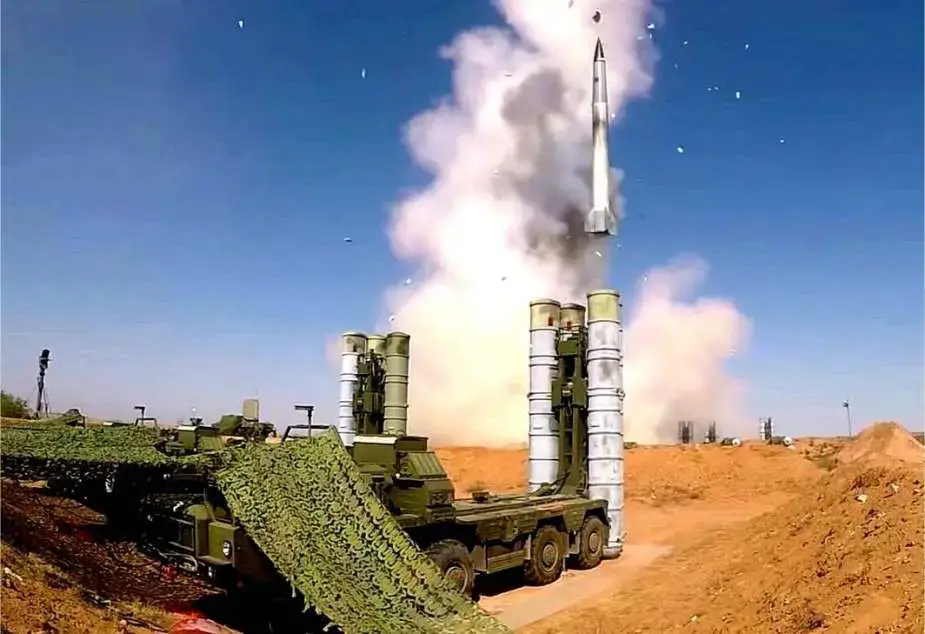
The Altitude Ceiling
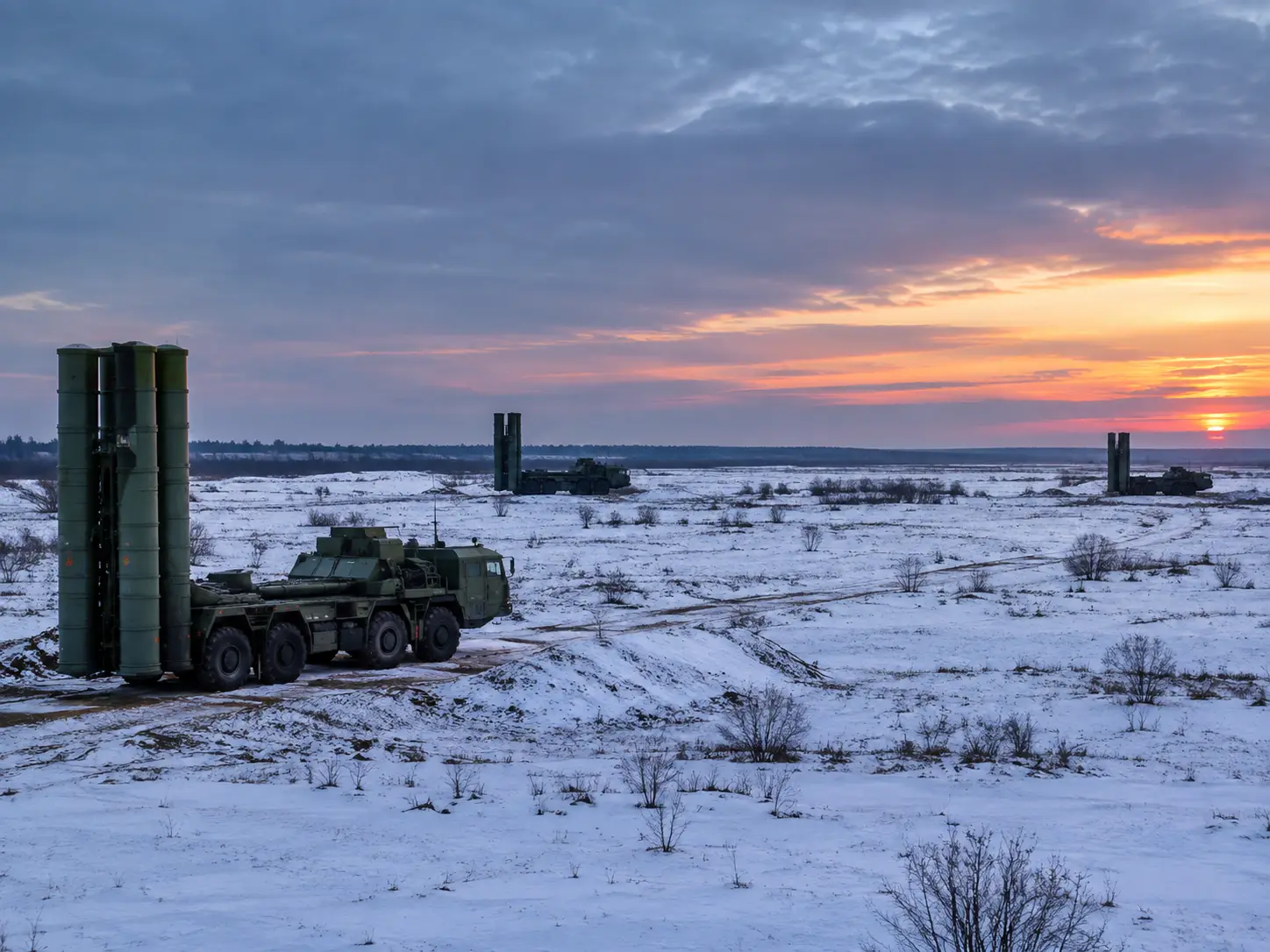
To safely destroy an ICBM before it detonates, defenders must intercept it in space during its mid-course phase. The S-400 is an endo-atmospheric system with a maximum ballistic engagement radius of just 60 kilometres, leaving it blind to threats in the exosphere.
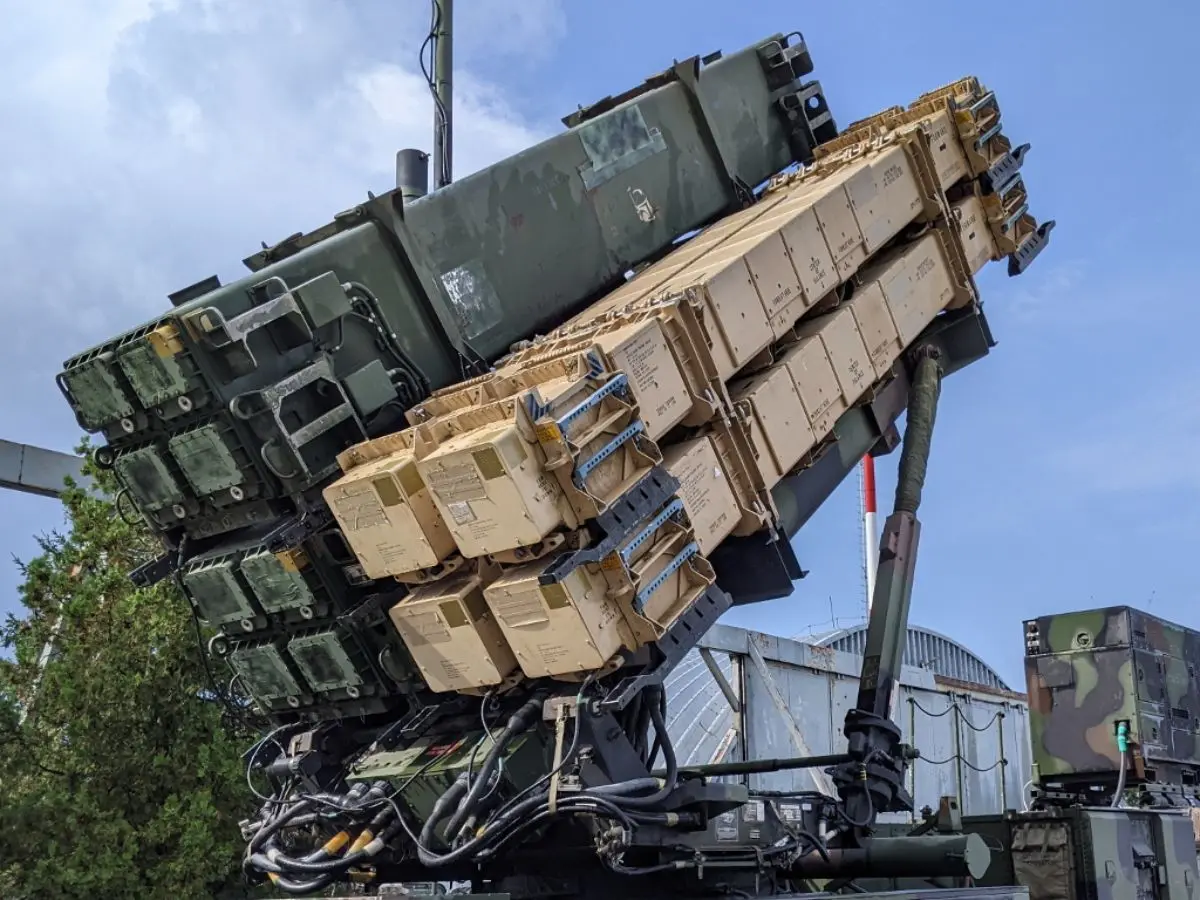
Tactical vs Strategic
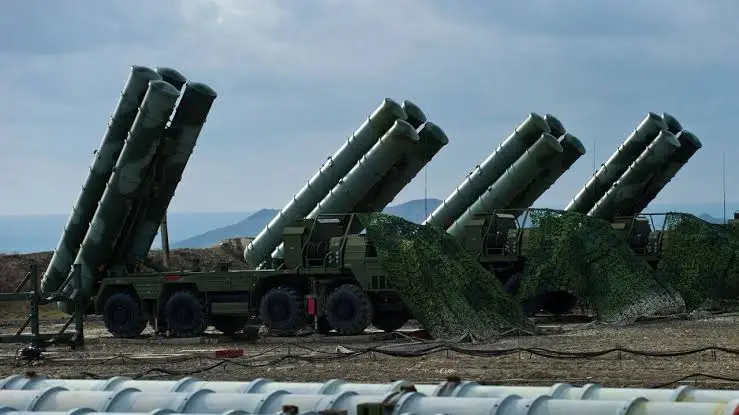
The USD 1.25 billion S-400 is designed for tactical and theatre-level ballistic missile defence. Its 48N6-series missiles are highly effective against Short-Range and Medium-Range Ballistic Missiles, but not against the extreme trajectories of intercontinental weapons.
Lack of Hit-to-Kill
Most S-400 interceptors use heavy 143-kilogram fragmentation warheads that explode near the target to shred it with shrapnel. Modern ICBM defence requires precise ‘hit-to-kill’ kinetic technology to completely obliterate the heavily armoured nuclear re-entry vehicle, a capability the S-400 currently lacks.
The True ICBM Killers
To stop strategic nuclear strikes, the Russian military relies on dedicated exo-atmospheric interceptors. Systems like the A-135 and the upcoming A-235 Nudol shield Moscow, explicitly engineered to intercept ICBMs in space long before they reach the atmosphere.
The S-500 Successor
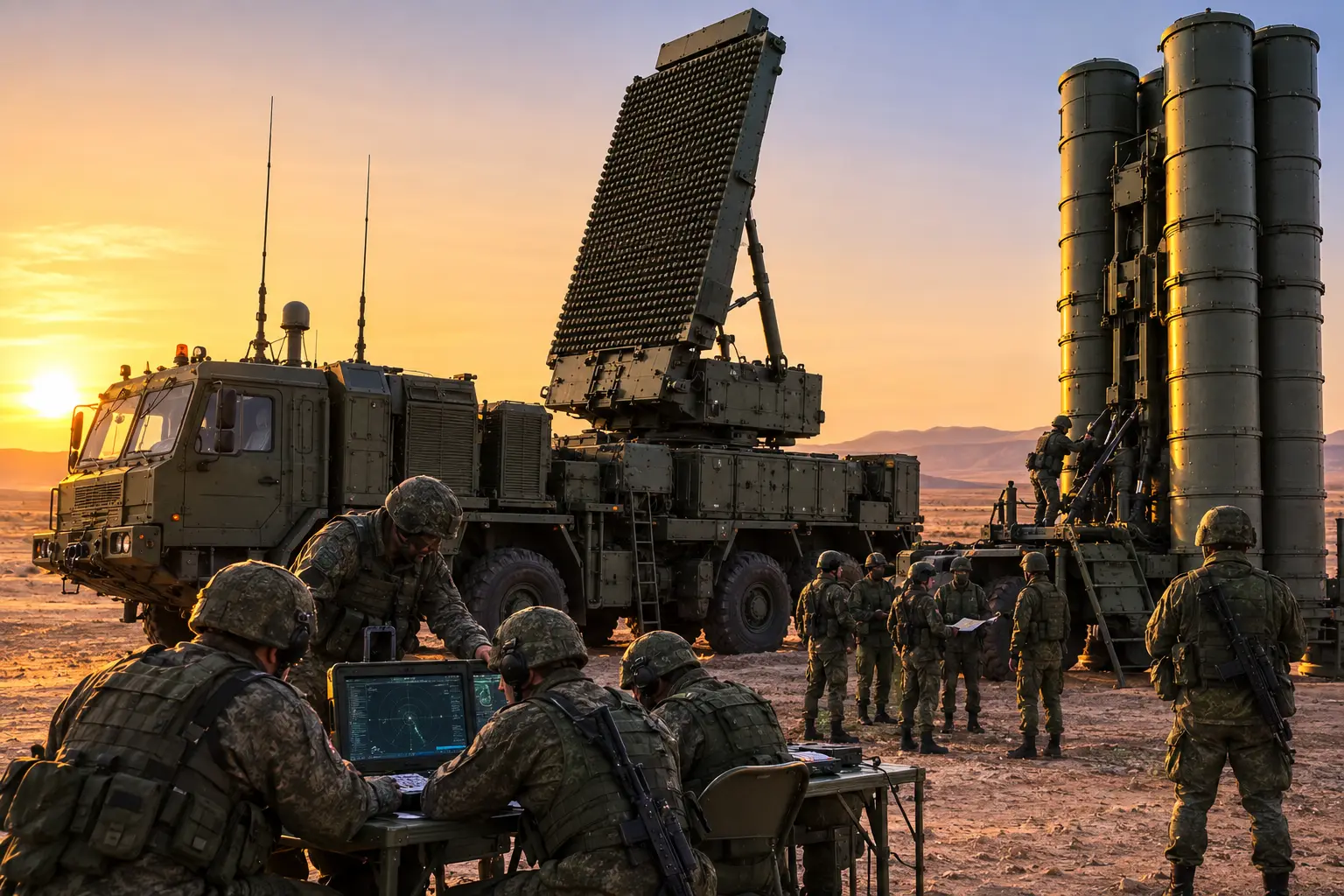
Realising the limitations of the S-400, Russia developed the USD 2.5 billion S-500 Prometheus. Designed specifically to plug this strategic gap, the S-500 uses massive 77N6 interceptors to target ICBMs and low-Earth orbit satellites up to 200 kilometres high.
)
)
)
)
)