YEARENDER: From merging monsters to planet on a death wish, biggest space discoveries of 2025

Explore the most groundbreaking space discoveries of 2025 — From Saturn’s 128 new moons to record-breaking exoplanets, black holes, and strange galaxies, here are some of the biggest cosmological objects discovered this year.
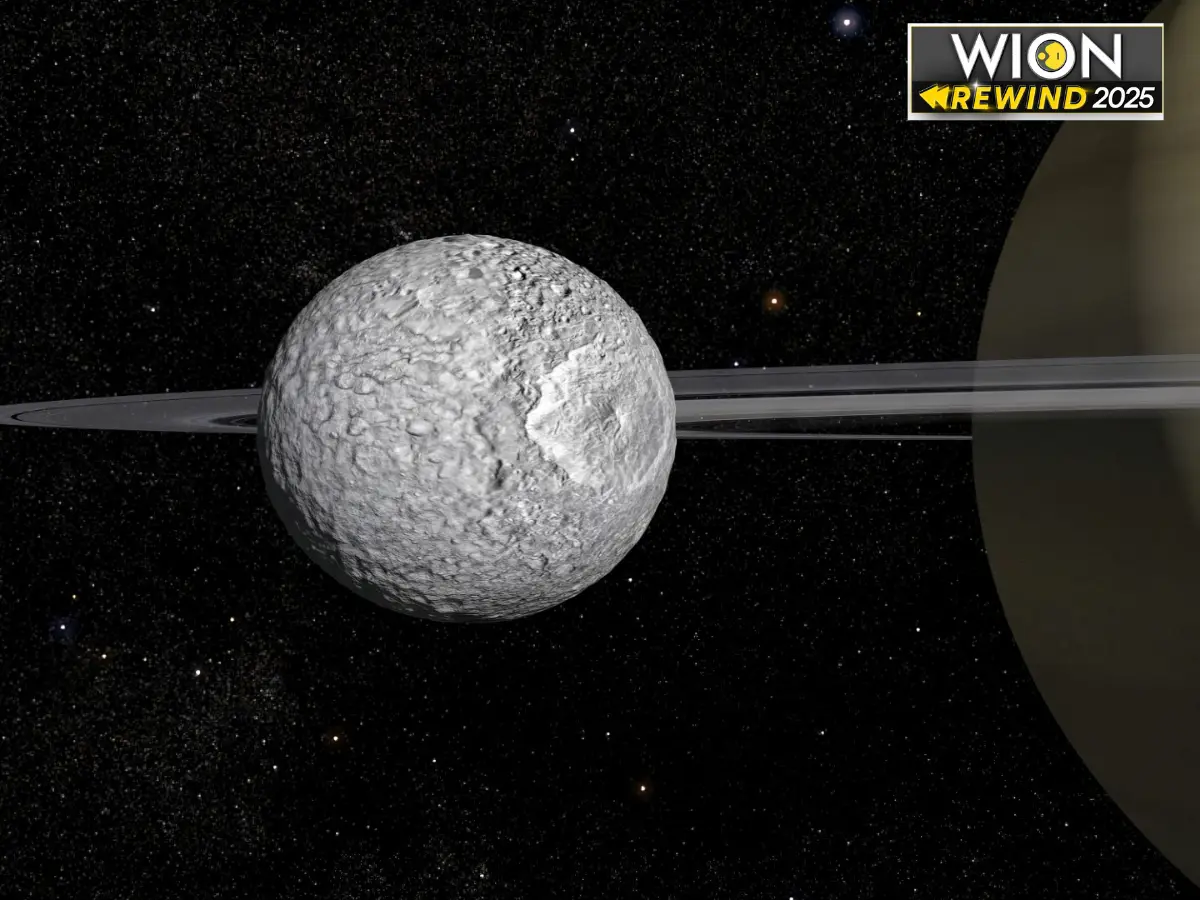
Saturn Gains 128 New Moons
Saturn, the planet with gigantic rings, added 128 new moons, taking its tally to 274, more than double that of all other planets in the solar system combined. The Canada France Hawaii telescope had identified 62 moons in 2023, and knew there were more out there. The moons have large, elliptical orbits at an angle to those of moons closer to the planet. They are small and on inclined orbits, which suggests they might be fragments from collisions. This discovery can provide insights into the history of Saturn and how its rings were formed.
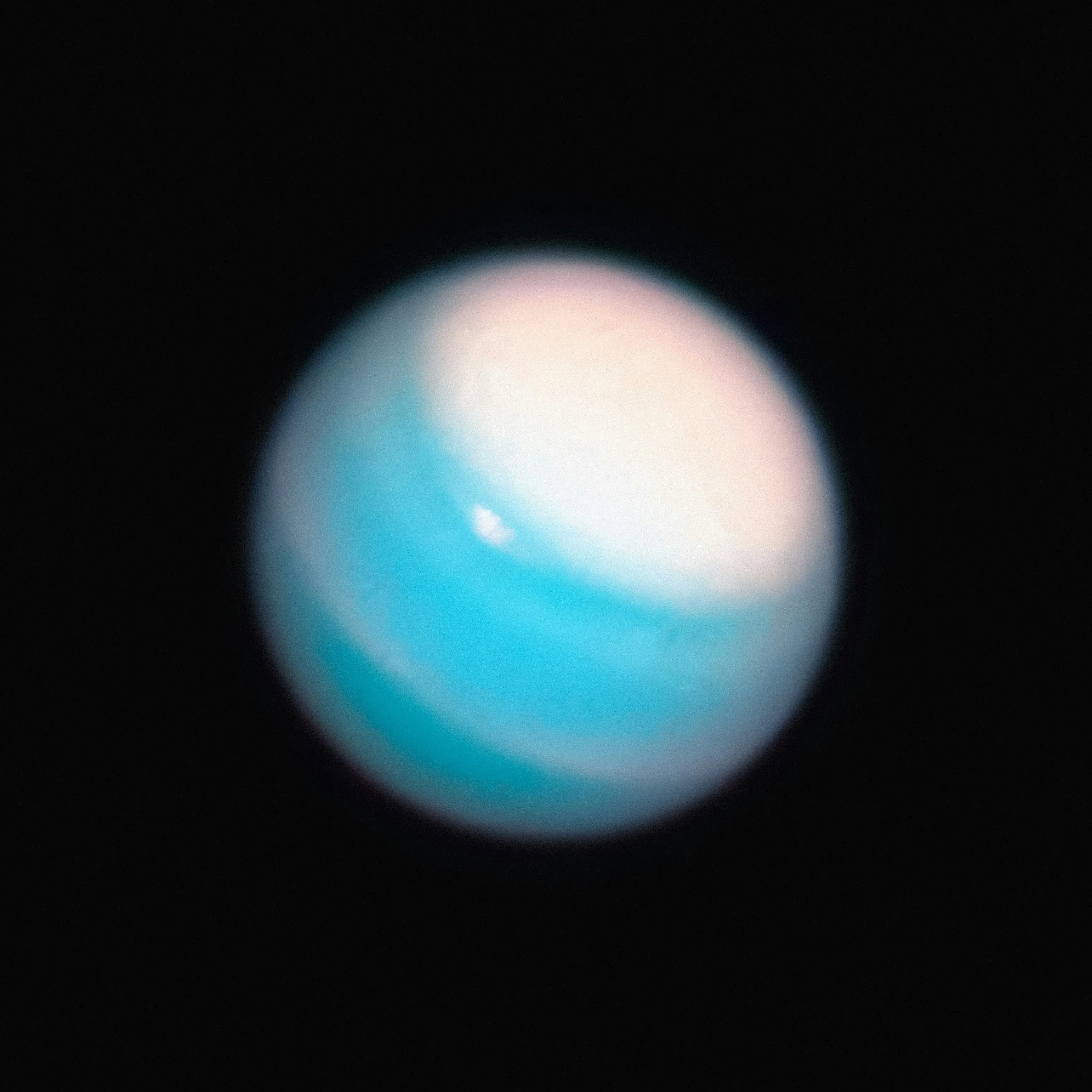
New Uranian moon found
In February 2025, astronomers using the James Webb Space Telescope discovered a previously unknown Uranian moon, S/2025 U1. The six-mile-wide moon raises the planet’s known moon count to 29. Scientists say it will prove helpful in studying Uranus’ rings and their origins. Voyager 2, the only mission that has performed flybys of Uranus and Neptune, failed to see this moon likely because of the glow of Uranus' rings, NASA said. The moon and the planet's rings likely share similar material, meaning they both could be remnants of the same ancient event.
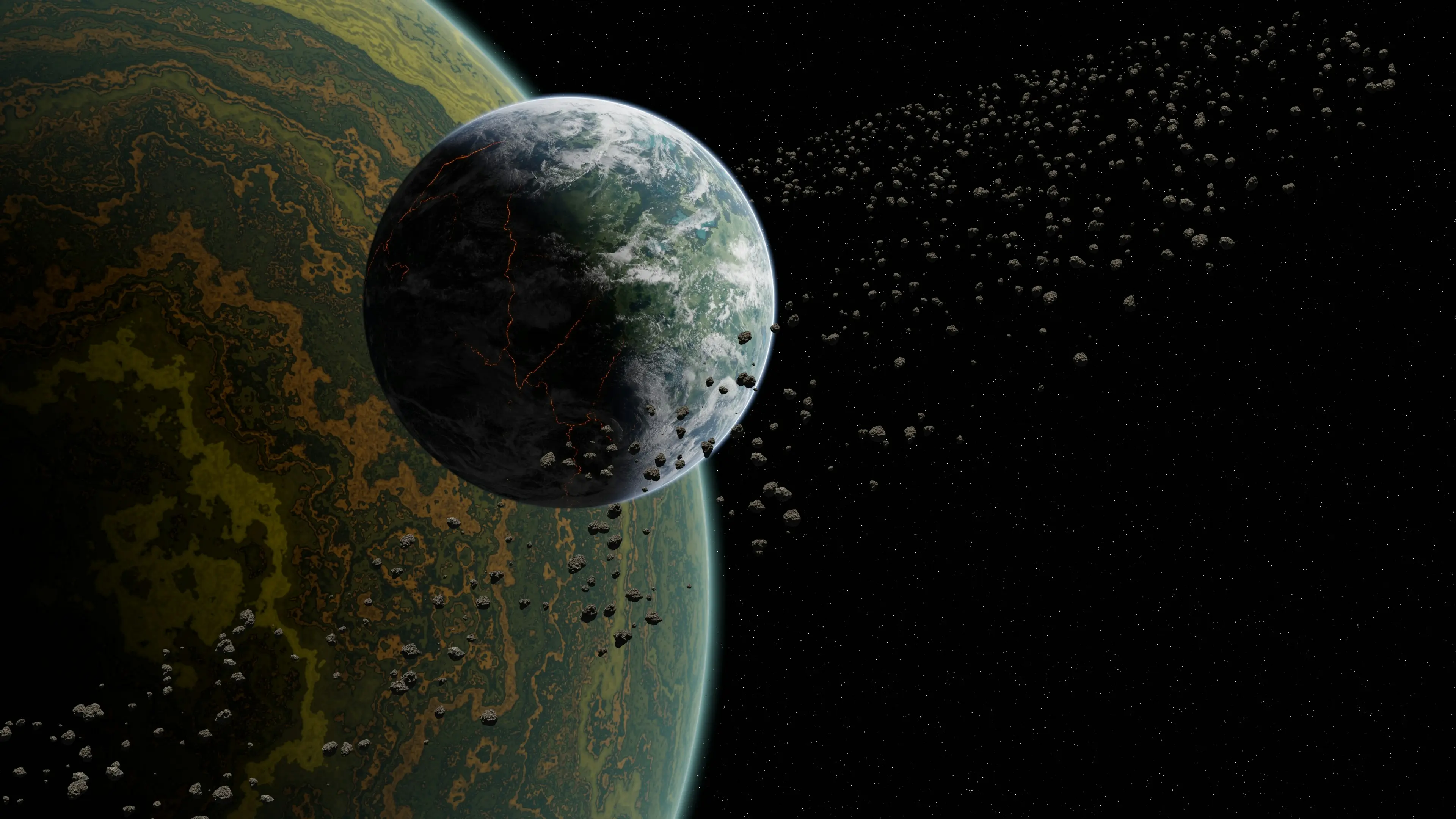
Earth's quasi-moon for 60 years
Astronomers found that Earth has a new quasi-moon. However, it wasn't exactly new and had been here for 60 years. Named 2025 PN7, it was discovered on August 2 by the Pan-STARRS observatory in Hawaii. Scanning past data revealed the earliest images from 2014, but then they found that it had been moving in a stable orbit for much longer. It will remain here for another 60 years, after which it will fly away. Earth has around seven such quasi-moons, asteroids that are on similar orbits to our planet. They do not actually orbit Earth, so they aren't Earth's moons. One of the most famous quasi-moons is Kamoʻoalewa, officially known as 2016 HO3.
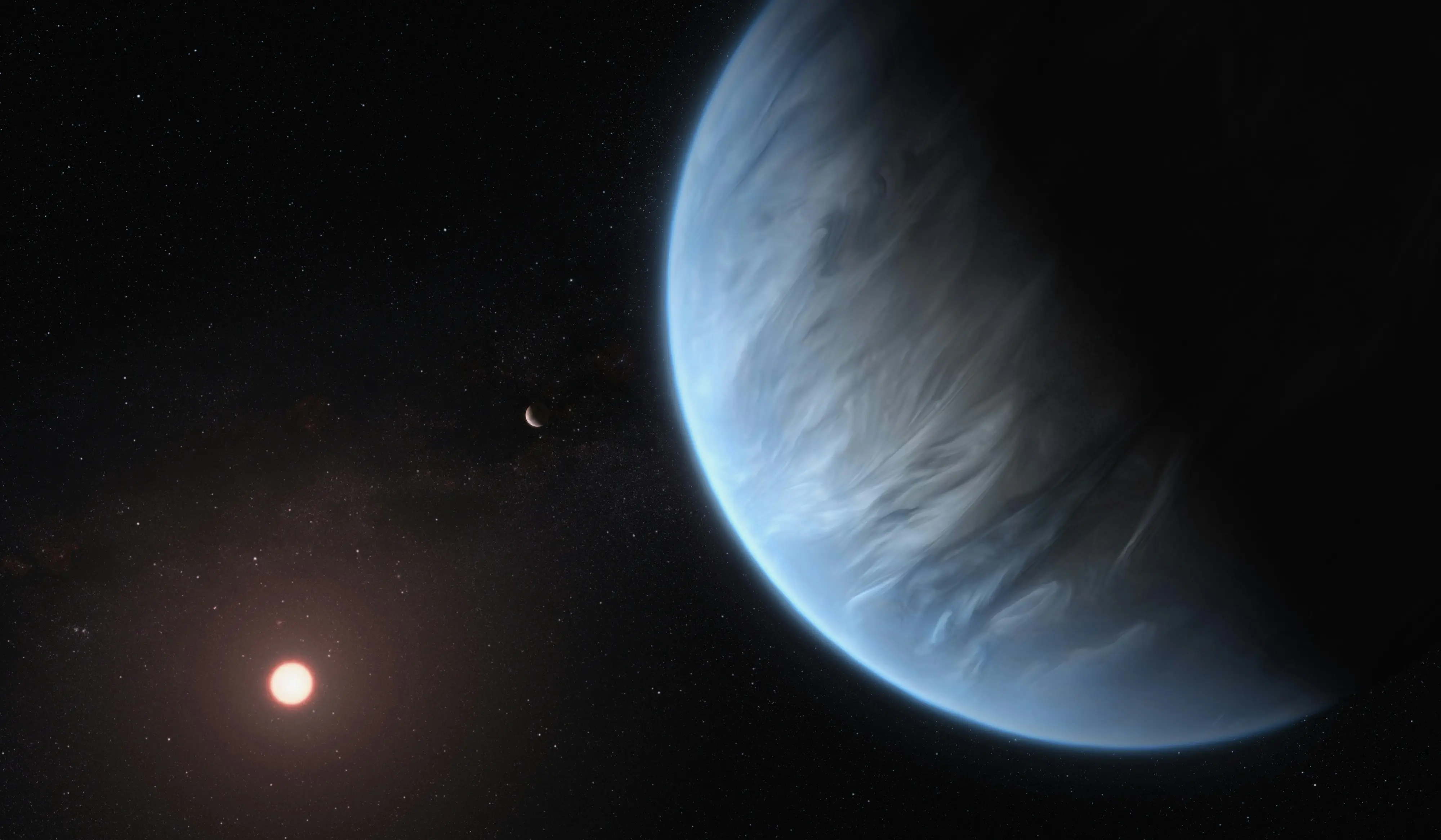
Super-Earth GJ 251c discovered 18.2 light-years away
A super-Earth was discovered in October 2025, only 18.2 light-years away. The planet, known as GJ 251c, orbits a red dwarf star in the habitable zone in the constellation of Gemini. The discovery placed the region as one of the most promising places to look for signs of life. The rocky planet's mass is four times greater than that of Earth. GJ 251c was discovered following 20 years of observations, during which time astronomers looked at the slight wobble in the star caused by the planet's gravity
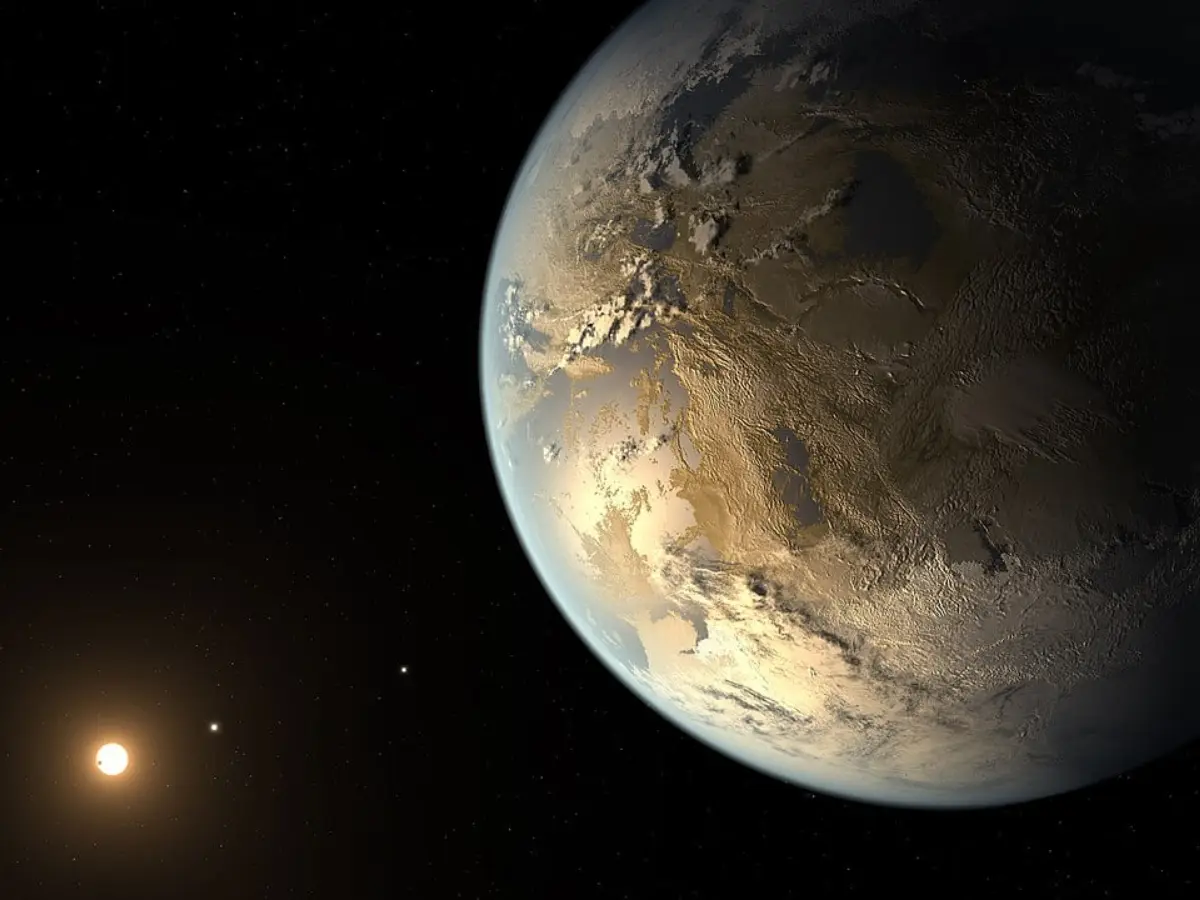
TOI-2431 b, exoplanet on a death spiral into its star
Astronomers also found an extreme, rocky exoplanet that is on a death spiral into its star. TOI-2431 b is located 117 light-years away, and it is so close to its star that rock and metal flow on its surface in molten form at temperatures of about 1,727°C (\(2000\) K). The planet is extremely dense and is shaped like an egg with a mass over six times that of Earth. It completes one orbit of its star in 5 hours 22 minutes, one of the shortest known periods. Although it was first noticed in 2019, TOI-2431 b was only confirmed in 2025. The discovery of this exoplanet was special since it was surviving at such a close distance from its star, challenging our understanding of planetary formation.
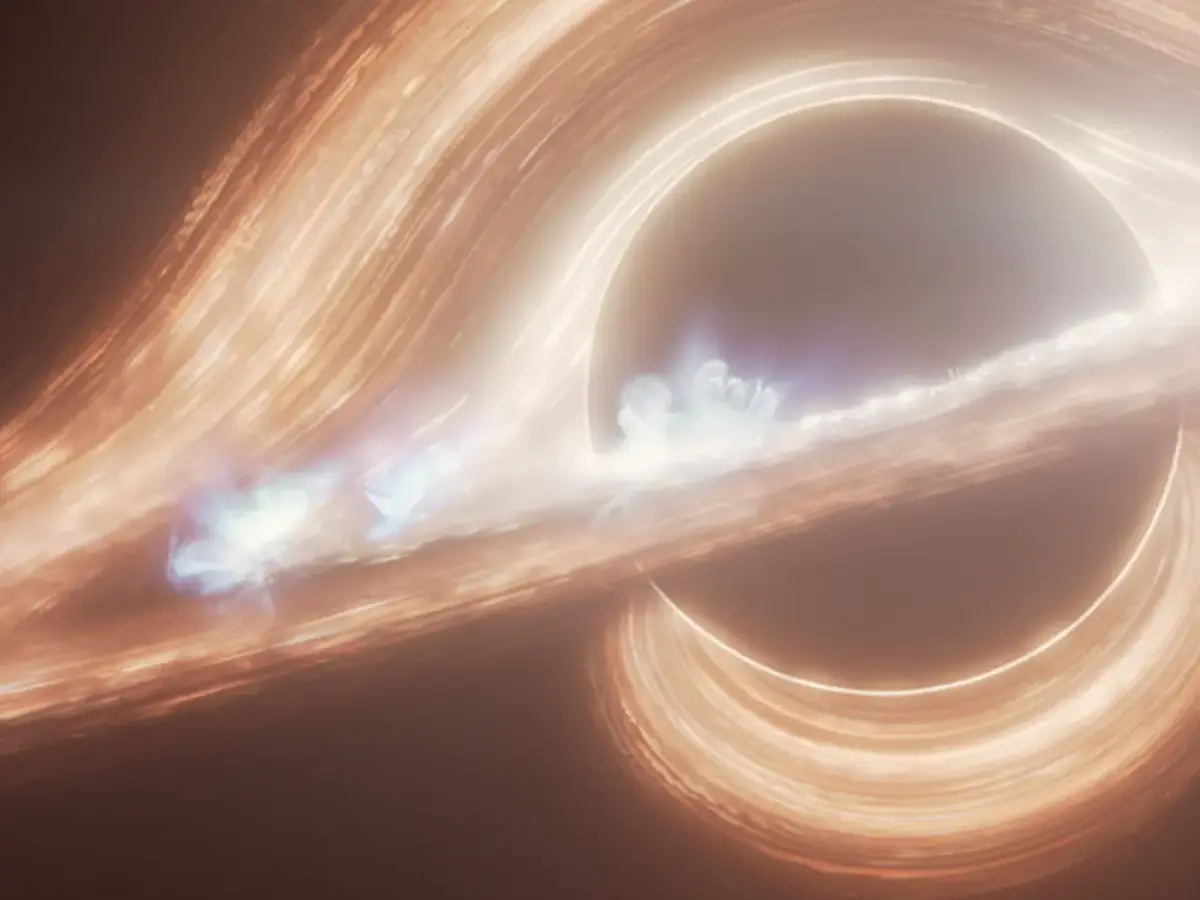
Roaring black hole merger proves Stephen Hawking theory 50 years later
A nearly 50-year-old Stephen Hawking theory was proven right when two black holes were spotted this year merging together to form an even bigger black hole with a large event horizon. The Laser Interferometer Gravitational-wave Observatory (LIGO) recorded the roar of a black hole merger on January 14. Before the cosmic mammoths merged, the combined surface area of the two black holes measured nearly 243,000 square kilometres. But the merger almost doubled it, as the single black hole now had a surface area of roughly 400,000 square km. This is exactly what Hawking had theorised about the outer boundary of a black hole, which can never decrease in size.
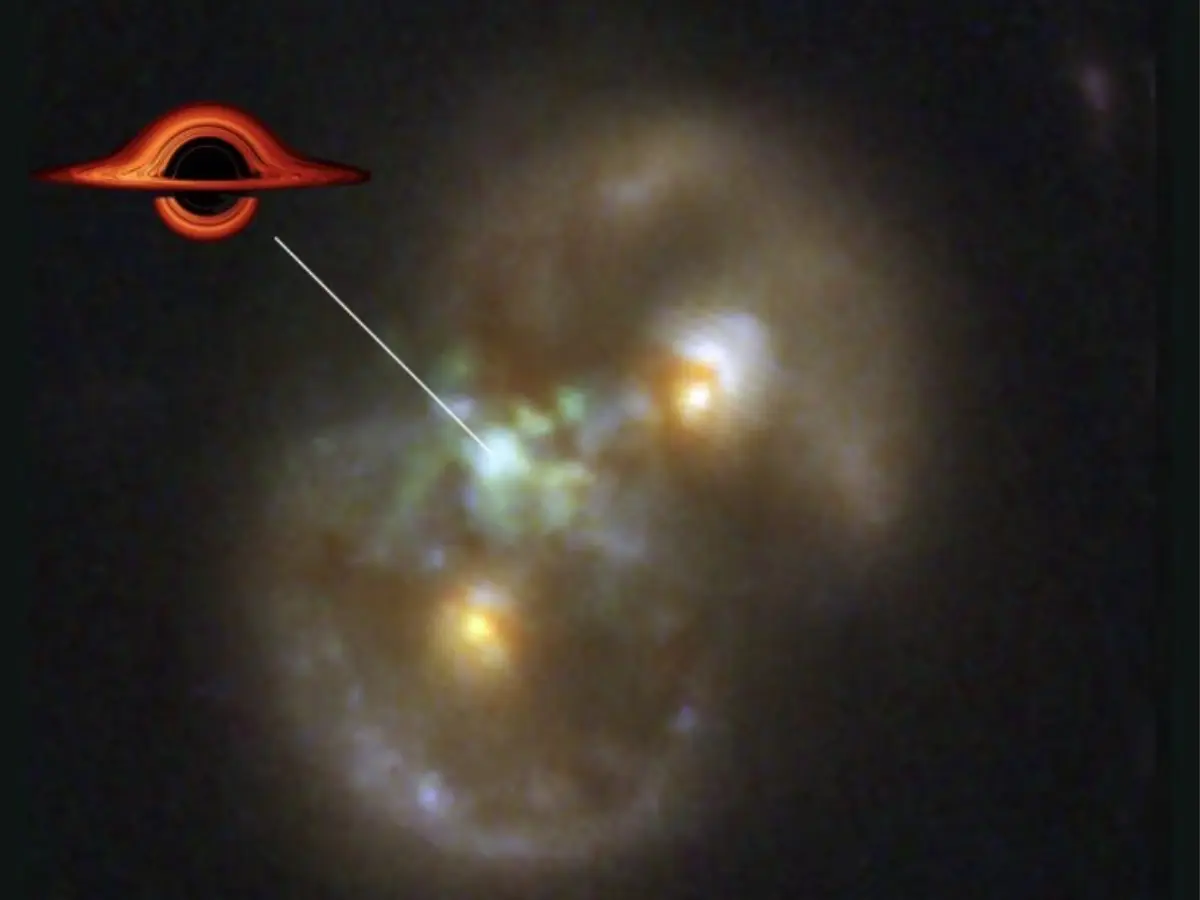
JWST finds infinity galaxy with a supermassive black hole
The James Webb Space Telescope (JWST) discovered a pair of colliding ring galaxies forming a shape like the ∞ (infinity) symbol in the ancient universe. Astronomers Pieter van Dokkum of Yale University and Gabriel Brammer of the University of Copenhagen were credited with finding this strange pair, which was named the Infinity Galaxy. One of the most intriguing finds linked to this galaxy was the supermassive black hole, which wasn't formed because of a star collapsing, but through a direct collapsing gas cloud.
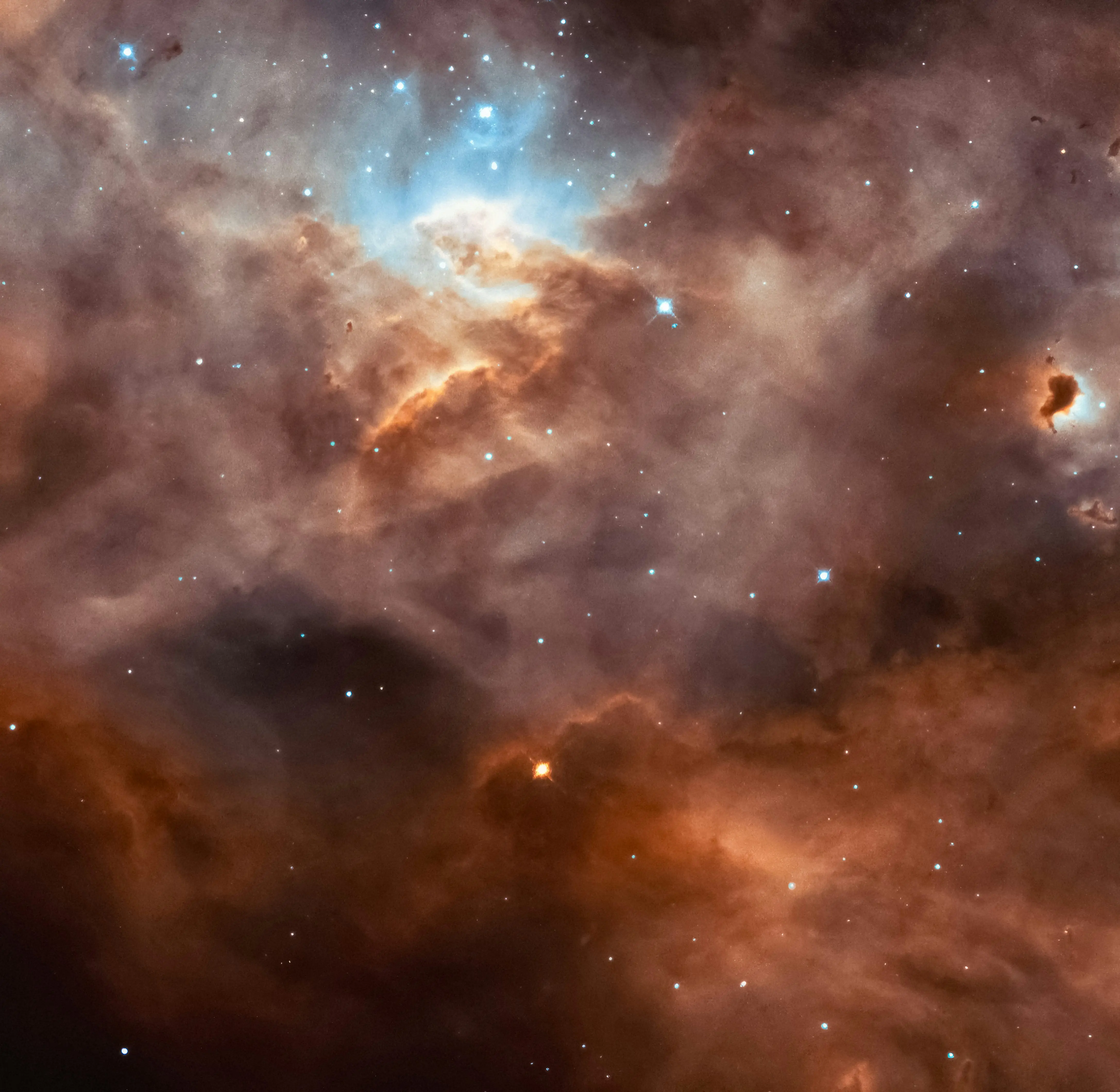
Secret black hole in Large Magellanic Cloud
Astronomers also found a silent hidden black hole in the Large Magellanic Cloud (LMC) in March 2025. The LMC is a satellite galaxy of the Milky Way. A team of astronomers investigated 21 hypervelocity stars which appeared to have been fired from the LMC. These stars are moving so fast that they will soon leave our galaxy. The European Space Agency's Gaia satellite noted that around half of these stars were accelerated by the Milky Way's supermassive black hole, Sagittarius A* (Sgr A*). But the others likely reached the edge of the Milky Way following a gravitational encounter with a supermassive black hole at the heart of the LMC. Scientists were shocked to discover that another supermassive black hole was living so near us this entire time.
)
)
)
)
)