Black holes collide to create an even bigger monster, proving a 50-year-old theory right

Nearly 50 years after Stephen Hawking proposed the area theorem, according to which when two black holes merge, the resulting black hole will have a bigger event horizon than the combined surface areas of the two black holes separately.
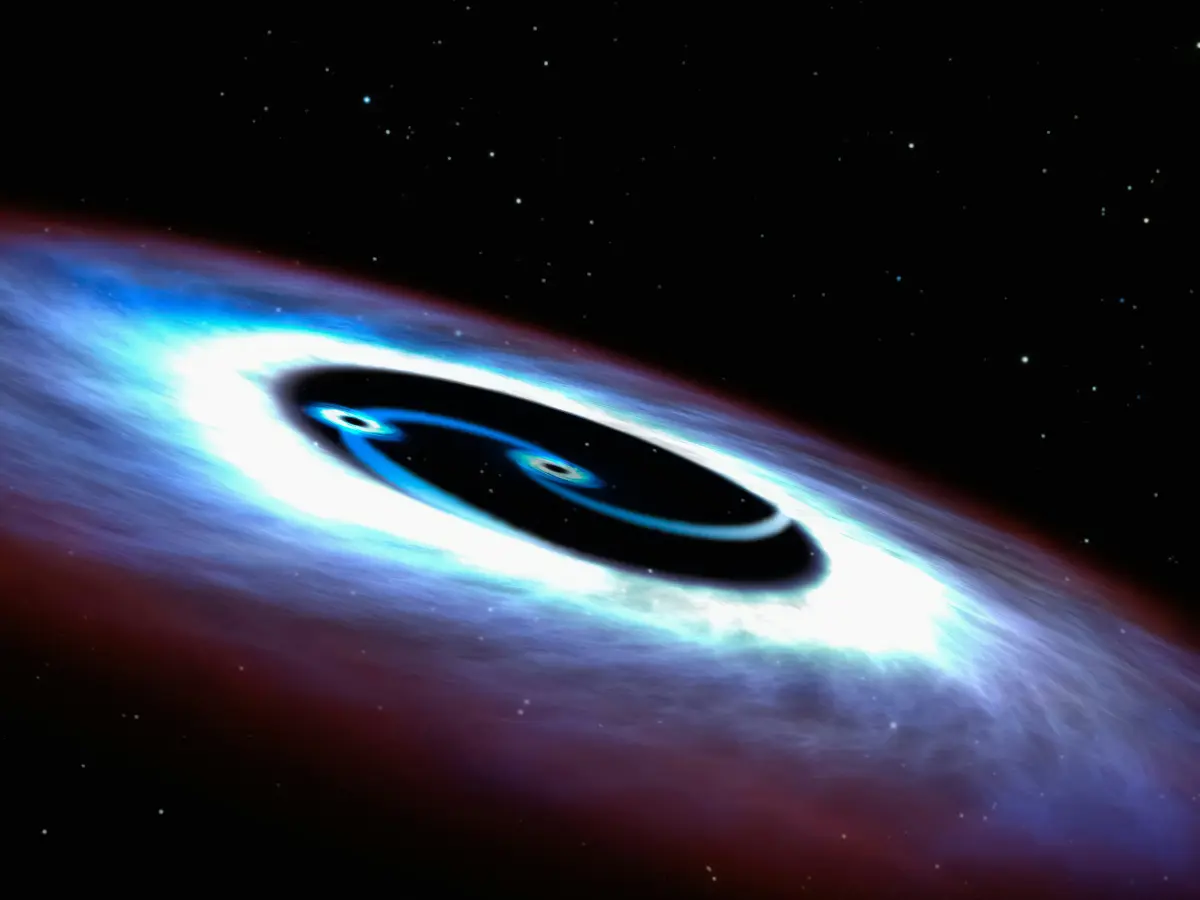
Black holes merge to form a bigger monster
Scientists have witnessed two giant black holes merging to make an even bigger monster, proving a theory put forth by famed physicist Stephen Hawking more than 50 years ago. While he proposed this theory, he never got to witness it turn true in his lifetime. Now, a gravitational wave detector has helped scientists "hear" a black hole merger. The Laser Interferometer Gravitational-wave Observatory (LIGO) recorded the giant roar of a black hole merger on January 14.

LIGO detected ripples in the fabric of space-time
Adrian G. Abac, a doctoral student at the Max Planck Institute for Gravitational Physics in Potsdam, Germany, published a study in the journal Physical Review Letters on September 10 in which he talked about this mega event. LIGO detects the ripples created in the fabric of space-time by collisions of black holes or neutron stars. The first time it did this was on Sept. 14, 2015.

Two black holes merged, and the result was an even bigger event horizon
On January 14, it detected something else along with a black hole collision. Before the cosmic mammoths merged, the combined surface area of the two black holes measured nearly 243,000 square kilometres. But the merger almost doubled it, as the single black hole now had a surface area of roughly 400,000 square km. The newly formed black hole was much bigger than what the two black holes measured as separate parts.
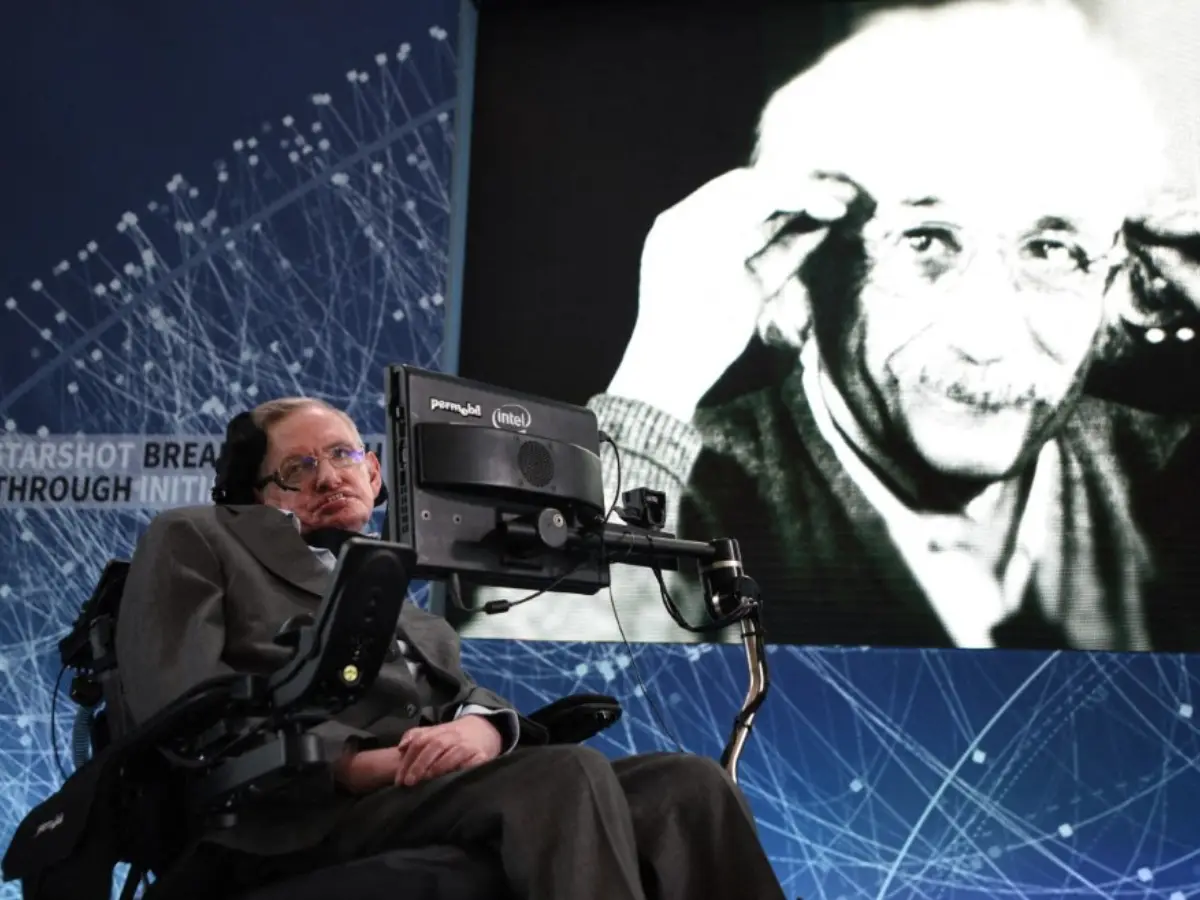
Hawking’s area theorem
This is exactly what Hawking had proposed in 1971. He had stated that the event horizon, that is, the outer boundary of a black hole, can never decrease in size. When black holes merge, the total surface area of the event horizon must increase or at least stay the same. This is known as Hawking’s area theorem.
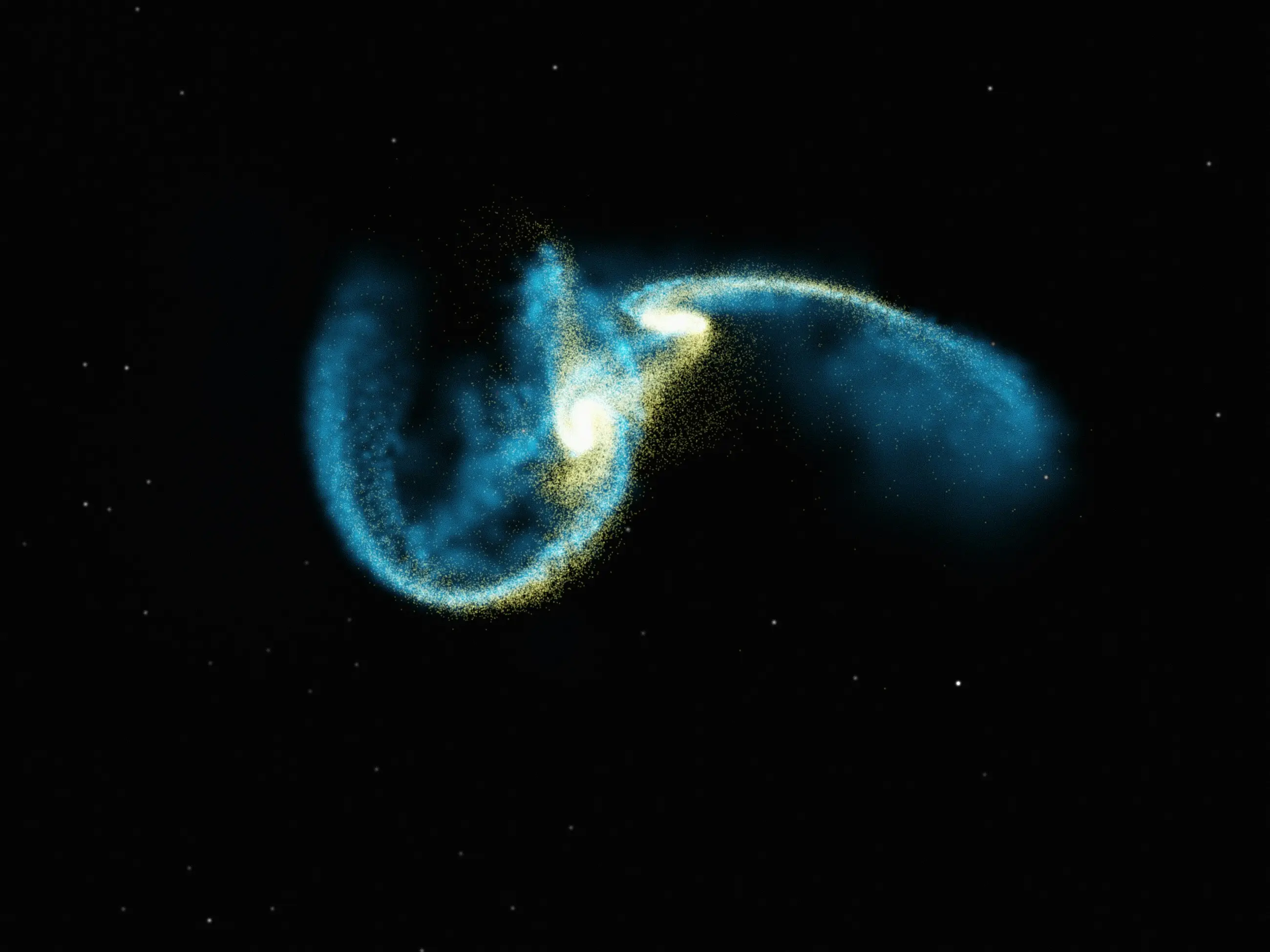
Second law of black hole mechanics
Hawking's theorem is known as the second law of black hole mechanics and is similar to the second law of thermodynamics. Study co-author, Maximiliano Isi, said in a statement, "Even though it's a very simple statement, 'areas can only increase,' it has immense implications." He added, that based on Hawking's theory, scientists treat black holes as "thermodynamic objects".
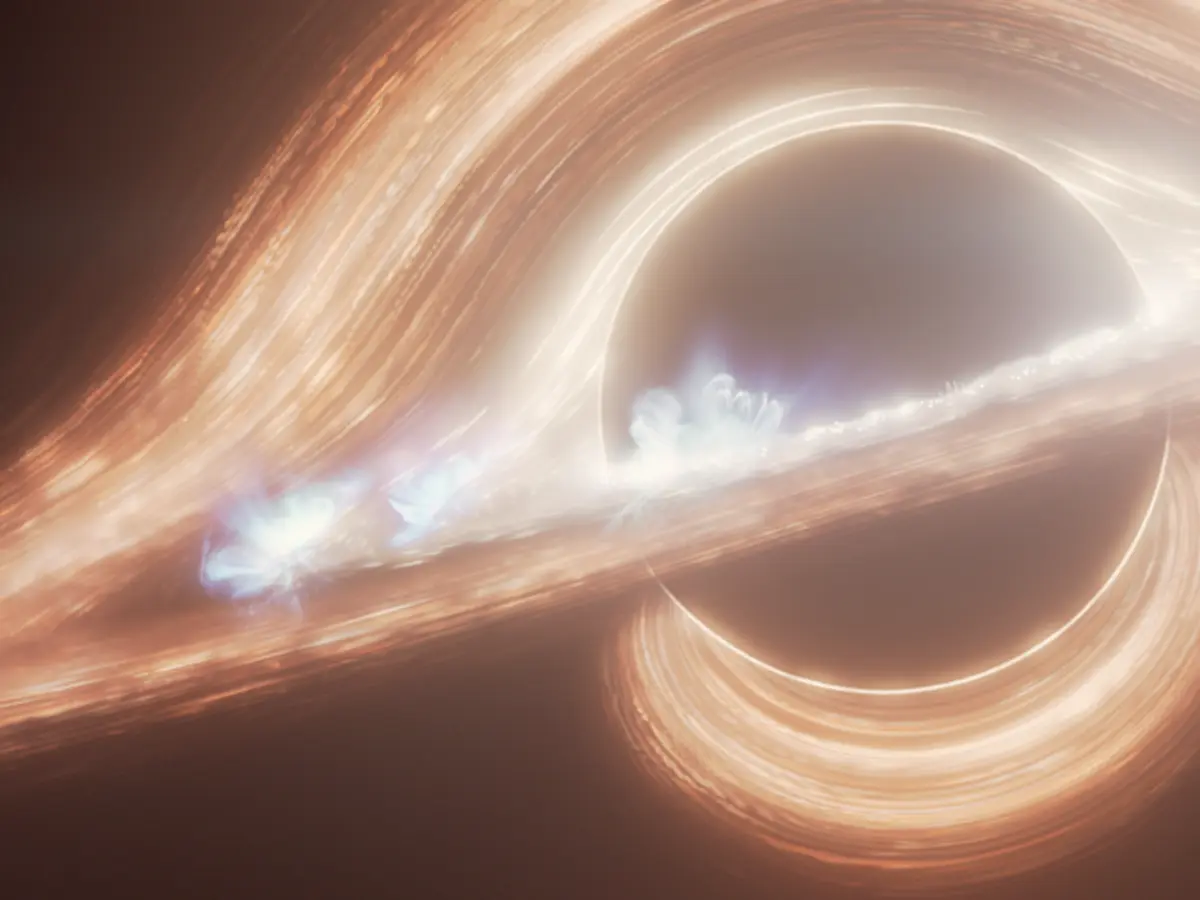
Hawking's theory and the LIGO project
LIGO had tested Hawking's theory in 2021 as well. At that time, it was tentatively confirmed. But the new study and the observation made in January confirm the previous results, researchers at Columbia University, who also worked on the LIGO project, said in a separate statement. The discovery was made by observing the gravitational waves emitted as the black holes merged, which the researchers say can reveal a black hole's size and shape.
Black holes merger causes a "ringing" in space-time
The January event is known as GW250114. The merger caused a "ringing" in space-time, and as soon as the new black hole was formed, it became silent. Study co-author Katerina Chatziioannou said that "ringdown" is like hitting a bell, which rings when disturbed. This is what helped the researchers to confirm that the new black hole had a larger surface area than the two black holes that combined to form it.
)
)
)
)
)