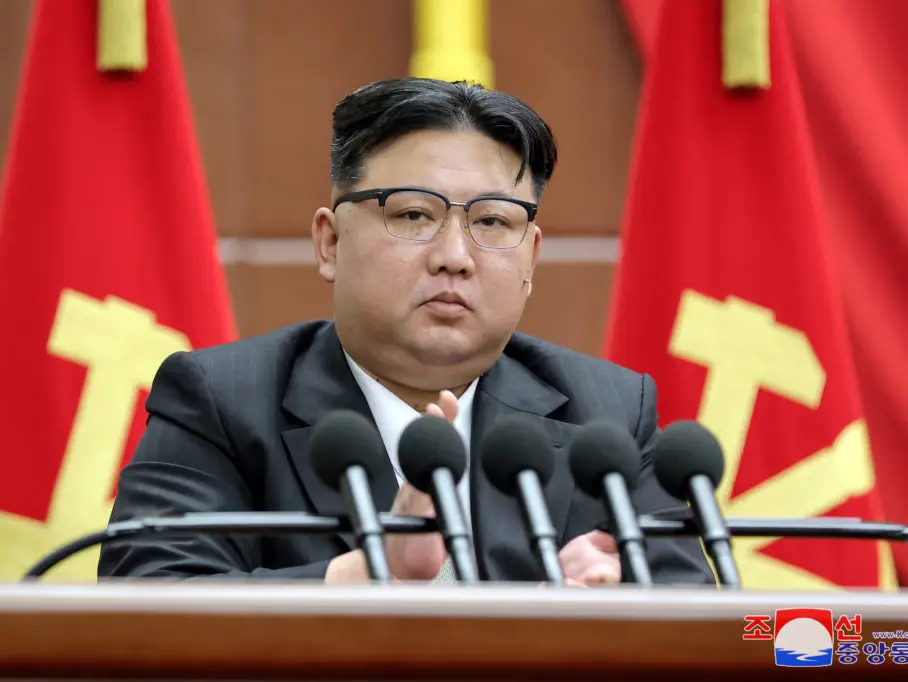
Who ruled North Korea before Kim Jong Un?

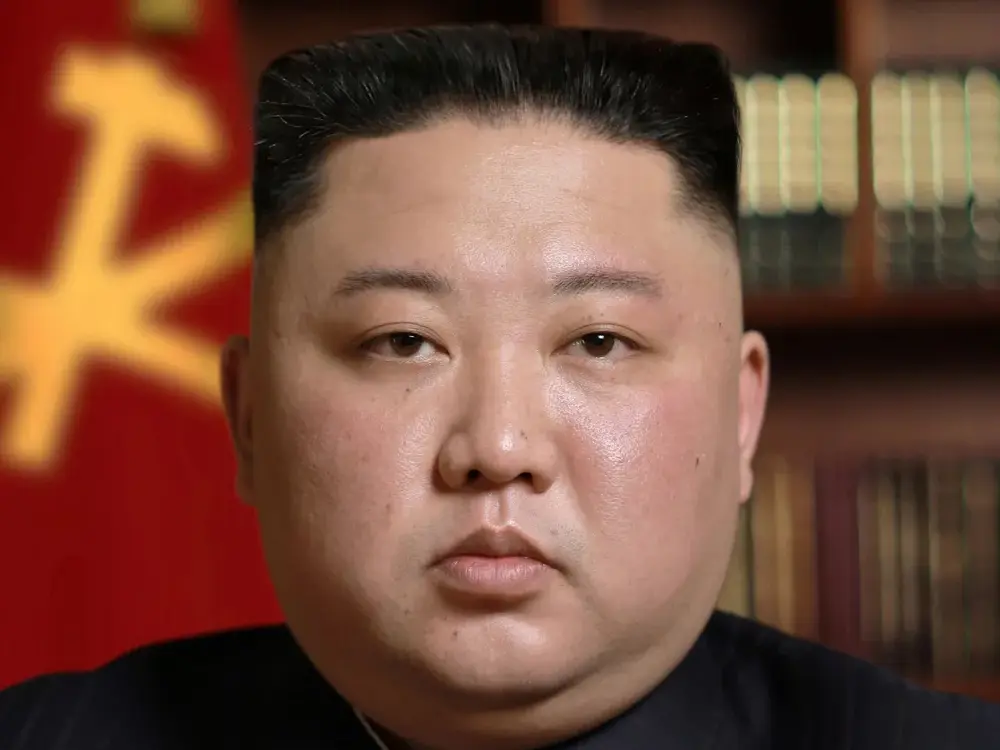
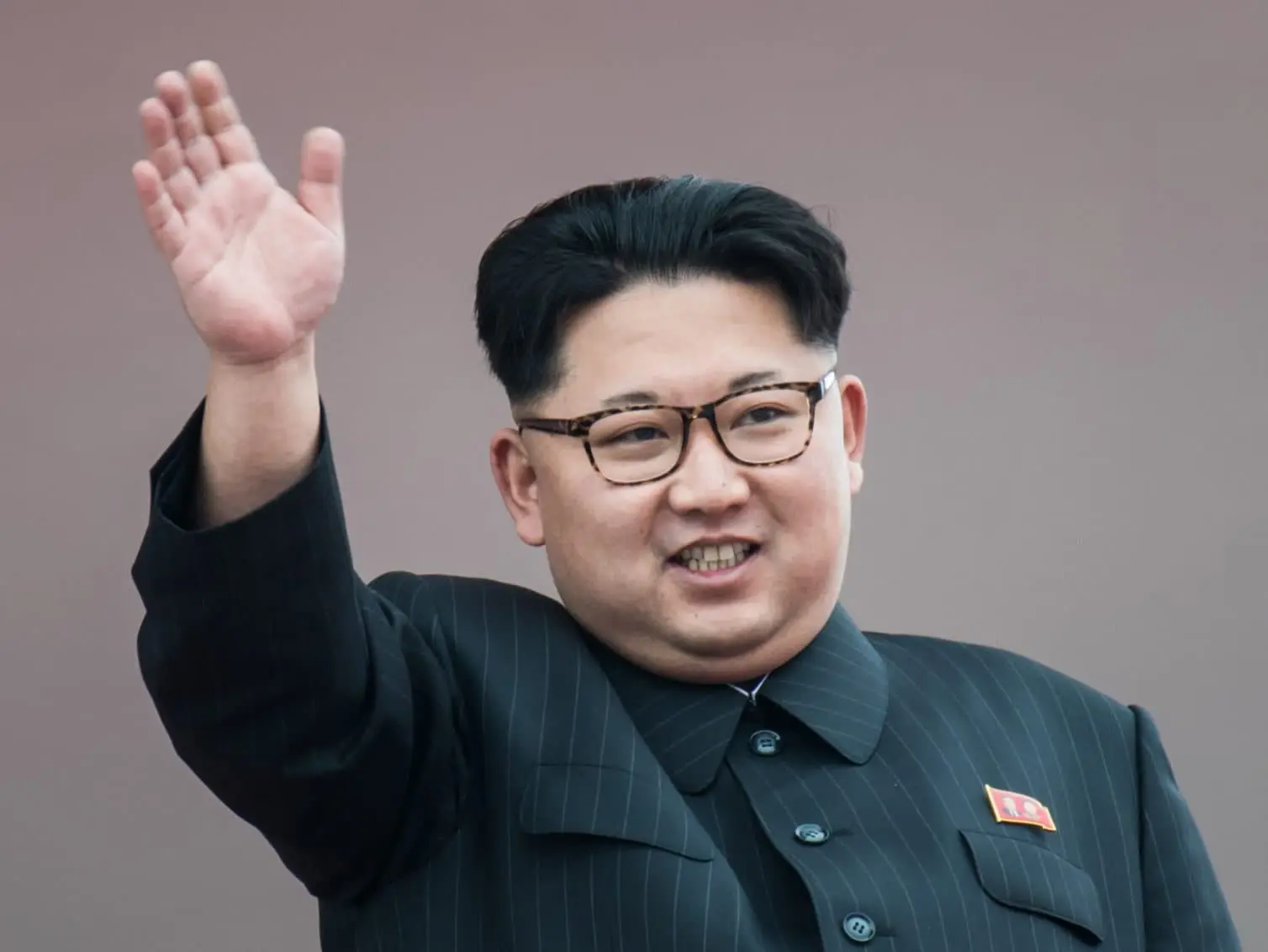
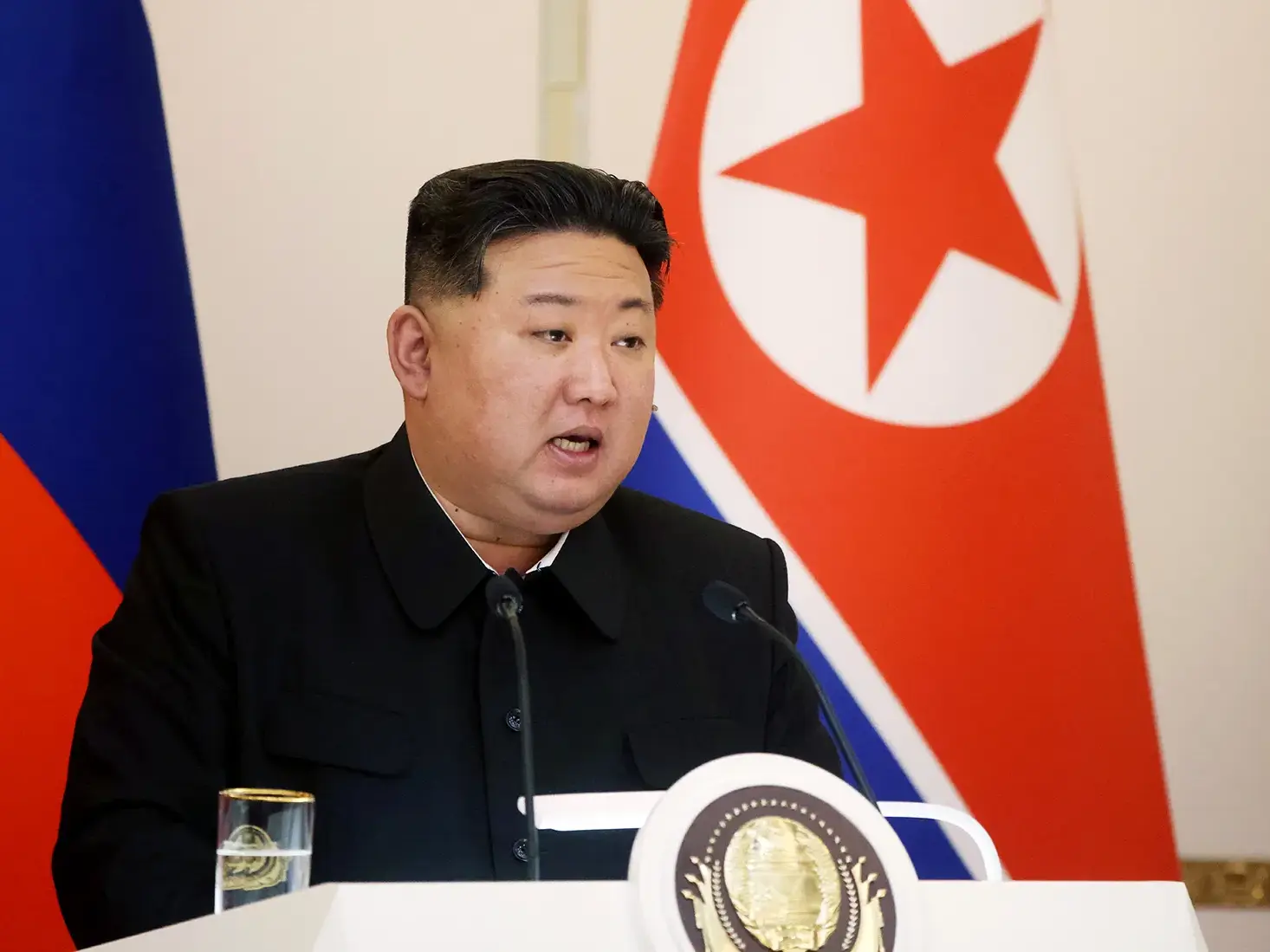
Before Kim Jong Un, North Korea was ruled by his father, Kim Jong Il, from 1994 to 2011, and his grandfather, founder Kim Il Sung, from 1948 to 1994. The Kim dynasty established an absolute totalitarian regime backed by a nuclear arsenal.
The Kim Dynasty
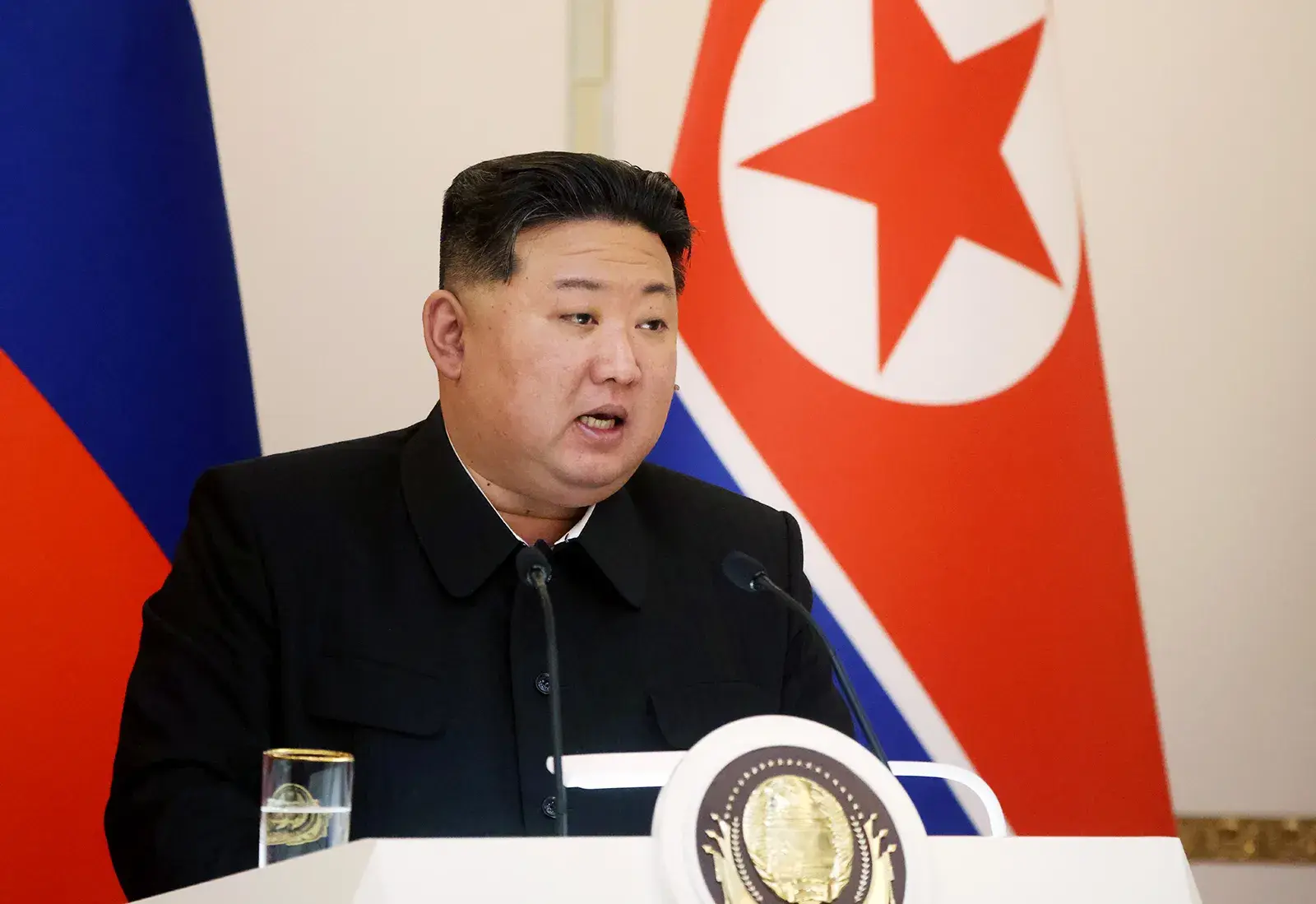
North Korea has been ruled by a single family since its political inception in 1948. Before the current supreme leader, Kim Jong Un, the secretive nation was completely controlled by his father and grandfather through an absolute totalitarian dynasty.
The Nation's Founder
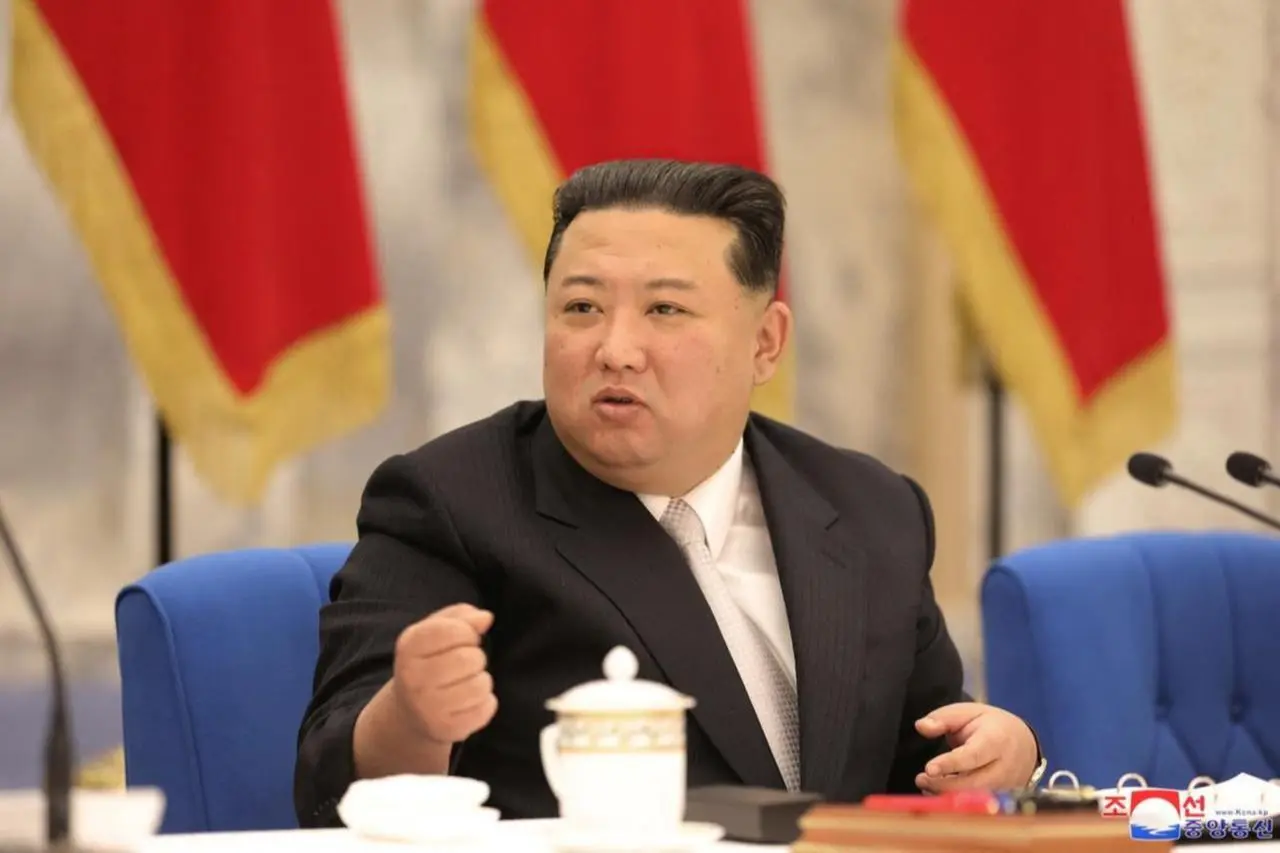
Kim Il Sung officially established the Democratic People's Republic of Korea in 1948 with heavy Soviet military backing. He immediately built a pervasive cult of personality, demanding total, unquestioning loyalty from the newly formed socialist state.
The Eternal President
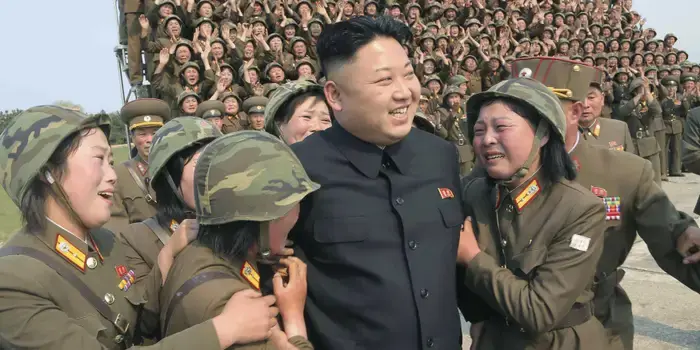
Kim Il Sung governed the heavily isolated nation for nearly five decades until his death from a heart attack in 1994. The state constitution was later amended to declare him the ‘Eternal President’, cementing his permanent spiritual authority over Pyongyang.
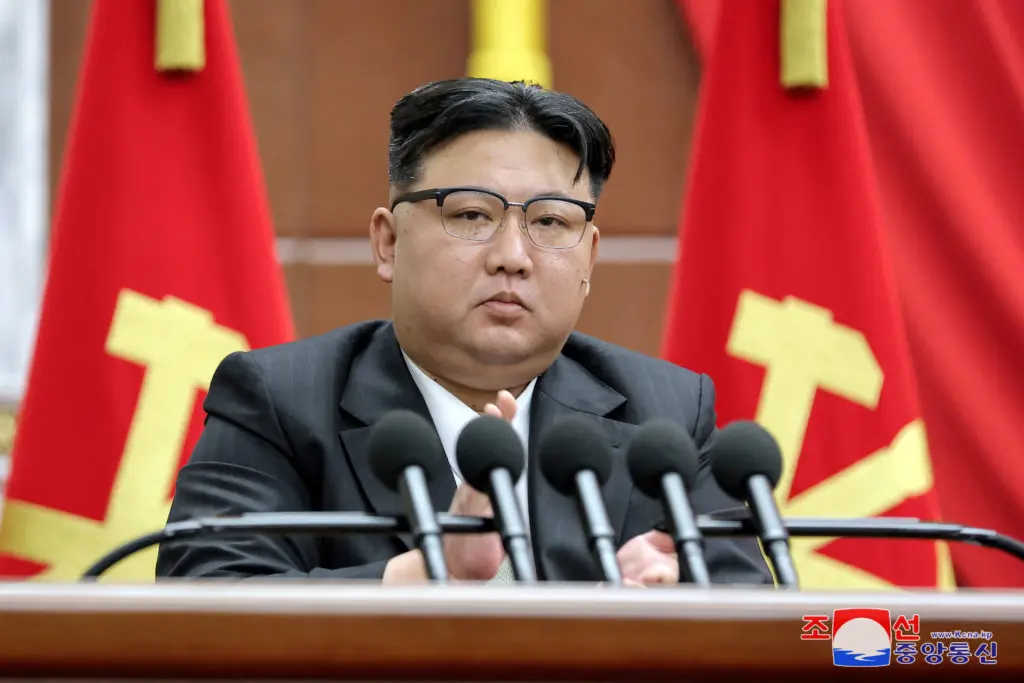
The Dear Leader
Following the founder's death, power smoothly transitioned to his eldest son, Kim Jong Il. Known officially as the ‘Dear Leader’, he had been meticulously groomed for the supreme position since the 1970s within the powerful Workers' Party.
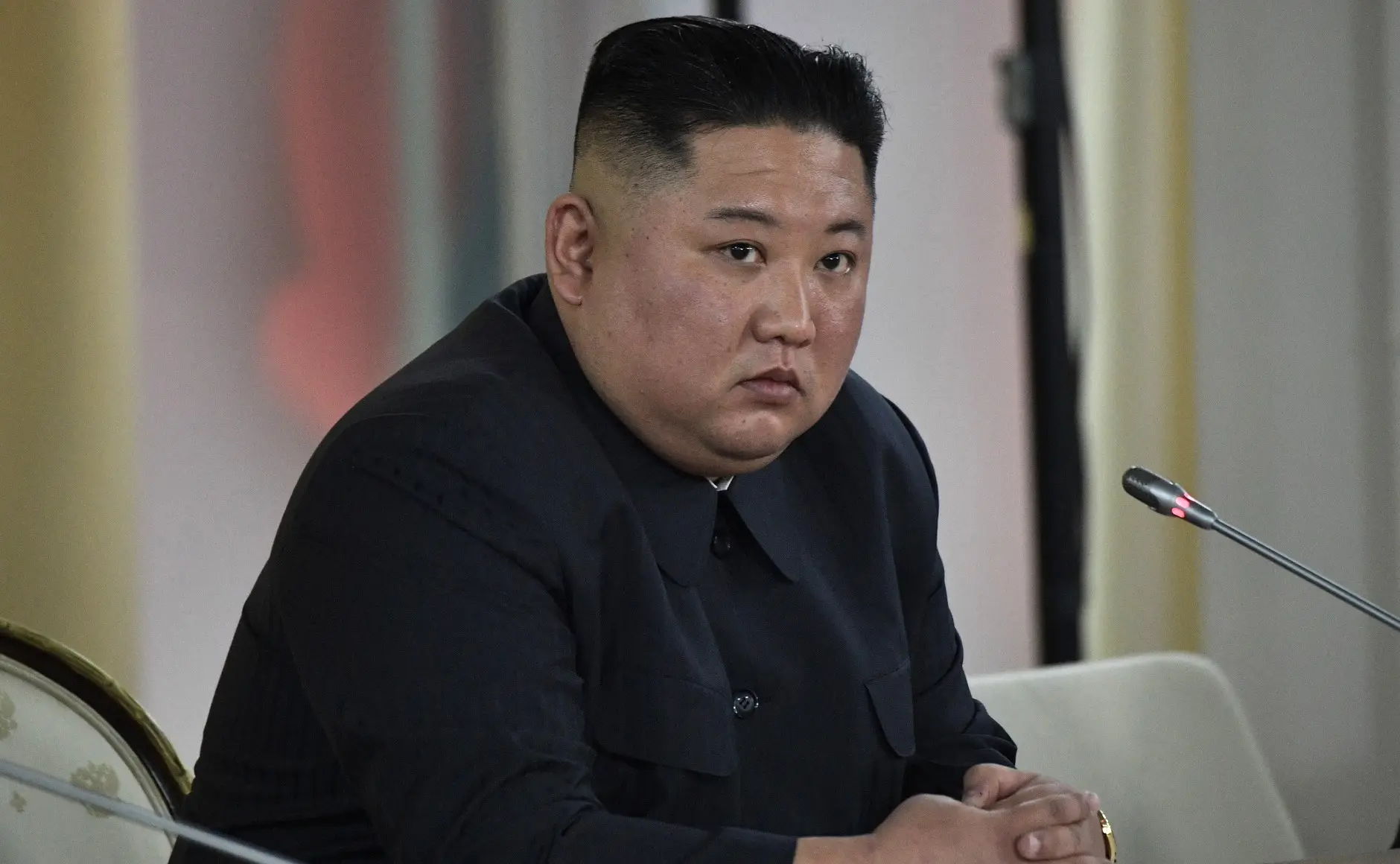
The Military-First Policy
Kim Jong Il inherited a collapsing economy and implemented the strict ‘Songun’ or military-first policy in 1995. This doctrine ruthlessly prioritised the Korean People's Army for resource allocation, contributing to severe civilian famines during the late 1990s.
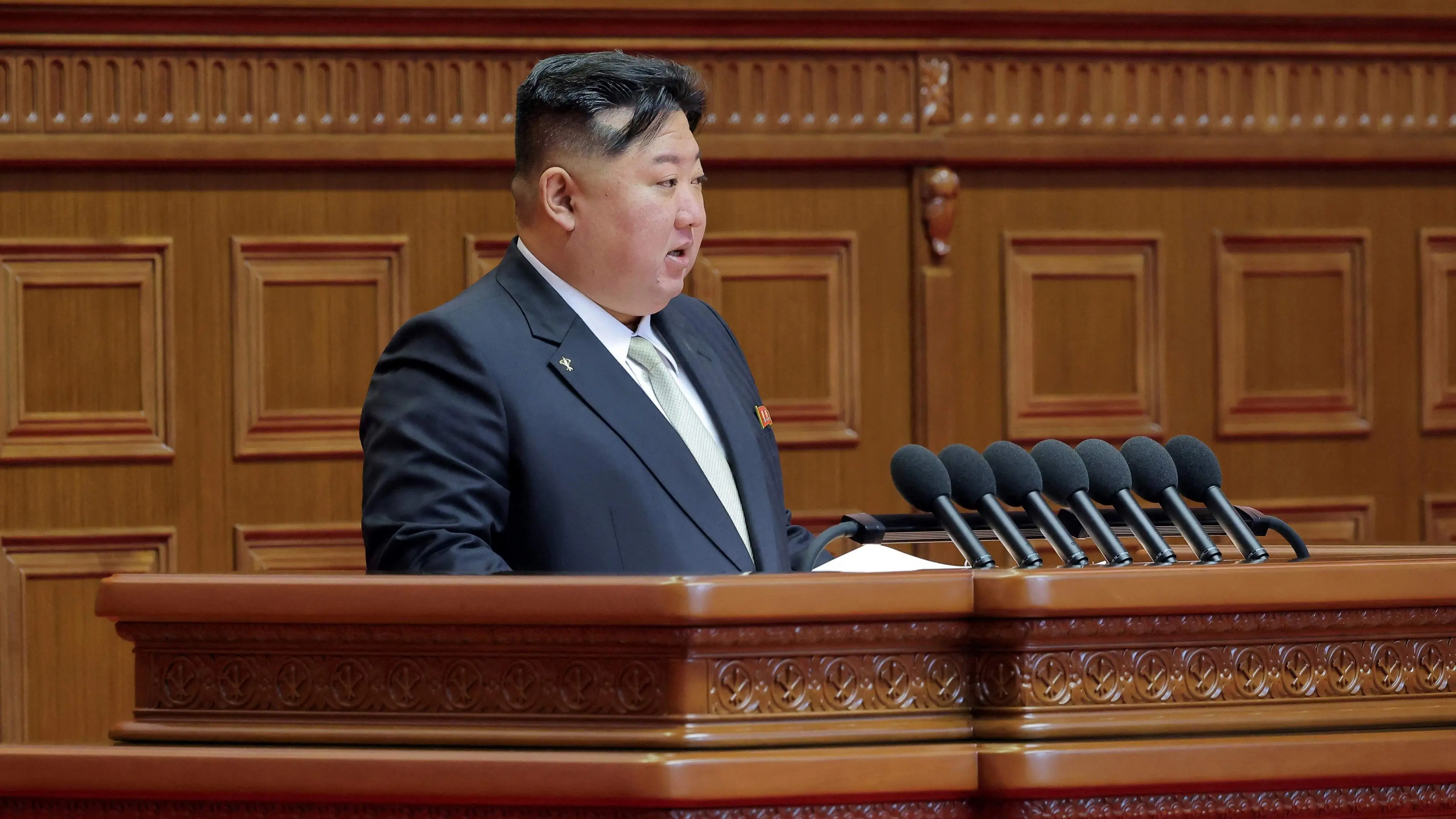
Pursuing the Bomb
To ensure absolute regime survival, Kim Jong Il aggressively accelerated North Korea's clandestine nuclear weapons programme. Under his strict rule, Pyongyang successfully detonated its first underground nuclear test device in October 2006.
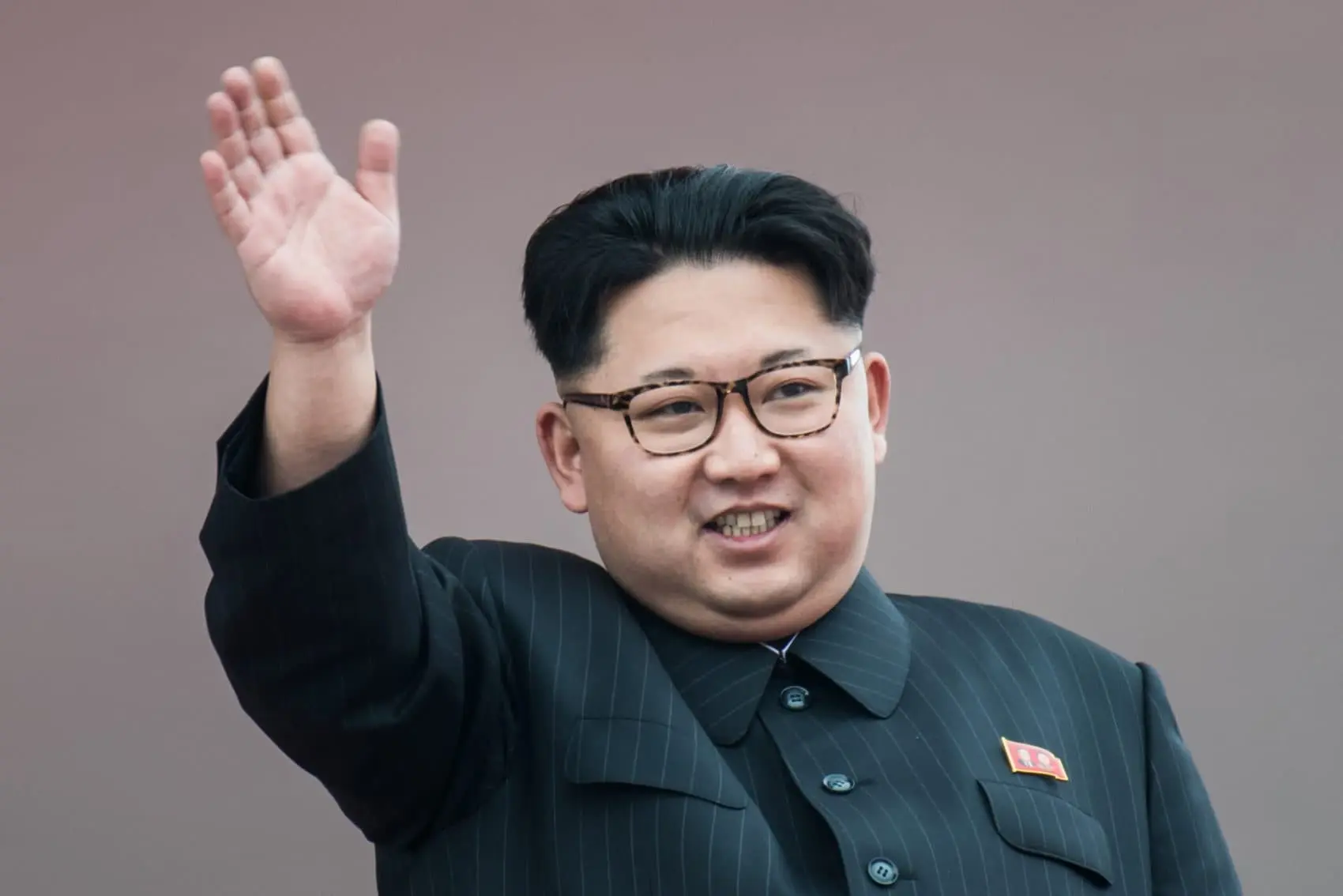
Passing the Baton
Kim Jong Il ruled with an iron grip for 17 years until suffering a fatal heart attack in December 2011. His sudden death paved the way for his youngest son, Kim Jong Un, to assume total control of the nuclear-armed state.