How long has Kim Jong Un been in power?

Taking power in December 2011, Kim Jong Un has ruled North Korea for nearly 15 years. He successfully consolidated absolute authority, rapidly expanded the nation's nuclear and ICBM capabilities.
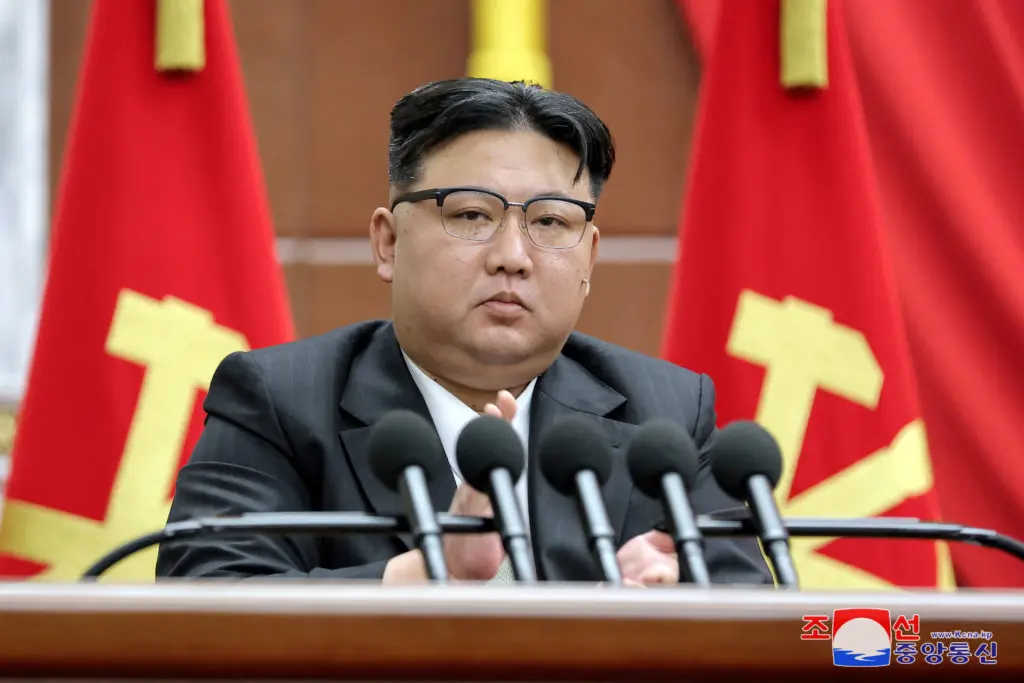
The 2011 Transition
In December 2011, a 27-year-old Kim Jong Un inherited control of North Korea following the sudden death of his father, Kim Jong Il. As of late 2026, he has officially ruled the heavily armed, secretive state for nearly 15 years.
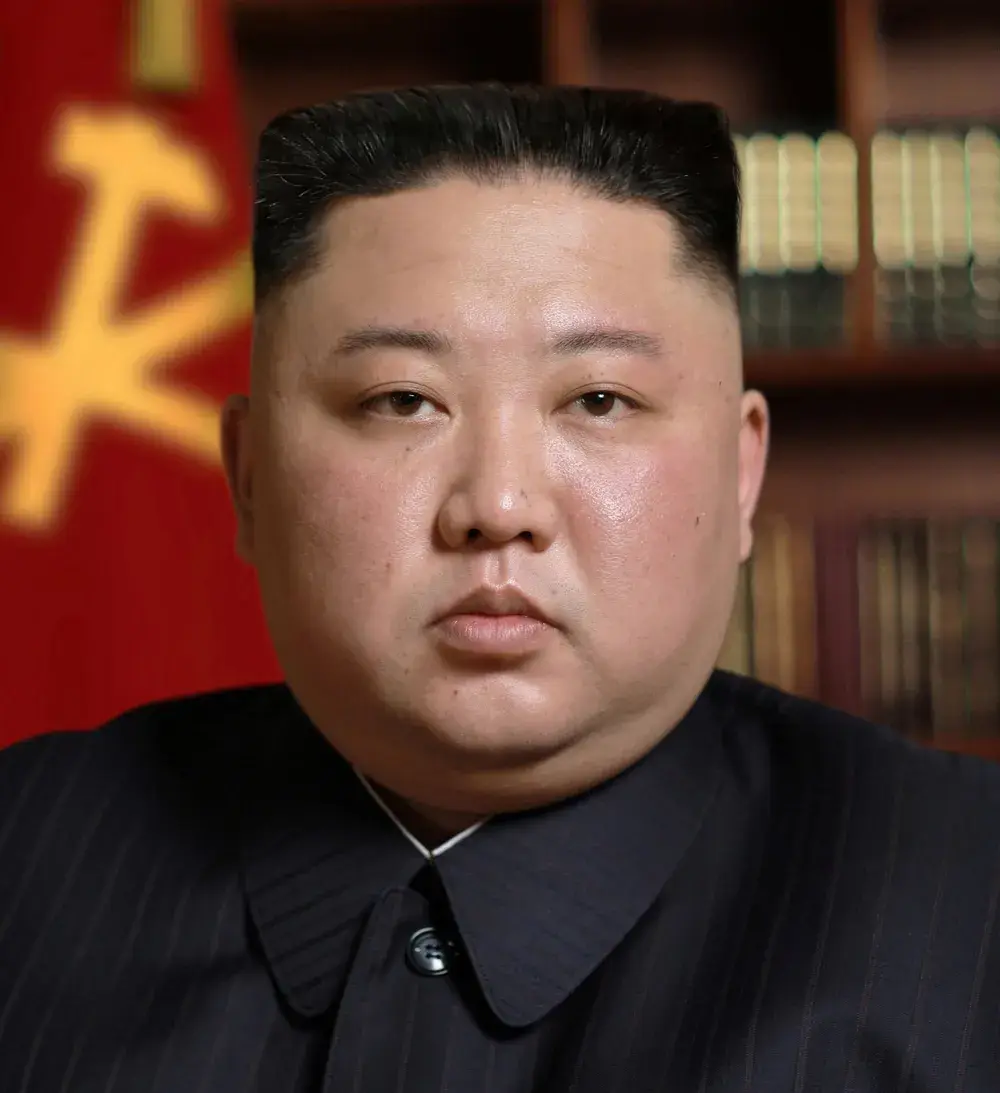
Early Consolidation
Many Western analysts initially predicted his youth and inexperience would lead to a rapid regime collapse. Instead, Kim spent his first few years brutally purging senior military officials and political rivals, including his own uncle, to consolidate absolute power.
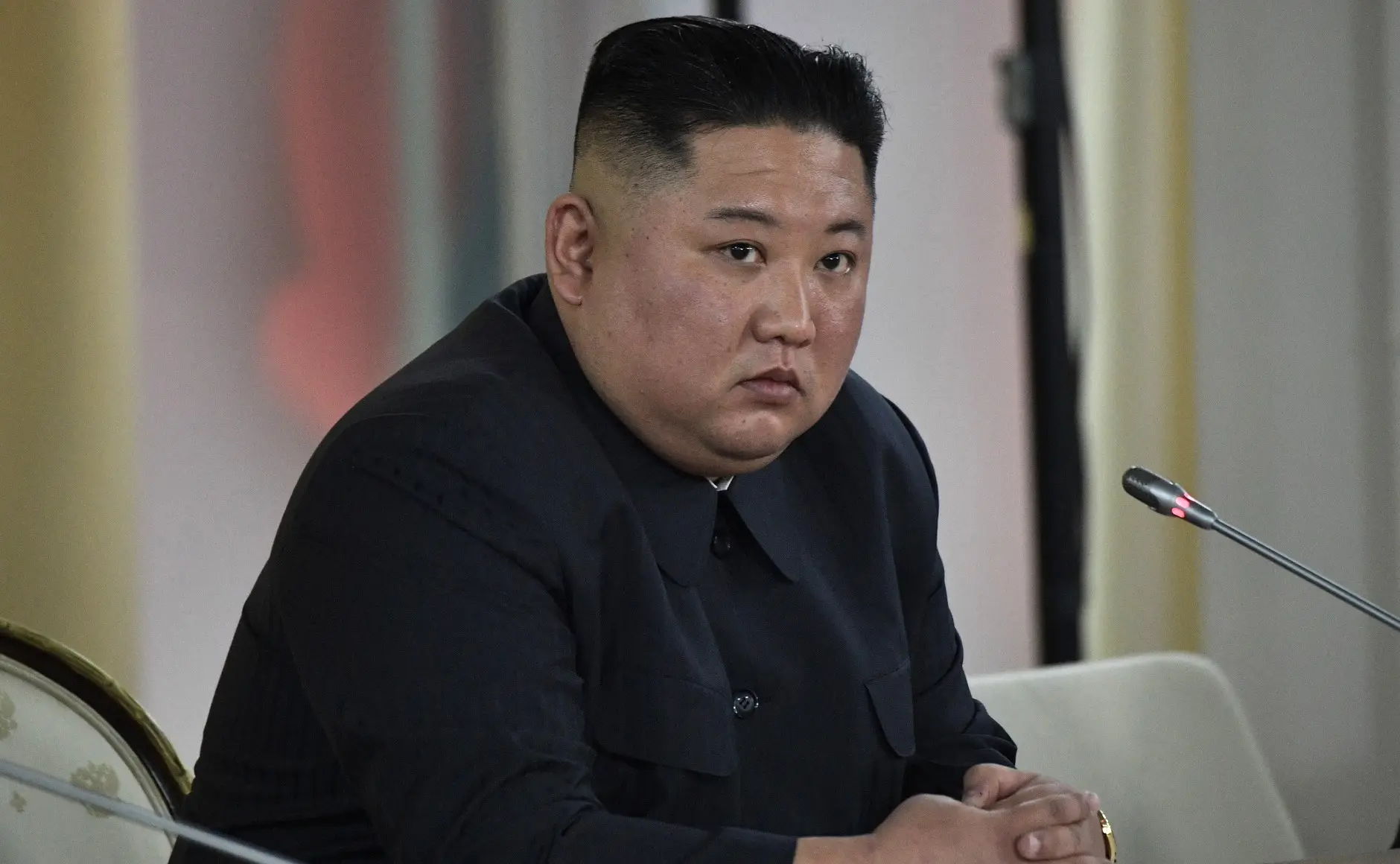
The Nuclear Drive
During his decade and a half in power, Kim aggressively accelerated Pyongyang's weapons capabilities. He has overseen four of the country's six nuclear tests, officially declaring North Korea an irreversible nuclear weapons state.
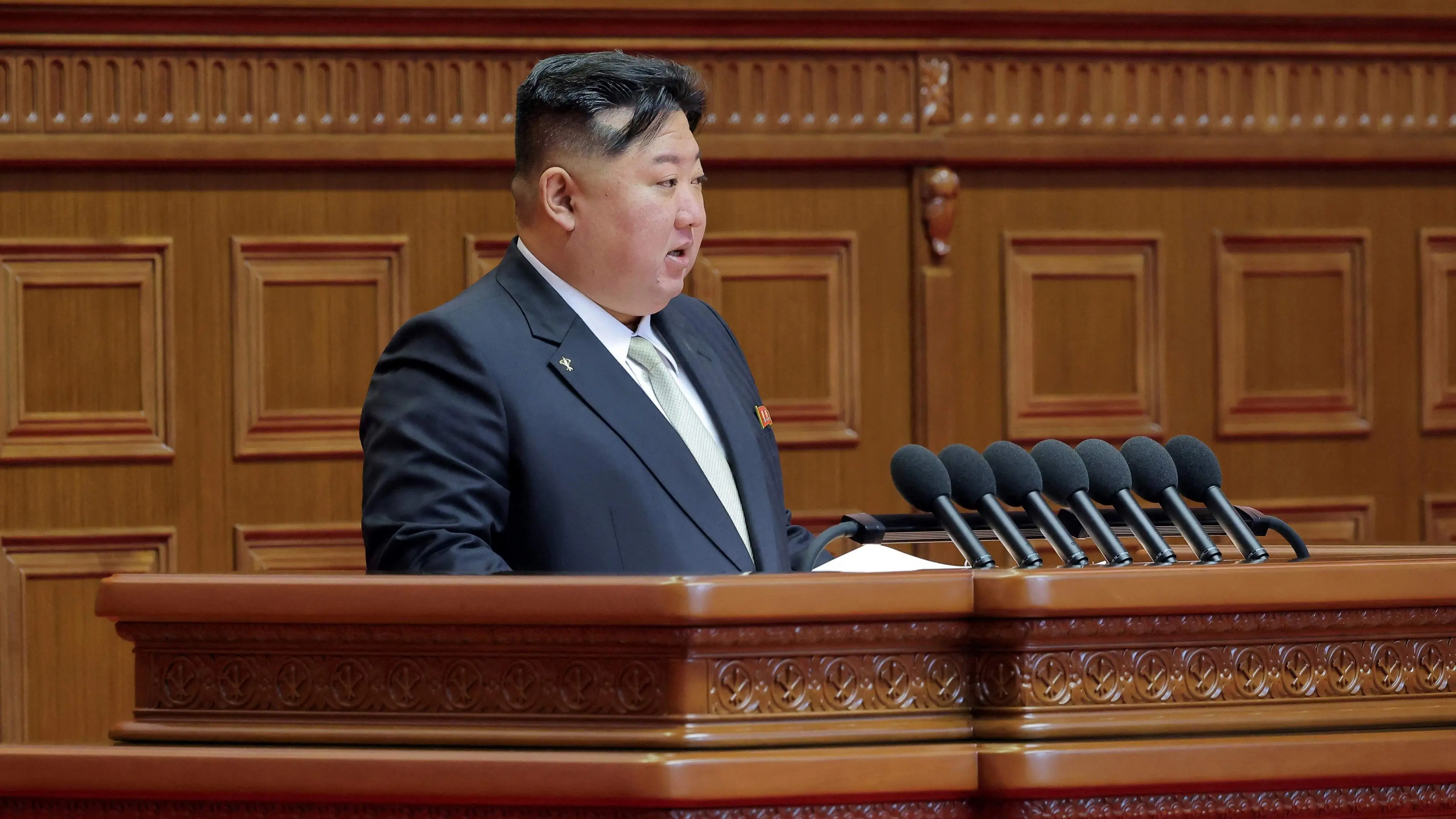
Advanced Missile Tech
His tenure has been defined by unprecedented advancements in ballistic missile technology. Under his strict command, the Korean People's Army has successfully launched solid-fuel intercontinental ballistic missiles capable of striking the United States mainland.
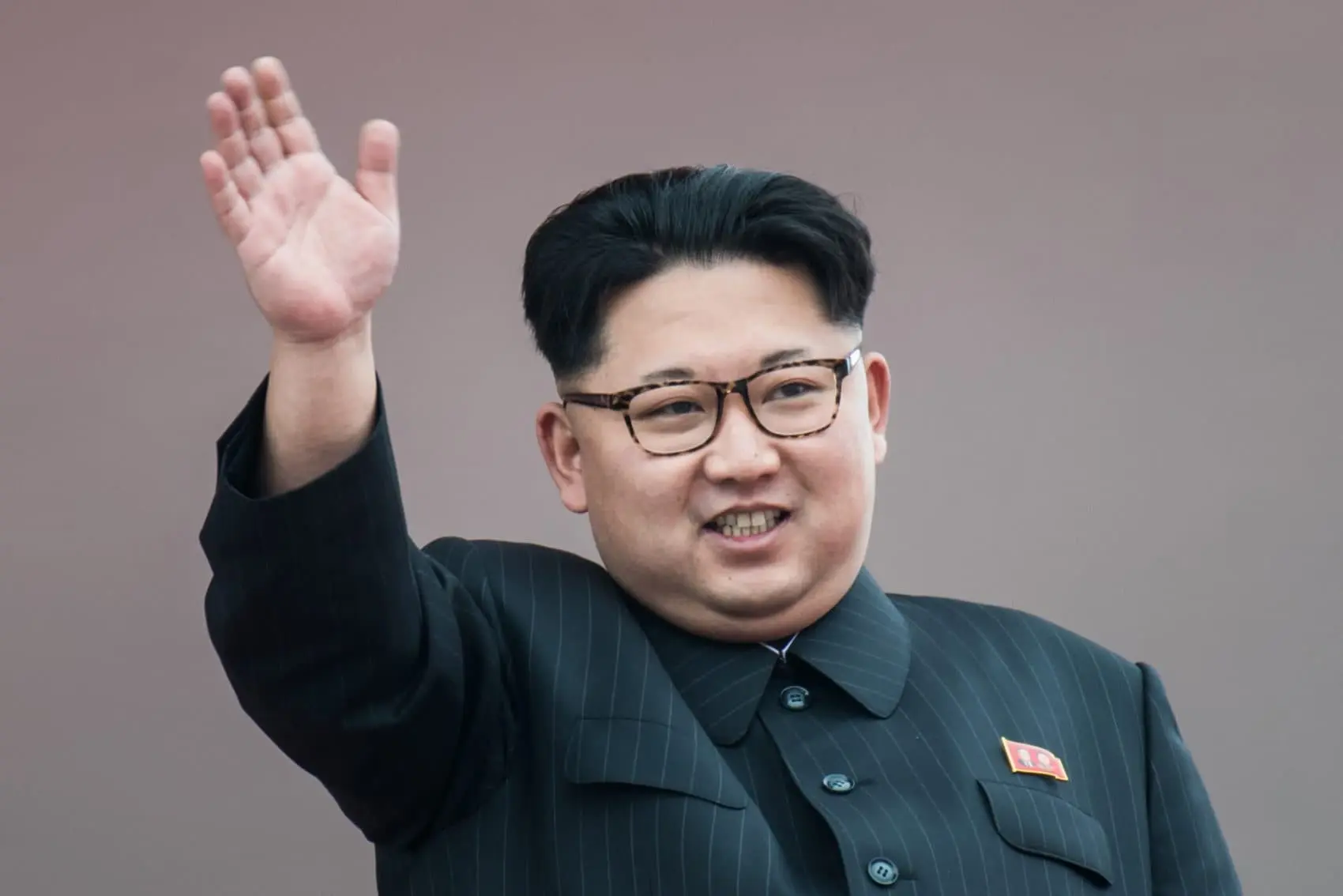
High-Stakes Diplomacy
Kim Jong Un made global history in 2018 by becoming the first North Korean leader to meet a sitting US President. Despite high-profile summits in Singapore and Vietnam, nuclear negotiations ultimately stalled, leading to renewed military expansion.
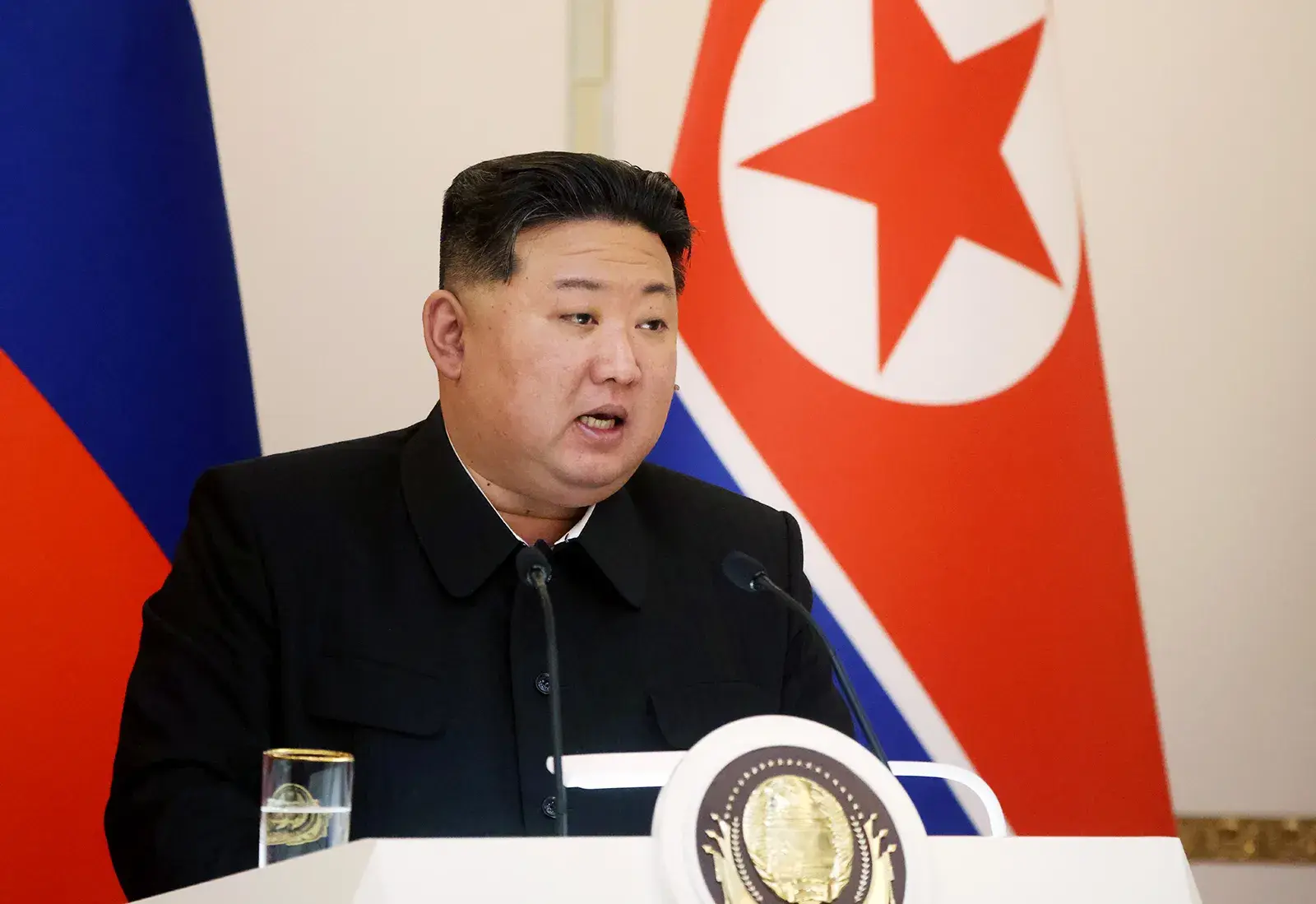
Forging Global Alliances
As he approaches the 15-year mark of his rule, Kim has significantly pivoted his foreign policy. He has deepened strategic and military ties with Russia, supplying munitions for global conflicts in exchange for advanced aerospace technology.
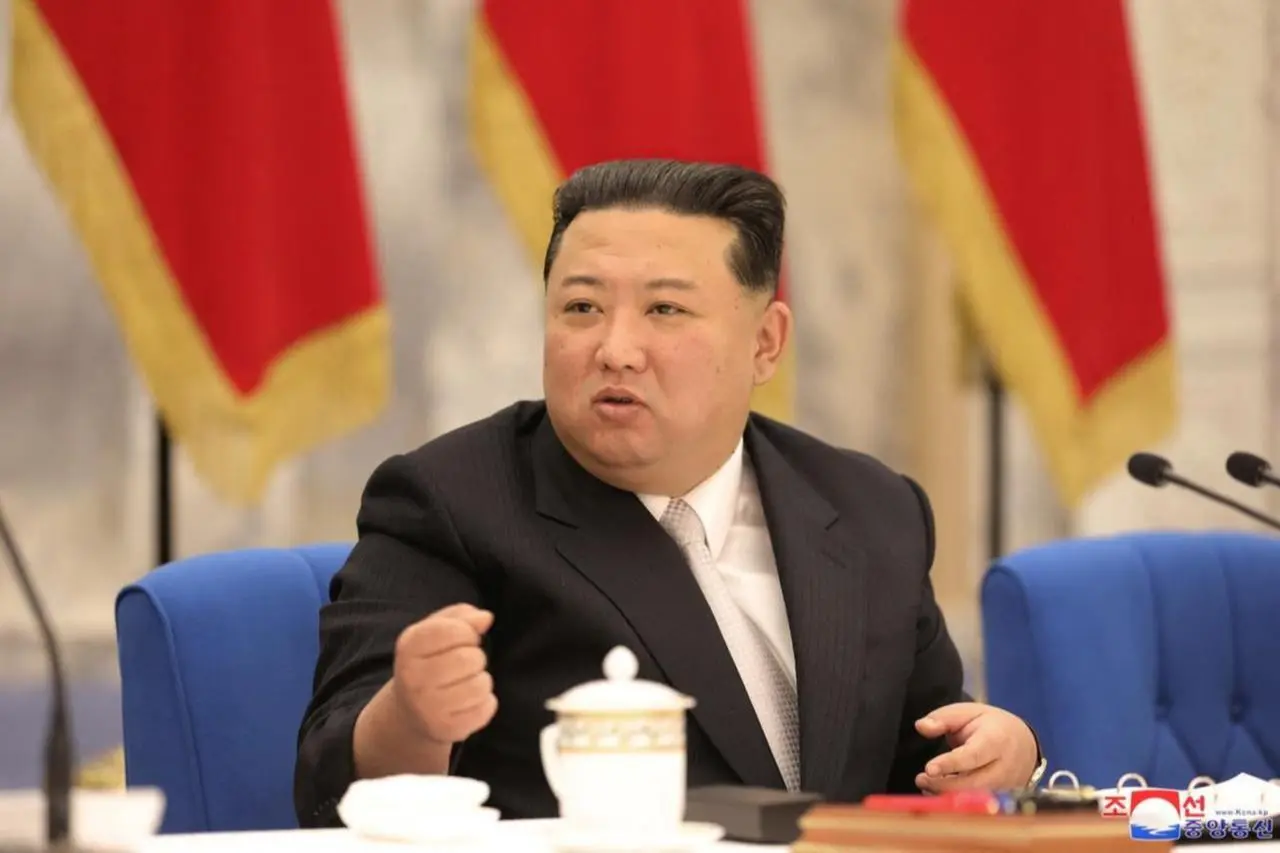
An Iron Grip
Beyond military expansion, Kim has tightened his absolute grip on North Korean society. Over the past 15 years, he has completely sealed the national borders and enacted extreme cultural preservation laws to block all foreign media and influence.