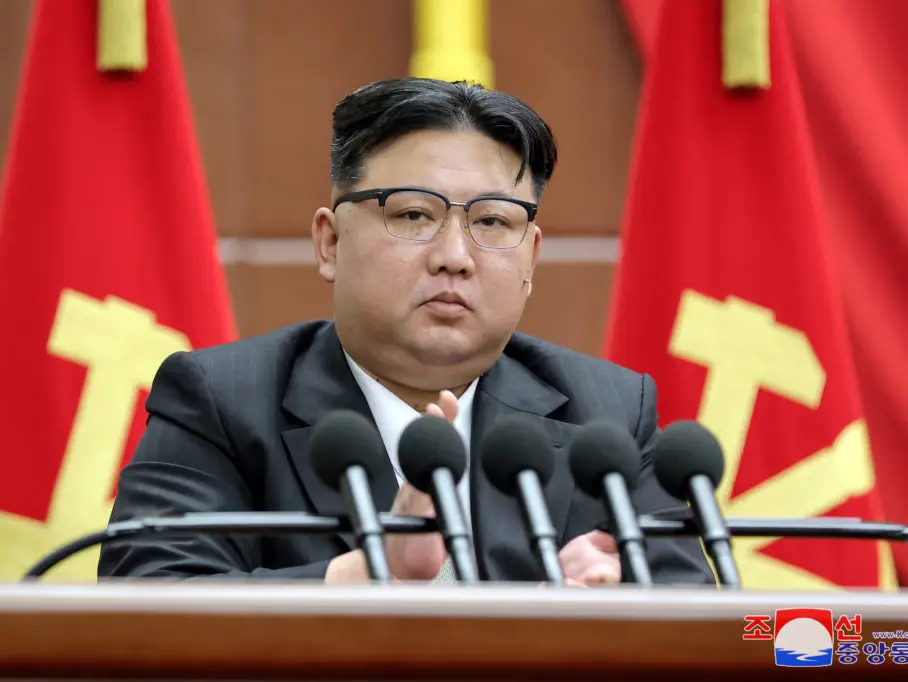
Kim Jong Un took power in his 20s: How did he become North Korea's supreme leader?

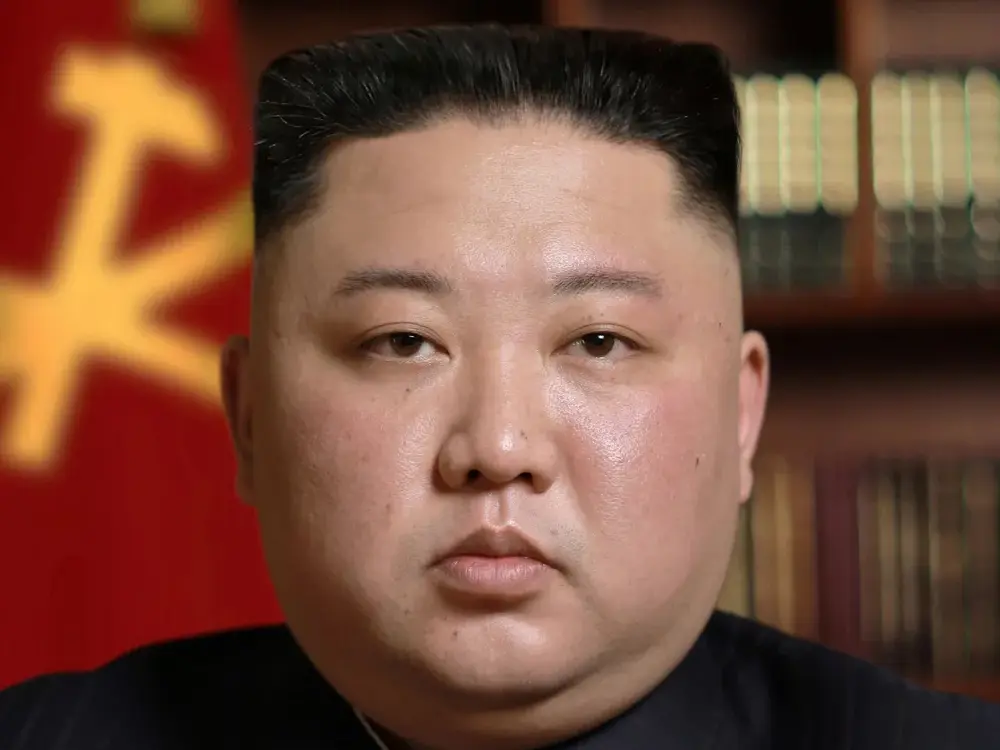
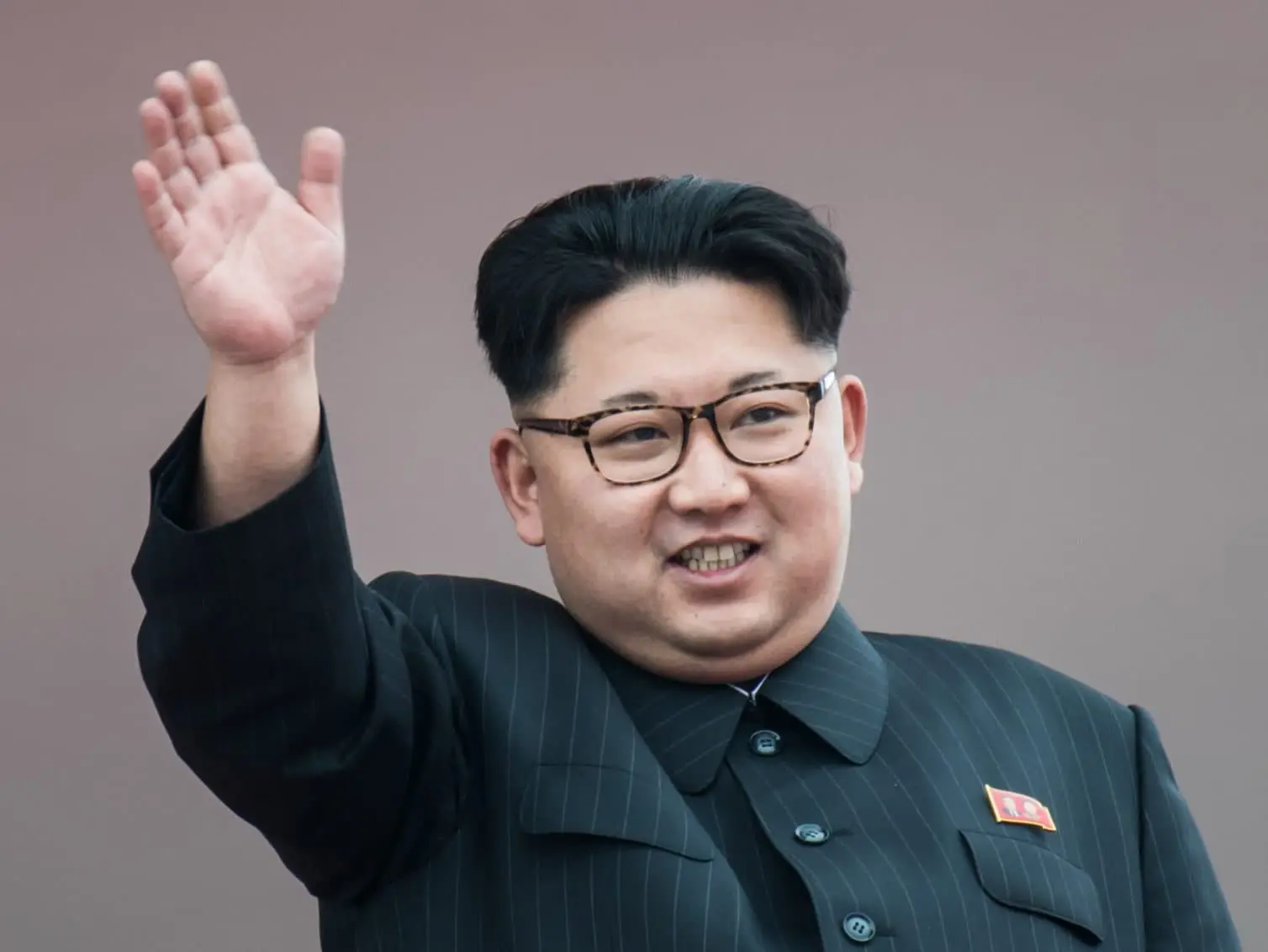
Following Kim Jong Il's death in December 2011, his youngest son Kim Jong Un took power at roughly 27 years old. A rapid promotion to four-star general in 2010 helped secure his swift ascension to supreme leader of North Korea.
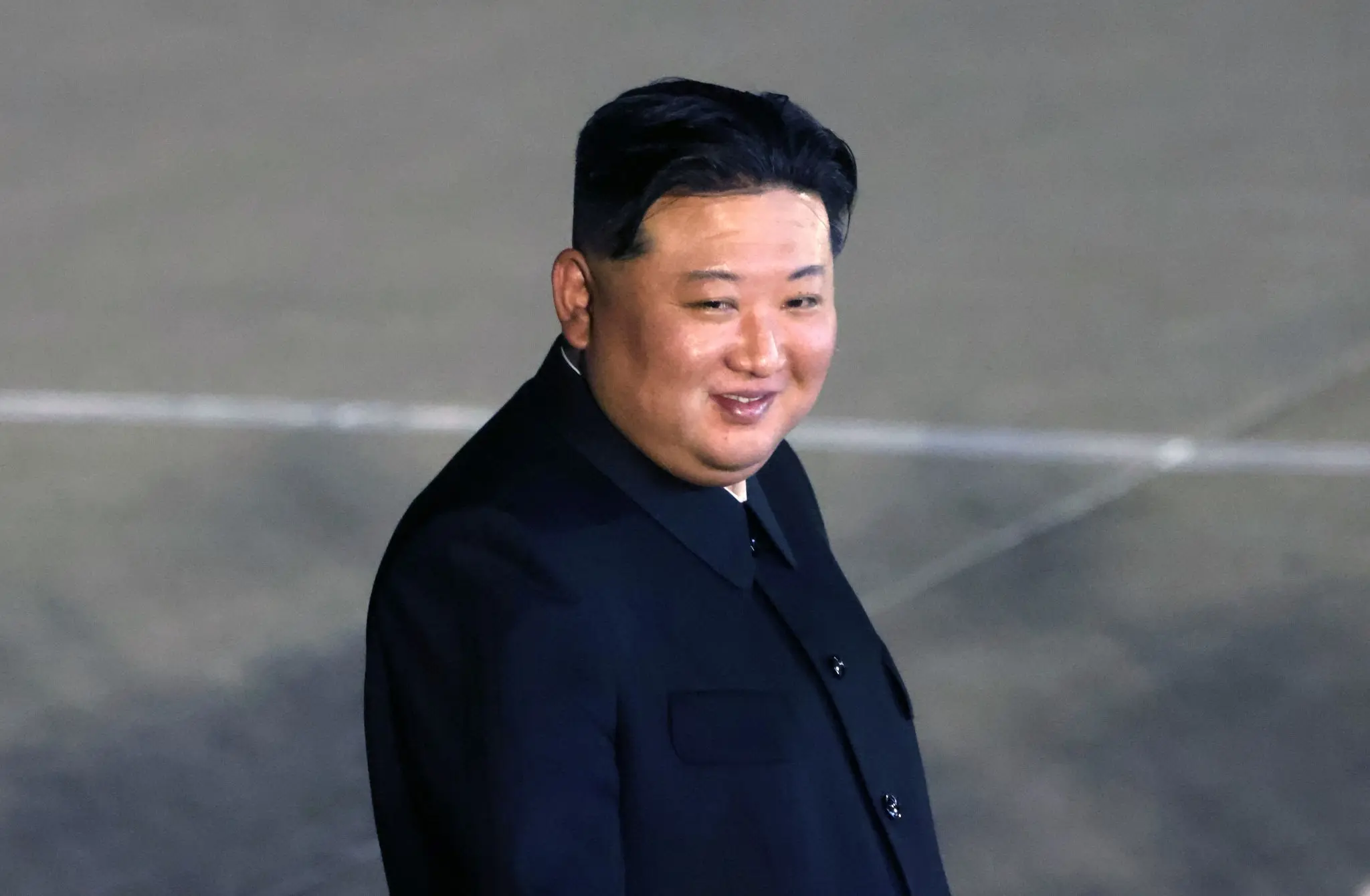
A secretive early education
Before entering North Korean politics, Kim Jong Un lived most of his early life completely out of the public eye. He secretly attended an international state school in Switzerland from 1998 to 2000, posing as the son of a diplomat.
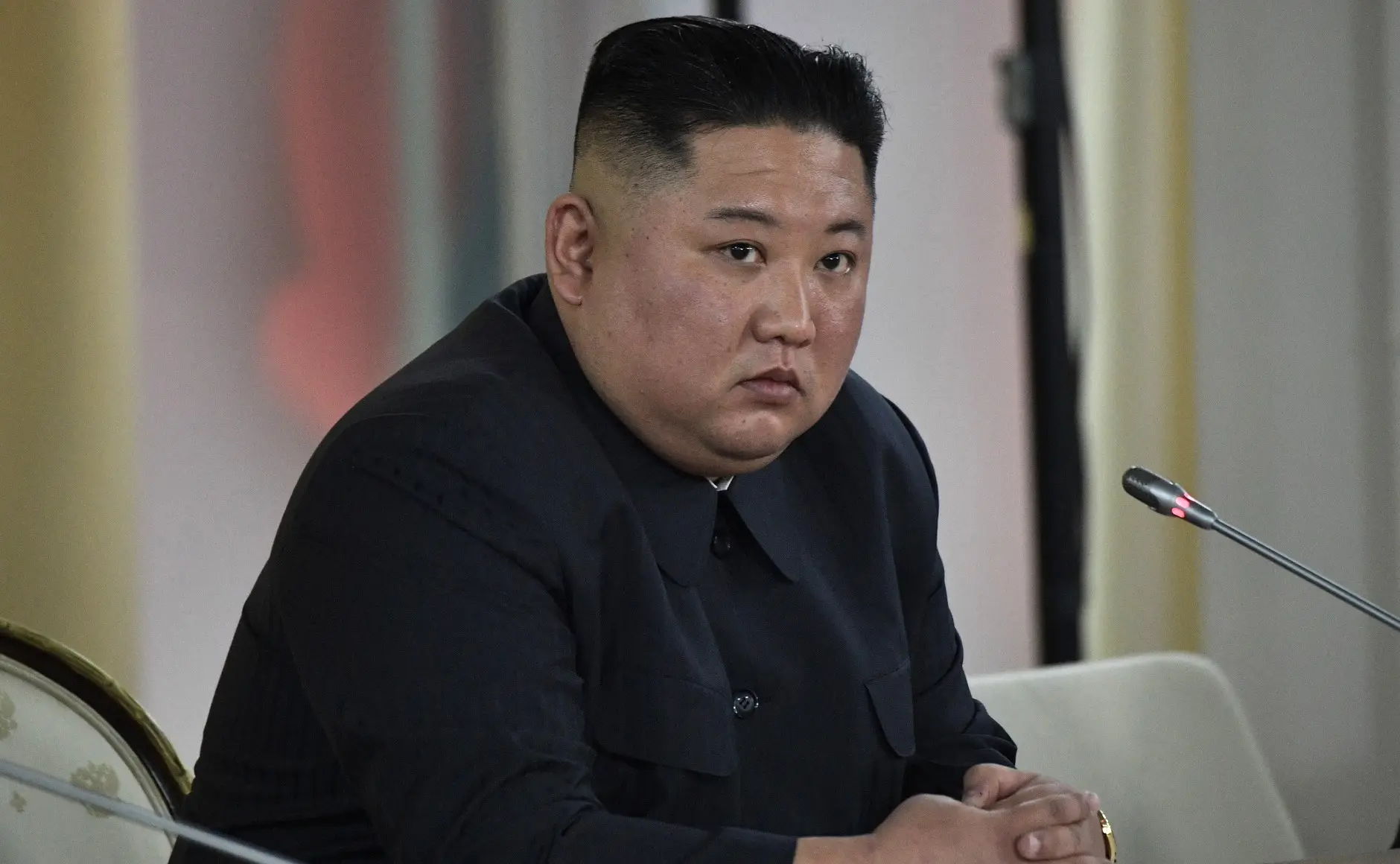
Military training in Pyongyang
After returning home, he studied at the Kim Il Sung Military University in Pyongyang between 2002 and 2007. During his young adult years, he began accompanying his father on official military inspections to gain visibility within the regime.
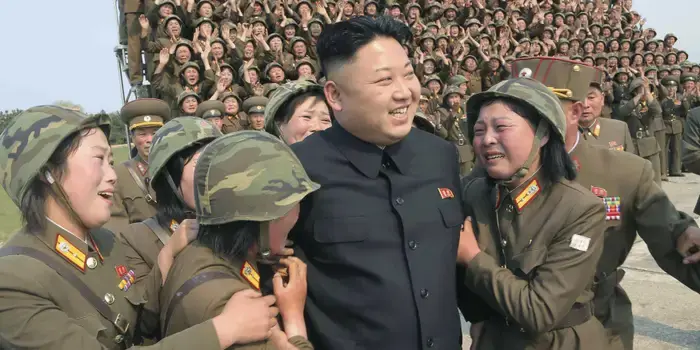
Rapid military promotion
To establish his political authority before his father's passing, the regime quickly elevated his military status. In 2010, he was made a four-star general in the Korean People's Army, despite having absolutely no prior combat experience.
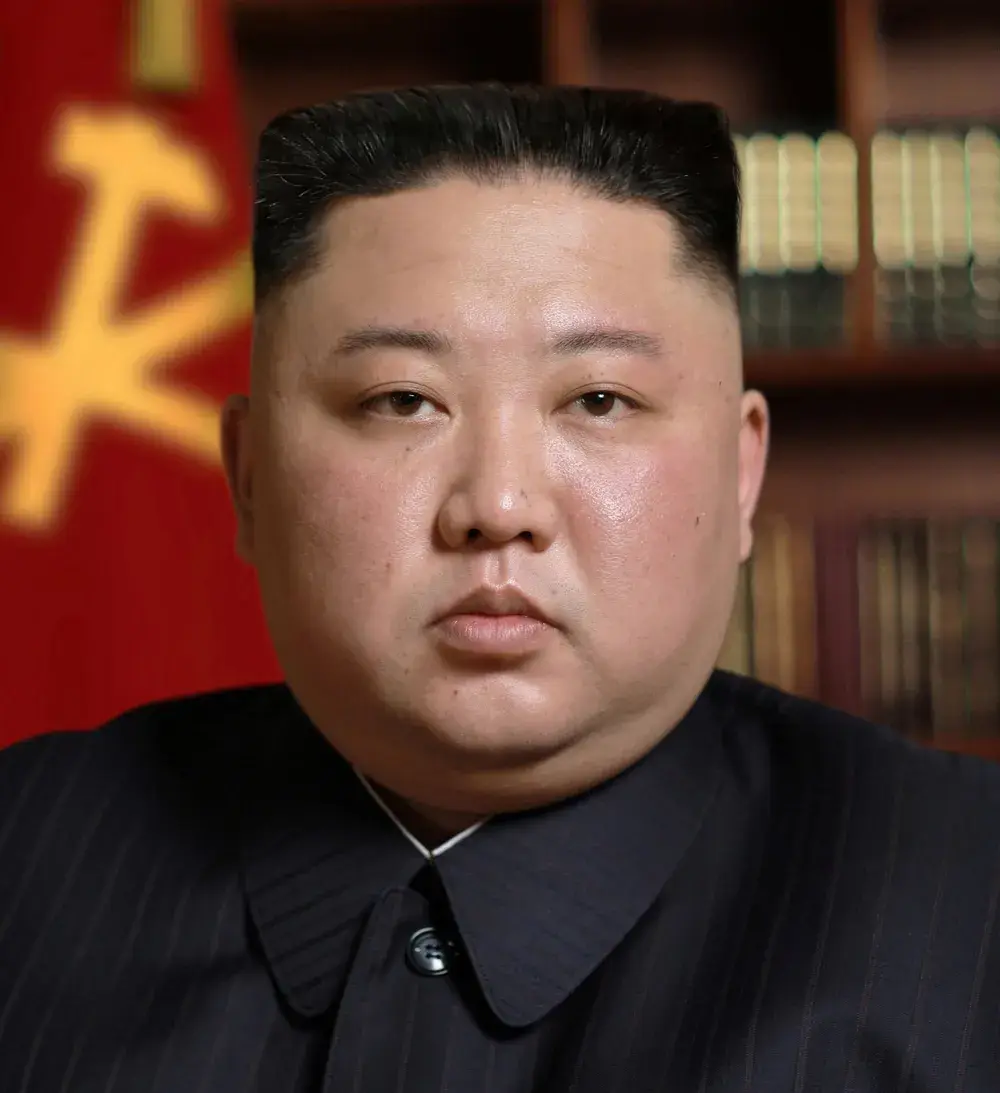
The sudden succession
When Kim Jong Il died on 17 December 2011, North Korean state media immediately urged citizens to pledge allegiance to his youngest son. He officially assumed the role of supreme leader just days later at roughly 27 years old.
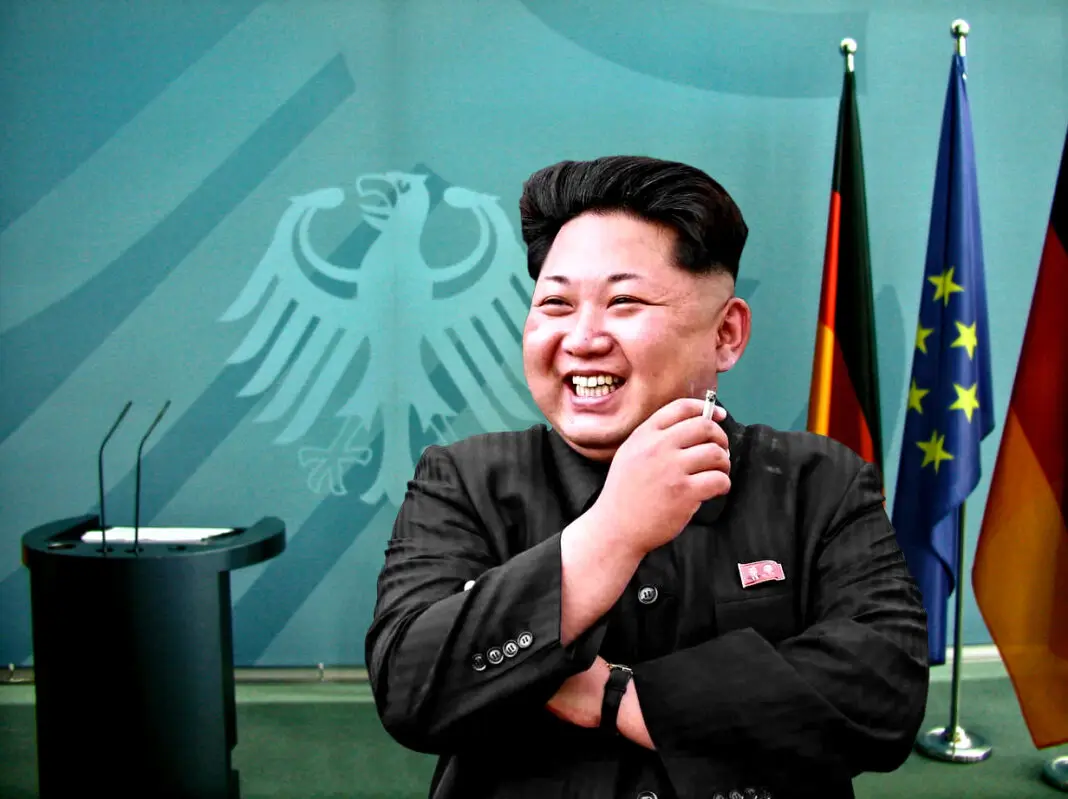
Consolidating total power
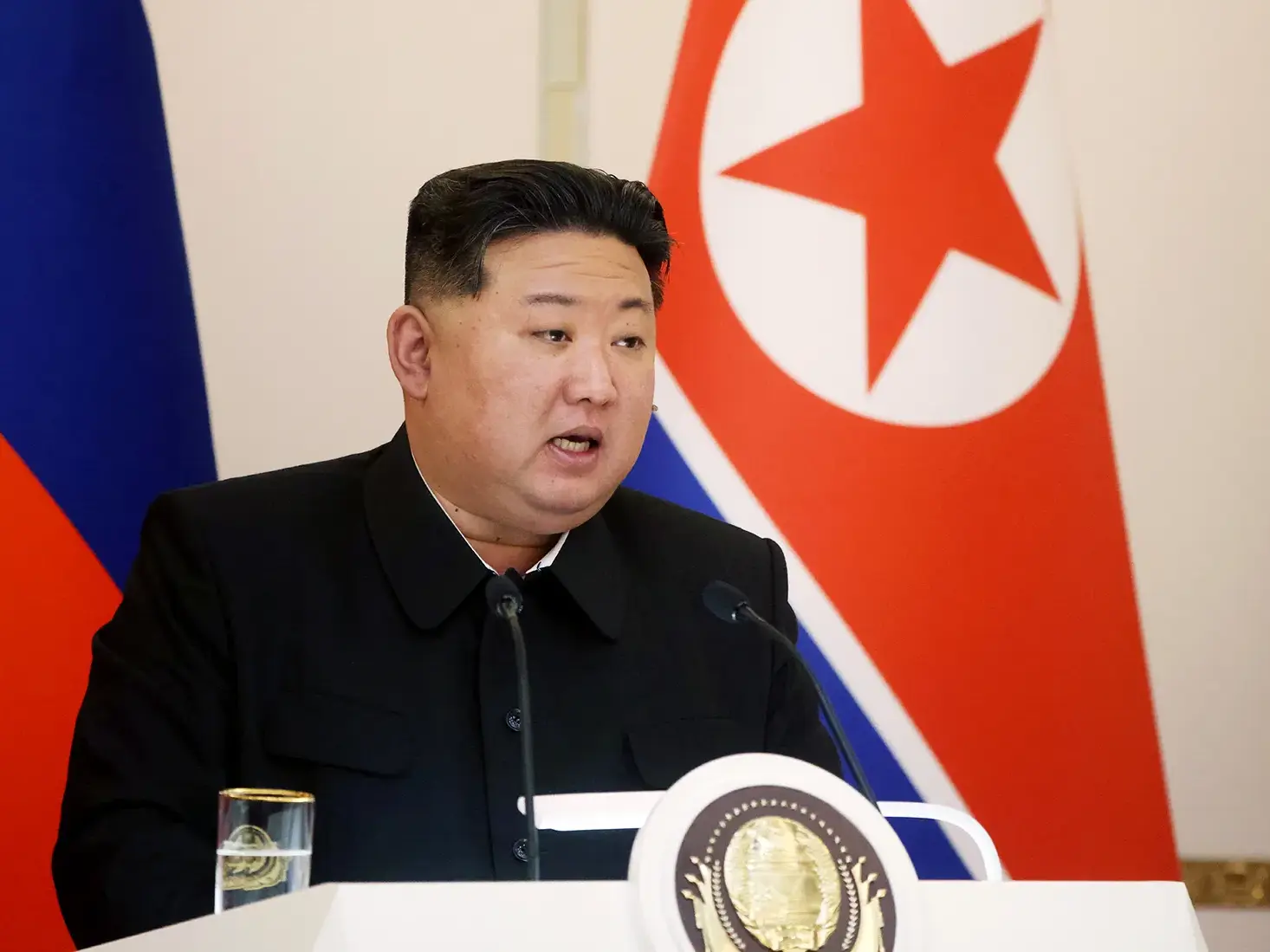
Following the succession, Kim Jong Un ruthlessly consolidated his absolute power over the national government and military. He swiftly replaced older officials, accelerated the national nuclear weapons programme, and continued the Kim dynasty's rule.