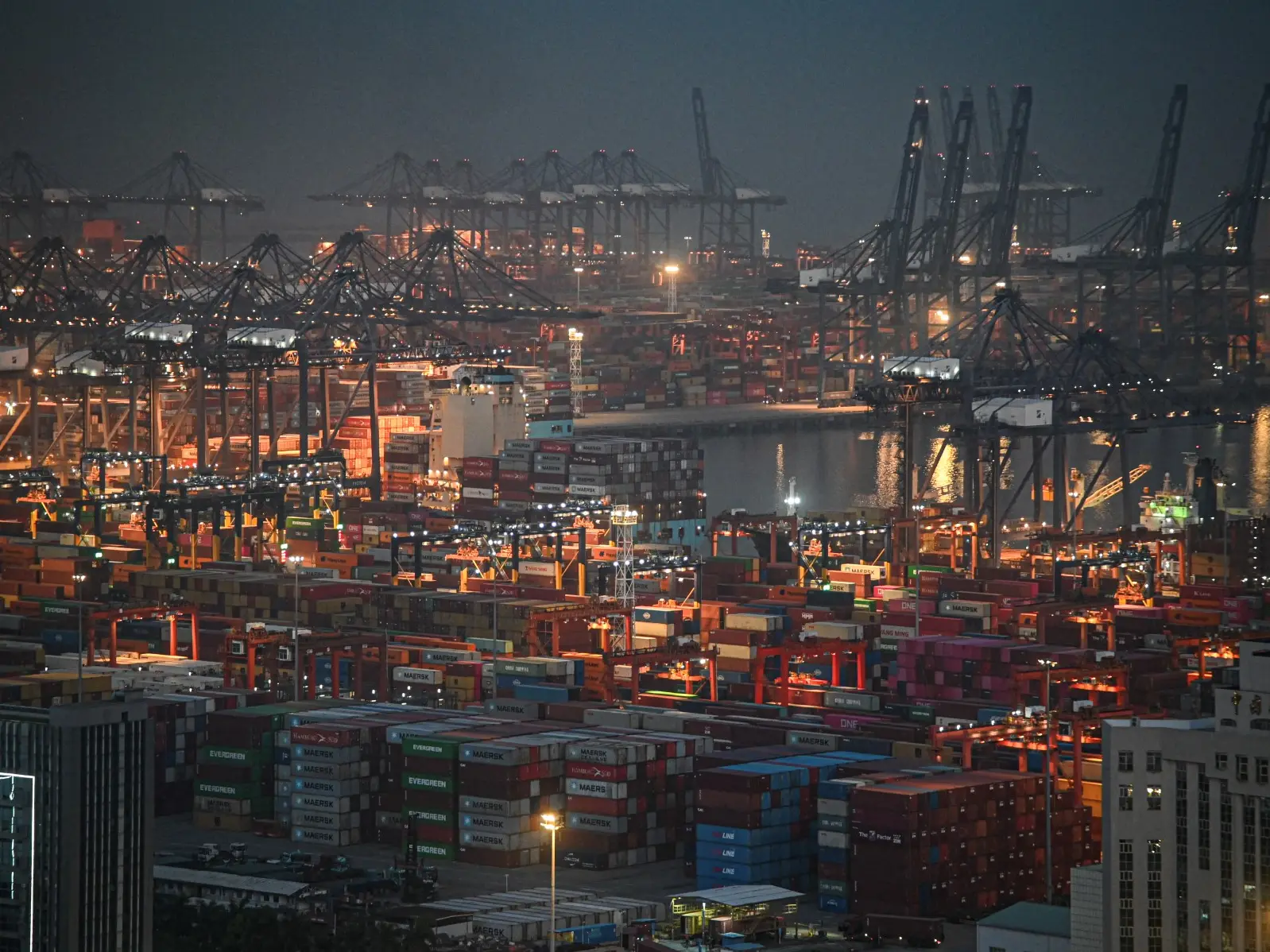
Top 10 busiest container ports in the world in 2025: China dominates ranking

China dominates the world's busiest container ports in 2025, with Shanghai leading at 55.1 million TEUs, according to data compiled by Visual Capitalist based on Lloyd's List 2026 rankings.
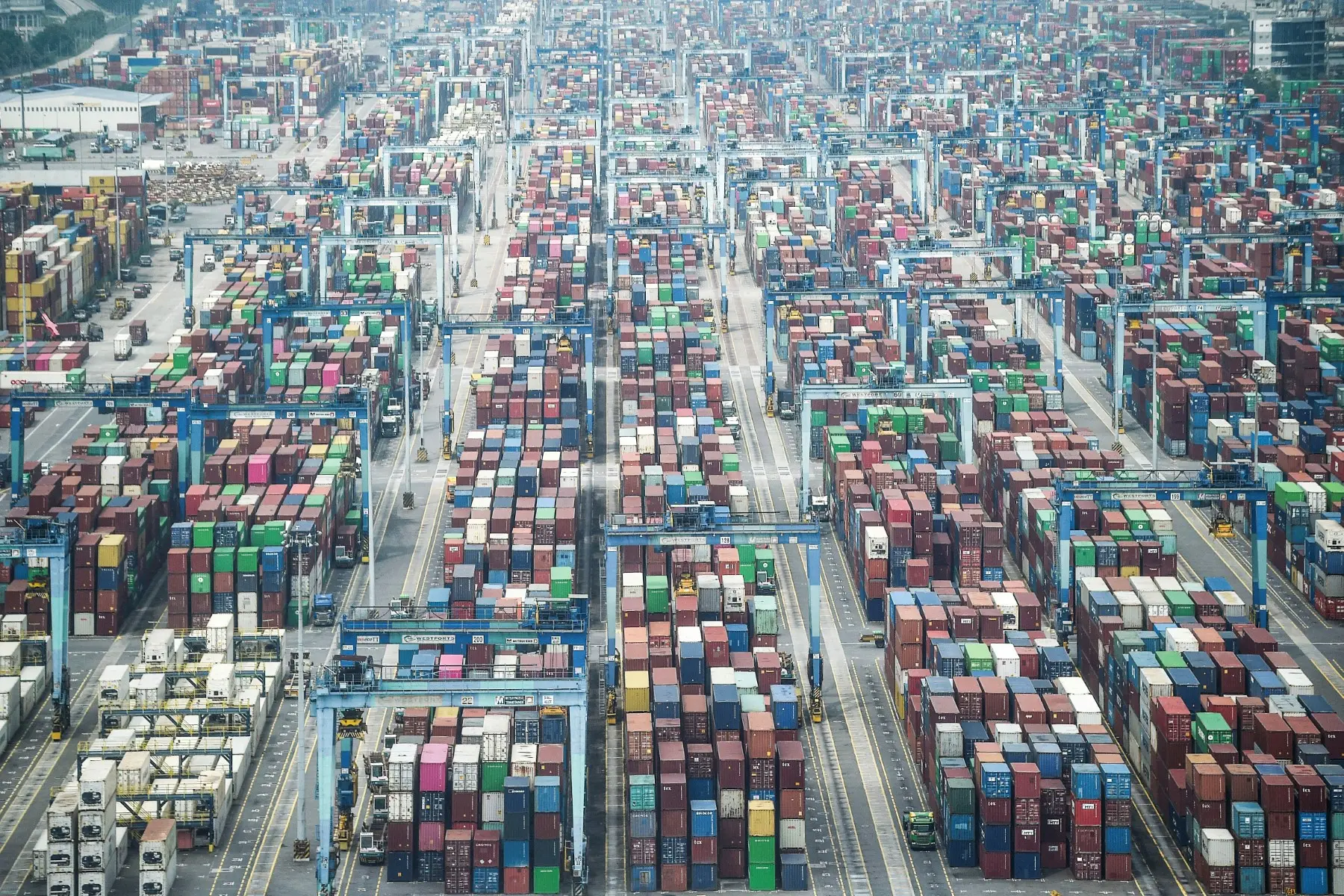
Port Klang, Malaysia (15.1M TEUs)
Port Klang is Malaysia's main gateway and the 10th busiest container port in the world, handling about 15.1 million TEUs in 2025. It sits only a hair ahead of Malaysia's other big port, Port of Johor, at 15.11 million, which ranks 11th. Together, the two make Malaysia one of the most important shipping nations in Southeast Asia.
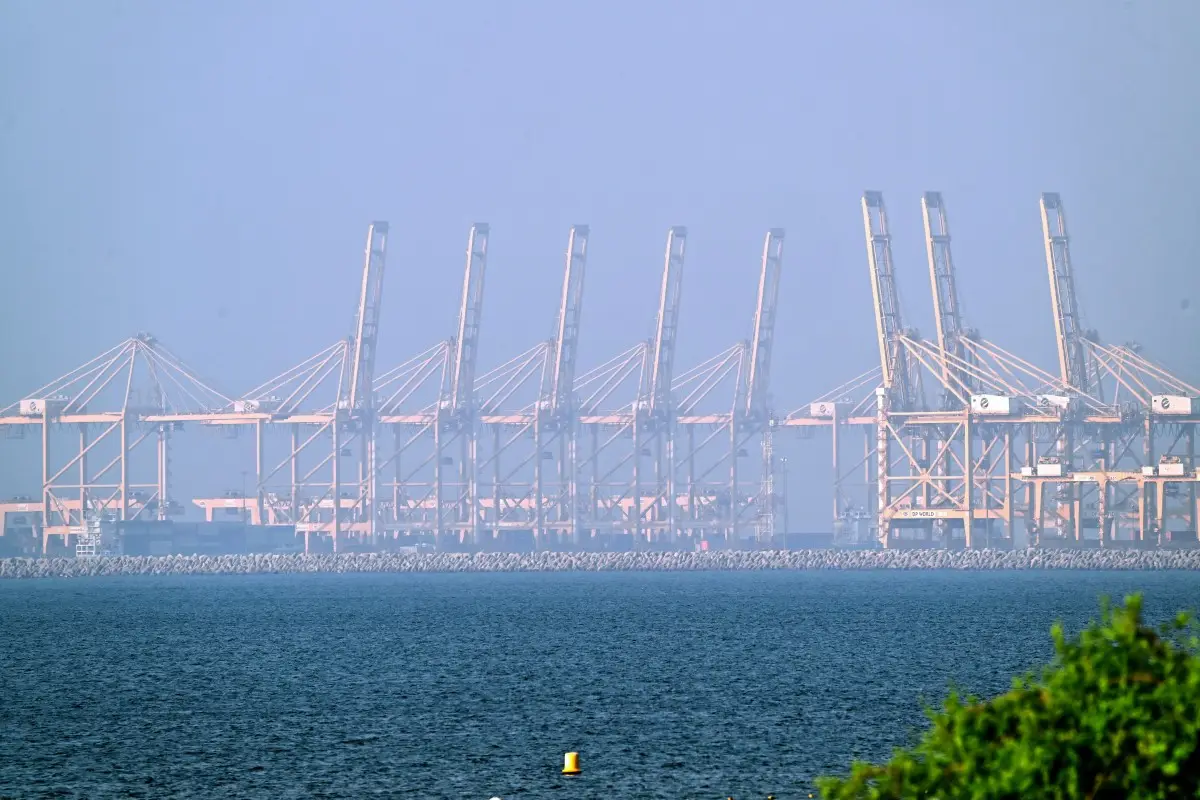
Dubai, UAE (15.6M TEUs)
Dubai handled about 15.55 million TEUs and is the only port in the top 10 outside East and Southeast Asia. It is the Middle East's biggest container hub, sitting between Asian factories and markets in Europe, Africa and the Gulf. That location makes it a natural transfer point for cargo moving between continents.
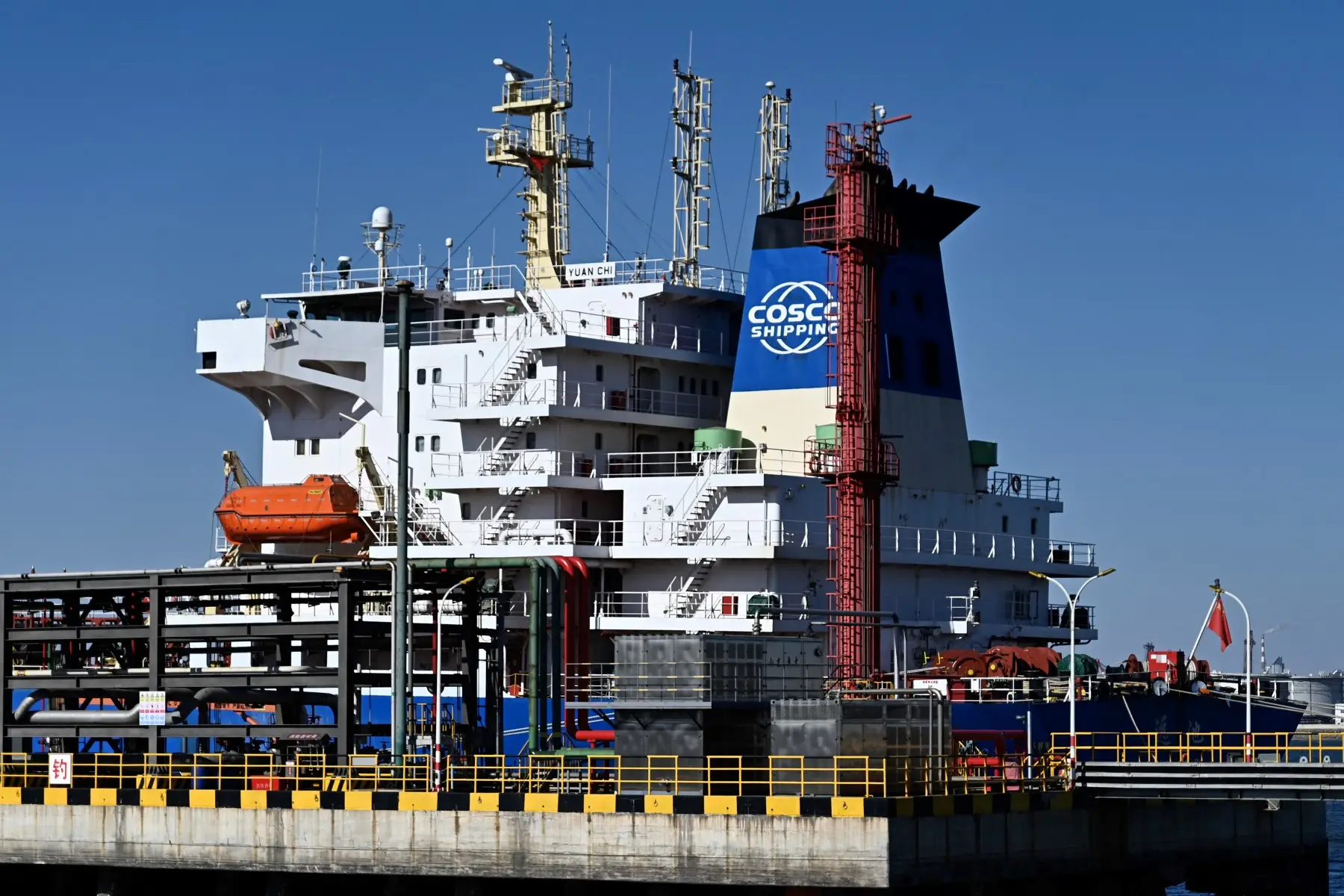
Tianjin, China (24.0M TEUs)
Tianjin ranks 8th with about 24 million TEUs. It is the sixth Chinese port among the world's eight busiest.
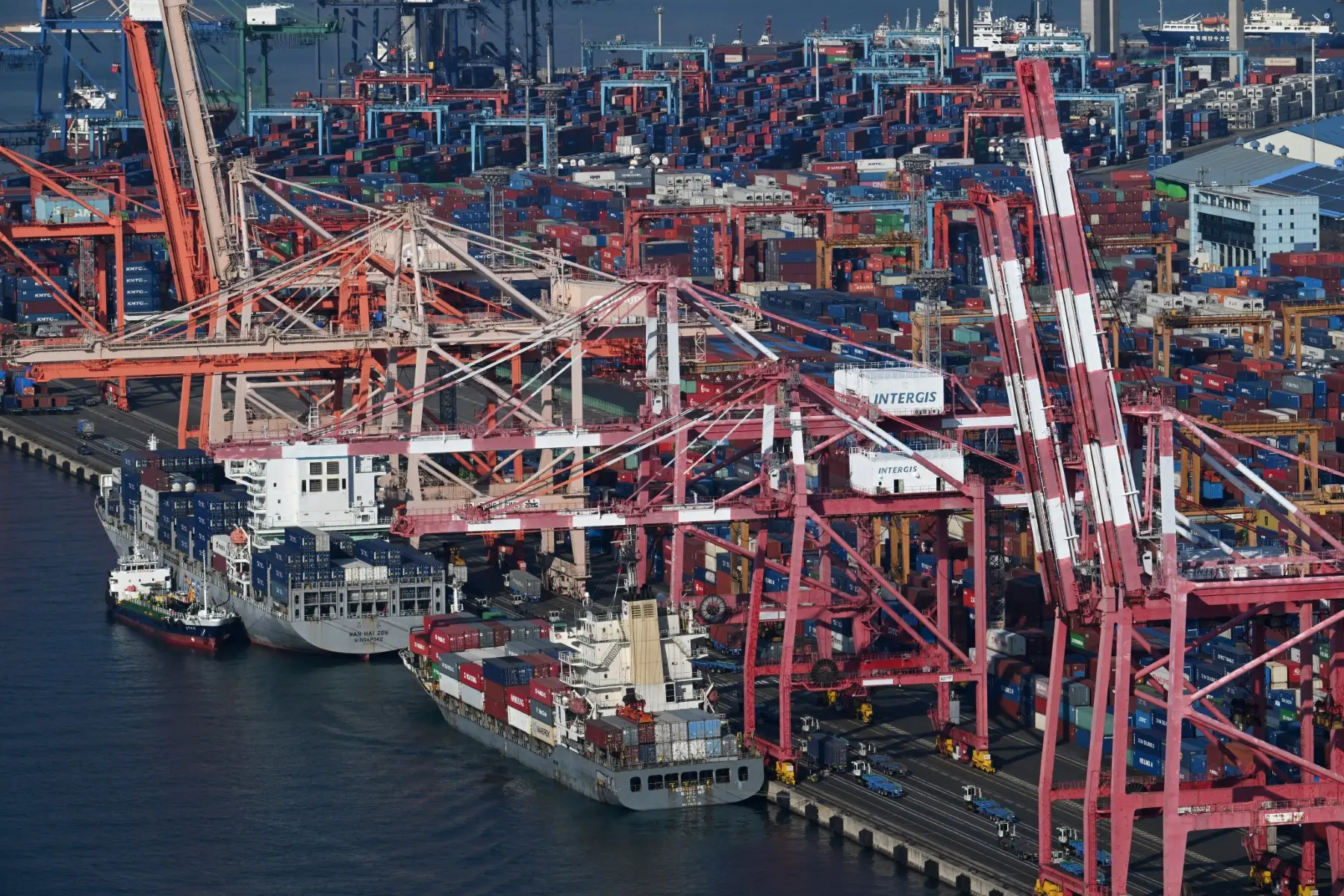
Busan, South Korea (24.9M TEUs)
Busan is the only port in the top 8 that is not in China or Singapore, handling about 24.9 million TEUs. It stands out as South Korea's main trade gateway, and its position shows that China's port boom has not pushed out every other Asian hub.
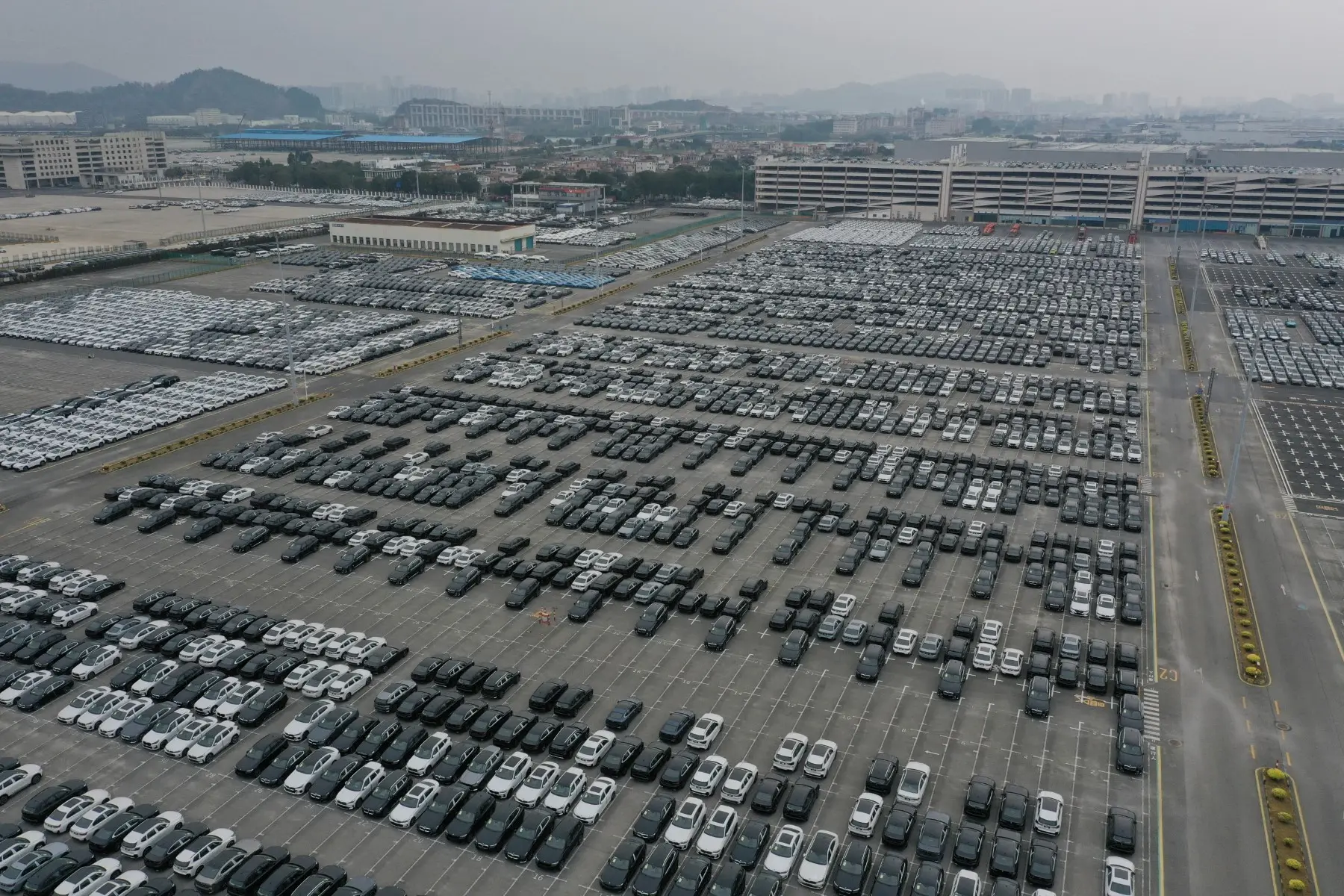
Guangzhou, China (28.1M TEUs)
Guangzhou moved about 28.1 million TEUs in 2025. It sits in the Pearl River Delta, one of the world's biggest manufacturing zones, so much of what it handles is made nearby and shipped around the world.
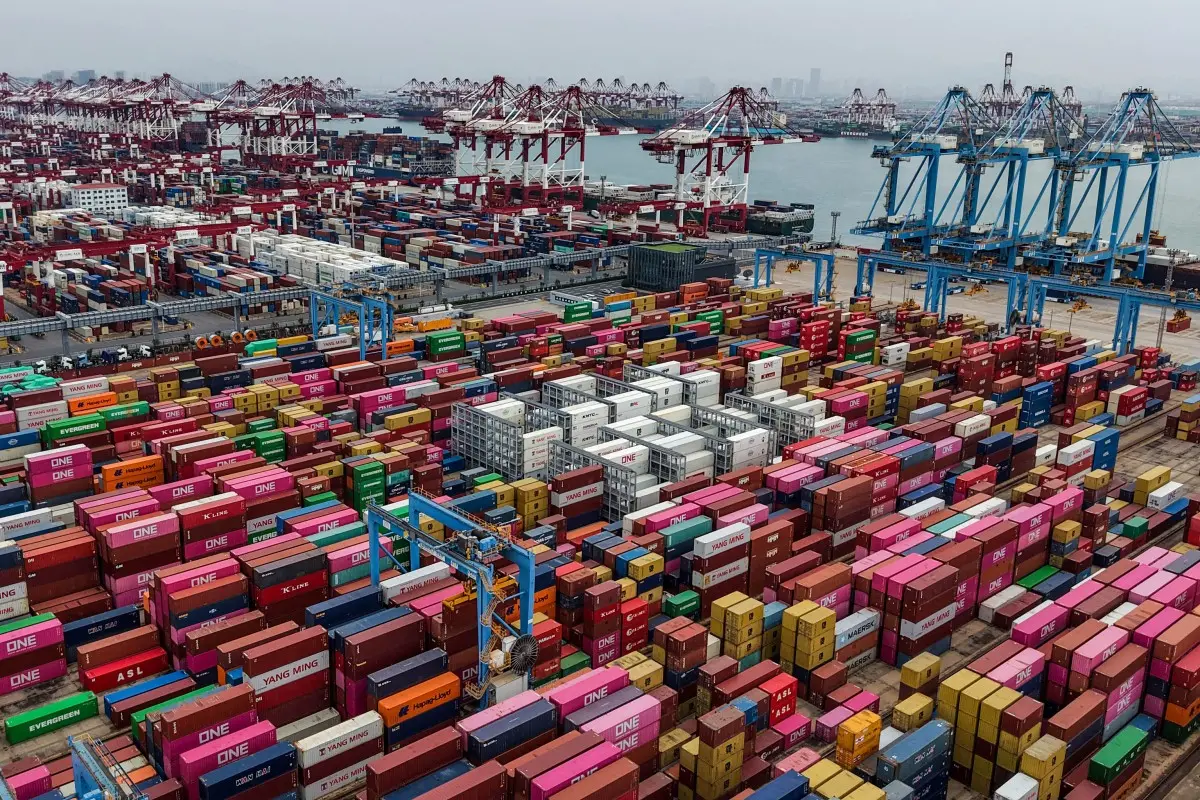
Qingdao, China (32.9M TEUs)
Qingdao handled about 32.9 million TEUs, making it the fifth busiest port globally. It is a major gateway for northern China's trade. Its volume is more than four times that of the busiest US port, Los Angeles.
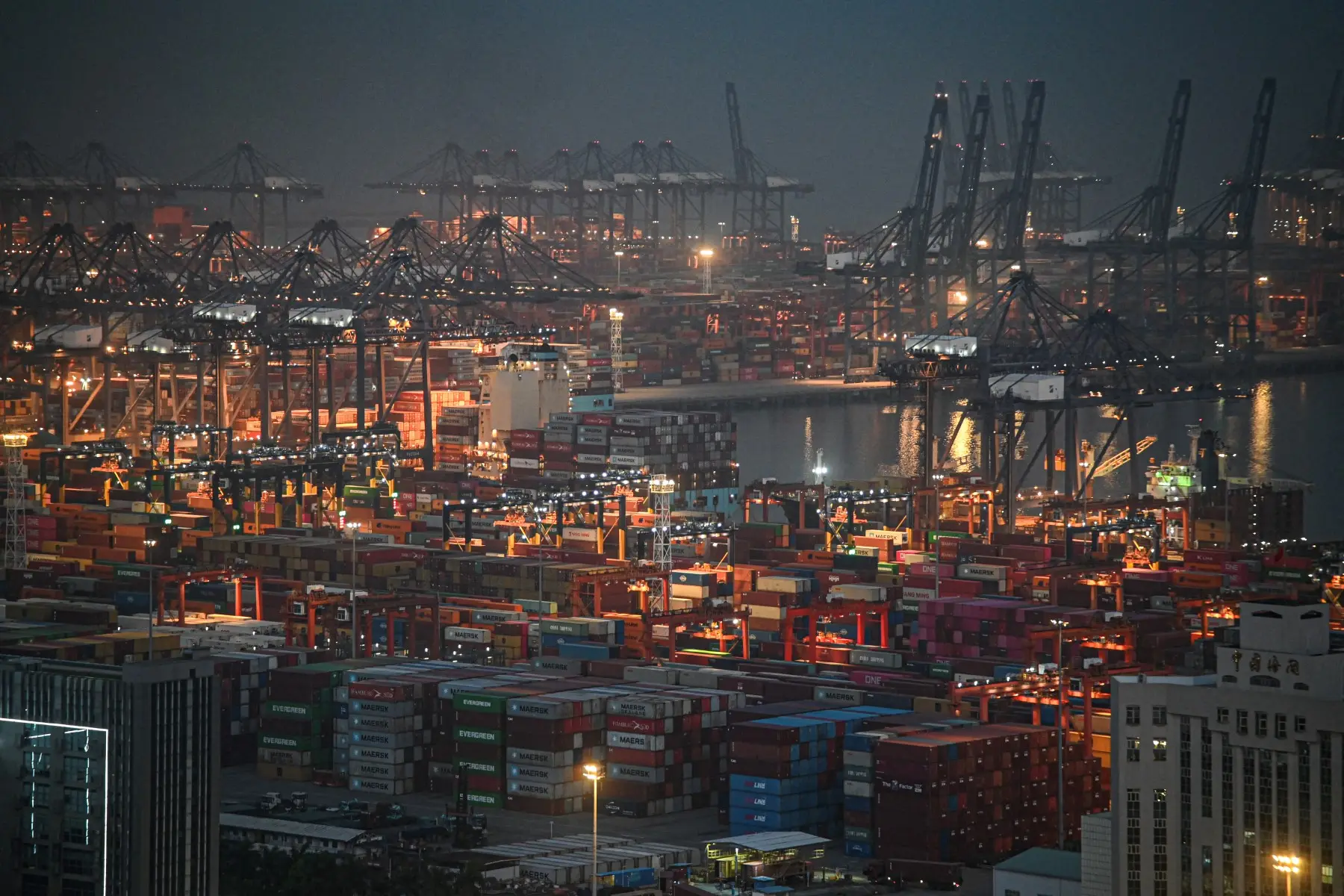
Shenzhen, China (35.4M TEUs)
Shenzhen handled about 35.4 million TEUs in 2025. It is closely linked to China's electronics and consumer-goods industries, which send huge volumes of products to overseas markets. Its position, just across the water from Hong Kong.
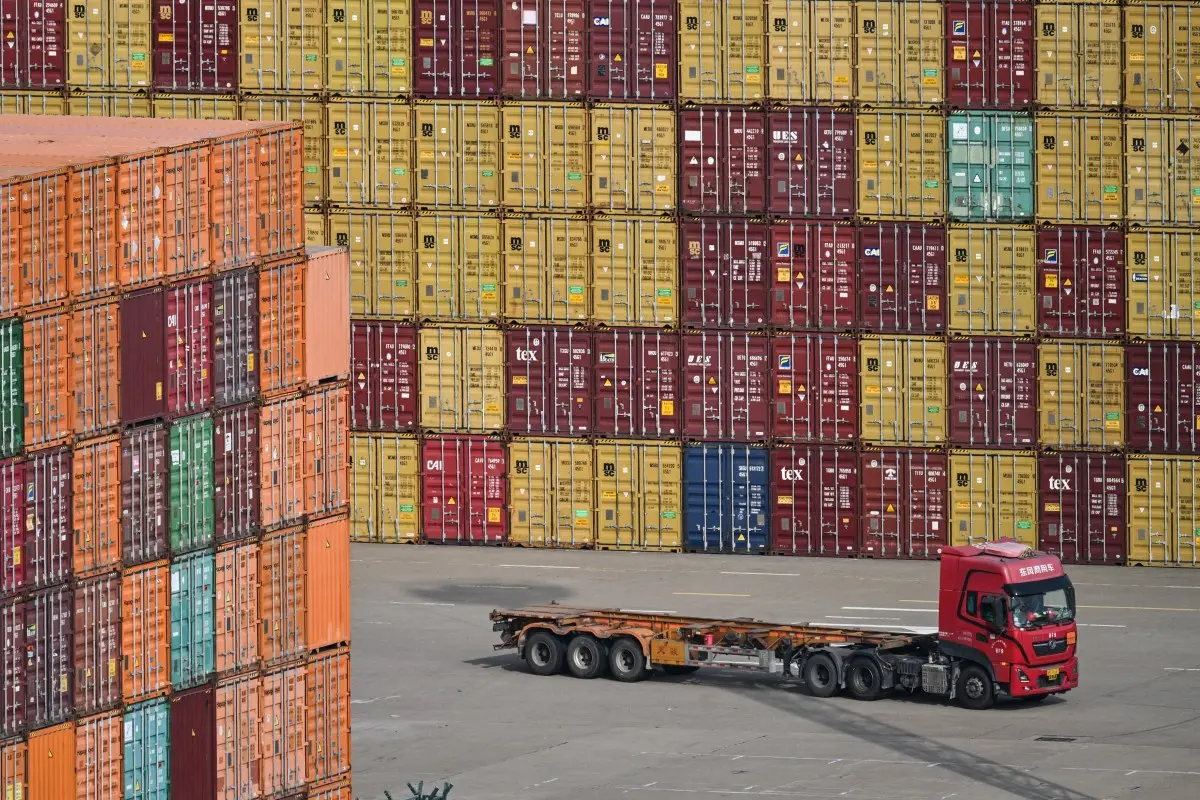
Ningbo-Zhoushan, China (43.9M TEUs)
Ningbo-Zhoushan moved about 43.9 million TEUs, only slightly behind Singapore in second place.
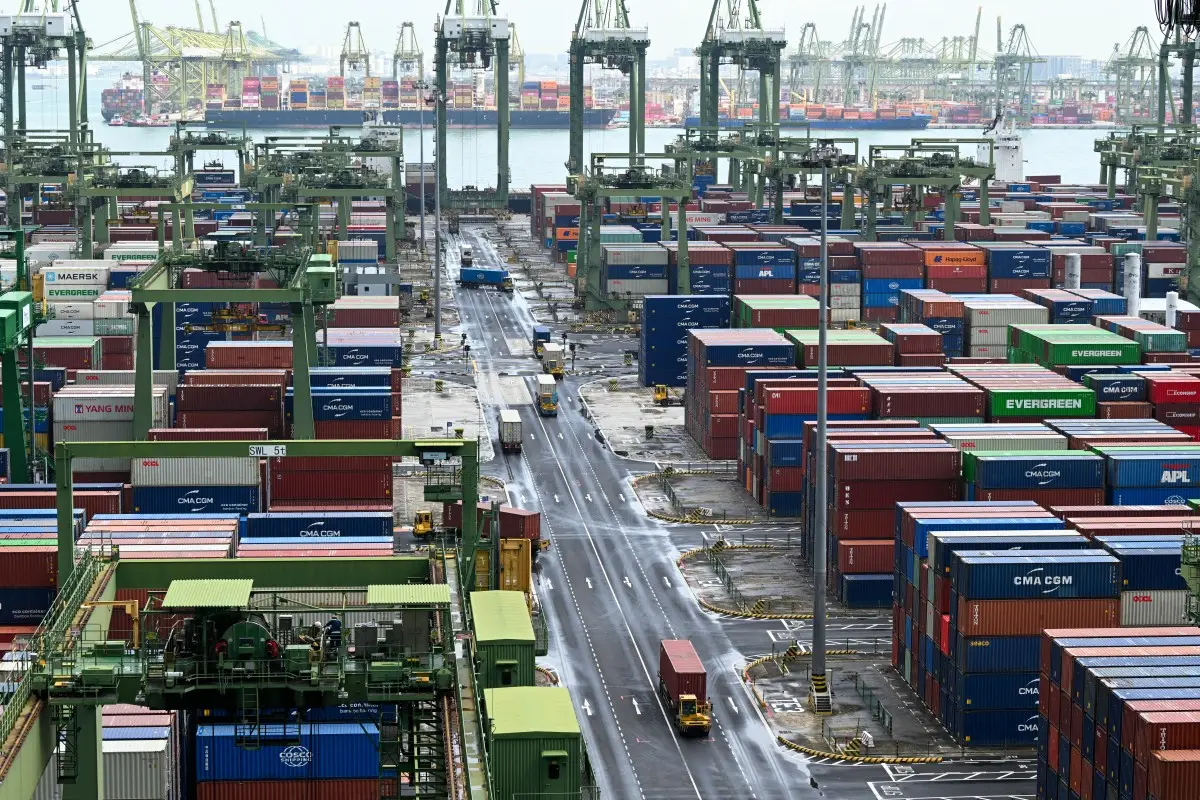
Singapore (44.7M TEUs)
Singapore handled about 44.7 million TEUs, and it works very differently from the Chinese giants. Rather than serving a vast manufacturing hinterland, it acts like a connecting airport for cargo. Containers arrive on one ship and leave on another, a process called transhipment, linking Singapore to more than 600 ports worldwide. Its Tuas Port project is planned to reach 65 million TEUs a year when completed in the 2040s.
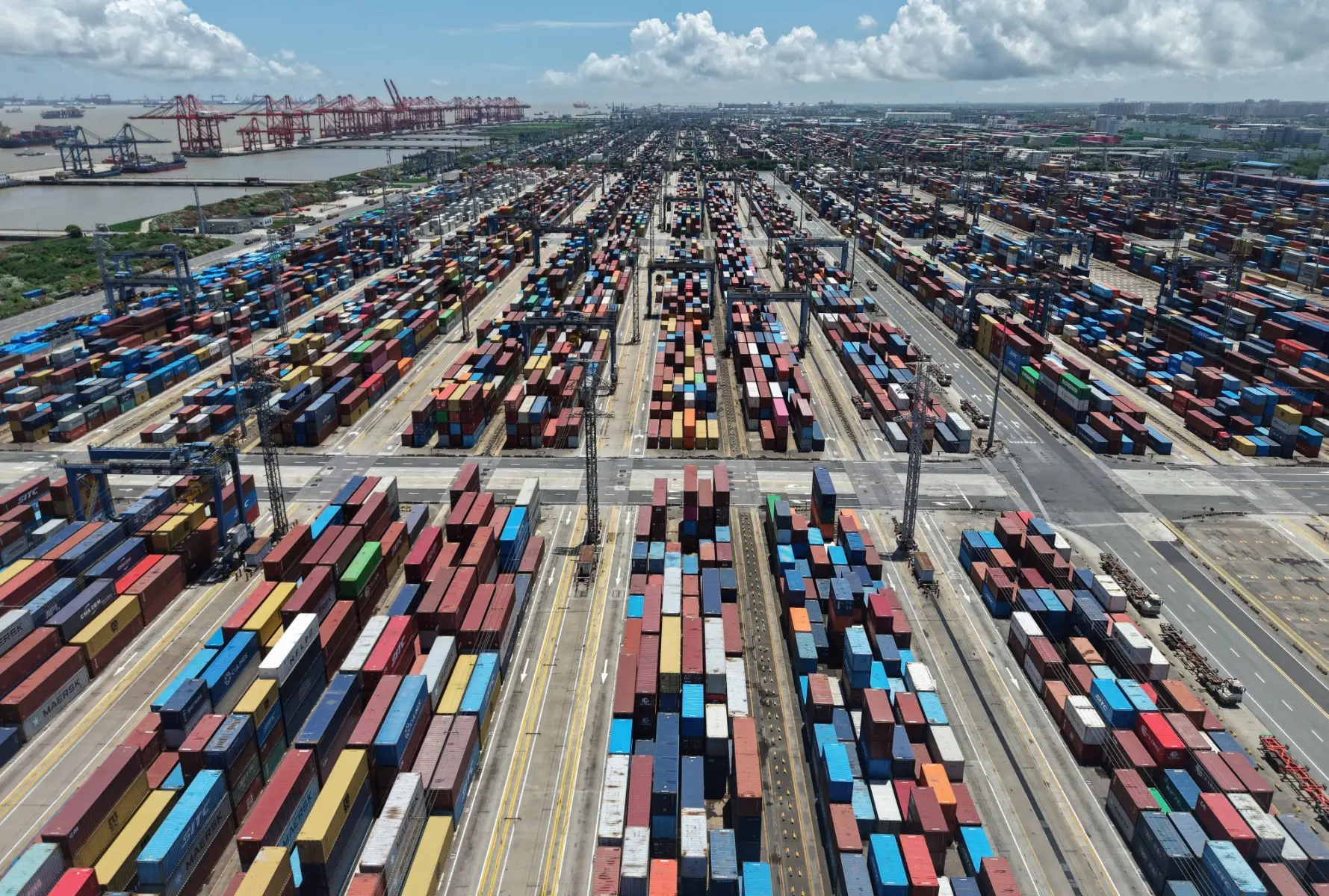
Shanghai, China (55.1M TEUs)
Shanghai is the world's busiest container port for the 16th year in a row, handling about 55.1 million TEUs in 2025. That is over 10 million more than Singapore and more than five times the volume of Los Angeles. Inland waterways and railways connect it to industrial clusters along the Yangtze River, so it draws cargo from far beyond the city itself.