Plastic bottles versus aluminium cans: Who'll win the global water fight?

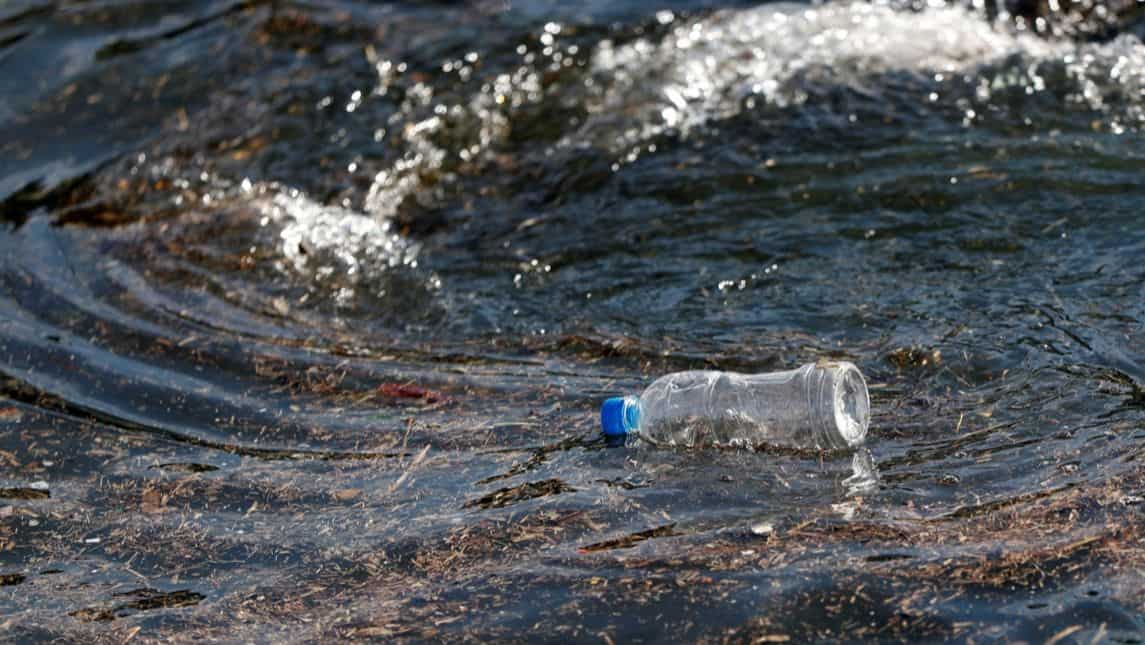
Less ocean waste?
Aluminium cans might indeed mean less ocean waste, but they come with their own eco-price: the production of each can pumps about twice as much carbon into the atmosphere as each plastic bottle.
French group Danone has become the latest company to make a move, telling Reuters it had started to replace some plastic bottles with aluminium cans for local water brands in Britain, Poland and Denmark.

Big names
The shift, previously unannounced, comes as multinational rivals like Coca-Cola Co, PepsiCo and Nestle are also launching some canned versions of water brands.
The beverage industry has been scrambling to react to public anger over scenes of huge piles of plastic waste contaminating oceans, pledging to step up recycling efforts.
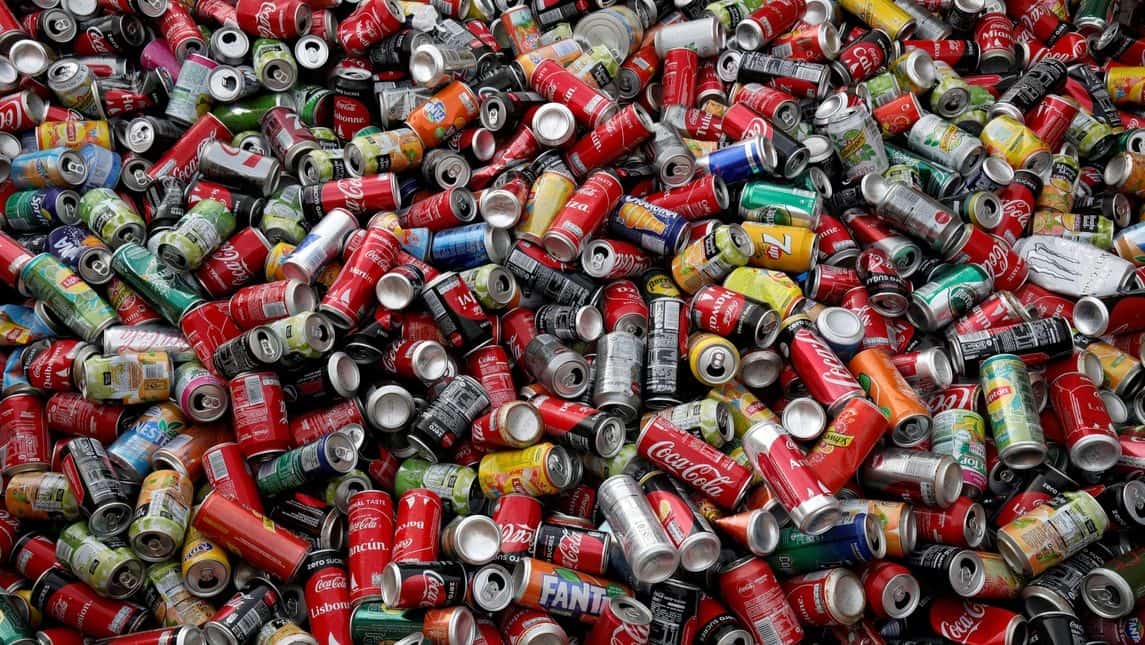
The complexities
However, it's not black and white on the green front. By increasing recycling via cans, companies could fall back in efforts to reduce their carbon footprints, illustrating the tough juggling act they can face to keep environmentally conscious investors, campaigners and consumers on-side.
Recycling plastic is more complex, leads to degradation and has lower reuse rates than aluminium - so the metal has been heralded as a greener alternative. Cans have on average 68 per cent recycled content compared to just 3 per cent for plastic in the United States, Environmental Protection Agency data shows. New water brands are also making a splash.

Carbon footprint
Comparing the carbon footprints of aluminium and plastics is a complex calculation because making the metal with hydropower instead of fossil fuels reduces emissions while using recycled aluminium slashes it even further.
But when all types of metal are averaged out, however, cans still account for about double the greenhouse gases of plastic bottles.
At aluminium's most polluting level, a 330 ml can is responsible for 1,300 grams of carbon dioxide emissions, according to the analysis compiled for Reuters, roughly equating to the emissions produced by driving a car 7 to 8 km.
A plastic bottle of the same size, made from the polyethylene terephthalate (PET) plastic typically used, accounts for up to 330 grams.
The cost factor
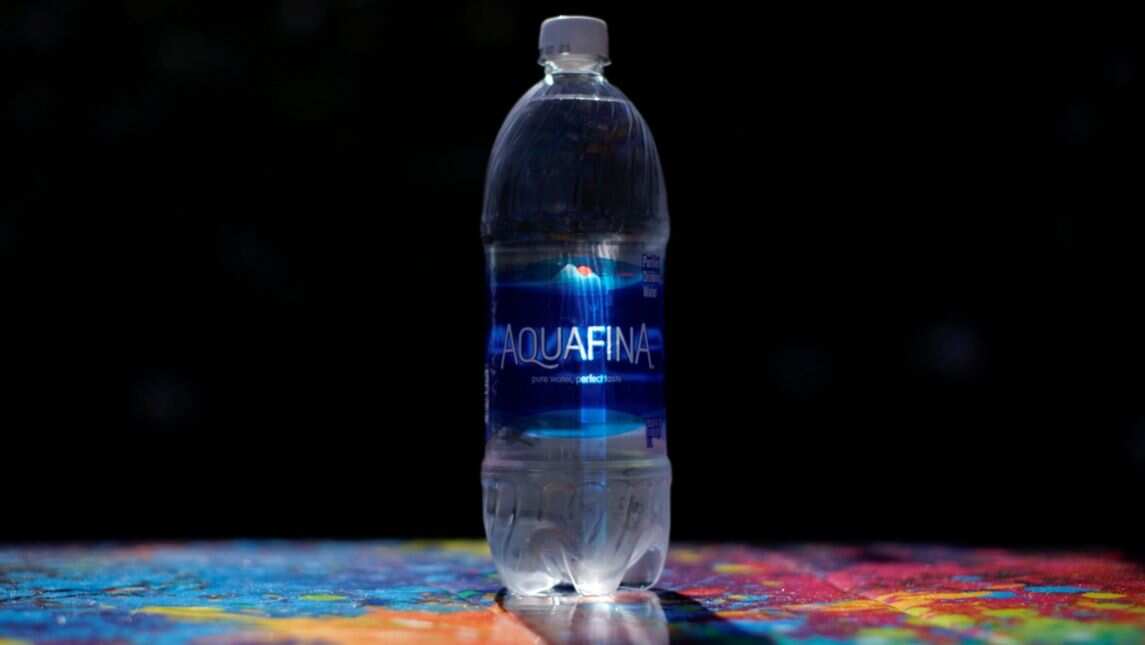
Simple economics is a major factor; aluminium is more expensive than plastic - the raw material cost for a can is about 25-30 per cent higher than a PET bottle of a similar volume, according to analyst Uday Patel at consultancy Wood Mackenzie.
A broad shift to aluminium cans would raise costs for drinks companies, also including new manufacturing infrastructure, some of which are likely to be passed on to consumers, thus hitting products' competitiveness against plastic rivals.
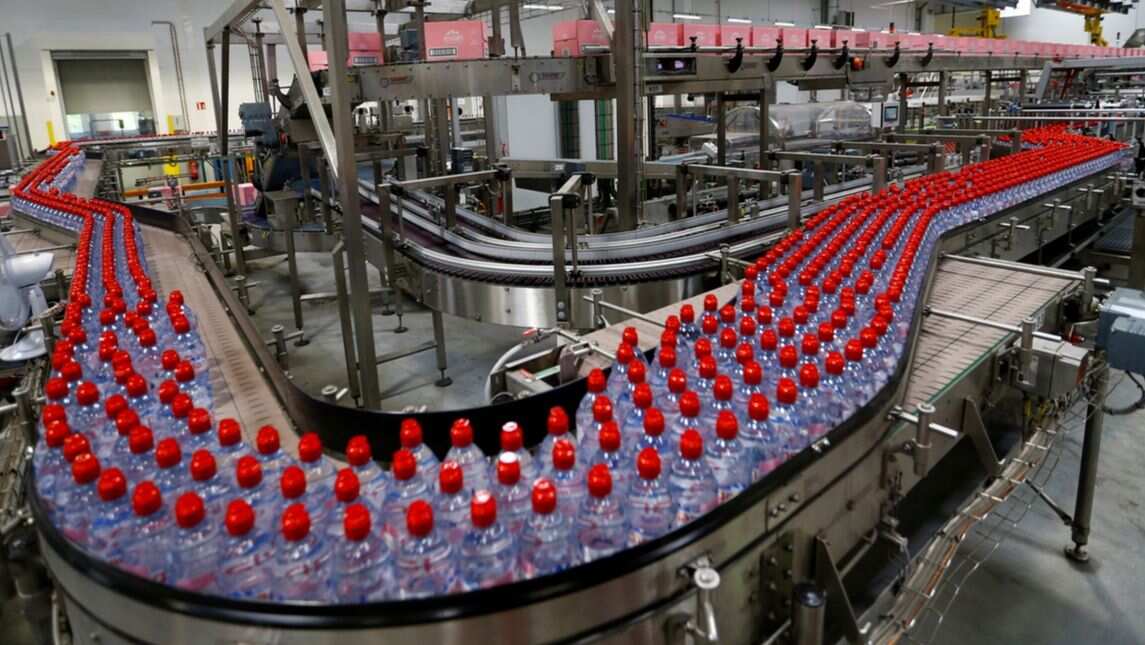
Weighing options
How often do people down bottles of water in one go? While advances are being made in can technology, most cans are opened and stay open, while bottles can be recapped.
Plastic water bottles can also be sold in a range of sizes, while cans are more limited.
As a result of such factors, drinks giants are cautious.
Another obstacle to a large-scale shift from plastic bottles is that there may not be enough cans to go round, at a time when some beers and wines are also switching from glass to cans.
)
)
)
)
)