Out of this world: The records NASA's Artemis II broke on its way to the moon and back | In Pics

Nine days, one hour, 31 minutes — history made at every turn: Artemis II just rewrote space history, from record-breaking distance to historic firsts by NASA astronauts, this mission pushed human spaceflight further than ever before.
What made this journey truly historic? Scroll down.
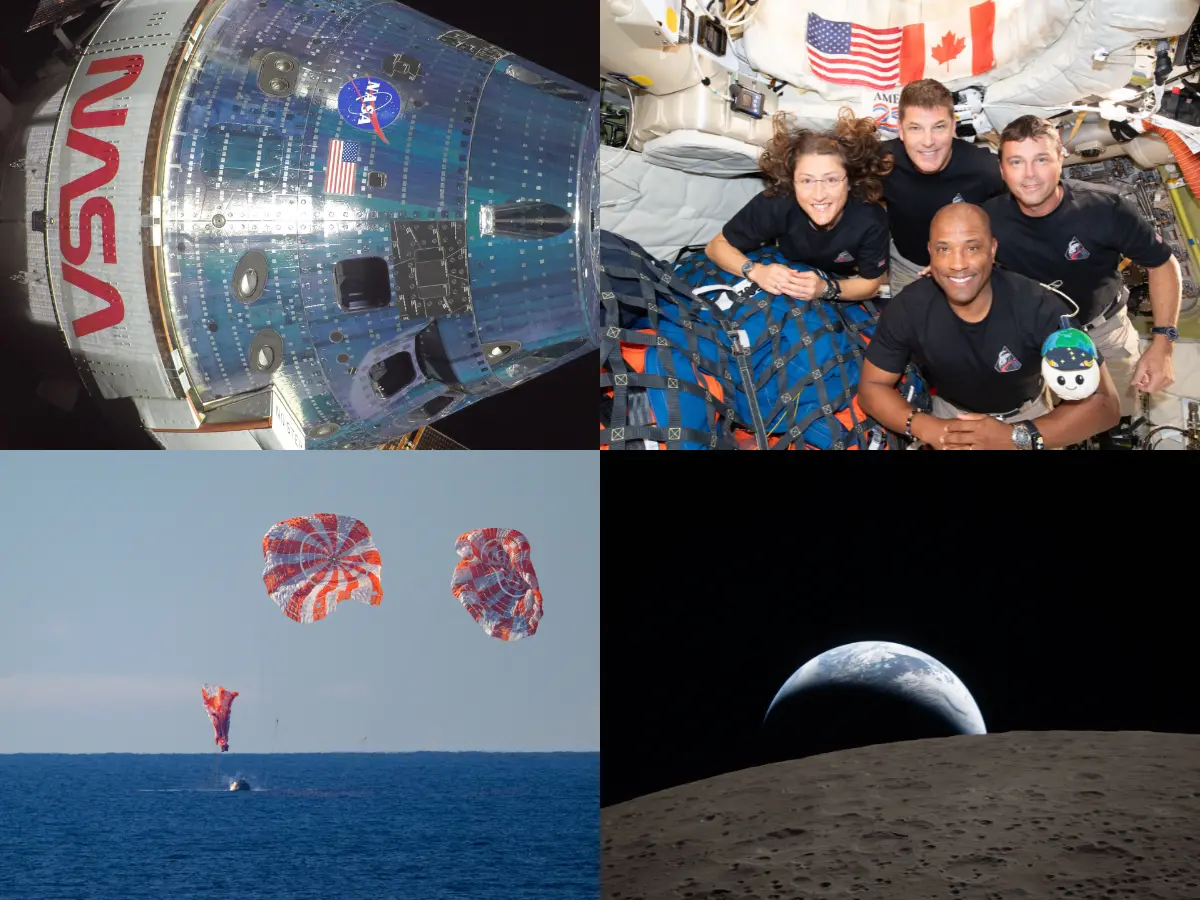
Record-breaking feats by the Artemis II crew
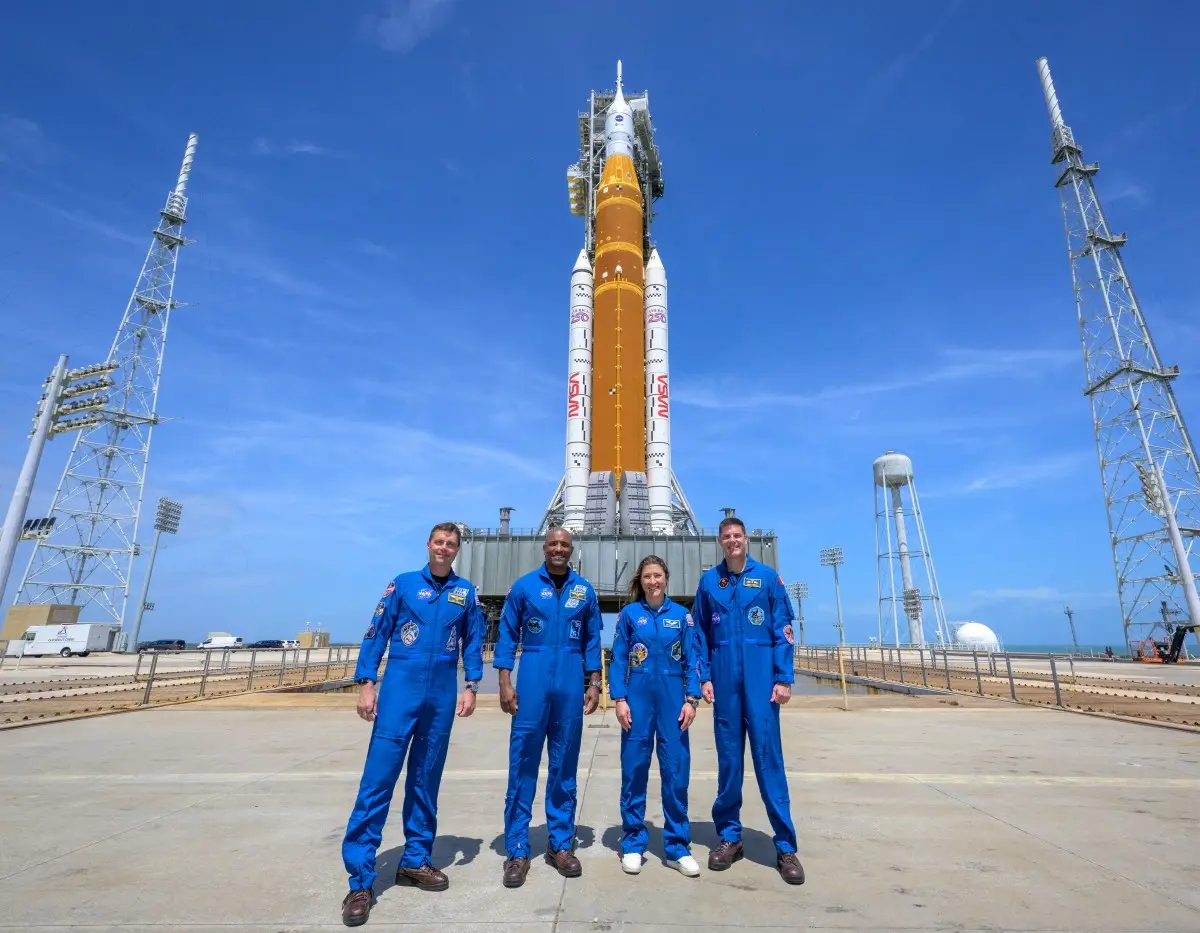
NASA on Friday (Apr 10) created history as the first astronauts to travel to the Moon in more than half a century splashed down back on Earth after a record-setting mission aboard the Artemis II test flight. NASA astronauts Reid Wiseman, Victor Glover, and Christina Koch, and CSA (Canadian Space Agency) astronaut Jeremy Hansen splashed down at 5:07 p.m. PDT Friday off the coast of San Diego, completing a nearly 10-day journey that took them 252,756 miles from home at their farthest distance from Earth.
The remarkable mission includes several record-breaking achievements by the Artemis II crew. Take a look:
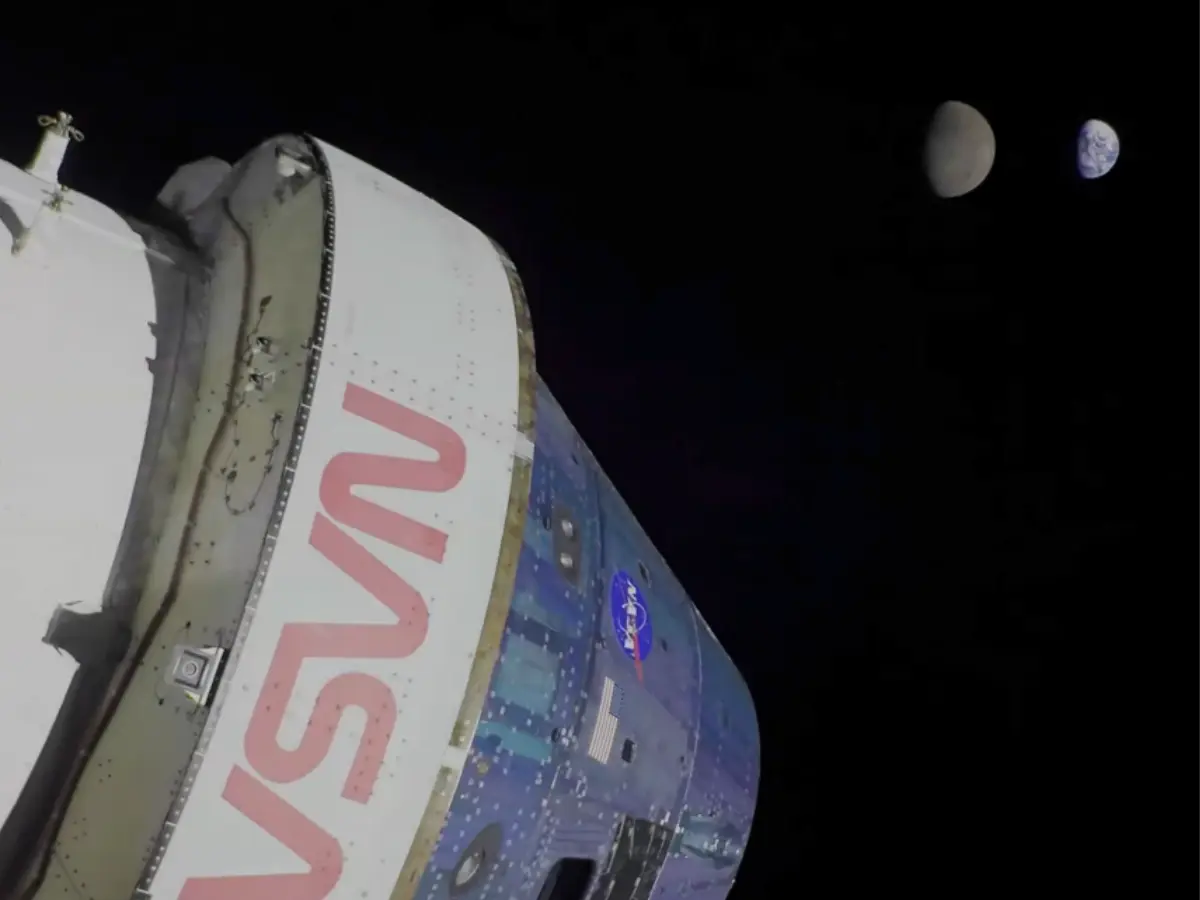
Farther than any human has ever gone
On April 6, the Artemis II crew reached a distance of 252,756 miles from Earth, the furthest any human being has ever travelled from our planet. To put that in perspective, the circumference of the Earth at the equator is roughly 24,901 miles. NASA confirmed the milestone places them 4,111 miles farther from home than the Apollo 13 crew managed in 1970, which had previously held the record.
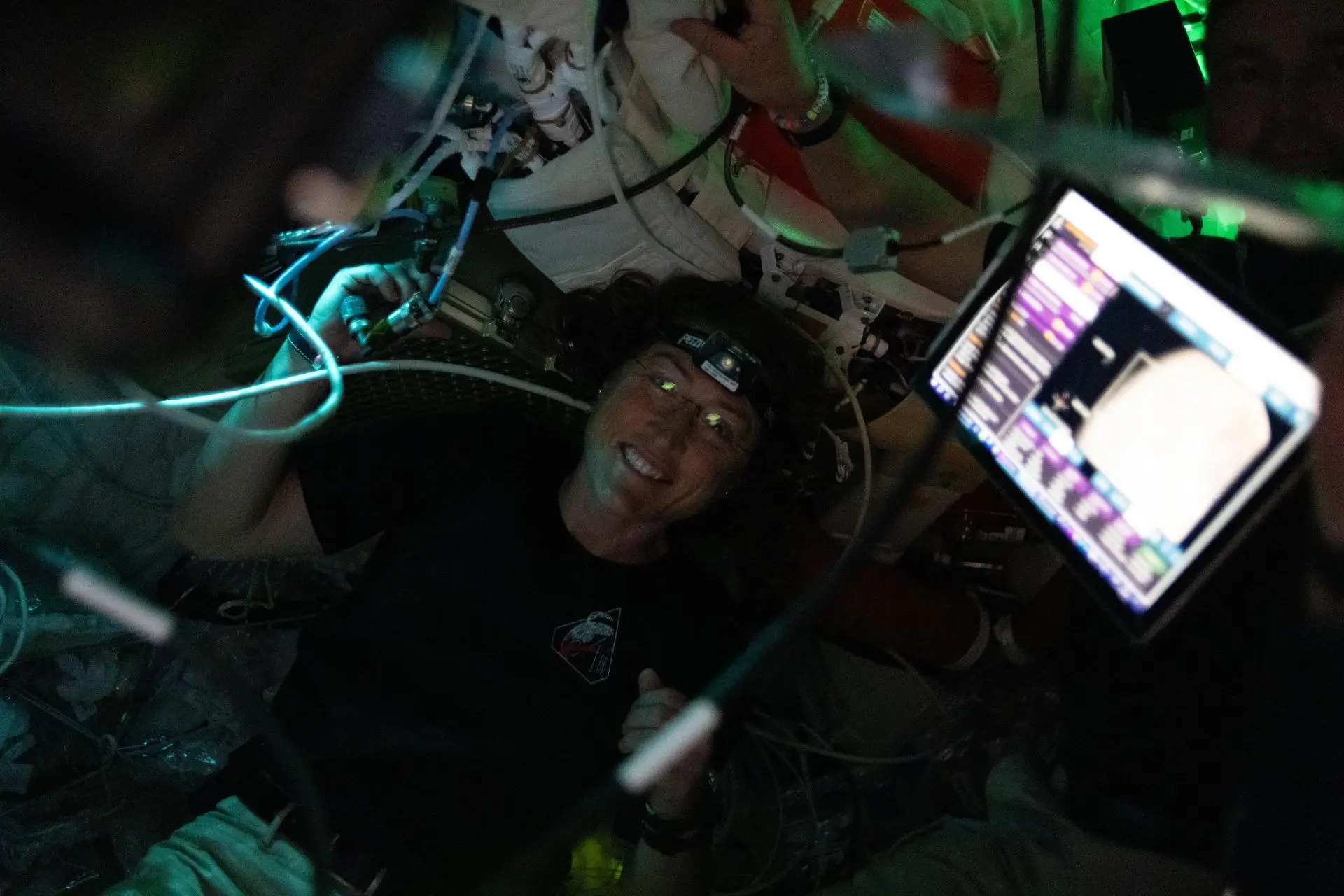
First woman to travel to fly around the Moon — Christina Koch
Until Artemis II, every human who had flown around the Moon was a white American man. Christina Koch changed that. A veteran NASA astronaut and engineer, Koch became the first woman in history to fly a lunar trajectory, a milestone that comes more than 50 years after Apollo 17 carried the last humans to the vicinity of the Moon. She also made headlines mid-mission for a different reason: diagnosing and troubleshooting the spacecraft's malfunctioning $23 million toilet within hours of launch. She called herself "a space plumber."
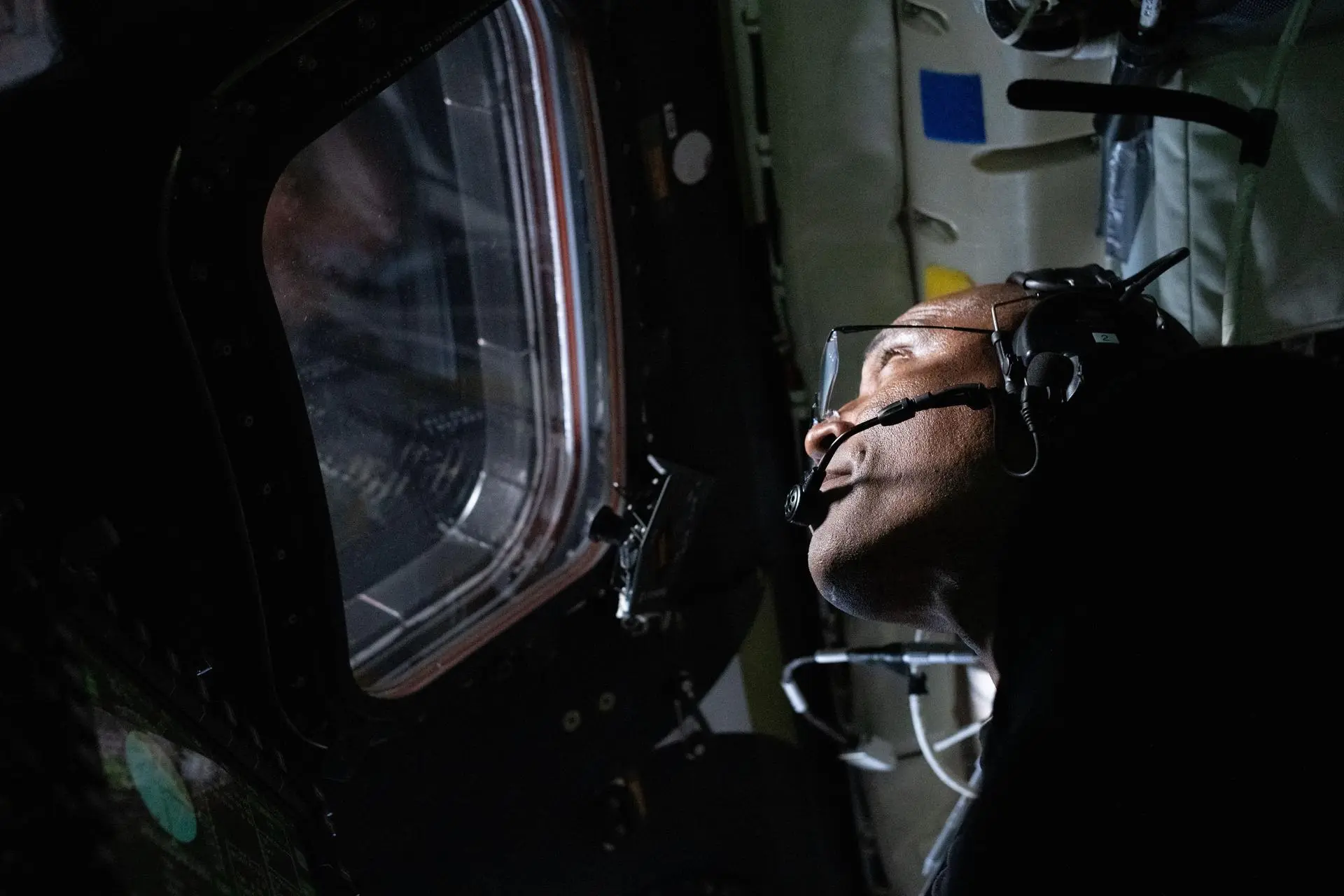
First person of colour to fly around the Moon — Victor Glover
Victor Glover became the first person of colour to fly around the Moon. A US Navy pilot and former ISS crew member, Glover served as pilot on Artemis II and was at the controls for some of the mission's most demanding phases. He also witnessed something few humans ever will: a solar eclipse from the far side of the Moon, with the lunar surface lit only by a halo of light against the black of deep space. "Humans probably have not evolved to see what we're seeing," he said. “It is truly hard to describe.”
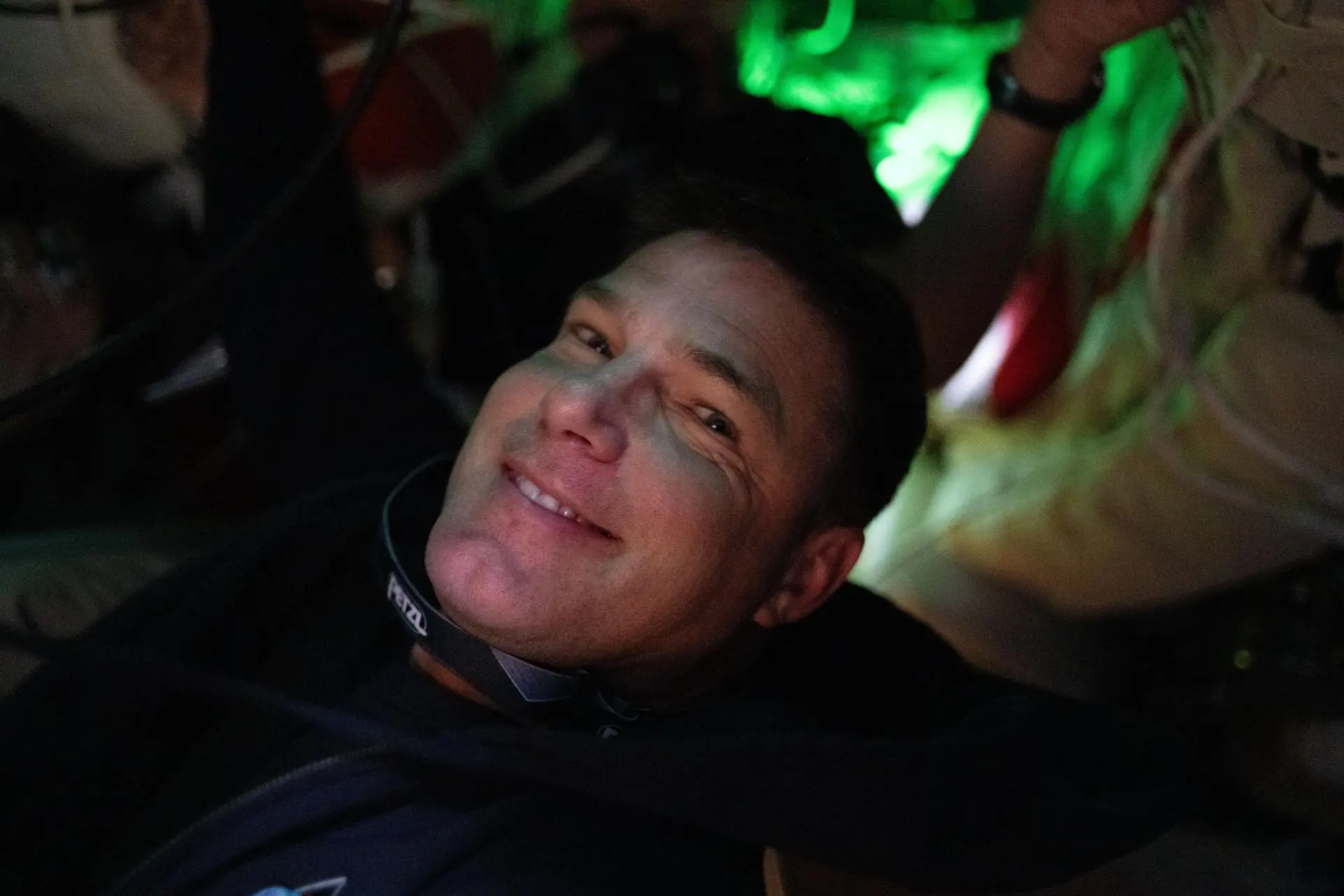
First non-American to travel to fly around the Moon — Jeremy Hansen
Canadian astronaut Jeremy Hansen became the first person from outside the United States to travel around the Moon, a first for the Canadian Space Agency.
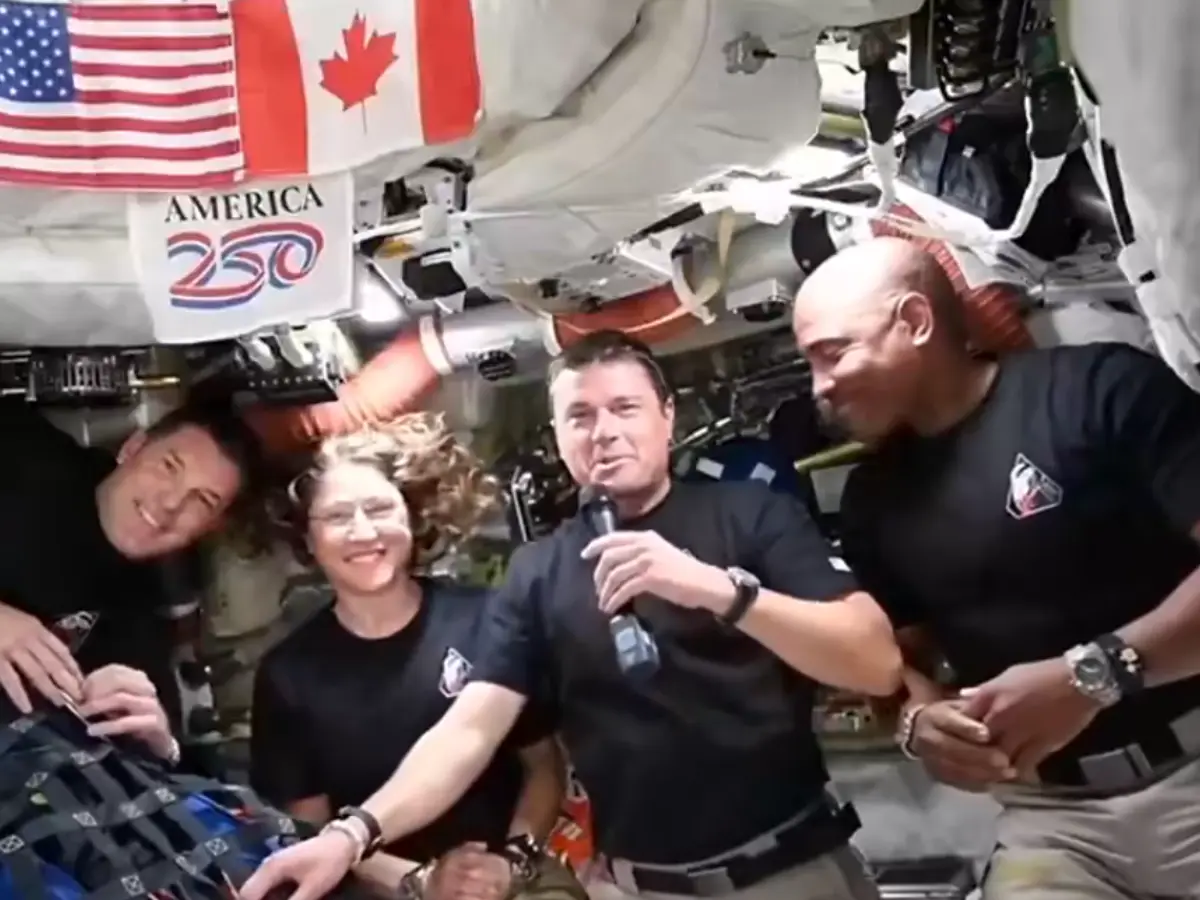
4,000 Miles Above the Far Side
When the Artemis II crew flew behind the Moon's far side, they did so at an altitude of roughly 4,000 miles, a vantage point so different from Apollo that it's almost a different kind of mission. Apollo crews had skimmed less than 100 miles above the lunar surface. From 4,000 miles up, the astronauts could see vast stretches of the Moon that only robotic spacecraft had ever photographed. At their closest approach on April 6, they came within 4,067 to 4,070 miles of the lunar surface.
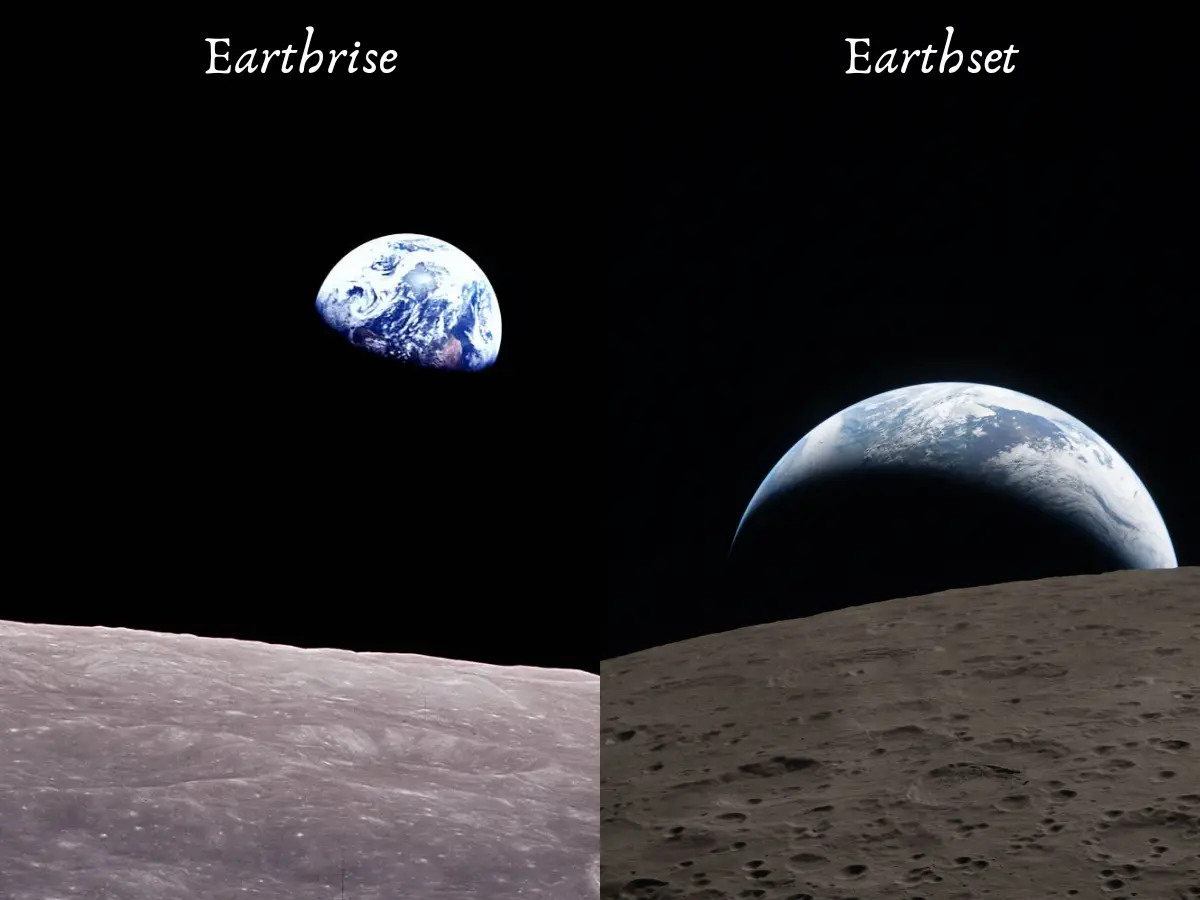
'Earthset' — The photo already becoming iconic
Among the thousands of photographs the crew took in deep space, one has already broken through. Quickly dubbed "Earthset," the image shows Earth, small and blue, setting behind the vast grey curve of the Moon, separated by nothing but black space. It drew immediate comparisons to "Earthrise," the legendary 1968 photograph taken by Apollo 8 astronaut William Anders.
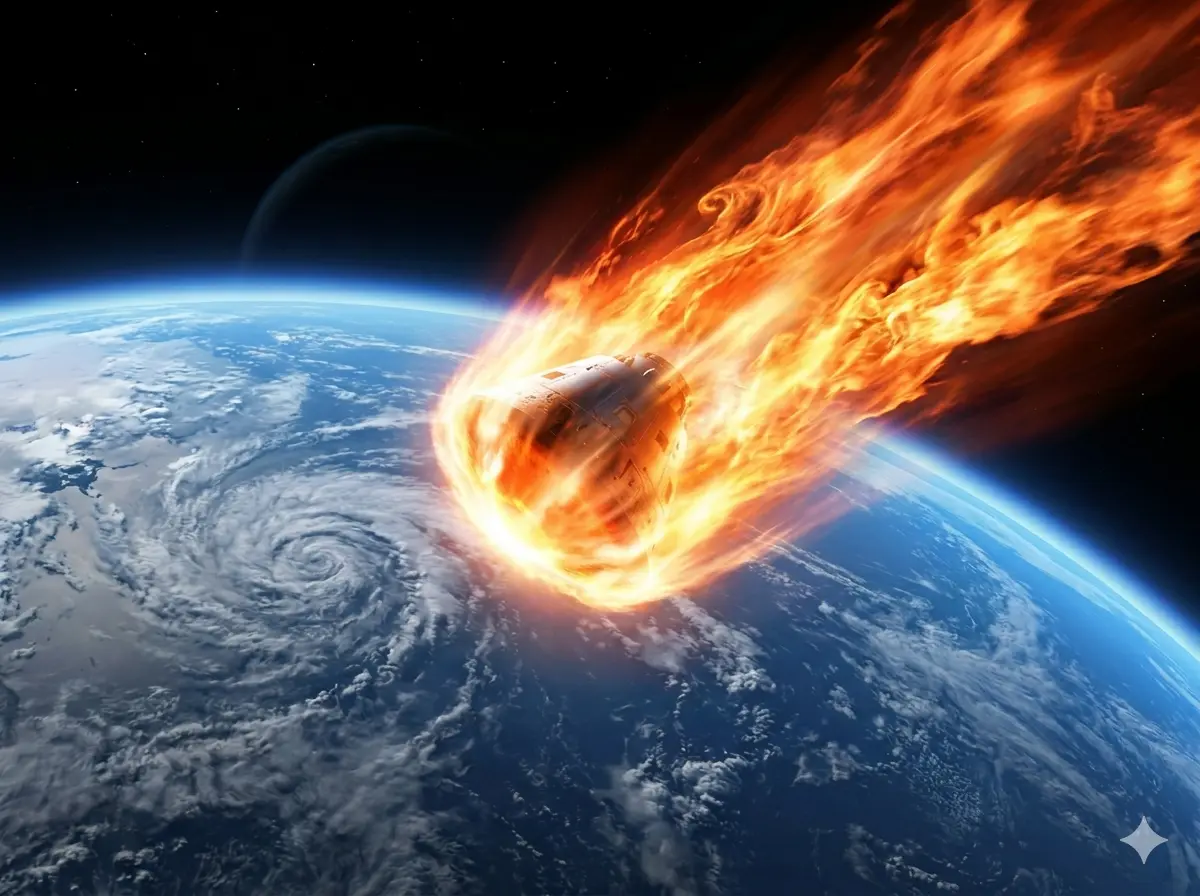
Re-entry — 3,000 degrees and 30 times the speed of sound
Coming home was the most technically demanding part of the mission. During re-entry, the Orion capsule hit speeds exceeding 30 times the speed of sound, with temperatures on the heat shield climbing to around 3,000 degrees Fahrenheit, roughly half the temperature of the Sun's surface. According to reports, that shield had been a source of genuine concern. During the uncrewed Artemis I test flight in 2022, it eroded in ways nobody had anticipated, drawing uncomfortable comparisons to the Challenger and Columbia space shuttle disasters of 1986 and 2003, respectively, when astronauts died after warning signs were set aside. This time, NASA adjusted the re-entry trajectory, keeping it steeper and shorter to reduce the risk. It worked.
"A textbook entry and a textbook touchdown," was how NASA described it.
By the numbers
The mission by the stats, because sometimes the numbers say it best:
322 feet — height of the Space Launch System rocket that carried the crew to orbit (shorter than Apollo's 363-foot Saturn V)
252,756 miles — maximum distance from Earth, a new human spaceflight record
4,067–4,070 miles — closest approach to the lunar surface
3,000°F — peak temperature on the heat shield during re-entry
30x — the speed of sound, the capsule hit coming back through the atmosphere
9 days, 1 hour, 31 minutes, 35 seconds — total mission duration (NASA calls it 10 days)
1 — broken toilet, managed throughout (Click here to read more about Artemis II: Astronauts stuck using 'special bags' as $23 million toilet gets clogged)
)
)
)
)
)