Artemis II: Astronauts stuck using 'special bags' as $23 million toilet gets clogged

Four astronauts. One broken toilet. No way to flush: The Artemis II crew made it around the Moon just fine. Getting home with a working bathroom is proving harder. All we know.
Houston, We Have a Problem
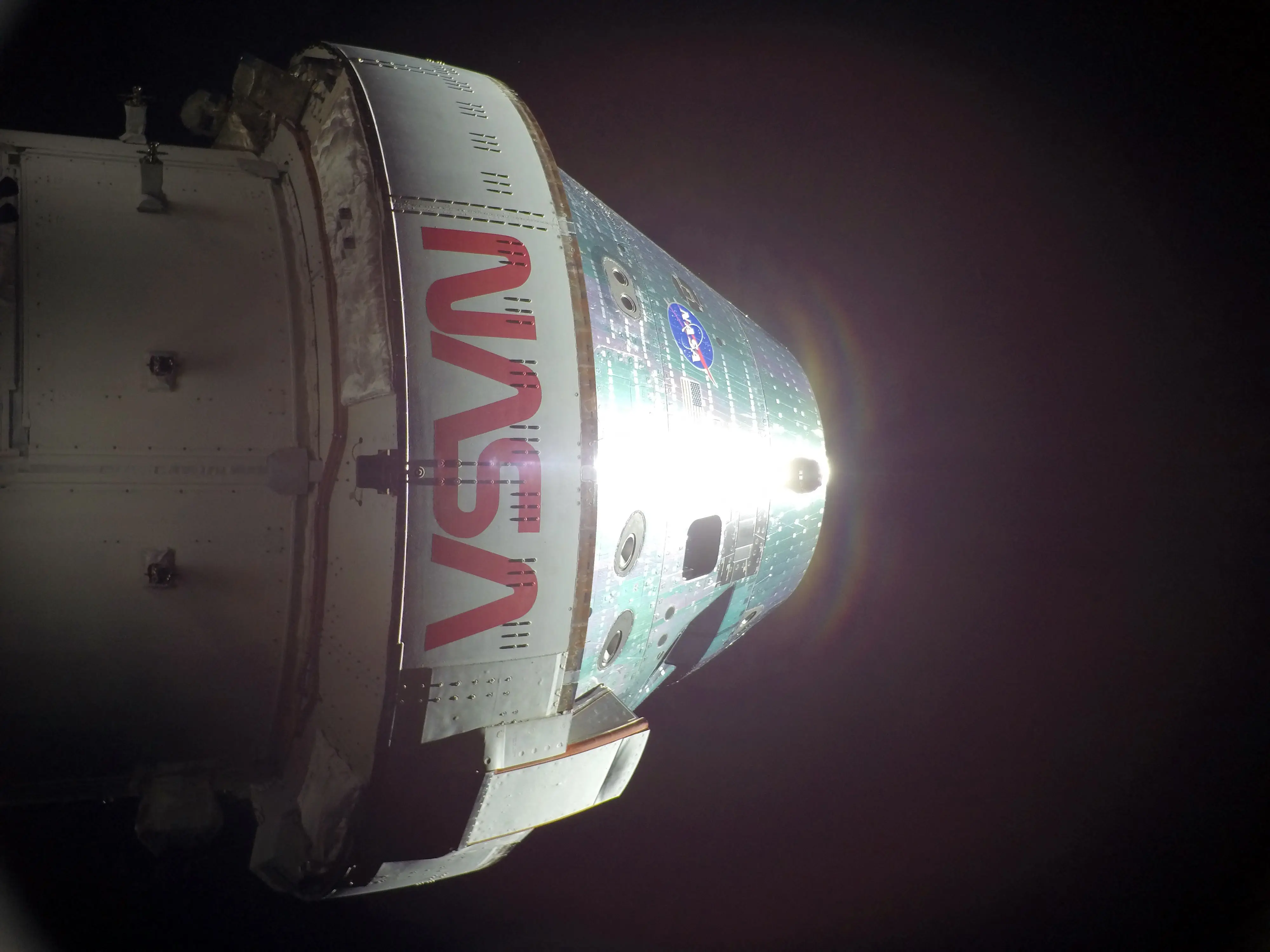
Everything about the Artemis II mission has gone more or less according to plan — the lunar flyby, the systems checks, the long cruise back toward Earth. Then the toilet broke. Hours after liftoff from Cape Canaveral, the spacecraft's Universal Waste Management System, a piece of equipment that cost NASA $23 million to develop, began malfunctioning.
What happened? The crew cannot flush wastewater into space. According to an AFP report, the faecal disposal system, which is in a separate conduit, is working fine, and it's strictly a urine problem.
The Smell That Started It
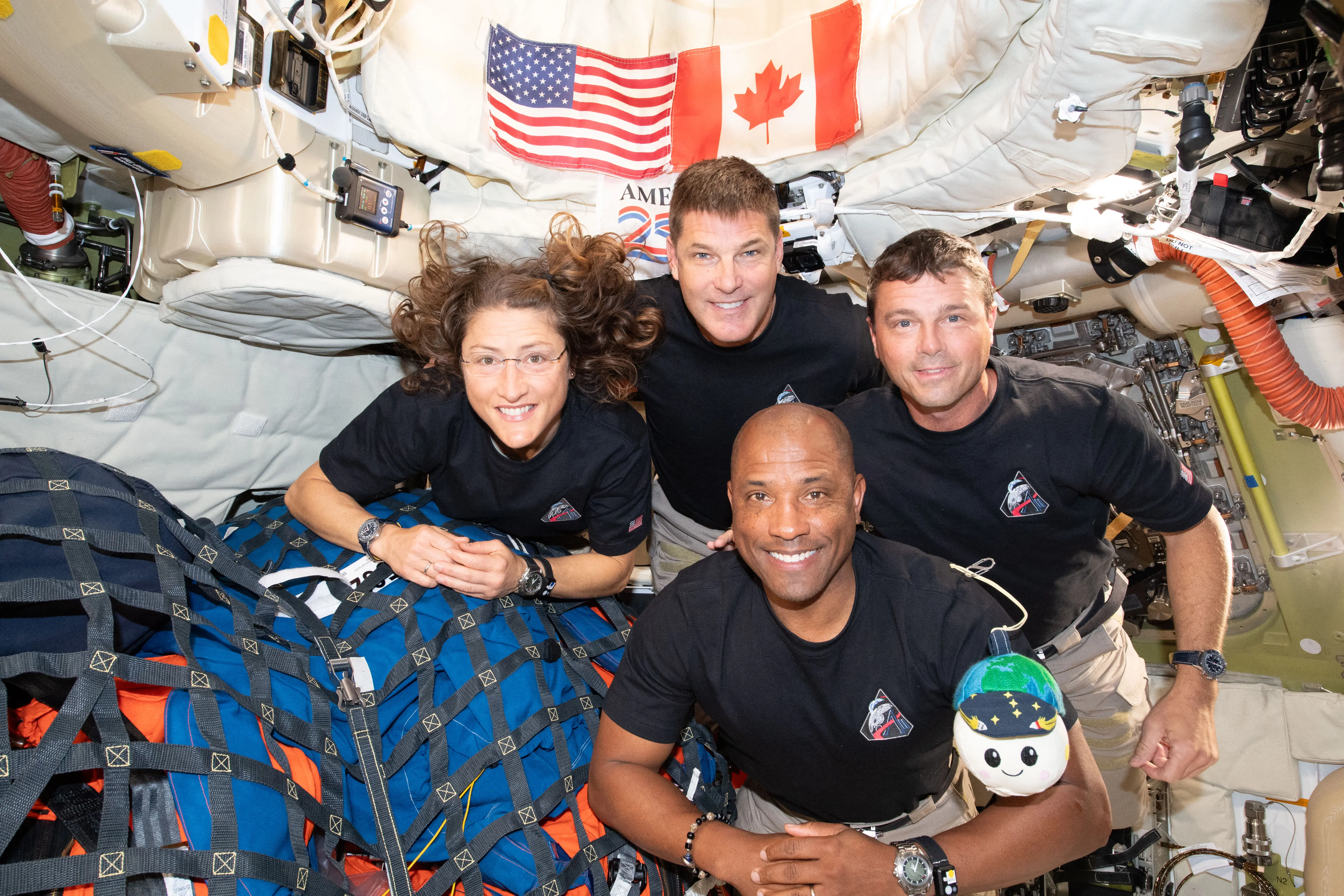
Astronaut Christina Koch said that the so-called Universal Waste Management System was giving off what she described as "a burning heater smell."
As per AFP, Koch adjusted the controls, rebooted the system with help from mission control, and for a while it seemed like the issue was resolved. It wasn't. The blockage persisted, and the crew has been managing the situation ever since — now three days out from splashdown in the Pacific Ocean.
Plan B Involves a 'Special Bag'
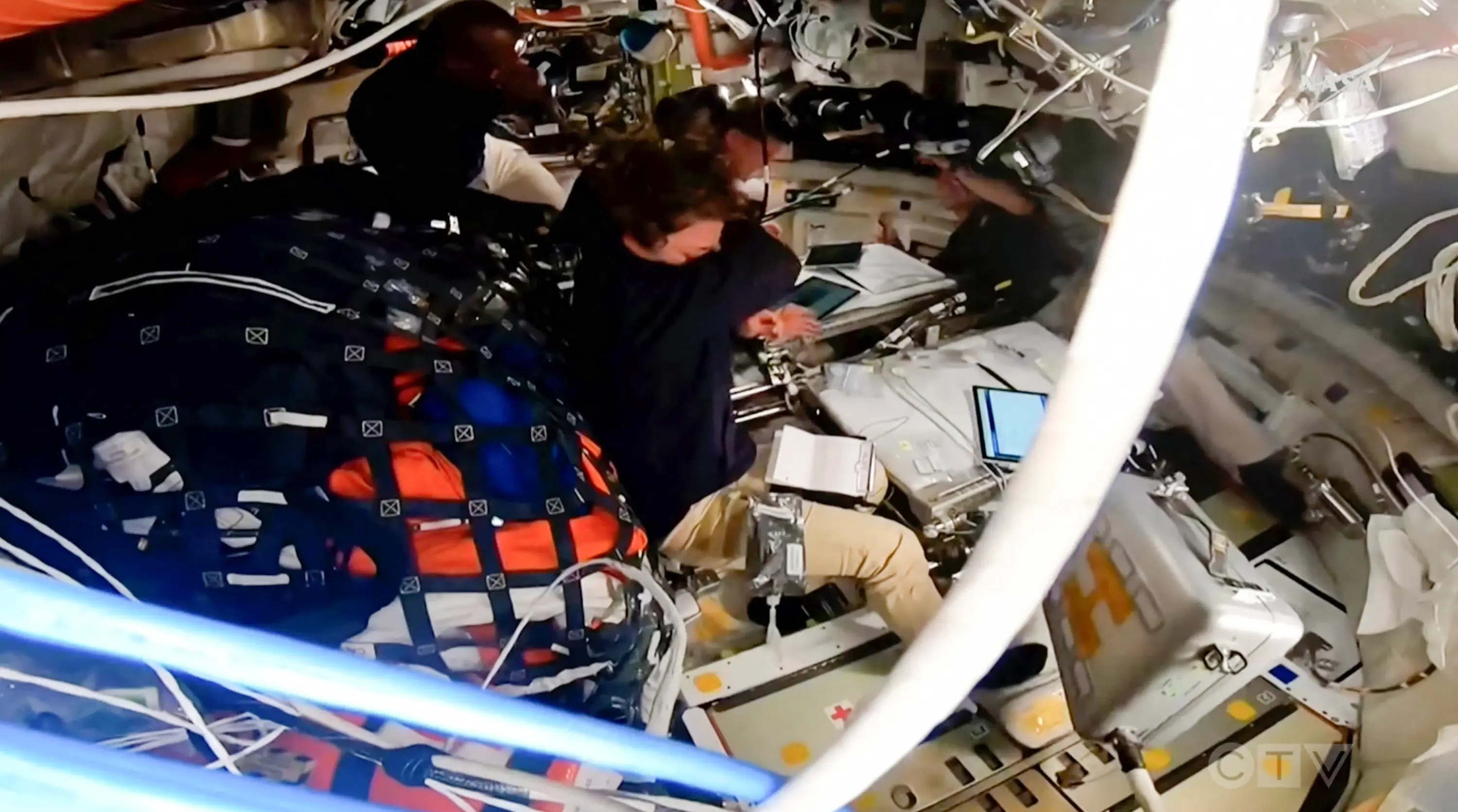
With the flush system still down, the four astronauts have fallen back on what flight director Rick Henfling called "alternate means." The astronauts have been forced to use personal reusable containers, officially named "collapsible contingency urine disposal devices."
Henfling stressed at a Tuesday press conference that "the toilet remains operational" and that the "challenge that we're working through is evacuating the wastewater tank."
Ice or Something Weirder
NASA's first theory was that filters had frozen in the cold of deep space. The spacecraft was rotated to face the sun, heaters were switched on, and the system was effectively baked. The blockage remained. The current leading theory is a chemical reaction inside the urine treatment system, a process designed to prevent microorganisms from developing in the wastewater tank, may be producing debris and clogging the filter. "The latest theory is related to some of the chemistry that goes into ensuring that the wastewater doesn't develop any biofilms," said Henfling, the flight director for the Artemis II mission.
The Most Important Piece of Equipment On Board?
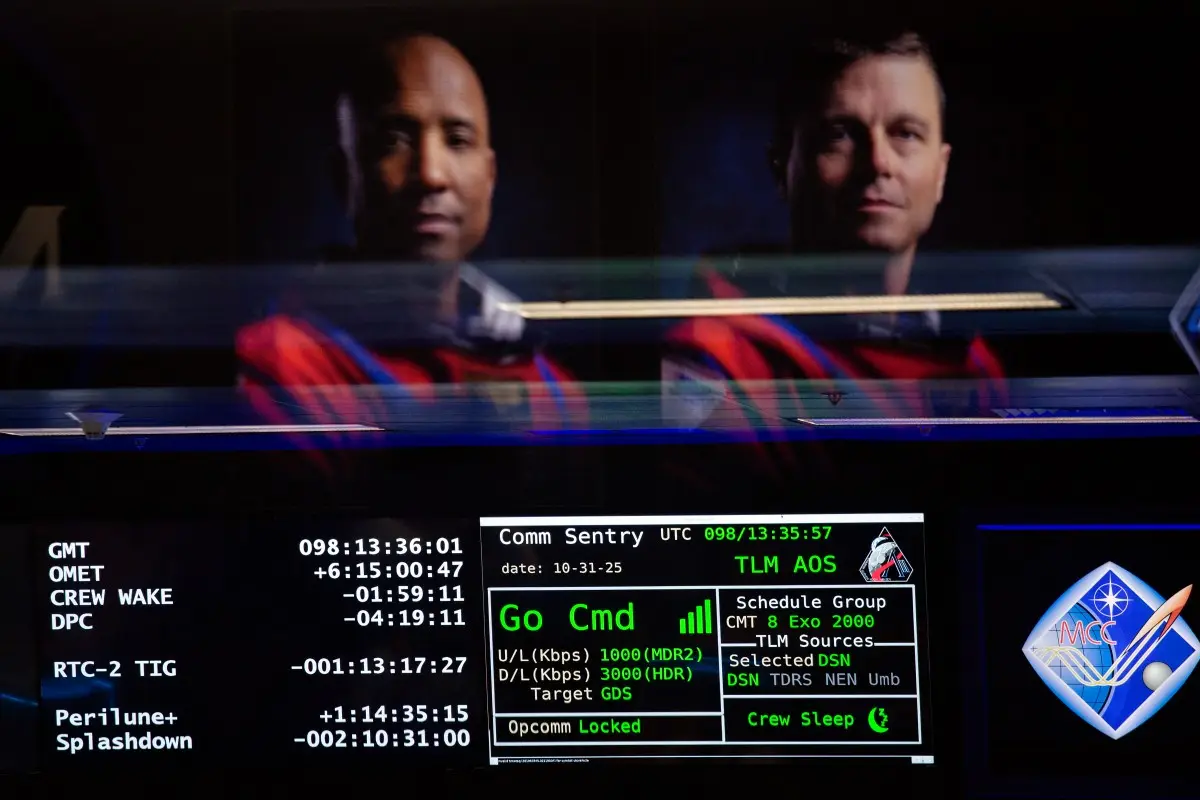
Koch, for her part, has handled the situation with good humour. "I'm proud to call myself a space plumber," she said during her first briefing from the spacecraft, describing the toilet as "probably the most important piece of equipment on board." She's not wrong. The Orion capsule has no shortage of sophisticated technology, but when you're three days from home with no way to step outside, plumbing ranks fairly high.
Where is the Toilet Located?
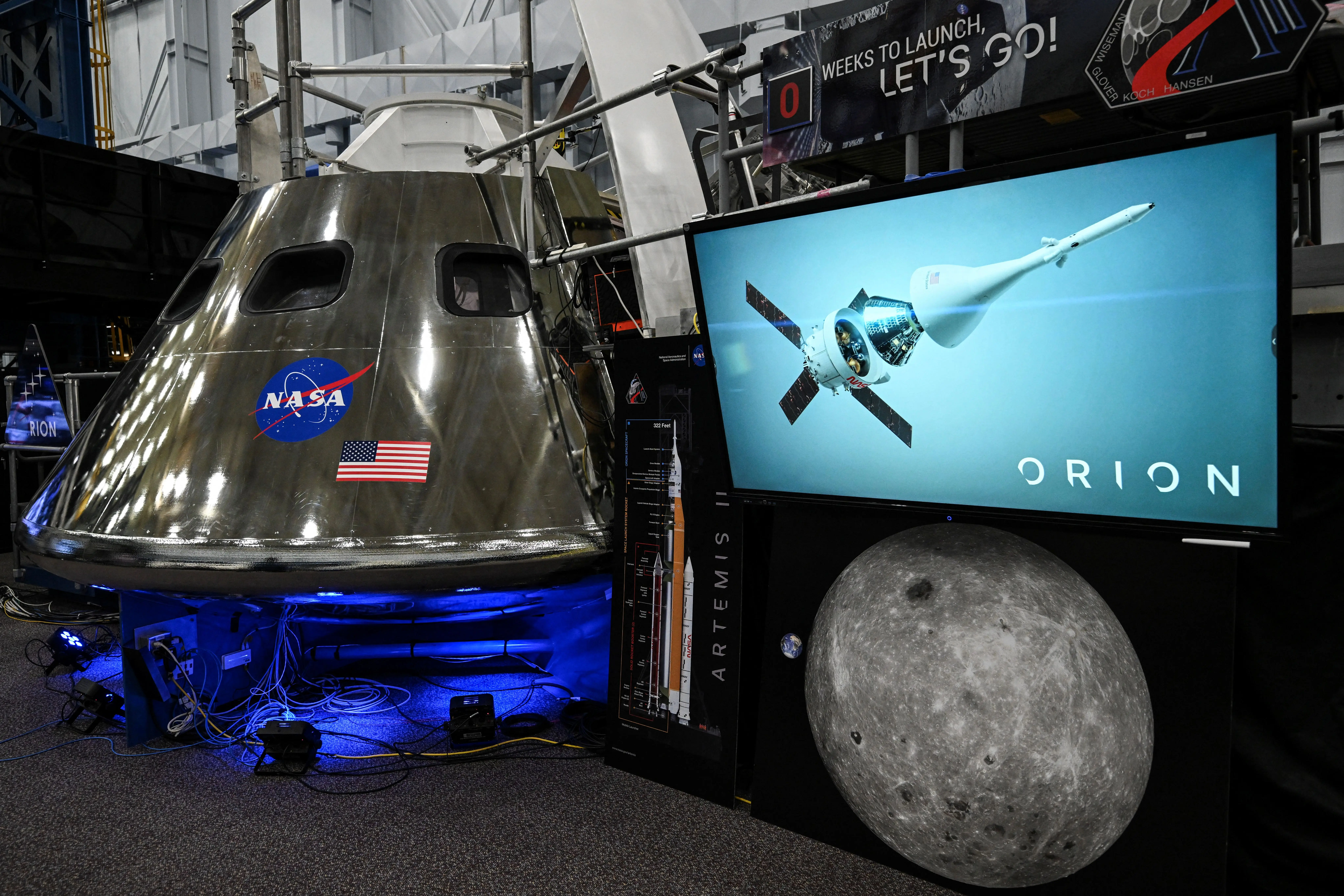
The Orion spacecraft is five meters in diameter and just over three meters tall, and the toilet is located beneath the floor, the only space on board where any astronaut can be alone. It is, by all accounts, very noisy inside, which means ear protection is required. Suction systems compensate for microgravity. Solid waste is collected in disposable bags that will be returned to Earth.
What now?
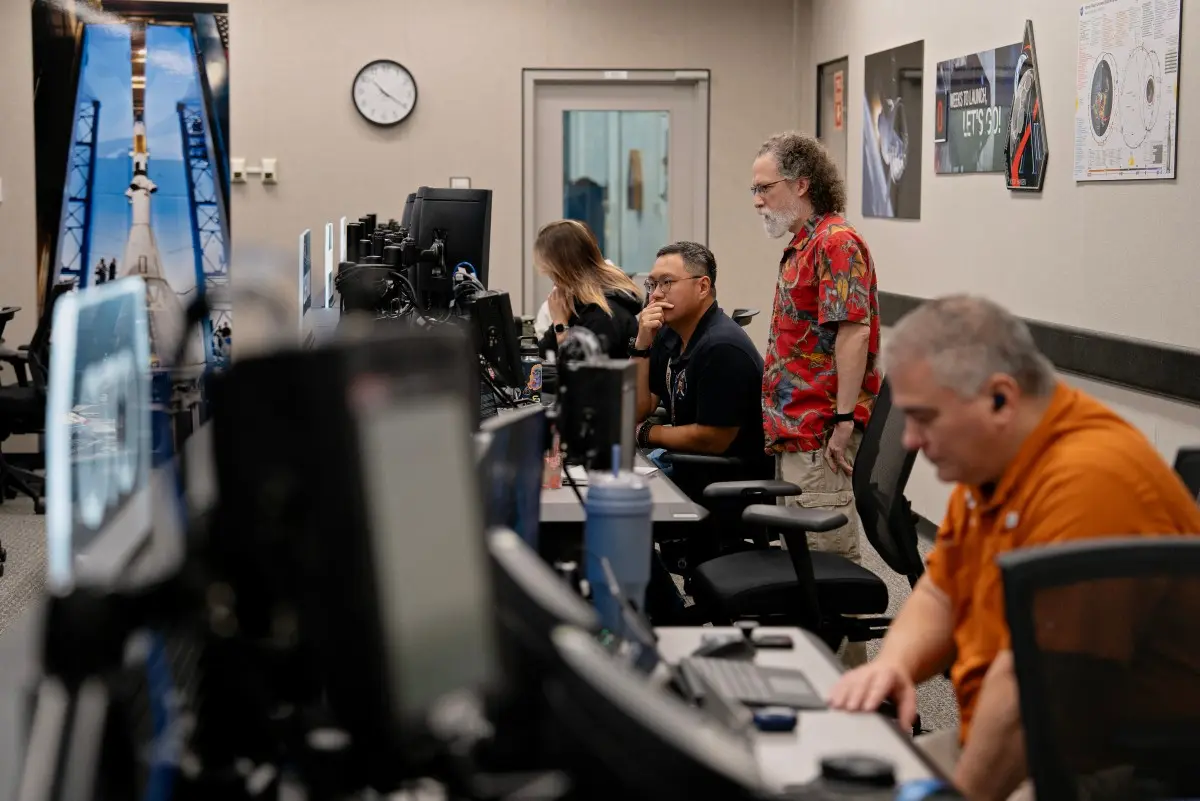
The toilet malfunction has become a recurring theme at press conferences at the Johnson Space Centre in Houston. With the splashdown of the aircraft scheduled for Friday, the agency says engineers will open the system up as soon as the crew is safely back on the ground to find out exactly what went wrong inside a $23 million toilet.
"As soon as we get this down on the ground, we'll be able to get inside, and we will get to the root" of the problem, said Lori Glaze, associate administrator of NASA's Exploration Systems Development Mission Directorate.
)
)
)
)
)