'Stay tuned...': Iran envoy to Pakistan gives BIG update on negotiations ahead of Trump's Tuesday deadline — War to end soon?

Iran-US peace talks reach a critical stage as Trump sets a Strait of Hormuz deadline. Iran rejects the 15-point plan, offers a 10-point proposal. Pakistan pushes mediation via the “Islamabad Accord” with a 45-day ceasefire amid rising West Asia tensions.
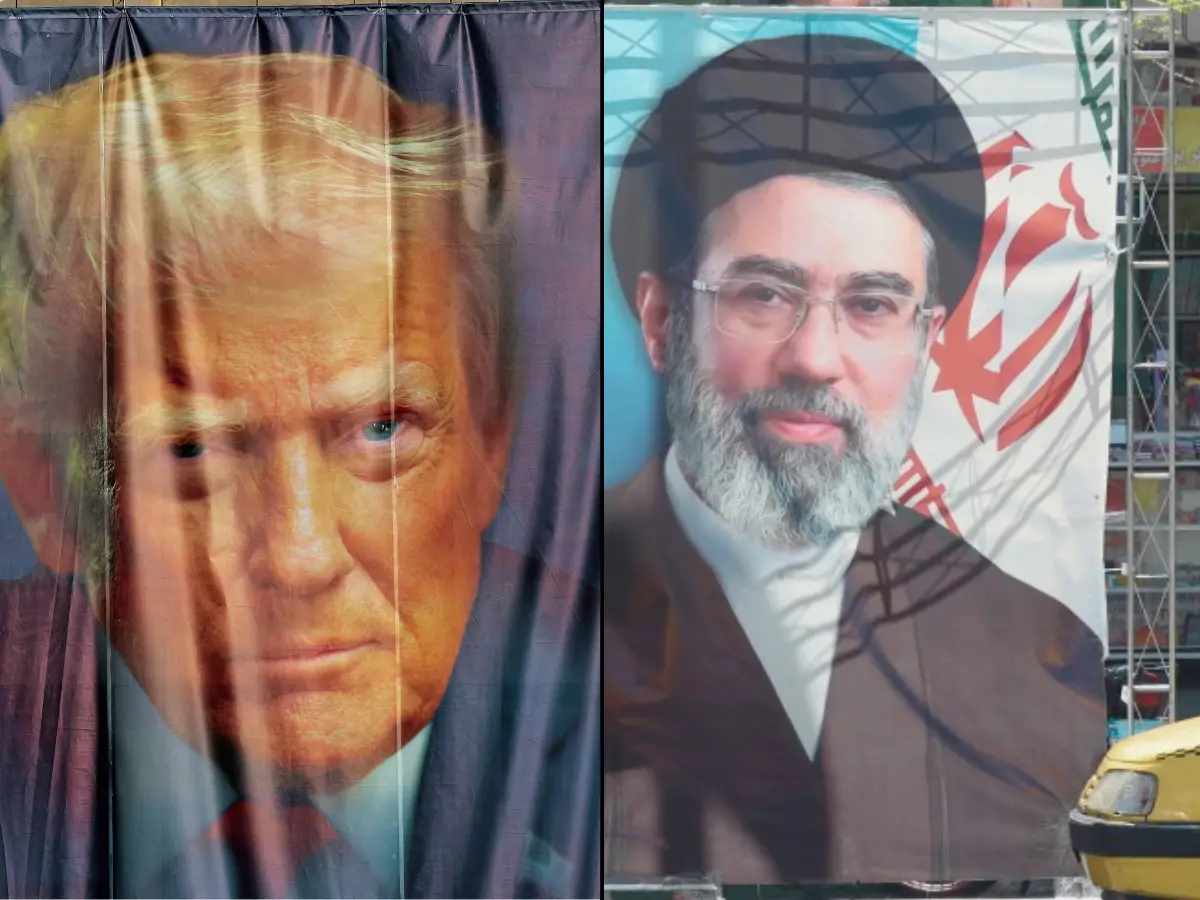
Iran ambassador to Pakistan says efforts to end war at 'critical, sensitive stage'
Providing latest update on the peace talks between Iran and the US, Iran's ambassador to Pakistan said on Tuesday (Apr 7) that efforts to end the war were approaching a "critical" stage. "Positive and productive endeavours in Good Will and Good Office to stop the war is approaching a critical, sensitive stage," Ambassador Reza Amiri Moghadam wrote on X, without giving details. Pakistan has actively positioned itself as a primary mediator in the ongoing conflict between the United States and Iran. Under what is being touted as "the “Islamabad Accord”, Pakistan has reportedly proposed a two-stage truce plan, involving an immediate 45-day ceasefire. While reports suggest that Pakistan’s Army Chief, Field Marshal Asim Munir, held marathon discussions with senior officials, including U.S. Vice President JD Vance, Iran has publicly rejected claims of direct mediation.
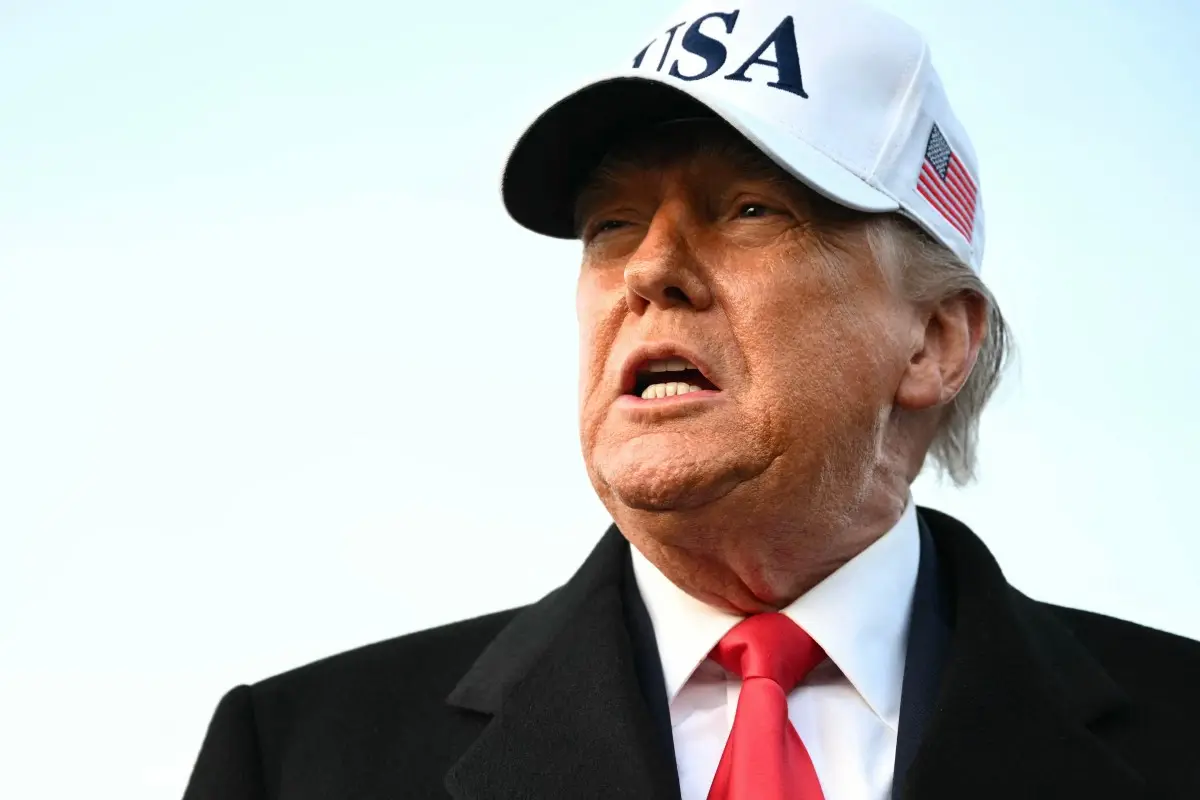
Trump's deadline looms
The message from Pakistani envoy came hours before a deadline set by US President Donald Trump for Iran to open the Strait of Hormuz to shipping or face attacks on key infrastructure. In expletive-filled threat on Apr 5, Trump said that Tuesday will be "power plant day and bridge day all wrapped in one" in Iran. "Open the Fuckin’ strait, you crazy bastards, or you'll be living in hell — just watch! Praise be to Allah," Trump wrote in a Truth Social post. However, he also expressed that he believes there is a "good chance" of reaching a deal with Iran on Monday. Speaking to reporters on Apr 6, Trump said, “The entire country can be taken out in one night, and that night might be tomorrow night."
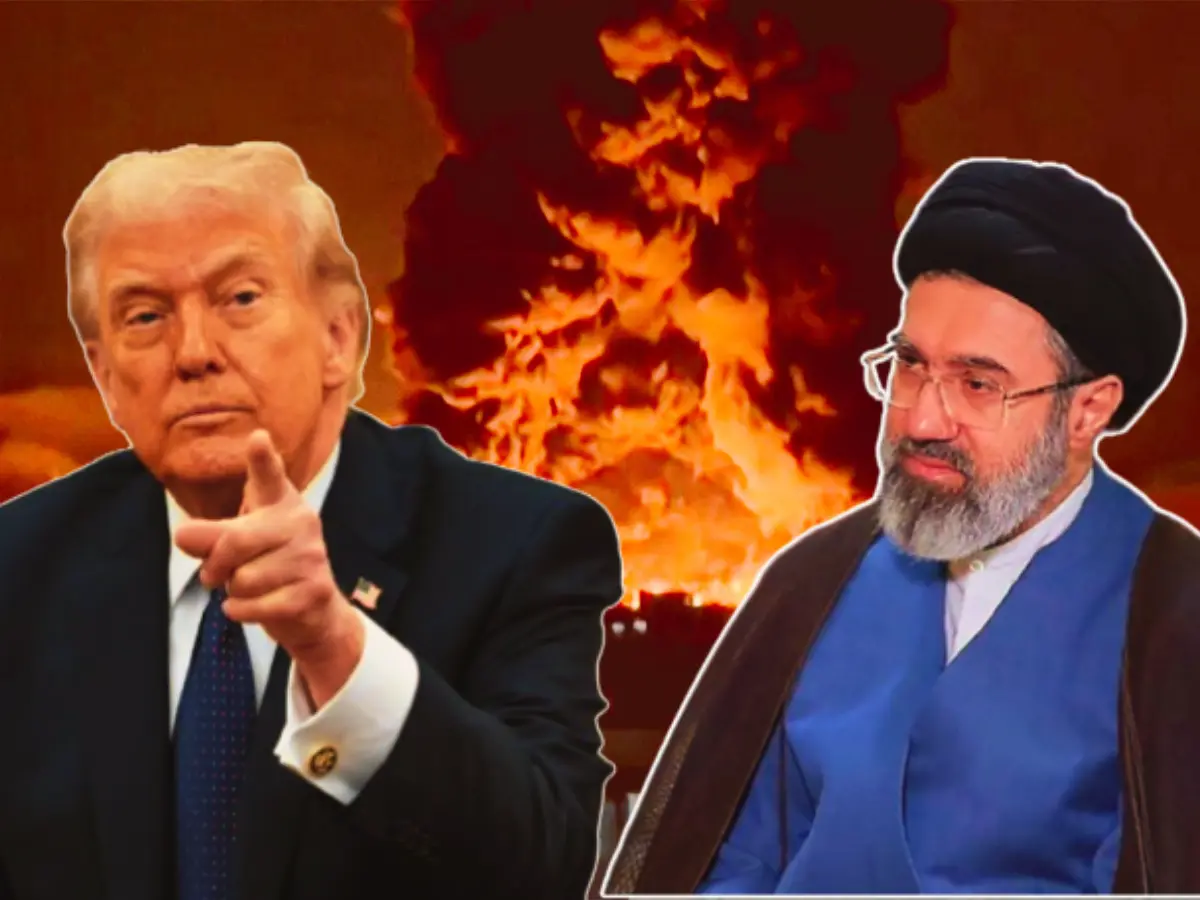
What we know about Iran-US talks?
Negotiations between Iran and the United States reportedly began in the last week of March. On Mar 20, Pakistan began high-level diplomatic outreach with Pakistani Prime Minister Shehbaz Sharif holding calls with leaders from Azerbaijan, Malaysia, and Uzbekistan to stress the need for dialogue. On March 22–23, 2026, Pakistan's Army Chief, Field Marshal Asim Munir contacted the U.S. President Donald Trump, and the Pakistani Foreign Office officially offered Islamabad as a venue for peace talks. On Mar 29, a quadrilateral talks of foreign ministers from Saudi Arabia, Turkey, Egypt, and Pakistan were held in Islamabad to pave way to deescalate the Iran war. On Mar 31, Pakistan and China jointly announced a five-point peace initiative calling for an immediate ceasefire and the reopening of the Strait of Hormuz.
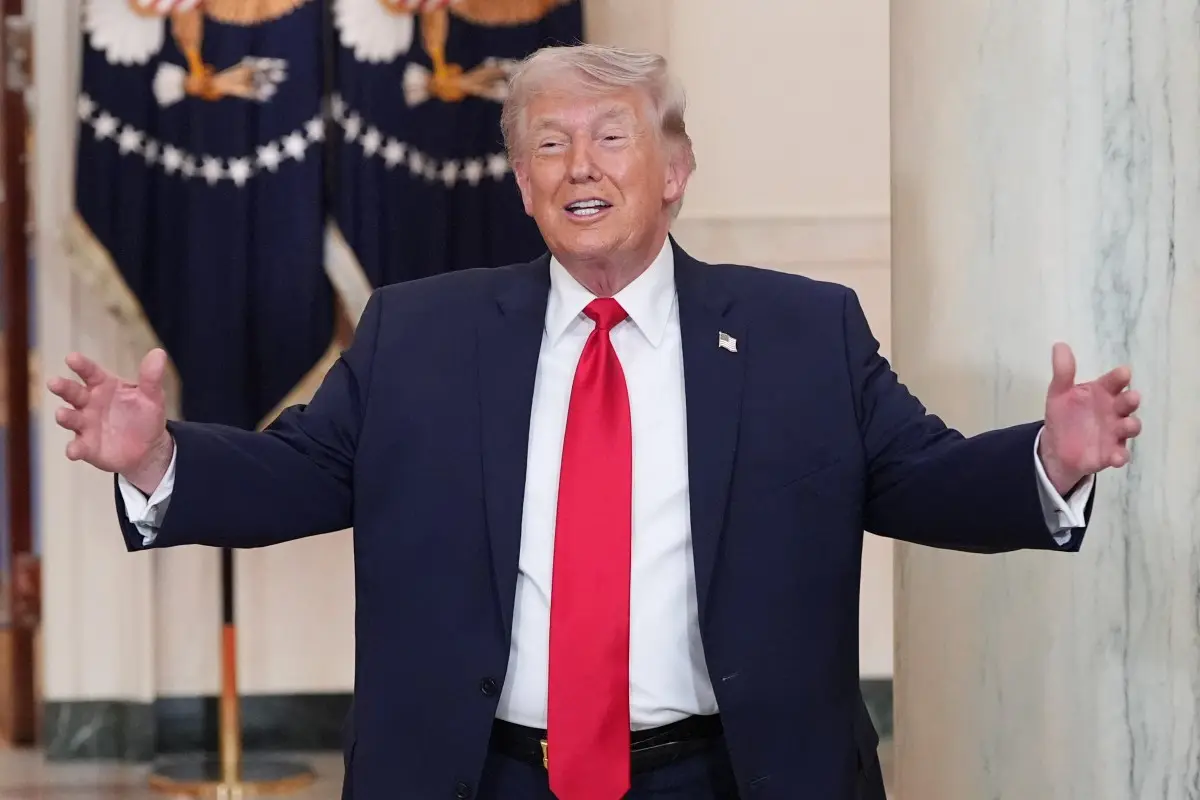
What is in Trump 15-point peace plan ?
In March last week, Trump announced that peace talks are taking place between Iran and the US and revealed that he has sent a 15-point peace plan to Tehran. According to reports, Trump's plan is aimed at curbing Iran’s nuclear and regional activities. It includes a one-month ceasefire, complete dismantling of nuclear capabilities, a ban on pursuing nuclear weapons, and ending uranium enrichment. The proposal calls for transferring all nuclear material to the International Atomic Energy Agency, shutting down key facilities like Natanz Nuclear Facility, Isfahan Nuclear Technology Center, and Fordow Fuel Enrichment Plant, and allowing unrestricted inspections. It further demands Iran abandon and stop funding regional proxies, ensure the Strait of Hormuz remains open, and later limit its missile program while maintaining defensive-only forces. In return, the framework offers lifting all sanctions, support for civilian nuclear energy at Bushehr Nuclear Power Plant, and an end to snapback sanctions. In latest response on the talks, Trump on Monday (April 6) described a 45-day ceasefire proposal in the Iran war as a “very significant step.”
What is in Iran's 10-point proposal?
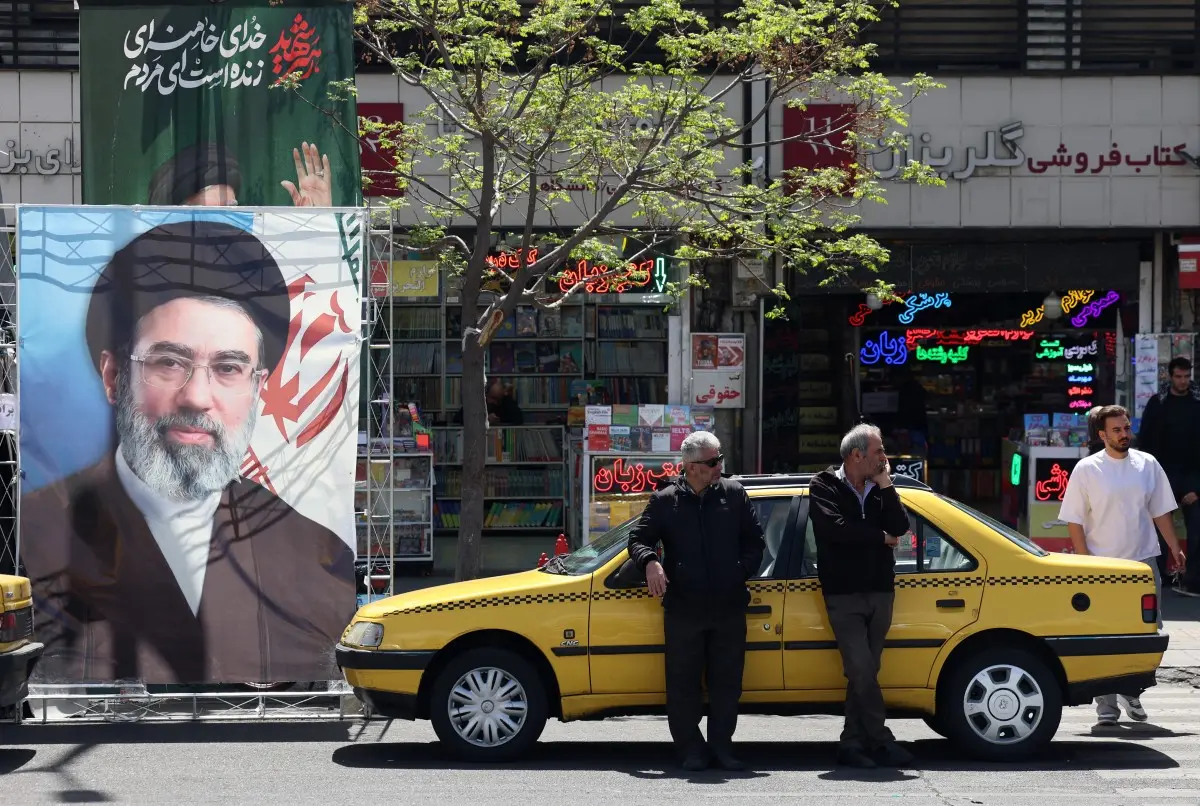
While Tehran rejected the United States’ 15-point proposal to end the war, calling it “extremely ambitious”, “unusual” and “illogical”, it presented a 10-point plan aimed at ending the conflict. The plan calls for ending regional conflicts, ensuring safe passage through the Strait of Hormuz, and formal recognition of Iran’s right to uranium enrichment under the Nuclear Non-Proliferation Treaty. It also demands the removal of US and international sanctions and an end to Israeli attacks on Hezbollah in Lebanon. In return, Iran would lift its effective blockade of the Strait of Hormuz, charging approximately $2 million per vessel—a fee to be shared with Oman—with the funds earmarked for rebuilding infrastructure damaged by US and Israeli strikes, rather than for direct compensation.
Disclaimer: WION takes utmost care to accurately and responsibly report ongoing conflicts in West Asia involving Israel, Iran, the US, Gulf nations, and non-state actors like Hezbollah, Hamas, Houthis, Islamic State, and others. Claims and counterclaims, disinformation and misinformation are being made online and offline. Given this context, WION cannot independently verify the authenticity of all statements, social media posts, photos, and videos.
)
)
)
)
)