In pictures: World’s largest plant Posidonia Australis

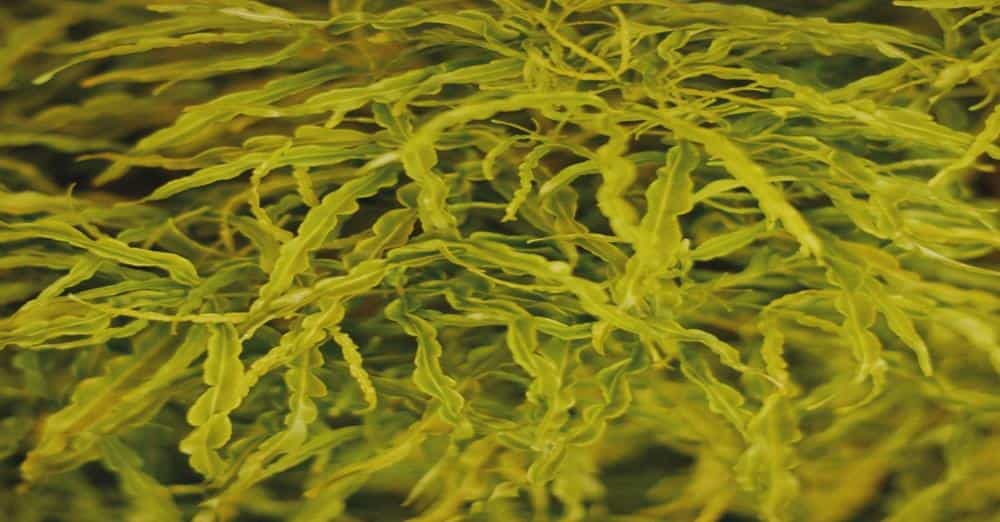
Genes are the reason
"We often get asked how many different plants are growing in seagrass meadows and this time we used genetic tools to answer it," said Elizabeth Sinclair with the UWA Oceans Institute, a senior author of the study and a professor in UWA's School of Biological Sciences.
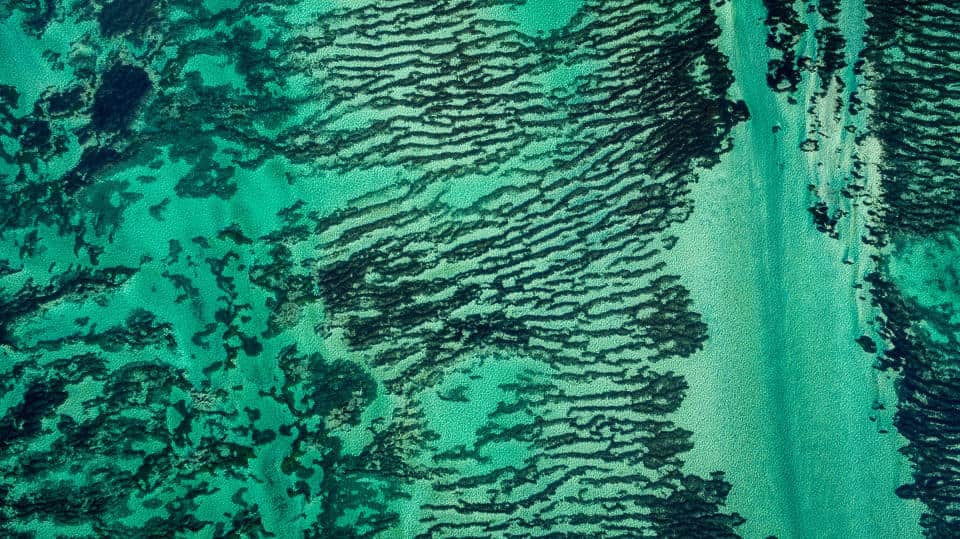
All this meadow is just one plant!
UWA student researcher Jane Edgeloe, lead author of the study said, "The answer blew us away – there was just one!"
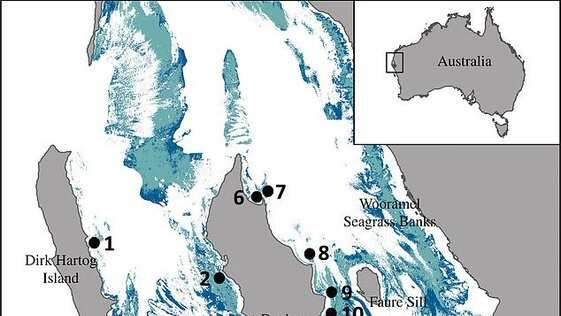
"That's it, just one plant has expanded over 180km (111 miles) in Shark Bay, making it the largest known plant on earth."He added
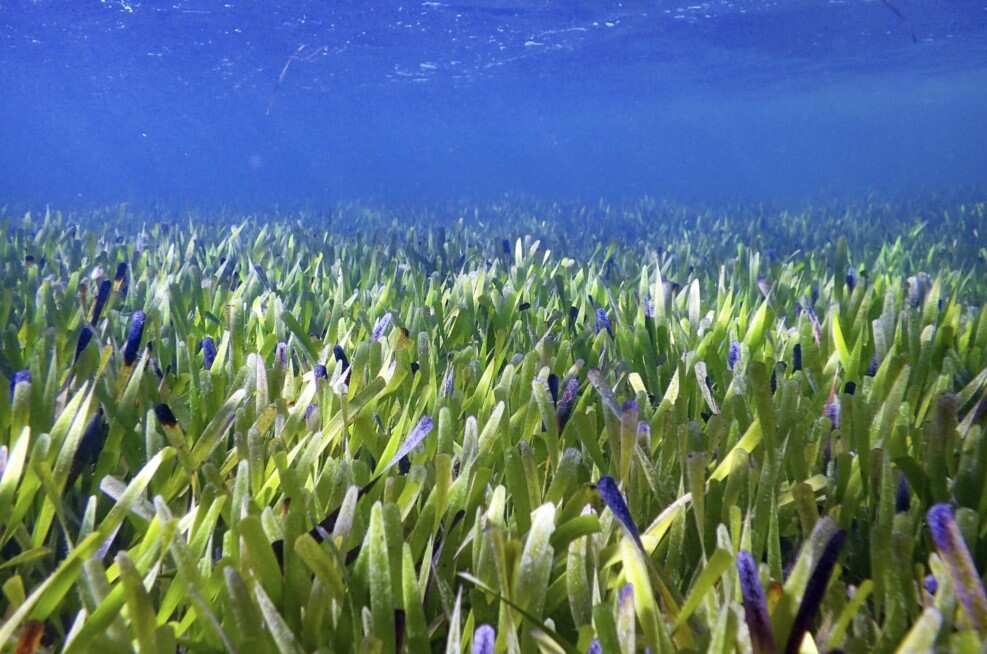
Shoots from the root
Posidonia clones itself by creating new shoots that stem out from its root system. Even separate meadows are genetically identical, indicating that they were once connected by now-separated roots.
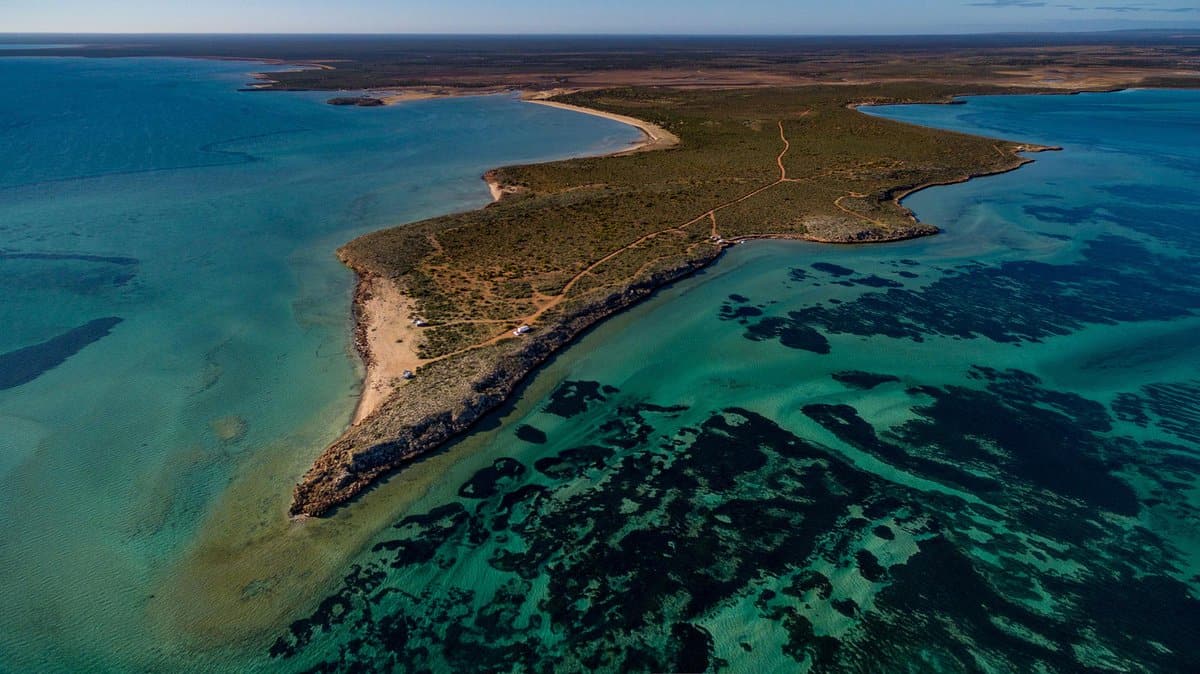
Polyploidy hybrid
The grass is a hybrid of two different sets of chromosomes, called polyploidy, a harmful condition for plants. It is a harmful condition for plants, but this grass does not flower and reproduces by cloning itself.
Survive in extreme environmental conditions
“Polyploid plants often reside in places with extreme environmental conditions, are often sterile, but can continue to grow if left undisturbed, and this giant seagrass has done just that,” the University of Western Australia quoted Dr Elizabeth Sinclair, a senior author of the study, as saying.
They are edible
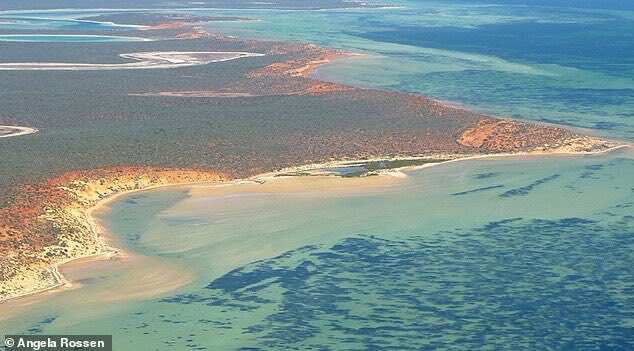
Seagrass is important for marine life. They provide homes for marine organisms, are a food source, and therefore support local economies. Sea grass is edible and is eaten by the native people of Australia.
)
)
)
)
)