In pics - Tomb of ancient Egyptian commander dating back to 500 BC found in Egypt


Ancient tomb
This was a major proof that ancient Egyptians had diplomatic as well as trade relations with foreign nations, the ministry said in their statement. Experts were able to determine that the tomb belonged to Wahibre merry Neith, an army general.
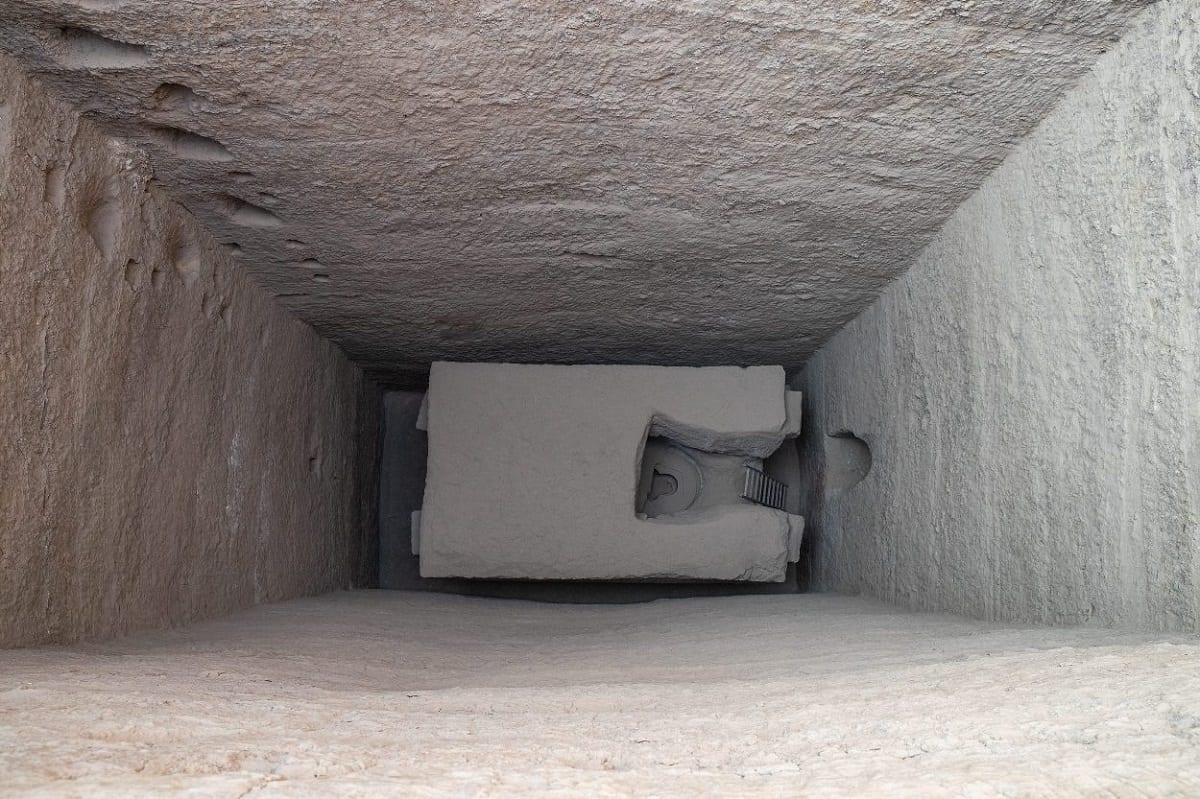
Dating back to around 500 BC
The various artifacts which were recovered from the tomb helped experts in understanding the time period when it was built, and they believe that the general lived between the late 26th dynasty and early 27th around 500 BC.
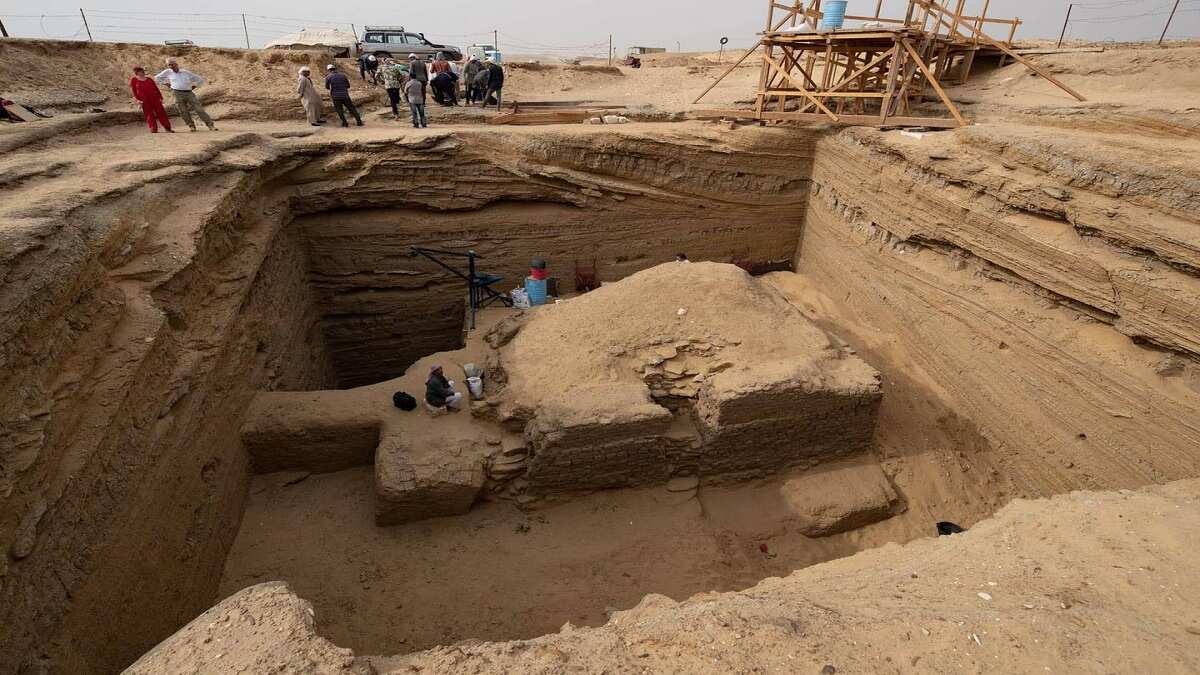
Location of the tomb
It was a huge find for the Egyptology Department of Prague’s Charles University. They were working near the Pyramids of Giza and around 12 kms away from the pyramids, they were able to find the well-preserved tomb.
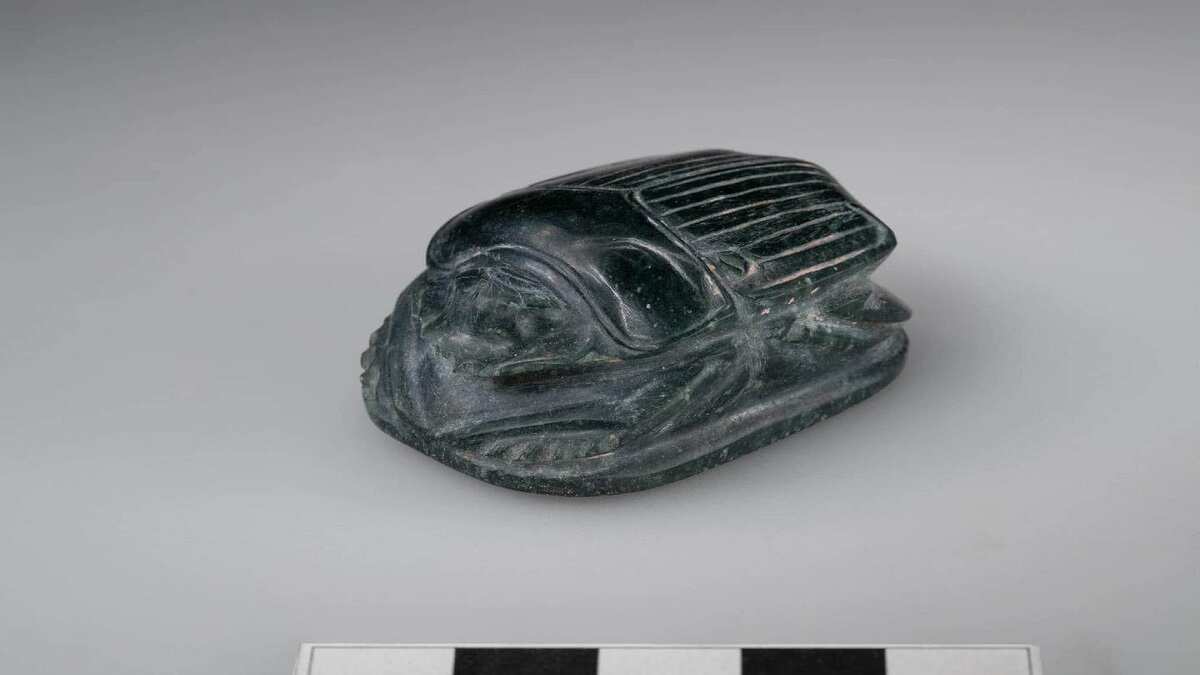
Official statement
Grave robbers stole Wahibre-mery-Neith's mummy in antiquity, but archaeologists located remains of his sarcophagus that have hieroglyphs inscribed on them. The glyphs give his identity and quote part of chapter 72 of the Book of the Dead that describes "the resurrection of the deceased and his departure to the afterlife," according to the statement. (Text: Live Science)
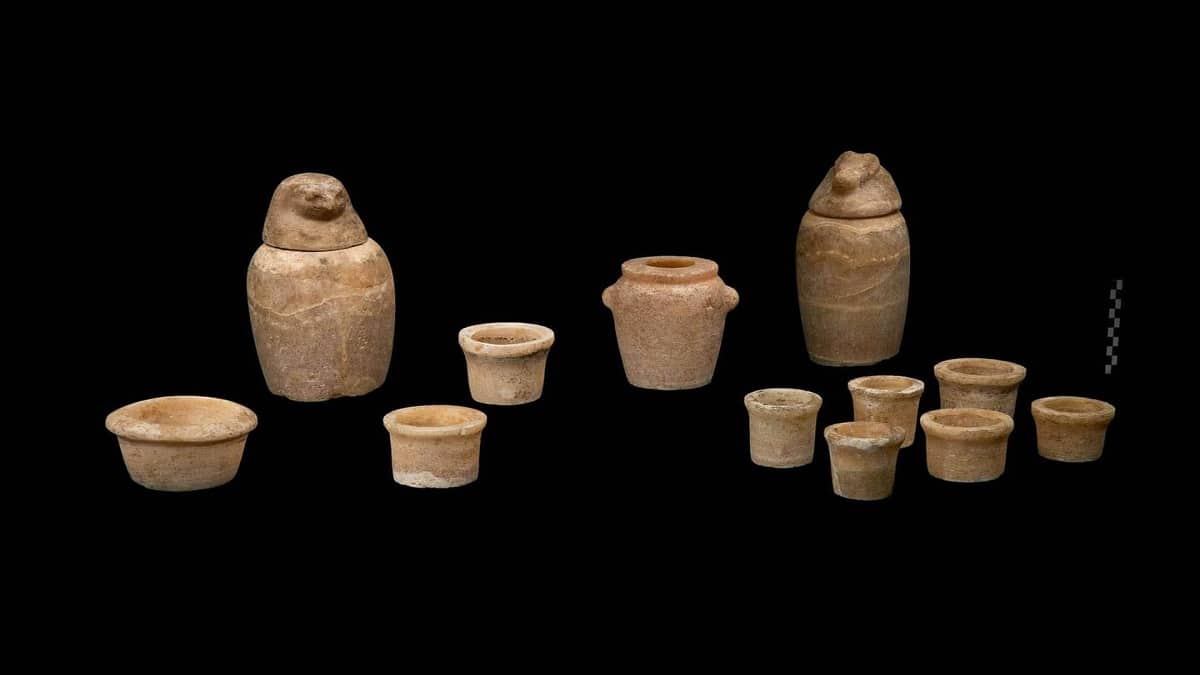
Significant discovery
The tomb's embalming cache had around 370 storage jars with various ingredients which were used in the mummification of the general and although the team was unable to found variety of artifacts, the researchers believed that this was a "significant discovery".
)
)
)
)
)