All you should know about interstellar object 3I/Atlas: Size, origin, arrival, and why has it turned green

Everything we know about Interstellar object 3I/Atlas: Where is the interstellar comet coming from? Could it really be an alien spaceship? Will it hit Earth? Is 3I/Atlas really a comet, or could it be an entirely new piece of space rock?
Interstellar object 3I/Atlas: What we know about it
Interstellar object 3I/Atlas has been intriguing astronomers and scientists across the world ever since it was discovered in July this year. It is only the third visitor from outer space, after 'Oumuamua, that showed up in 2017, and 2I/Borisov, that paid us a visit in 2019. It will be weeks before 3I/Atlas reaches perihelion and closes in on Earth (not by much). But there is so much that has already been written and said about the interstellar visitor. This is because of the strange characteristics that it has been revealing. Besides, Harvard scientist Avi Loeb has raised concerns that it could possibly be an alien spaceship sent by an advanced civilisation to probe the solar system and the planets. Here are all the exciting details about 3I/Atlas and everything we know about it till now.
How do we know 3I/Atlas is coming from interstellar space?
After 3I/Atlas was spotted in July earlier this year, scientists were puzzled to see that it was on a strange trajectory that is not normal for asteroids and comets that reside in our solar system. After several observations and calculations, they concluded that it was coming from interstellar space.
Where is 3I/Atlas coming from?
There is still contention over where this object is paying us a visit from. Previous analyses showed that it was coming from the thick disk region of the Milky Way. However, another group of scientists recently pointed out that it is coming from the thin disk. Yiyang Guo and his team from the Shanghai Jiao Tong University studied what could have flung 3I/Atlas into interstellar space, and noted that the young stars in the thin disk of our galaxy are most likely the culprit.
How big is 3I/Atlas?
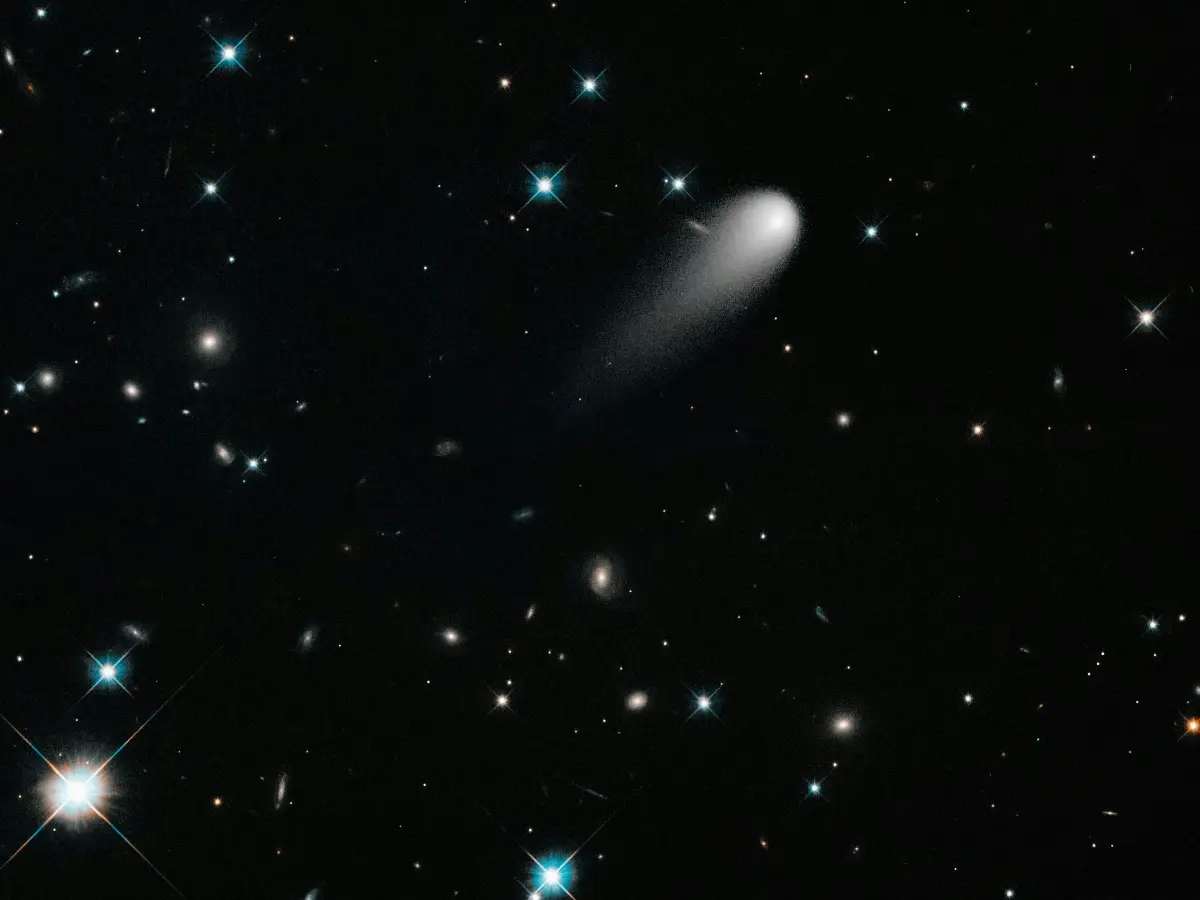
The Hubble Space Telescope observations suggest that the diameter of 3I/ATLAS's nucleus is between 0.32 and 5.6 km. Scientists say that it is most likely to be only about a kilometre in diameter. However, Loeb cites the brightness of 3I/ATLAS at a wavelength of 1 micrometre to claim that it has a nucleus that measures 46 kilometres in diameter.
How old is 3I/Atlas?
It is possibly the oldest comet ever seen by man. According to a July 2025 study led by Matthew Hopkins, 3I/ATLAS is expected to be 7.6 and 14 billion years old. If this is true, then 3I/ATLAS is older than the solar system, which was born 4.6 billion years ago.
How fast is 3I/Atlas travelling?
The speed of the interstellar visitor was another clue to its origins. Scientists say it is travelling at a speed of 221,000 km/hr, or 60 km/s. That is extremely fast for a comet, which 3I/Atlas most likely is.
When was 3I/Atlas detected?
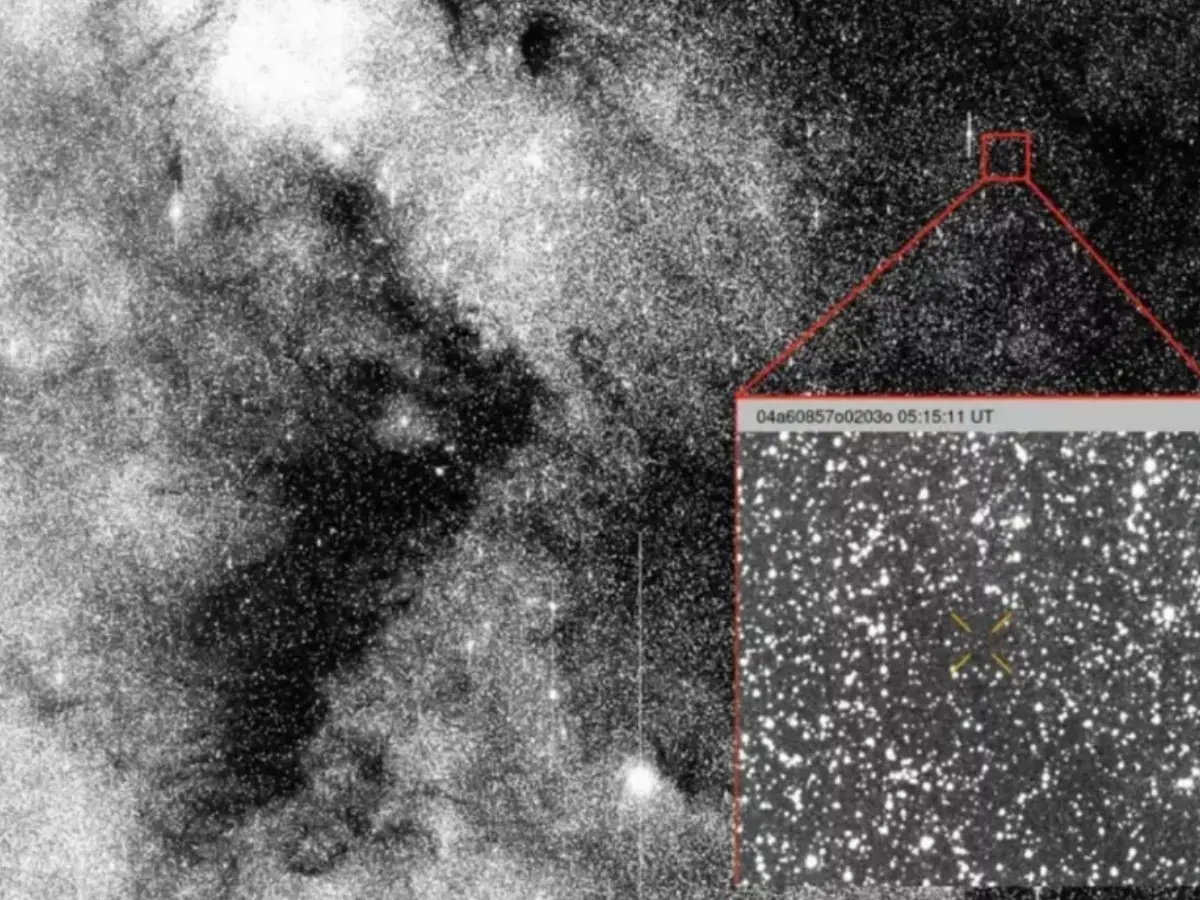
As the name suggests, it was officially discovered by the Asteroid Terrestrial-impact Last Alert System (ATLAS) station at Río Hurtado, Chile. However, as scientists scanned past data of other telescopes, they stumbled upon images taken by NASA's Transiting Exoplanet Survey Satellite (TESS) in May. It showed that between May 7 and June 3, 3I/ATLAS suddenly became five times brighter. This increasing brightness was another anomaly, as scientists say the brightness should have gone up by only 1.5 times.

Does 3I/Atlas have a tail?
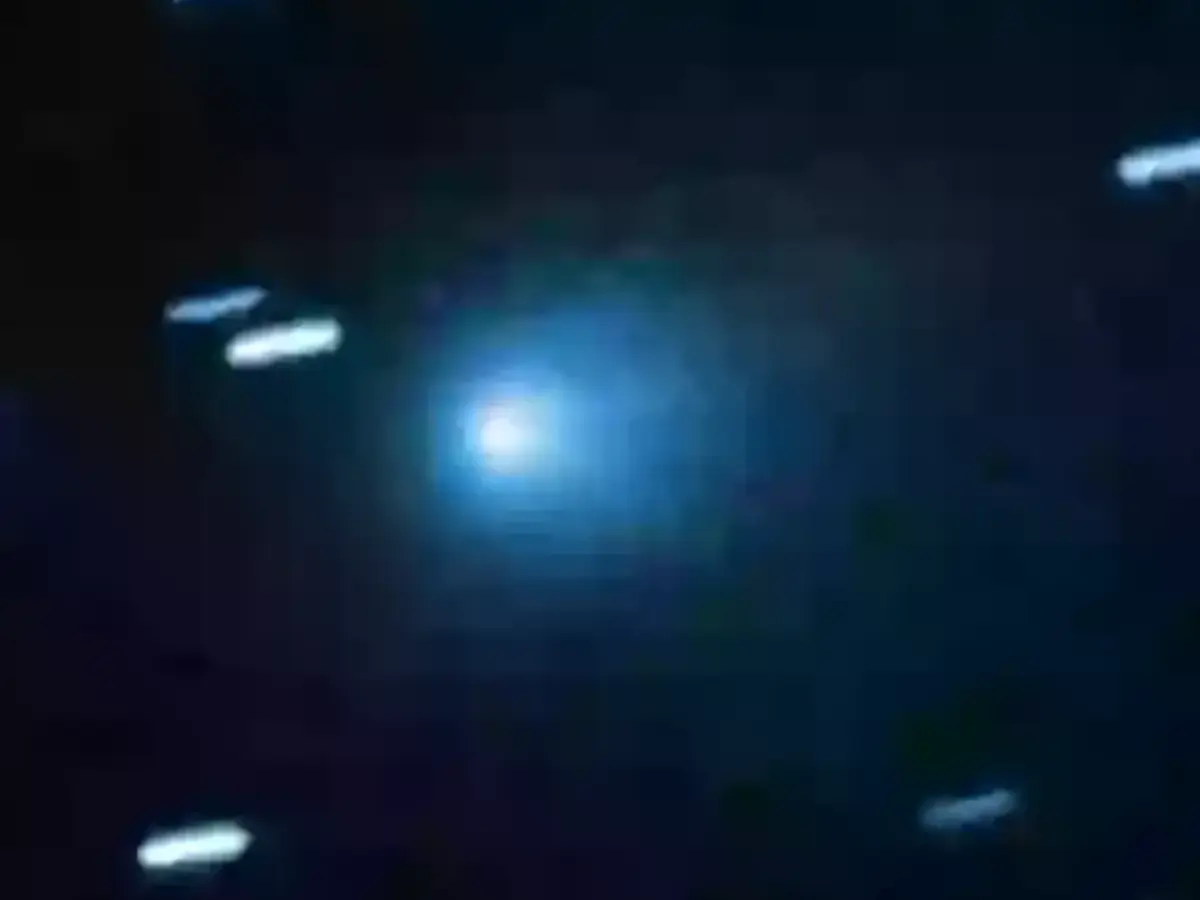
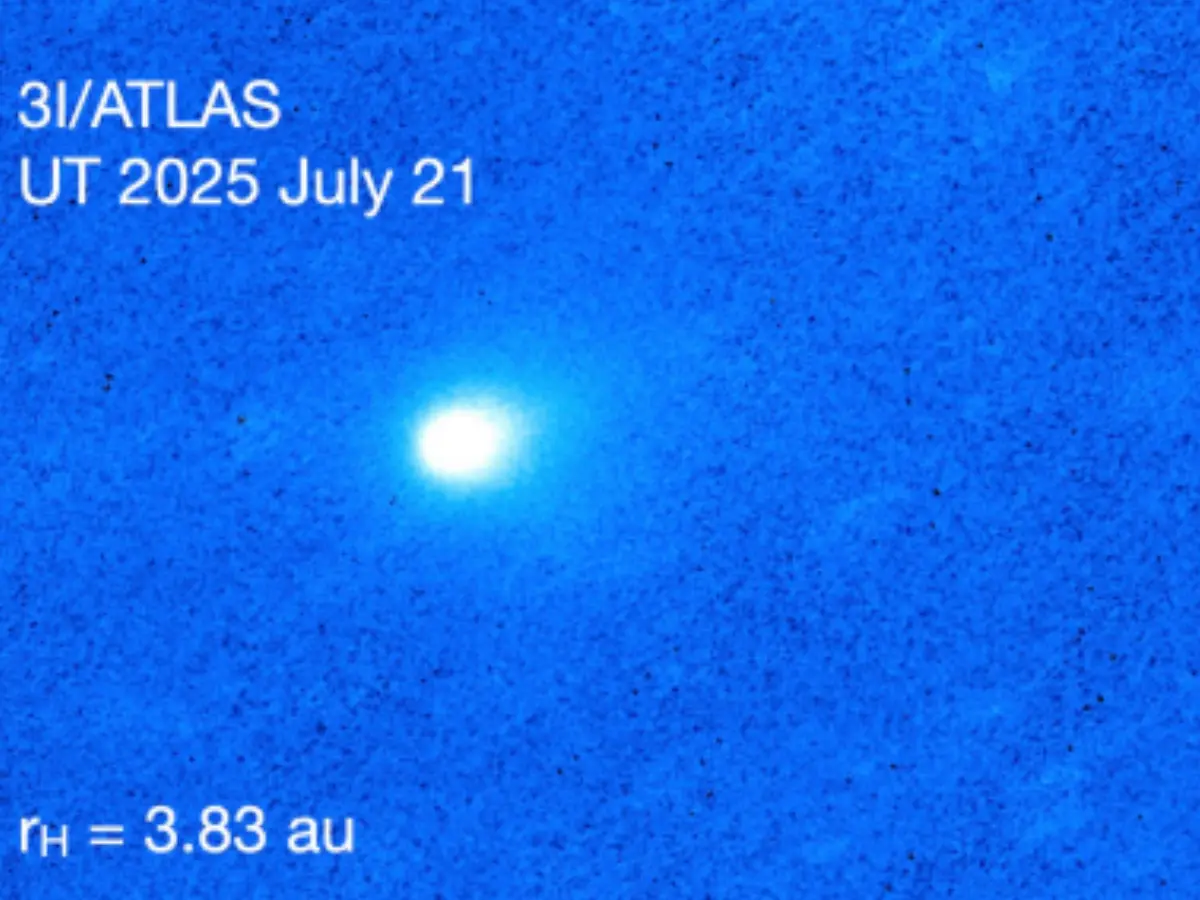
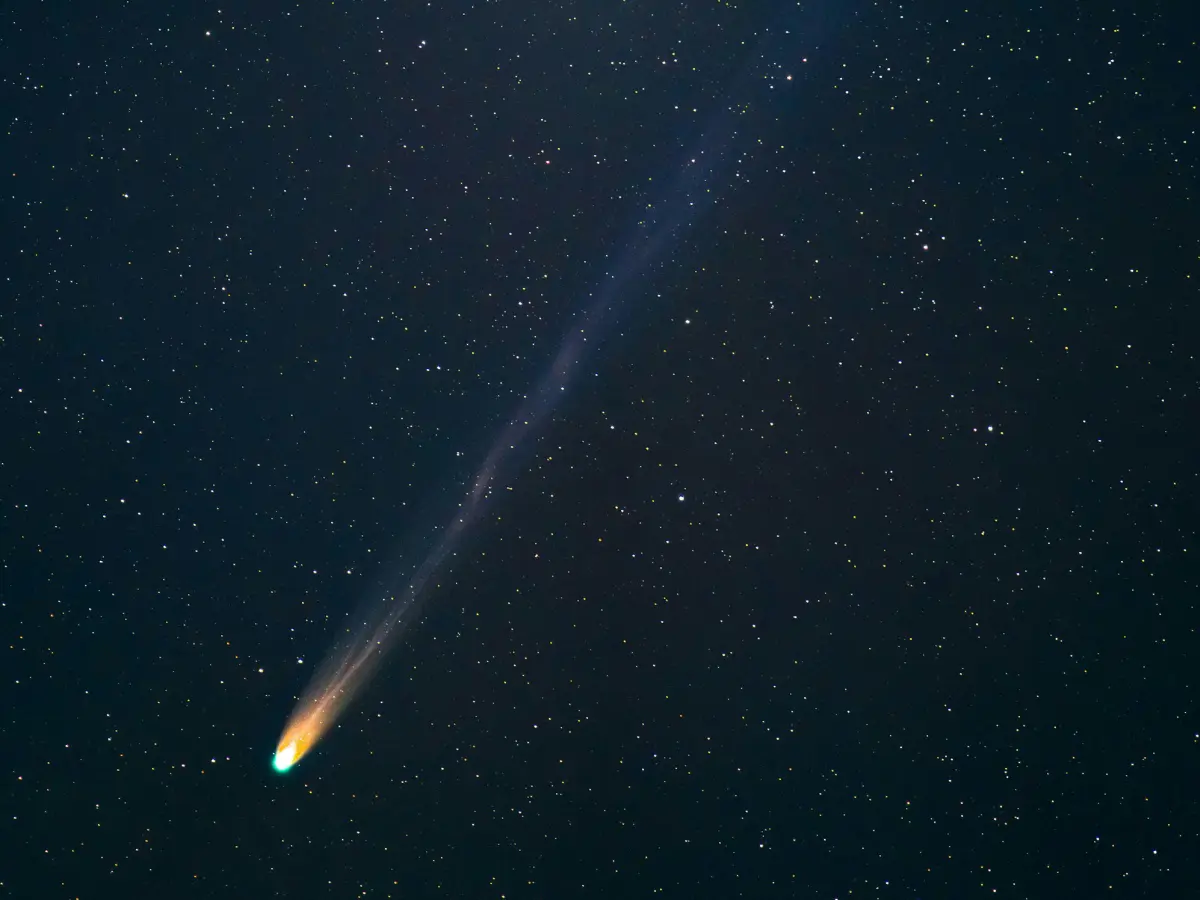
Yes, the object is finally showing signs of a cometary tail. The Gemini Multi-Object Spectrograph (GMOS) on Gemini South at Cerro Pachón in Chile captured a tail and a glowing coma on 3I/Atlas. Students from Hawai‘i and La Serena, Chile, remotely joined the Gemini South control room and saw 3I/ATLAS in real time.

When is 3I/Atlas arriving?
The interstellar object is already somewhere between Jupiter and Mars. It will come near the red planet on October 3. It will make its closest approach to the Sun on October 30. It will remain visible through September before vanishing from sight. It will reappear by early December 2025. It will pass Earth at a safe distance.

Why does Avi Loeb think 3I/Atlas is an alien spaceship?
Loeb has cited several clues to claim that 3I/Atlas is unlikely to be of natural origin. Firstly, its trajectory brings it exactly in alignment with the planets in the solar system. Second, he says none of the telescopes have yet spotted a clear cometary tail. If anything, he says it has an anti-tail, that is, a tail facing the Sun. The Very Large Telescope has detected cyanide and nickel, but no iron in the plume of gas around 3I/ATLAS. He says the lack of iron "is a signature of industrial production of nickel alloys." He also says that it is most likely releasing its own light.
3I/ATLAS has turned green. Why?
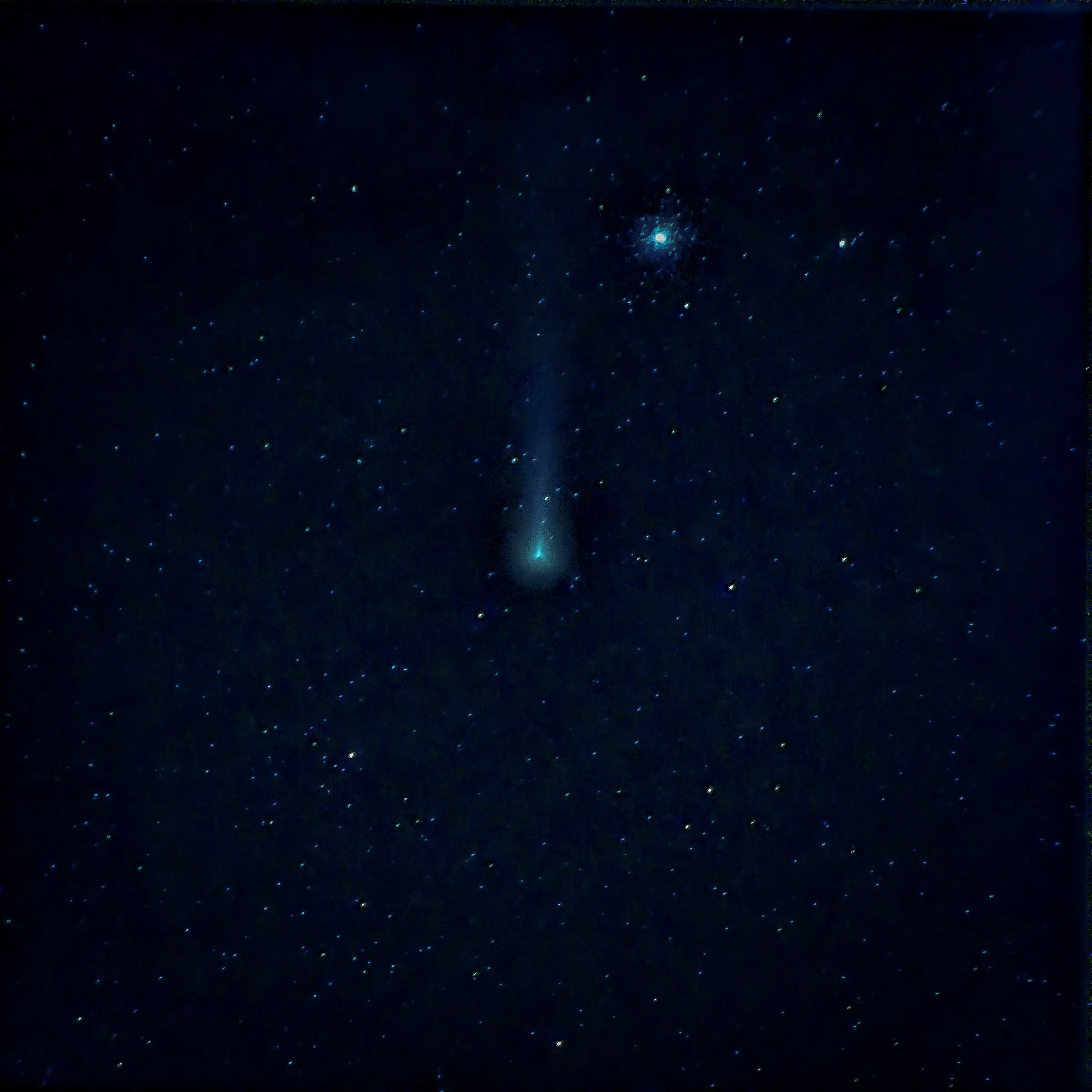
All observations of 3I/ATLAS until now suggested that it had a reddish colour. But new images show that it has turned green. Avi Loeb says that this change in colour could be because of a steep rise in the production of cyanide, a gas seen around the interstellar object by the Very Large Telescope on August 25, 2025. He added that the ATLAS team believes "this anomalous evolution" was a "shift from scattering of sunlight by dust lifted from a reddened surface to the production of small, optically bright icy grains, which changed the opacity of the plume of materials shed off by 3I/ATLAS."
)
)
)
)
)