Doomsday fish seen four times in last 20 days, including in India. Here are all the recent sightings

The doomsday fish has already been seen four times this year. First in India towards the end of May, then in Australia, and twice in New Zealand. What led these rare creatures to come up from the ocean? These are the recent sightings of the “ominous” fish.
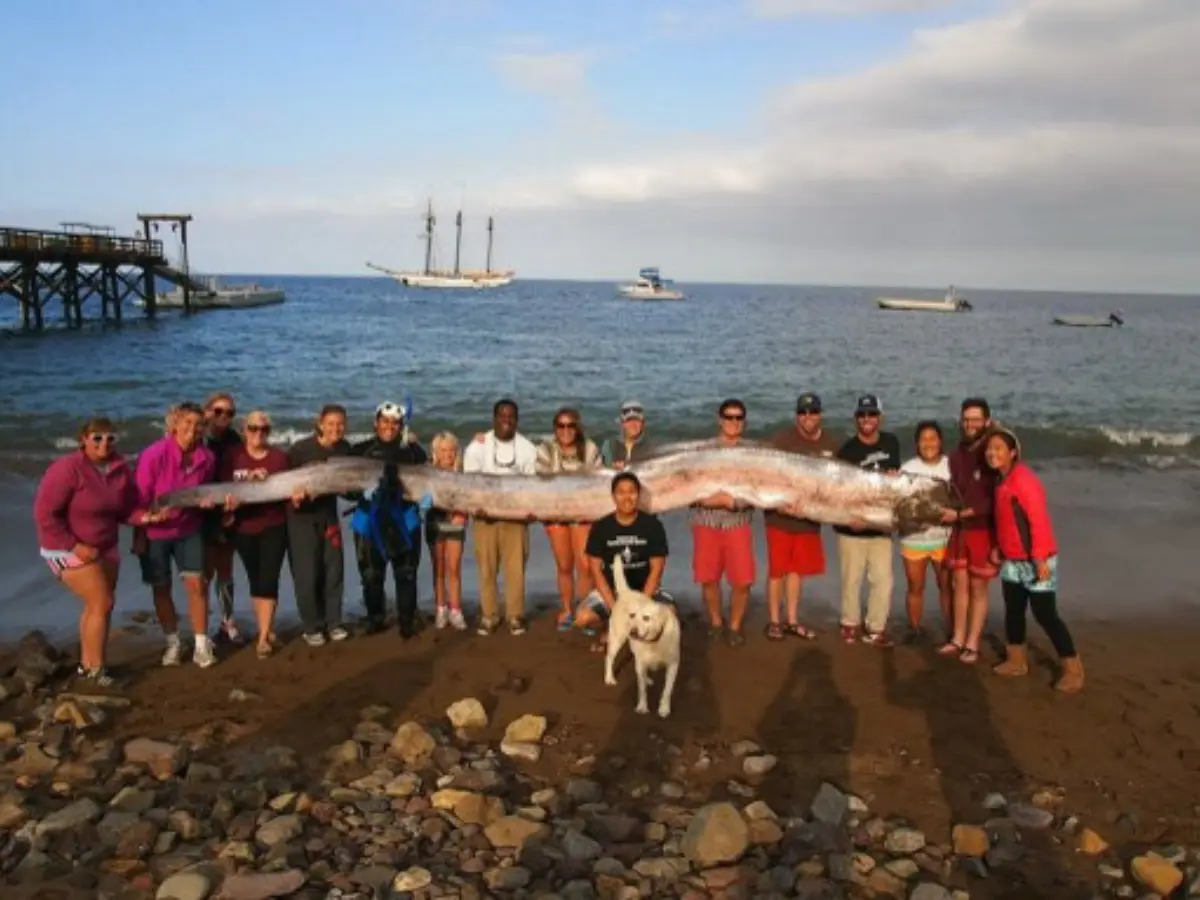
Recent Doomsday fish sightings
Oarfish, dubbed "doomsday fish", is believed to bring bad luck, according to Japanese folklore. It is a sea creature that is rarely seen outside the ocean. However, in the last few months, it has made quite a few appearances worldwide, including once in May 2025 and thrice in the first week of June this year. They live in tropical areas at depths of 20 metres to 200 metres. Several accidents and disasters reported in the past few weeks have left people wondering whether the doomsday fish rising up from the waters is an ominous sign.
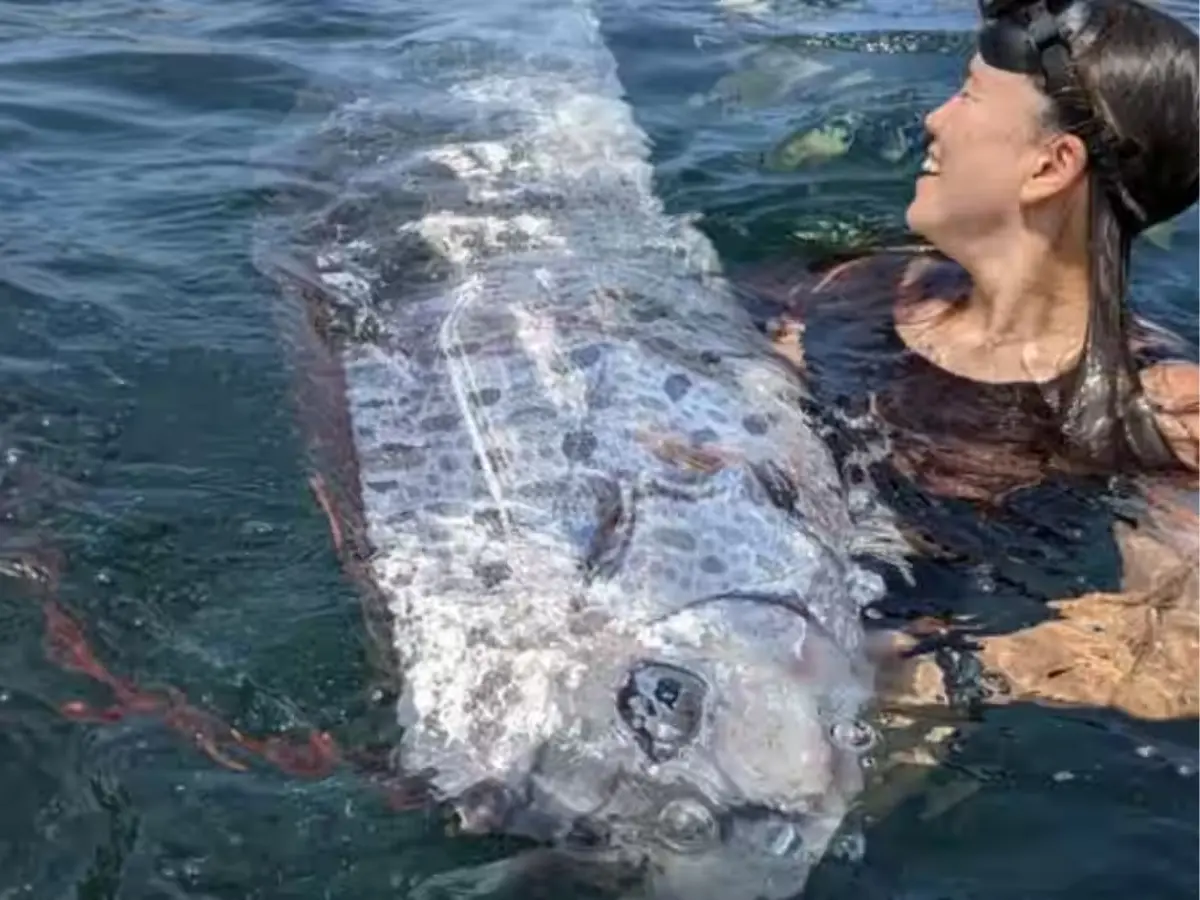
1. Doomsday fish in California - August 2024 - when an earthquake struck
An oarfish was seen near San Diego on August 10, 2024. It was 12 feet long (3.7 metres) and short-crested. Doomsday fish had only been seen in the region 20 times since 1901. Considered a bad omen, they are believed to bring tsunamis or earthquakes with them. Two days later, an earthquake of magnitude 4.4 hit Los Angeles.
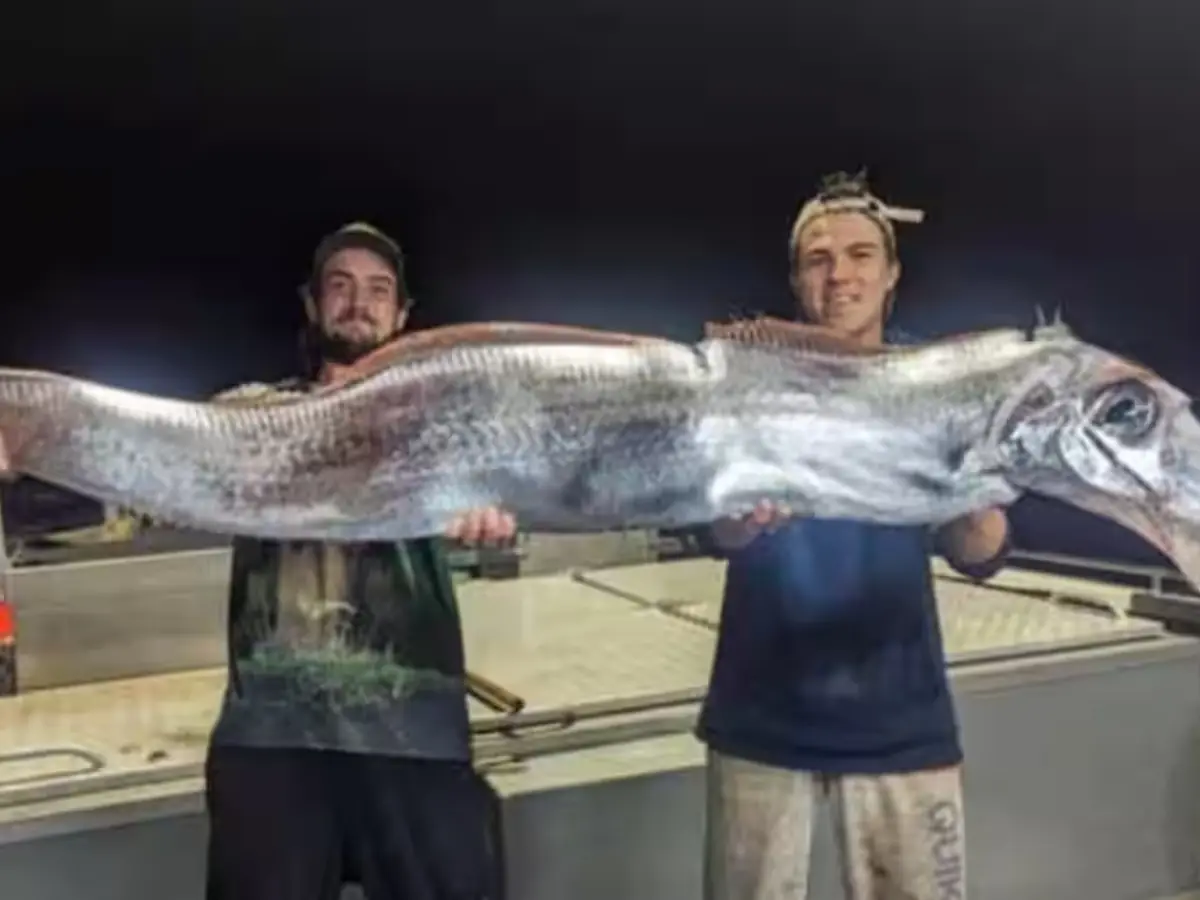
2. Doomsday fish in Australia - September 2024
The next month, a doomsday fish washed ashore on a coast near the Tiwi Islands, about 80 km from Darwin in the Northern Territory. Curtis Peterson from Tiwi Islands Adventures caught the oarfish and shared the photo on Fishing Australia TV on Facebook. This one was huge and looked like a sea serpent.
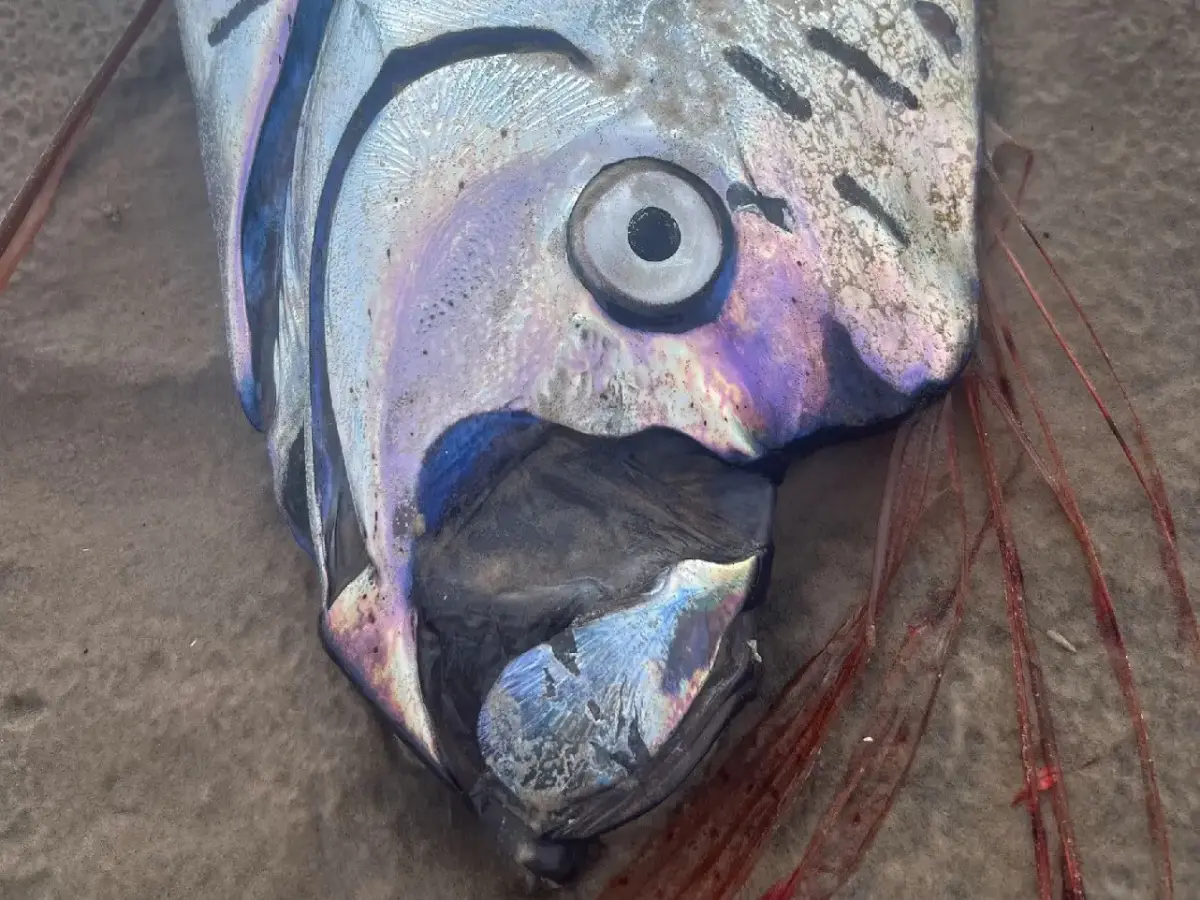
3. Doomsday fish in Australia - June 2025
An oarfish washed off on Tasmania’s west coast on June 2. It was three metres long and was spotted by a local resident Sybil Robertson. She posted a photo on social media which was widely shared by people. People were convinced that the oarfish are harbingers of disasters.
4. Doomsday fish in New Zealand - June 2025
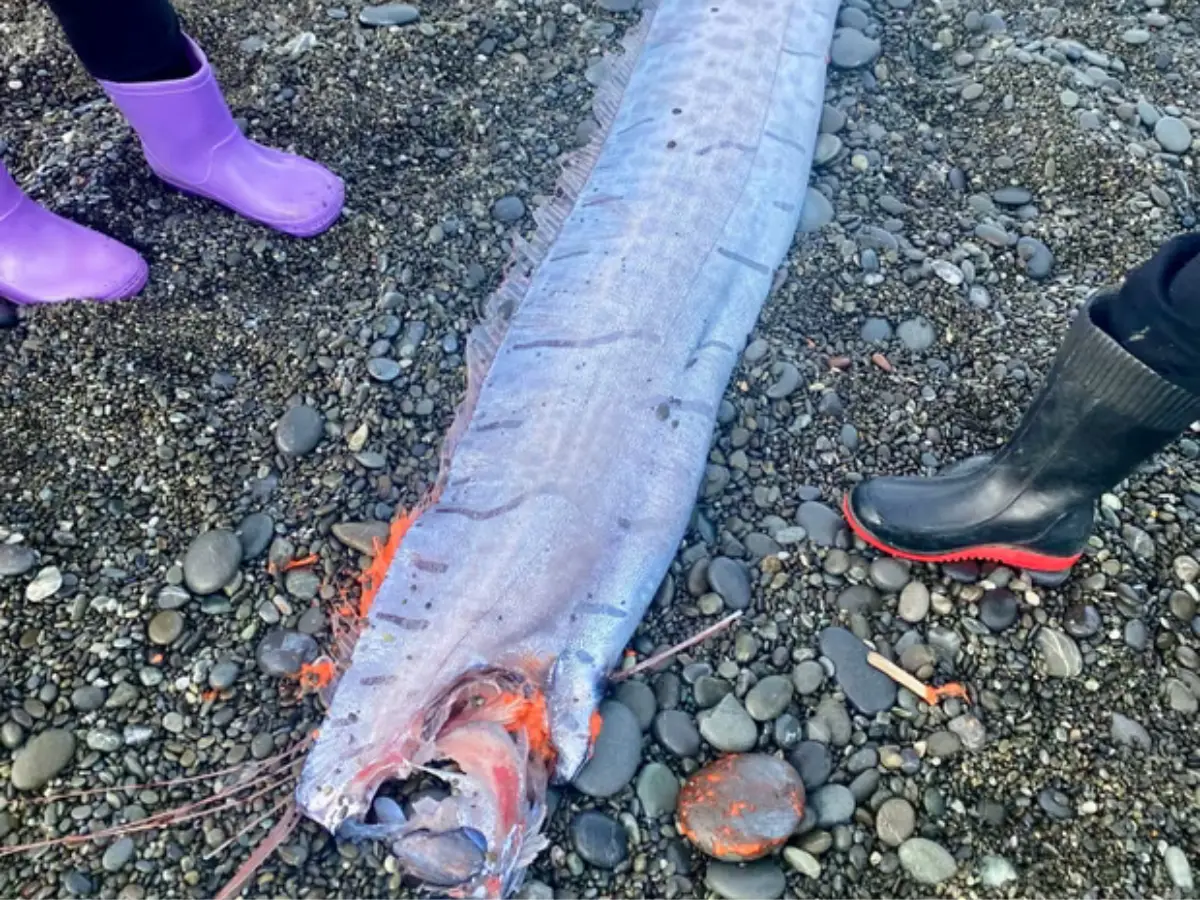
Two headless oarfish were found near Dunedin and Christchurch on New Zealand’s South Island. The first one was spotted earlier in the first week of June, while the second doomsday fish washed up on Thursday at a stony beach near Birdlings Flat.

5. Doomsday fish in India - May 2025
Before the oarfish was spotted in Australia and New Zealand, a 30-foot oarfish was caught in the southern Indian state of Tamil Nadu. A total of seven men were needed to hold the entire fish to let the camera capture the rare sea creature.
)
)
)
)
)