Coronavirus attack: Deadly virus outbreaks across the world which created panic in the past


Coronavirus
Coronaviruses (CoV) are a large family of viruses that cause illness ranging from the common cold to more severe diseases such as Middle East Respiratory Syndrome (MERS-CoV) and Severe Acute Respiratory Syndrome (SARS-CoV). A novel coronavirus (nCoV) is a new strain that has not been previously identified in humans.
Common signs of infection include respiratory symptoms, fever, cough, shortness of breath and breathing difficulties. In more severe cases, infection can cause pneumonia, severe acute respiratory syndrome, kidney failure and even death.
The death toll from the coronavirus outbreak to 80 and more than 2,744 have been infected so far.
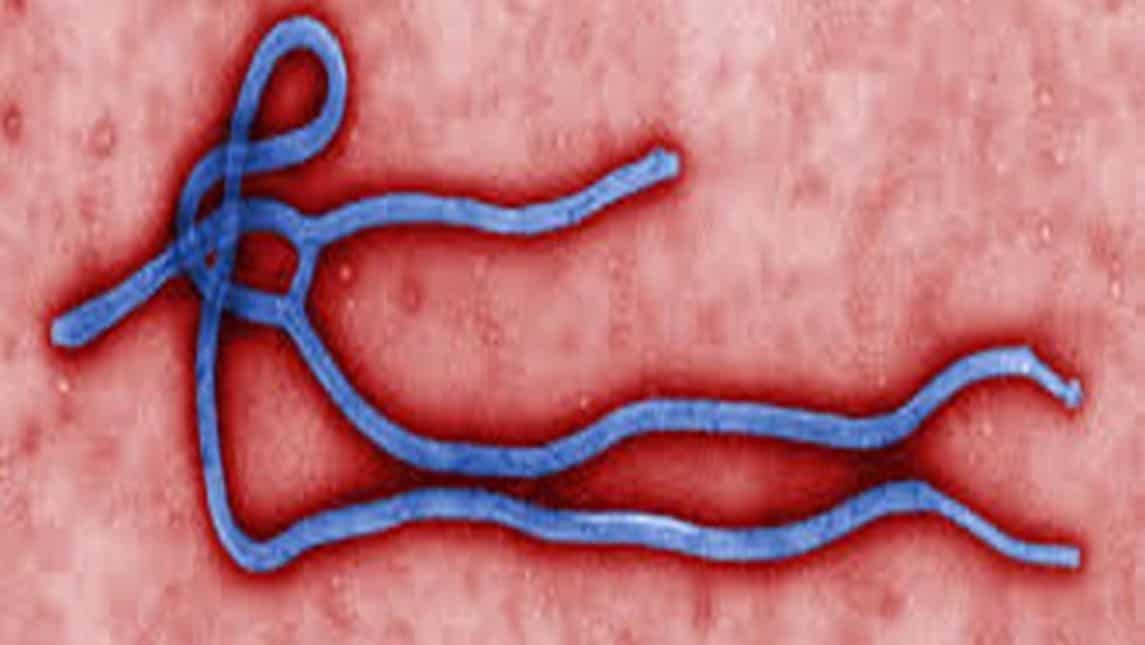
Ebola Virus
Ebola is believed to be carried by fruit bats from the Pteropodidae species, but once an Ebola epidemic has started, the transmission of the virus between humans occurs via body fluid and needles contaminated by infected secretions.

MERS-CoV
The Middle East Respiratory Syndrome Coronavirus first emerged in Saudi Arabia in 2012 and has caused severe illness in people in more than 26 countries. The virus is thought to have emerged from camels, but it acquired the ability to be transmitted from human to human.
Symptoms include fever, cough and shortness of breath, often leading to pneumonia. About 35 per cent of people infected with MERS died, according to the World Health Organization (WHO). Only two US patients ever tested positive for MERS-CoV - infected healthcare workers in 2014 who had traveled to the United States from Saudi Arabia.
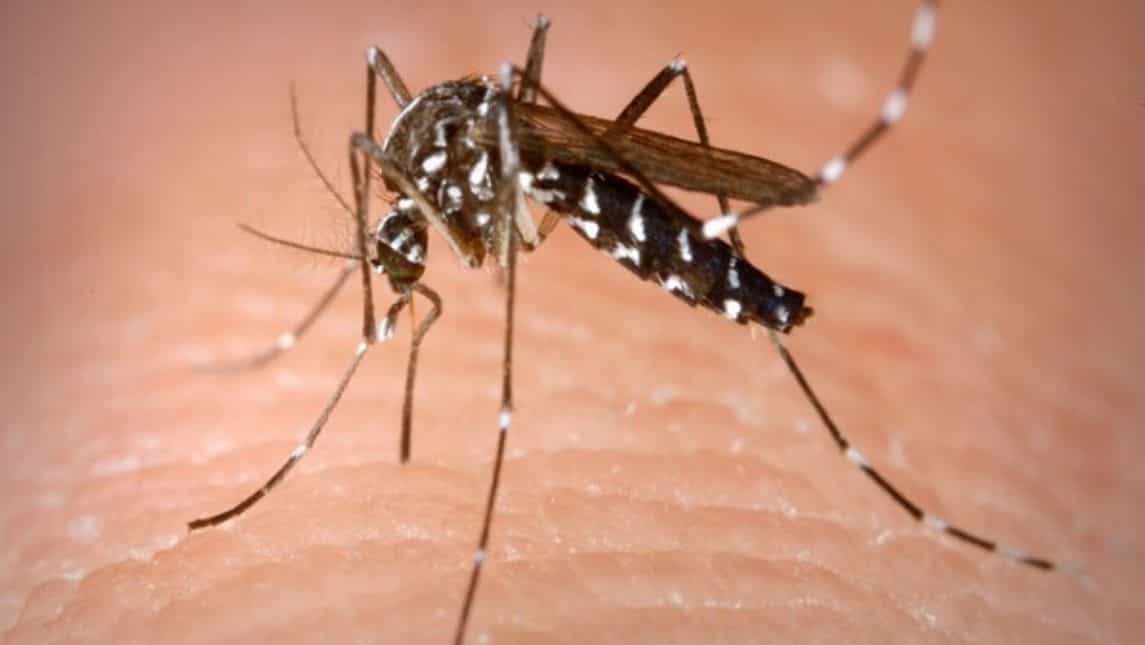
Zika virus
The Zika virus is transmitted by the Aedes mosquito. It was first identified in Uganda in 1947 in monkeys. It was later identified in humans in 1952. The Zika virus is known to cause serious complications in unborn babies when contracted by pregnant women – these include congenital brain abnormalities.
The incubation period of the Zika virus is still unclear according to the WHO, but is estimated to be a few days. The symptoms are mild and last for two to seven days – including fever, a rash, headache and joint pain.
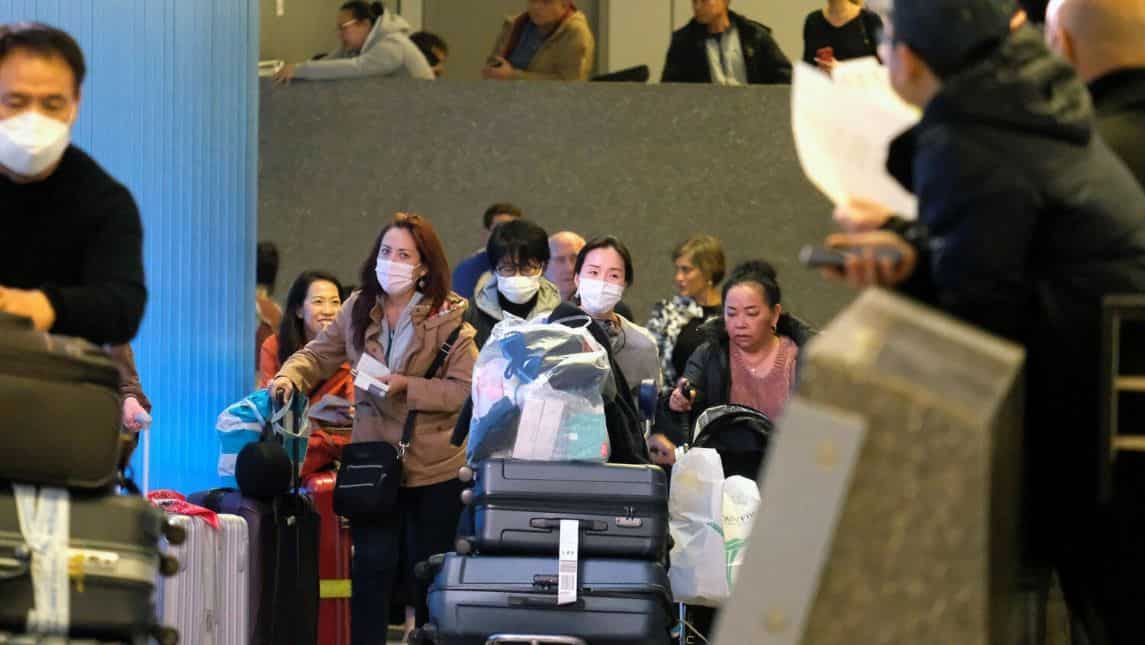
SARS-CoV
Cases of Severe Acute Respiratory Syndrome, or SARS, first emerged in 2002 in China. The highly infectious virus quickly spread to 37 countries globally. Before it was contained in 2003, the virus had infected 8,098 people and killed 774.
SARS symptoms included fever, chills, and body aches and usually progressed to pneumonia. No cases of SARS have been reported since 2004, according to the US Centers for Disease Control and Prevention (CDC). In 2012, the United States declared SARS-CoV a select agent - meaning it is capable of posing a severe threat to public health and safety.

Swine flu
Swine flu is the name for the influenza type A virus that affects pigs (swine). Although swine flu doesn't typically affect humans, there was a global outbreak (pandemic) in 2009–2010, the first flu pandemic in more than 40 years.
Nearly 61 million people in the United States and caused 12,469 deaths. Worldwide, up to 575,400 people died from Swine flu.

Human infection with avian influenza (H7N9)
According to the CDC, human infections with an Asian lineage of avian influenza virus were first reported in 2013 in China. Most cases of human infection with avian influenza occurred after exposure to poultry.
H7N9 in humans was reported in October 2017 in China by the WHO.
)
)
)
)
)