Astrophysicists unveil biggest-ever 3D map expansion of Universe after two decades

Largest-ever 3D map of the Universe
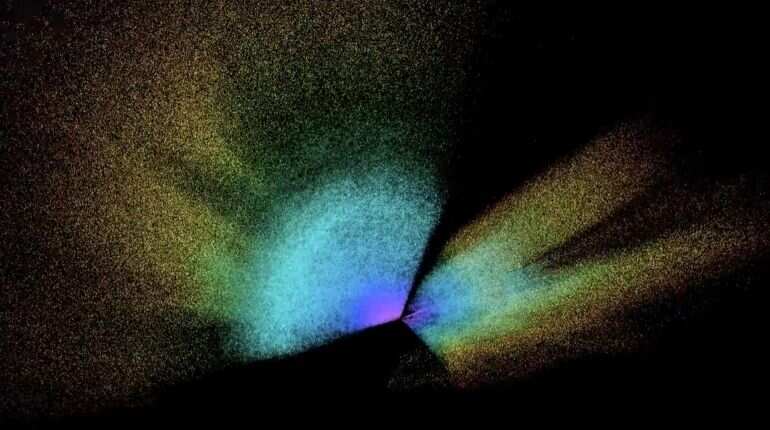
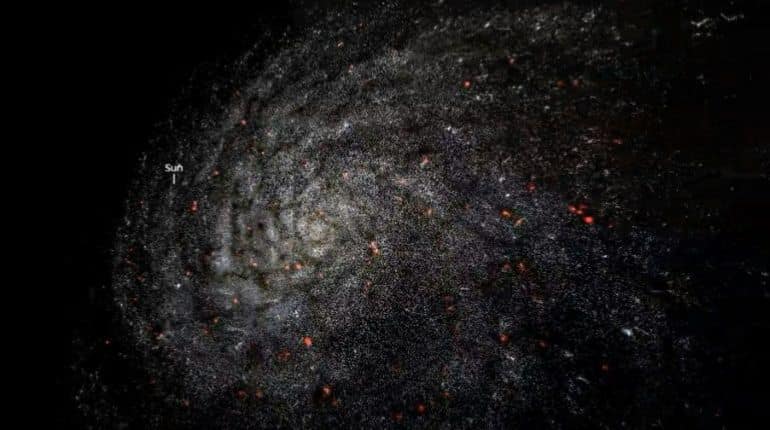
Astrophysicists on Monday published the largest-ever 3D map of the Universe, the result of an analysis of more than four million galaxies and ultra-bright, energy-packed quasars.
A project of two decades
In the project launched more than two decades ago, the researchers made "the most accurate expansion history measurements over the widest-ever range of cosmic time," said Will Percival of the University of Waterloo in Ontario, Canada.
Known because of theoretical models
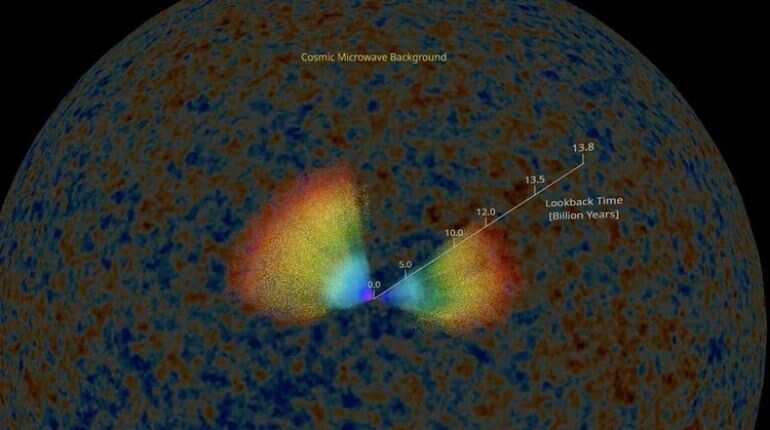
The infant Universe following the Big Bang is relatively well known through extensive theoretical models and observation of cosmic microwave background -- the electromagnetic radiation of the nascent cosmos.
Structure of Universe is now well-defined
The map shows filaments of matter and voids that more precisely define the structure of the Universe since its beginnings, when it was only 380,000 years old.
)
)
)
)
)