'Absolutely Biblical': Stunning auroras paint the skies as 'extreme' solar storm hits Earth

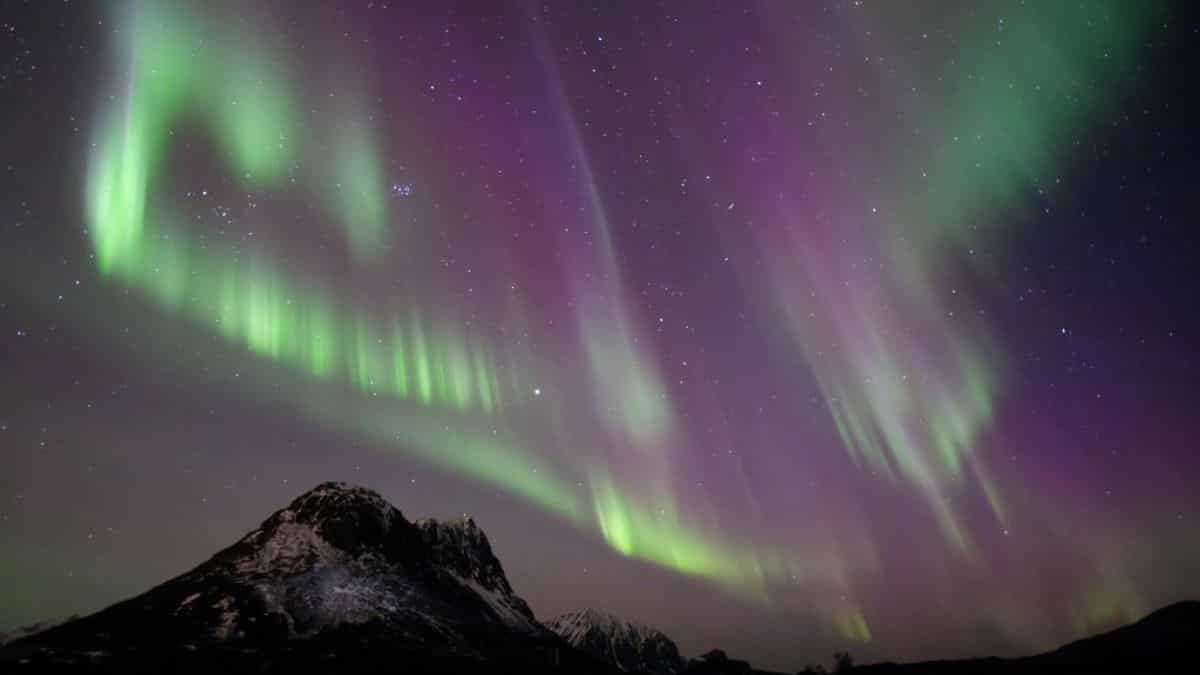
Extreme solar storm
The severity of the storm was upgraded to an "extreme" level, marking it as the most severe since the "Halloween Storms" of 2003, which had significant impacts including blackouts in Sweden and damage to power infrastructure in South Africa.
Would further damage to power grids happen?
Further CMEs are anticipated in the next few days, heightening concerns over potential disruptions to satellites, aviation, and power grids.
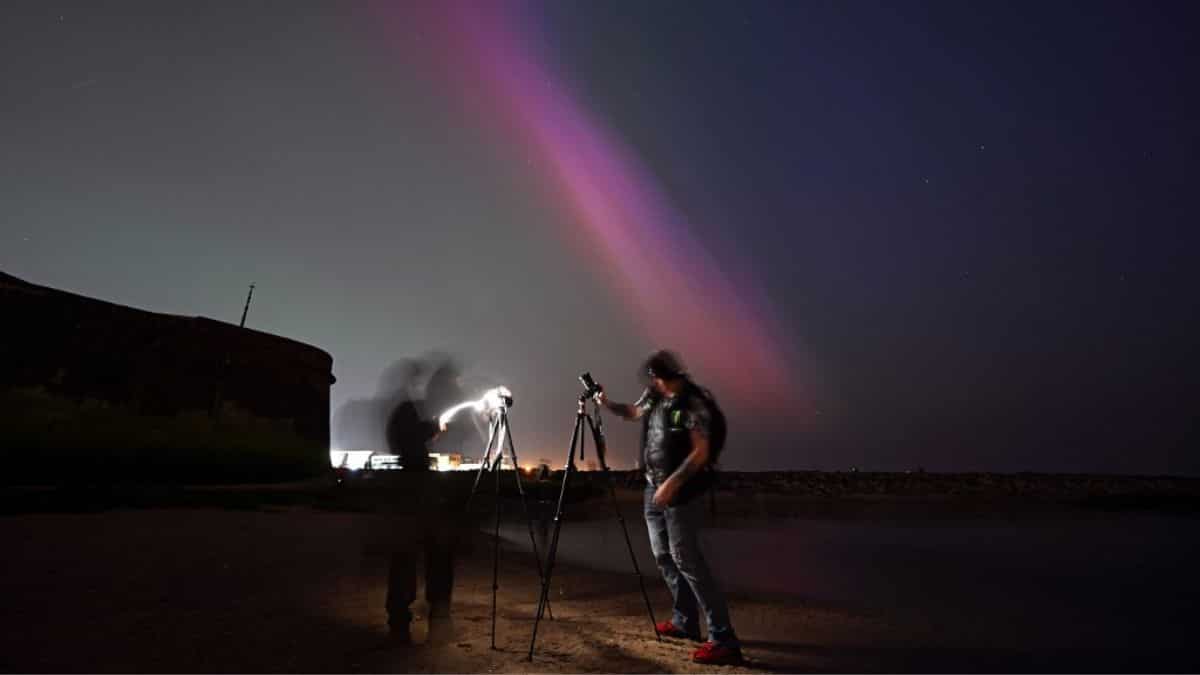
Users captivated
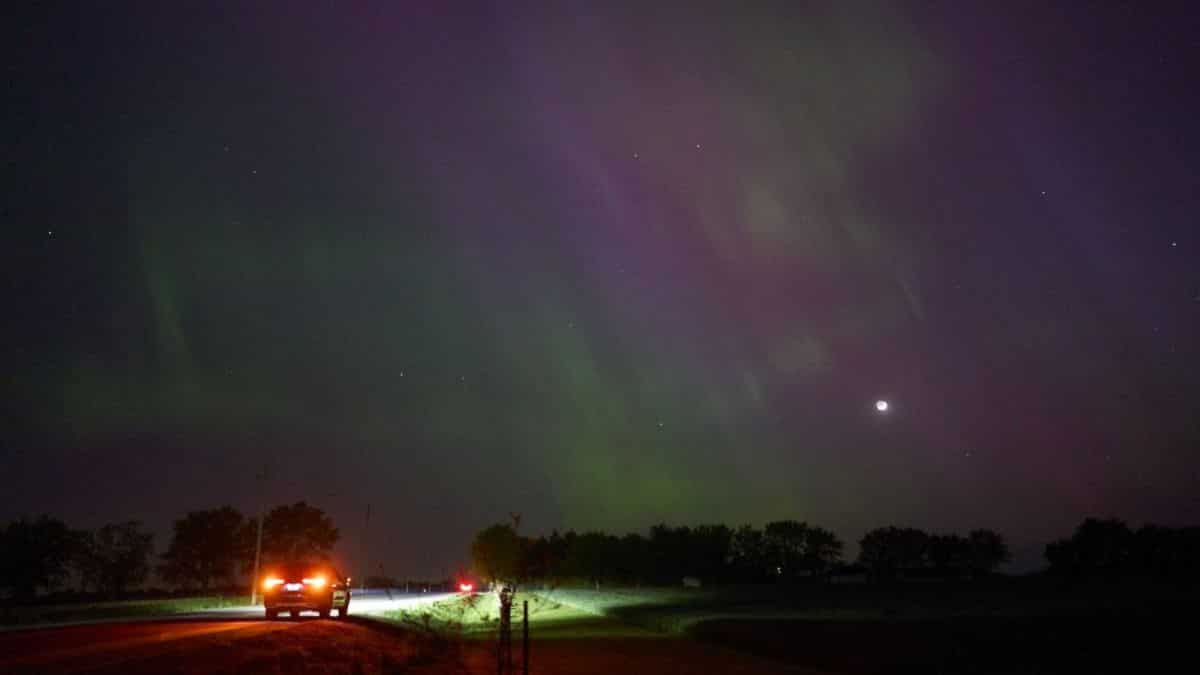
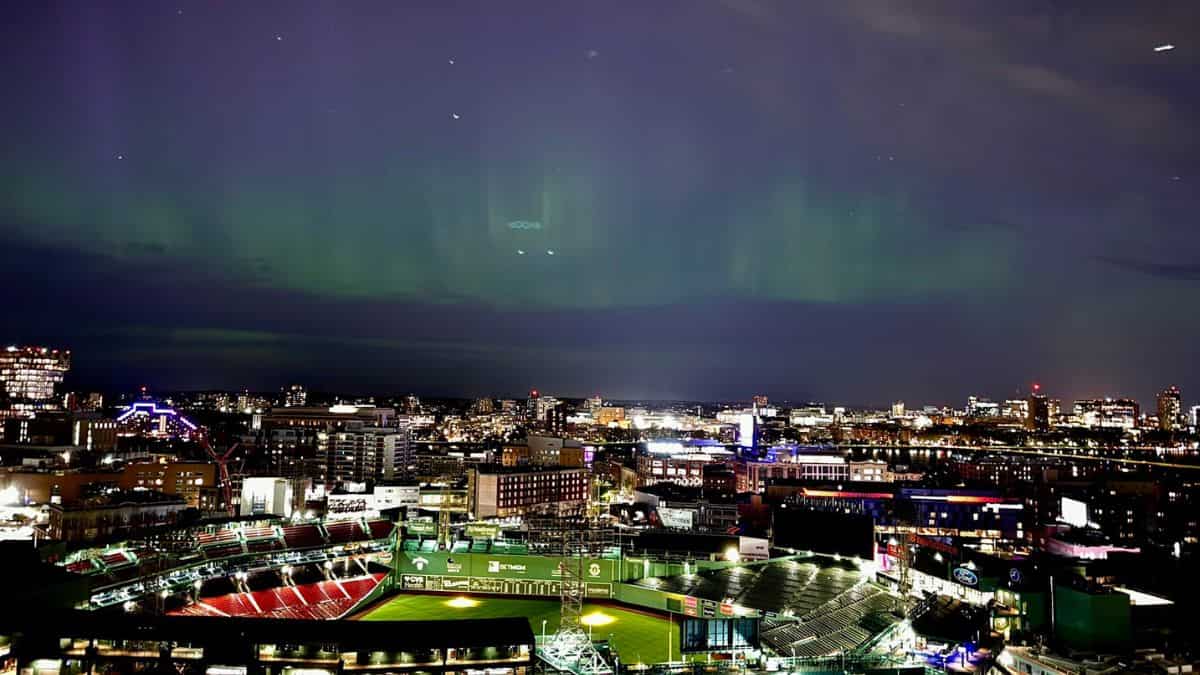
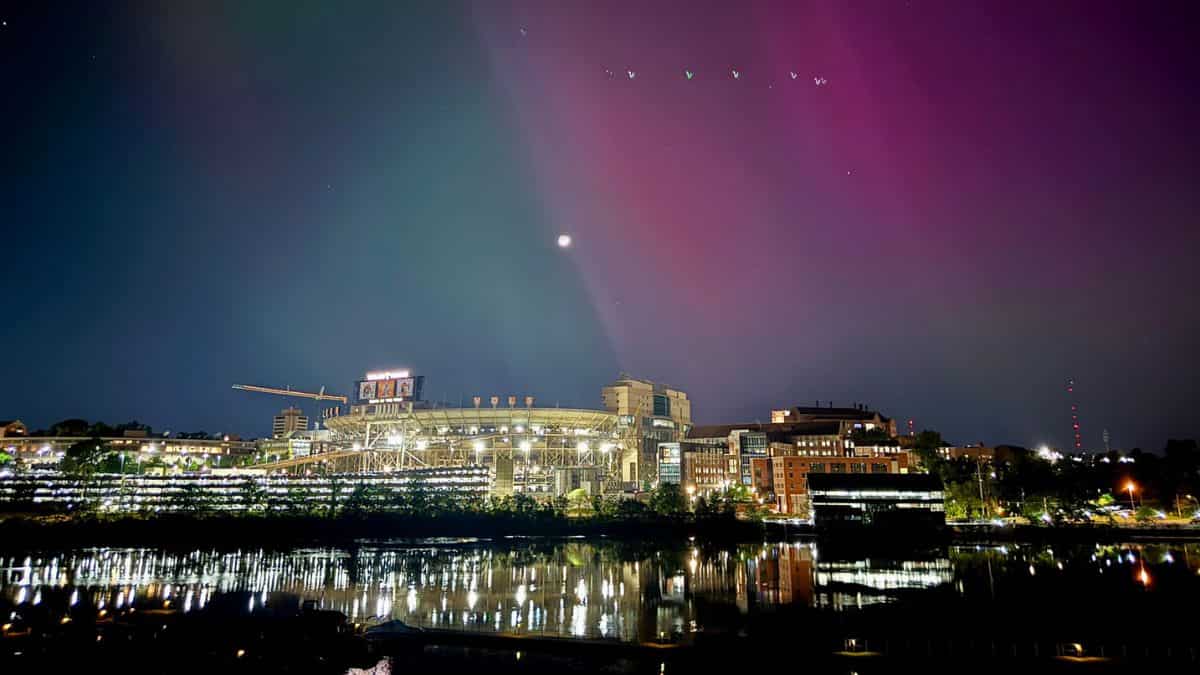
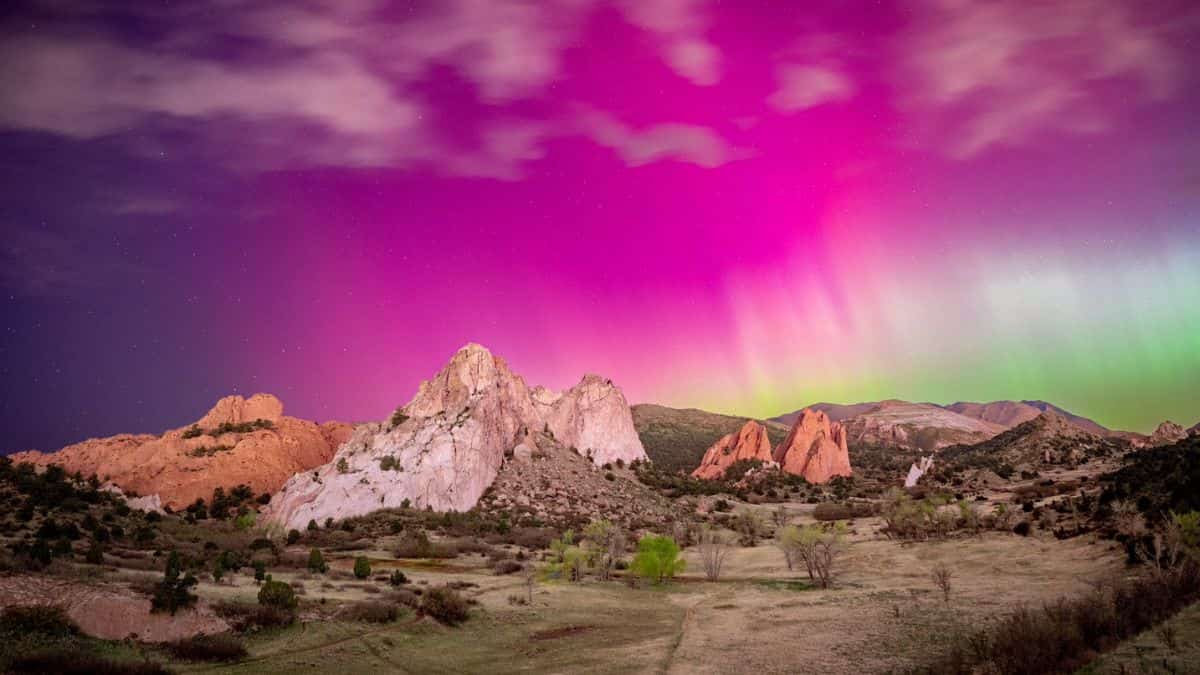
Social media users have been captivated, sharing their experiences and photographs of the natural light displays. AFP reports that in England, residents seized the moment to view the Northern Lights from their gardens.
"We've just woken the kids to go watch the Northern Lights in the back garden! Clearly visible with the naked eye," Iain Mansfield in Hertford, England, told AFP.
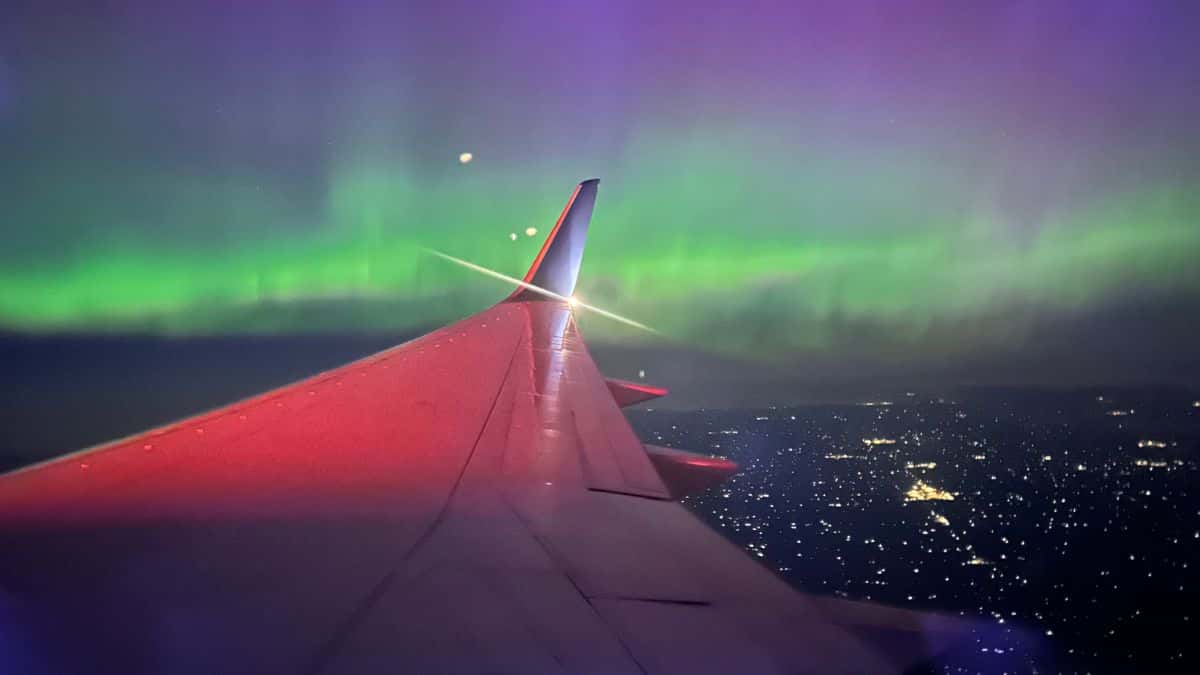
Aboslutely Biblical
In Tasmania, photographer Sean O' Riordan described the early morning skies as "absolutely biblical," a sentiment echoed by many witnessing these phenomena.
"Absolutely biblical skies in Tasmania at 4am this morning. I'm leaving today and knew I could not pass up this opportunity," photographer Sean O' Riordan posted on social media platform X.
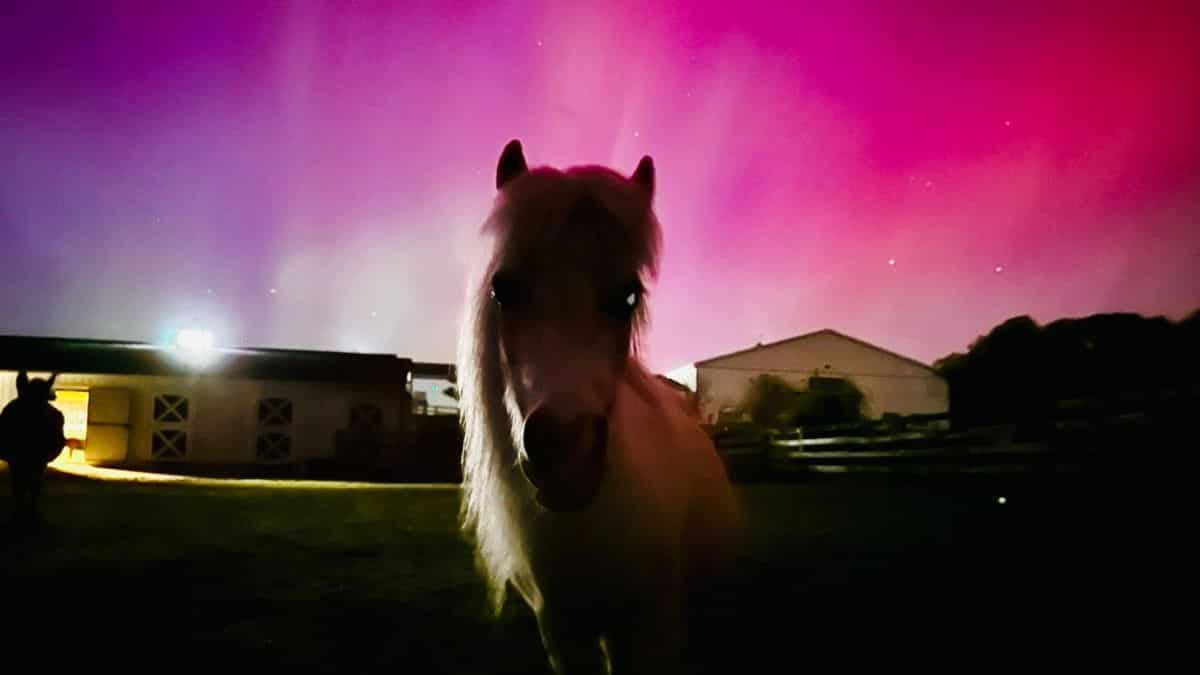
Beauty and the Beast
Amid the beautiful display, authorities have advised satellite operators, airlines, and power grid managers to prepare for possible disruptions due to the geomagnetic storm.
Blackouts and other hazards
CMEs, unlike solar flares, travel slower, allowing some time for precautionary measures against the electrical currents they can induce in long conductors on Earth, which pose risks of blackouts and other electrical hazards.
'Go outside tonight and look'
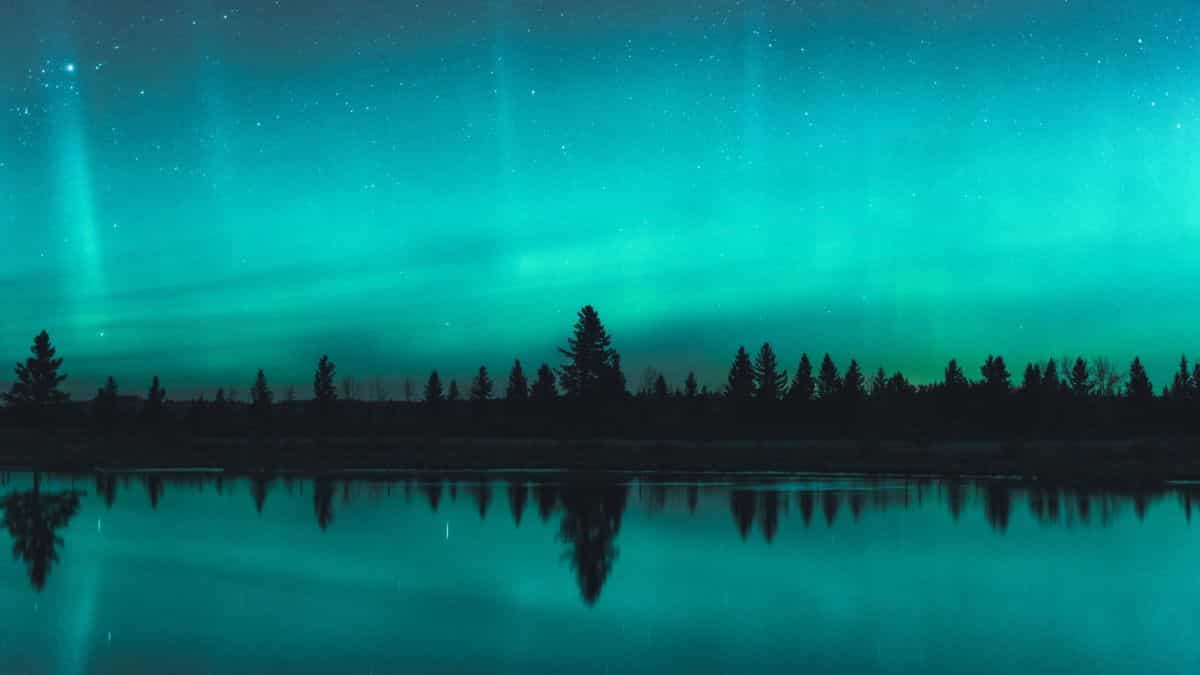
The public, especially in regions like Northern California and Alabama, has been encouraged to observe the skies.
"Go outside tonight and look would be my advice because if you see the aurora, it's quite a spectacular thing," said Mathew Owens, a professor of space physics at the University of Reading while talking to AFP.
This solar activity is part of an 11-year solar cycle during which the Sun's activity intensifies, currently nearing its peak.
Capture the skies
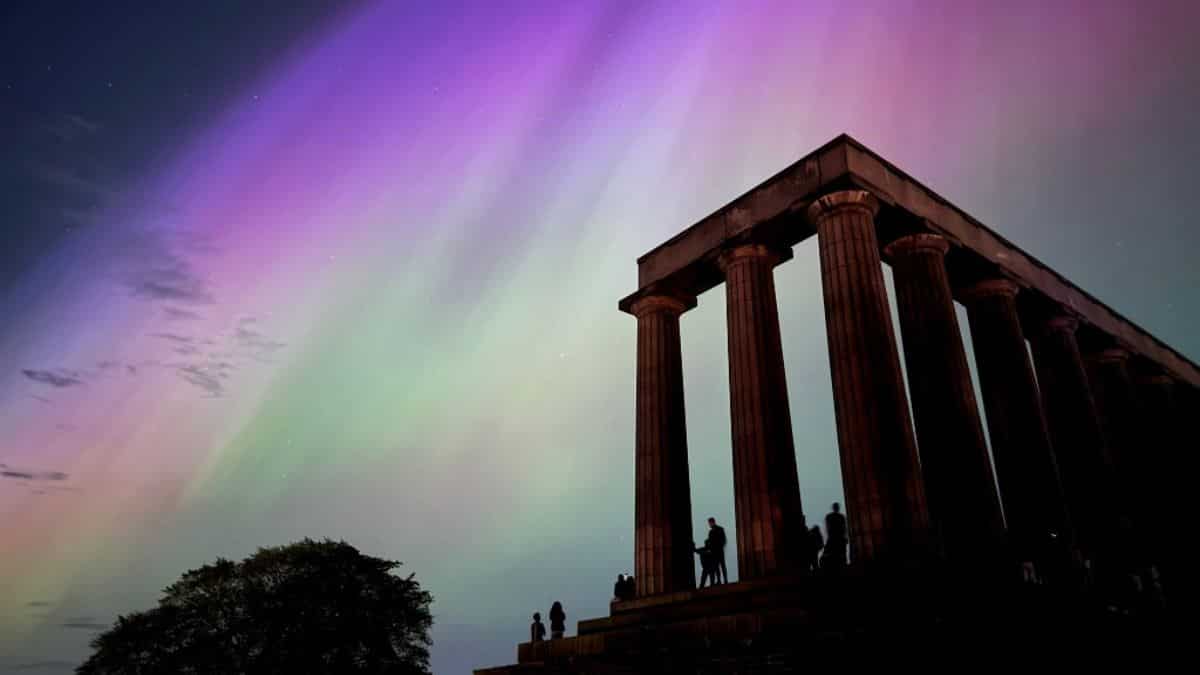
NOAA's Brent Gordon has suggested that people should use cell phones for capturing images that might reveal more than the naked eye can see.
"Just go out your back door and take a picture with the newer cell phones and you'd be amazed at what you see in that picture versus what you see with your eyes."
Mitigation efforts and animals
As the world marvels at the skies, preparations are also underway to mitigate the effects on technology and wildlife, with geomagnetic storms known to disrupt animals' navigation abilities, including those of pigeons.
NASA monitoring the situation
NASA continues to monitor the situation closely, particularly the safety of astronauts who may need to seek shelter in more shielded parts of the International Space Station during peak radiation times.
Carrington Event
In September 1859, Earth witnessed its most powerful geomagnetic storm ever recorded. It disrupted telegraph systems and even caused fires.
)
)
)
)
)