50 years of hip hop: From streets to a global culture — a pictorial history


Early years
During the 1970s in New York City, hip hop, both as a musical genre and cultural movement, emerged from the dynamic exchange between African American communities and the children of immigrants, notably from the Caribbean, especially Jamaica. In its early stages, hip hop music served as a platform and a voice for disadvantaged young people hailing from marginalised backgrounds and low-income neighborhoods. This culture effectively mirrored the social, economic, and political realities that shaped their lives. Notably, key figures in establishing the hip hop culture, such as DJ Kool Herc, DJ Disco Wiz, Grandmaster Flash, and Afrika Bambaataa, had Latin American or Caribbean roots. (In picture: DJ Kool Herc)
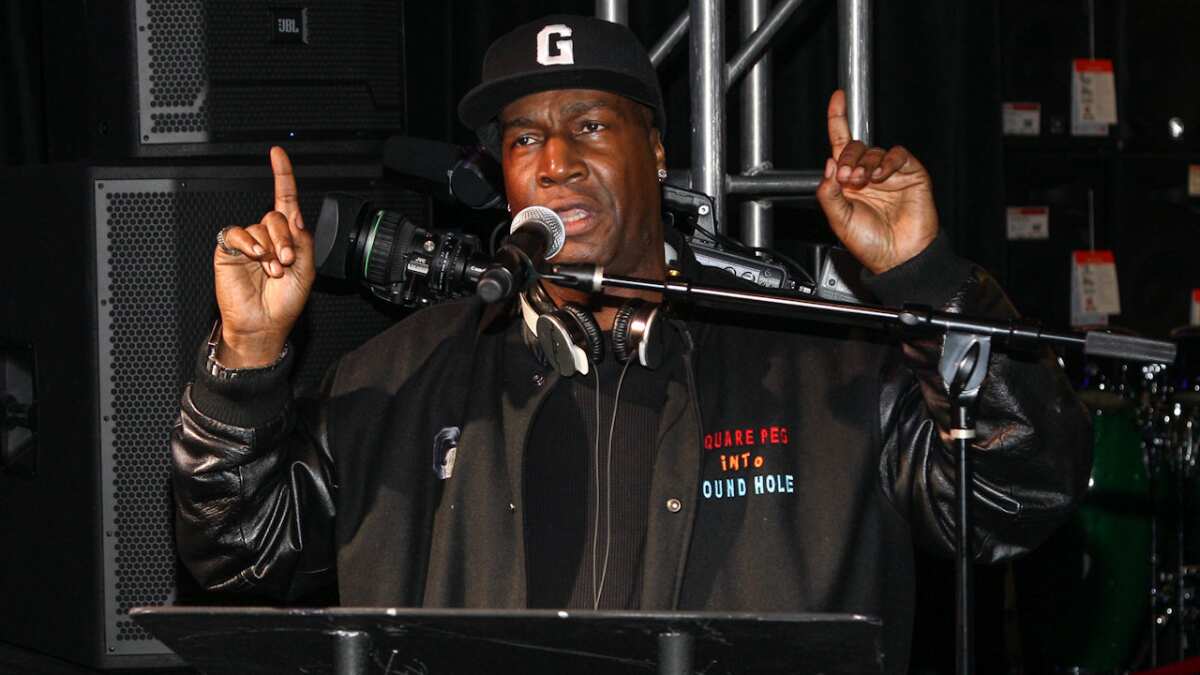
Old school hip hop
This phase, spanning roughly 1979 to 1983, includes early commercially recorded hip hop music. Songs like "Rapper's Delight" by The Sugarhill Gang and "The Message" by Grandmaster Flash and the Furious Five laid the foundation. Artists like Afrika Bambaataa and DJ Kool Herc were prominent. (In picture: Grandmaster Flash)
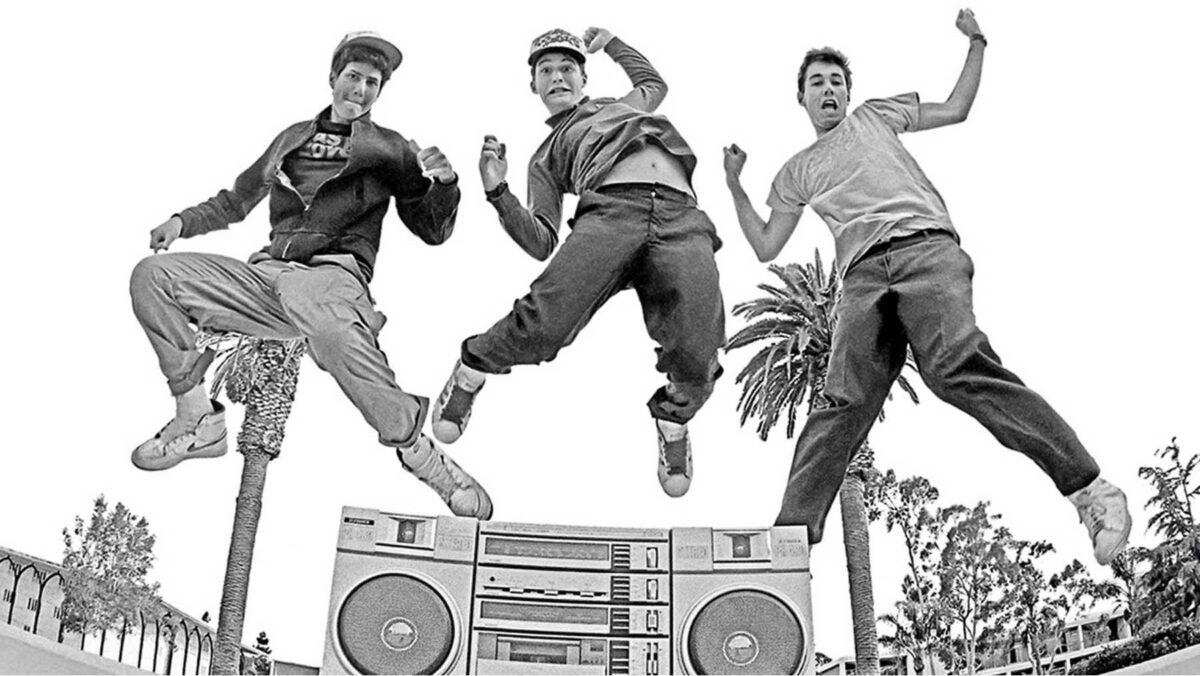
East coast golden age
New York played a pivotal role in the 1980s and early 1990s. Influential acts like Run-DMC, Beastie Boys, Public Enemy, Eric B. & Rakim, and The Notorious B.I.G. emerged. This era featured politically charged themes, complex wordplay, and influential artists like LL Cool J, Nas, and A Tribe Called Quest. (In picture: Beastie Boys)

West Coast influence
The California scene brought about West Coast and gangsta rap. N.W.A's "Straight Outta Compton" highlighted issues of racism and policing, while artists like Dr. Dre and Tupac Shakur gained prominence. Dr. Dre's "The Chronic" and Snoop Dogg's G-Funk style were influential. (In picture: Snoop Dogg)
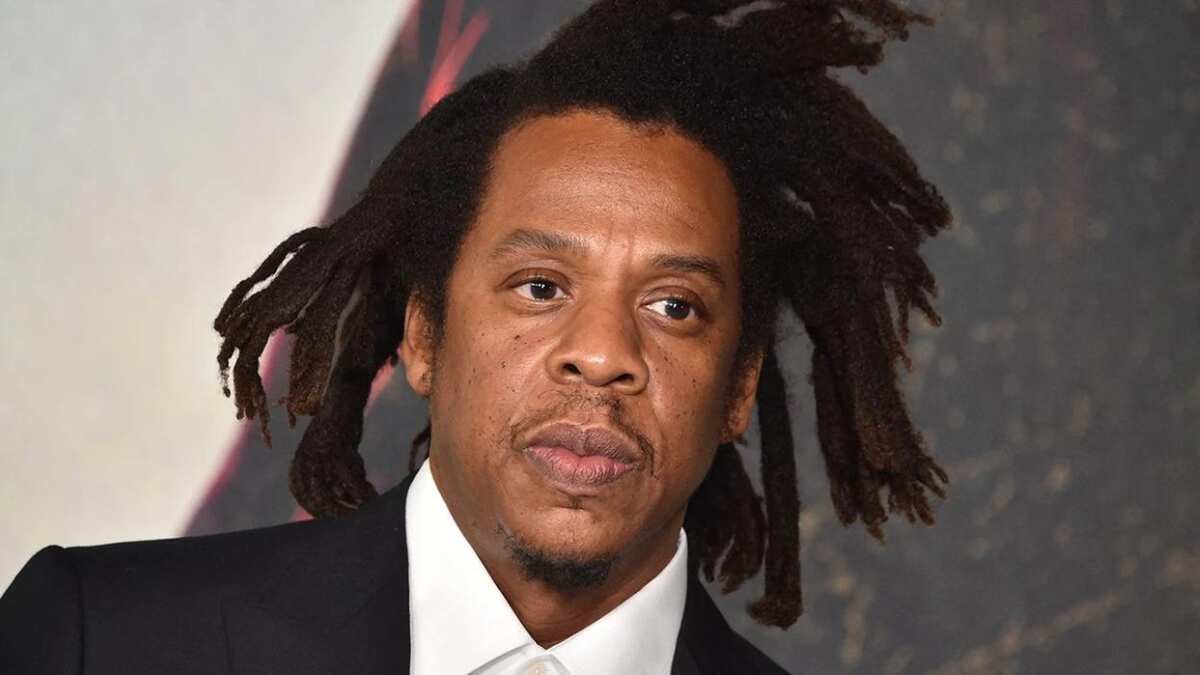
Bling and progression
The turn of the millennium saw bling culture rise with artists like Jay-Z, DMX, and 50 Cent. Kanye West introduced innovative production, and Nicki Minaj and Drake brought new styles and sensibilities. Kendrick Lamar, Common, and Kanye West represented progressive rap, addressing social issues. (In picture: Jay-Z)

Southern influence and trap
Trap music, characterised by cymbal patterns and synthesised drums, emerged in Atlanta and gained popularity. Artists like Outkast, T.I., Gucci Mane, and Lil Wayne expanded its reach. Trap's influence extended into pop, EDM, and reggaeton. Contemporary stars like Migos, Cardi B, and Megan Thee Stallion continue the trap tradition. (In picture: Megan Thee Stallion)

Internet virality and drill
Internet virality played a role in movements like Soundcloud rap, introducing vulnerability to hip hop. Drill, characterised by aggressive lyricism, gained prominence in Chicago, travelled to Britain, and resurfaced in New York. Brooklyn drill gained traction with artists like Pop Smoke and Fivio Foreign. In picture: Fivio Foreign)
)
)
)
)
)