What to expect as 3I/ATLAS reaches closest point to the Sun

Interstellar comet 3I/ATLAS will reach its closest point to the Sun soon, and this encounter will change it in several ways. The “alien mothership” claims will also be cleared after this event. What all can we expect from 3I/ATLAS and its meeting with the Sun?
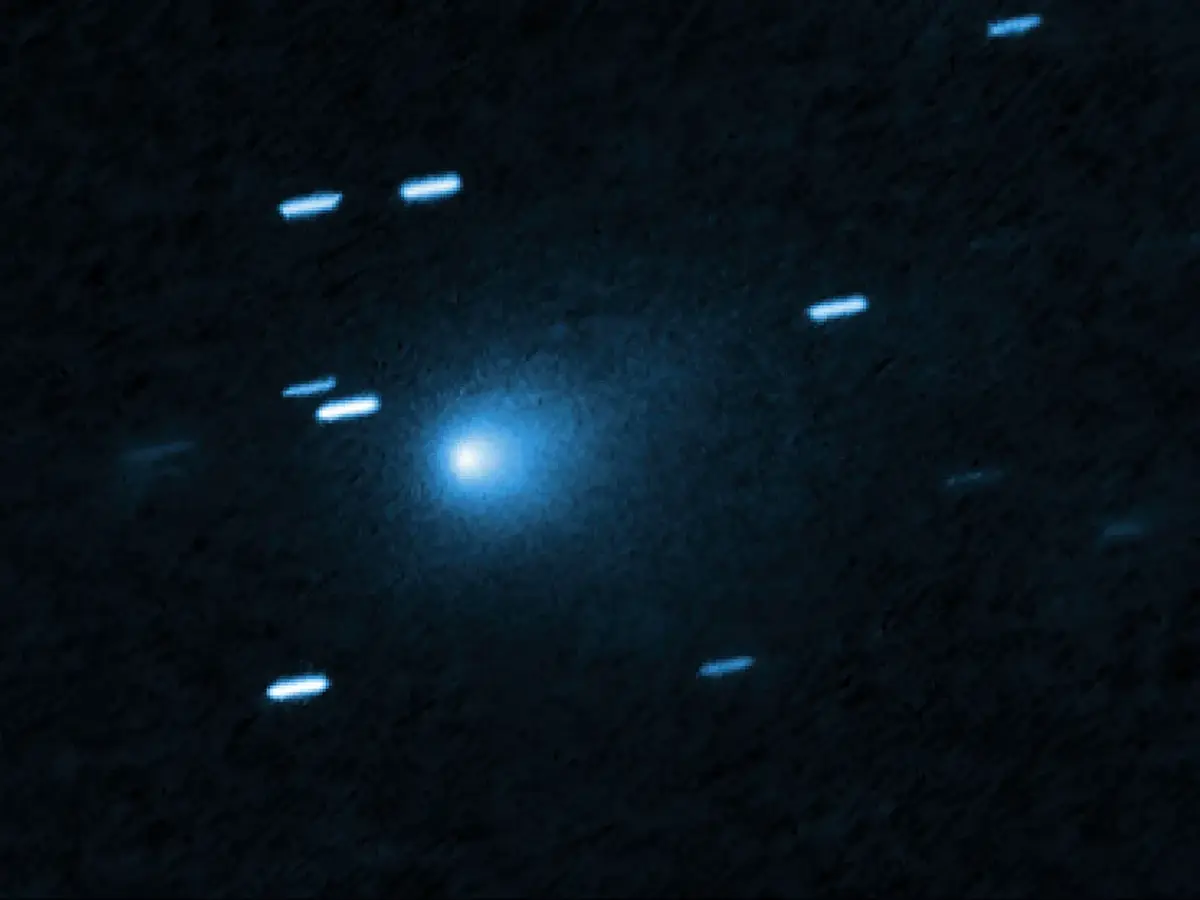
What will happen when 3I/ATLAS reaches closest point to Sun?
Interstellar comet 3I/ATLAS will soon reach its closest point to the Sun. On October 29, the mysterious visitor will be at perihelion, a point where things could dramatically change for the comet. While scientists worldwide are certain that it is a comet, theories suggesting it could be an alien spacecraft are also circulating. How will its encounter with the Sun change 3I/ATLAS?
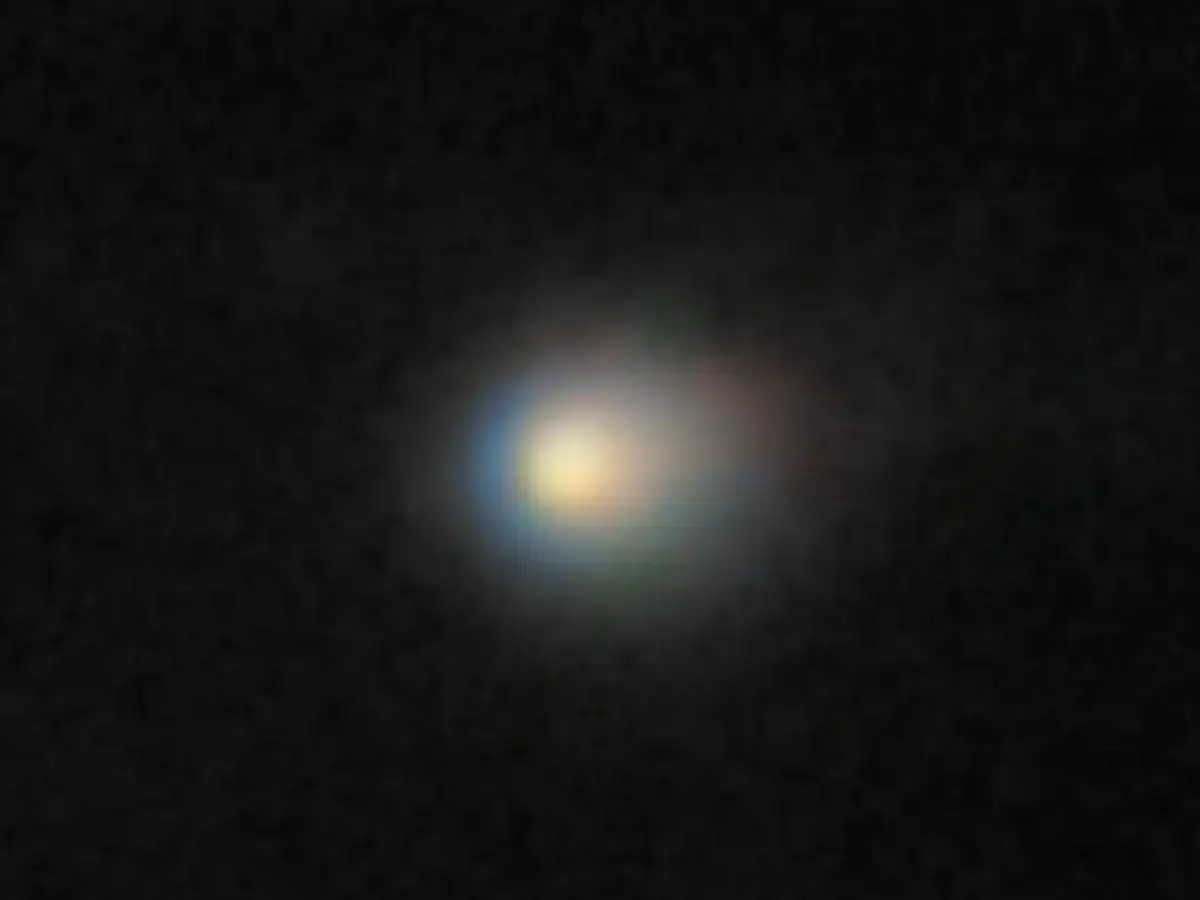
What happens to comets when they reach near the Sun?
Comets typically start outgassing as they reach near the Sun. The heat and radiation from our star lead the icy bodies to sublimate. The ice on the comet's body, which is its nucleus, triggers gas and dust to shoot outward. The coma starts becoming bigger and brighter, while this process also leads the material being released to form a prominent tail away from the sun.

3I/ATLAS has moved behind the Sun, and perihelion occurs on October 29
3I/ATLAS is currently hidden in the glare of the sun and is not visible from Earth. On October 29, it reaches its closest point to the Sun, an encounter that will change it dramatically. Being at a distance of 210 million kilometres from the sun, it will become extremely active, according to NASA.
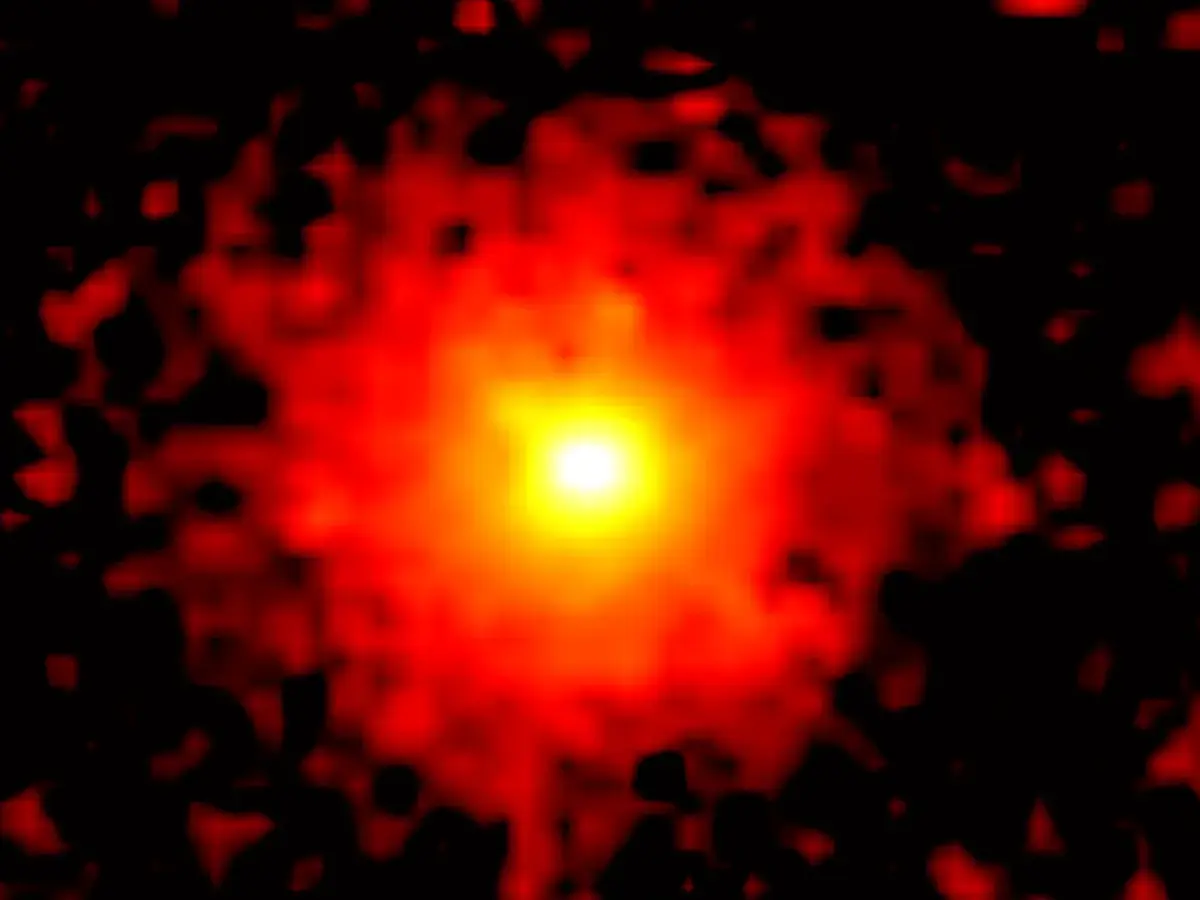
3I/ATLAS appearance will undergo dramatic change after its encounter with the Sun
This activity will change its appearance when it becomes visible again in November. Telescopes on Earth and in space will capture 3I/ATLAS as a much bigger and brighter body. The new images will be drastically different from every other photo of the alien comet captured since July 1. So expect better pictures of 3I/ATLAS once it returns to view.
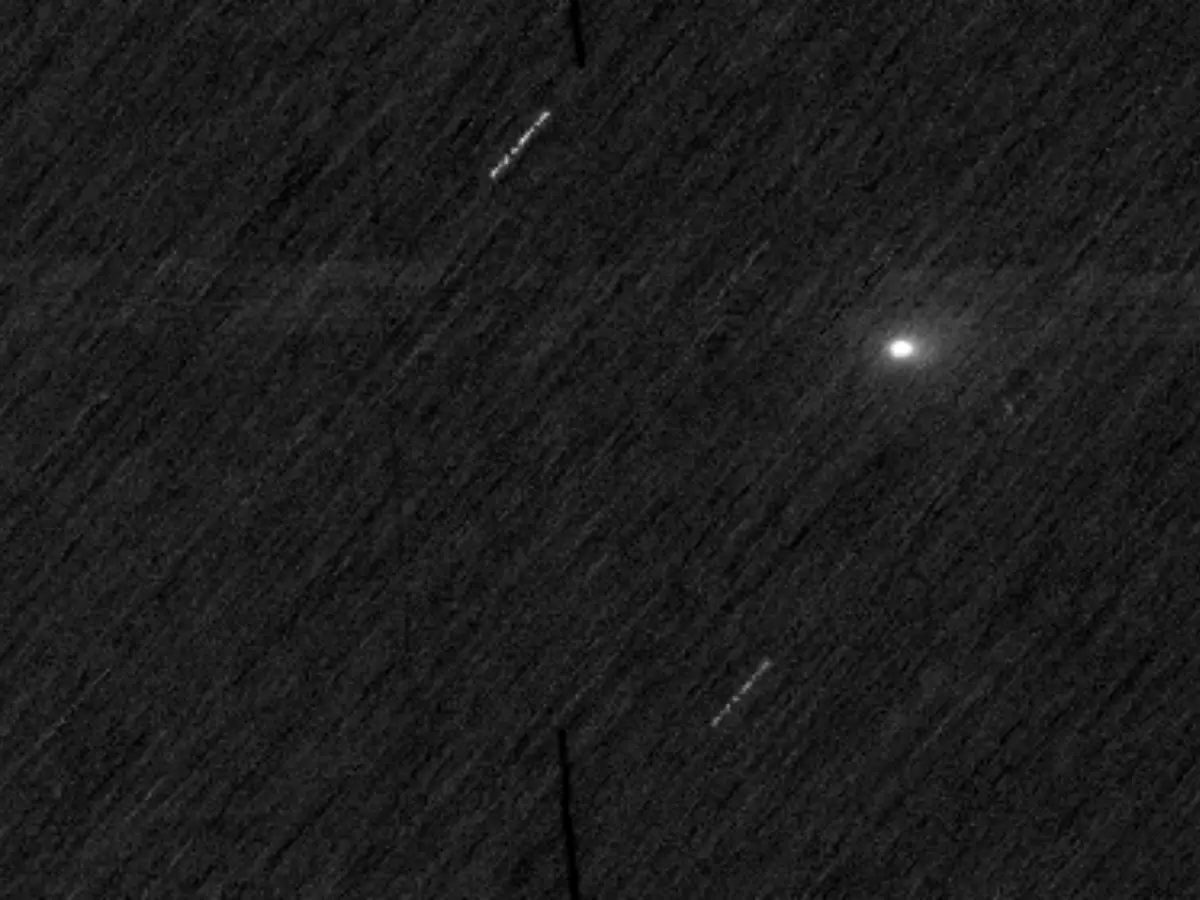
Hera and Europa Clipper will enter the tail of 3I/ATLAS
3I/ATLAS's trip to the Sun will also be a milestone event in other ways, since some human-made spacecraft already in space will be able to view it and gather new data about it. Between October 25 and November 6, the European Space Agency's Hera mission and NASA's Europa Clipper might cut through the ion tail of the comet.
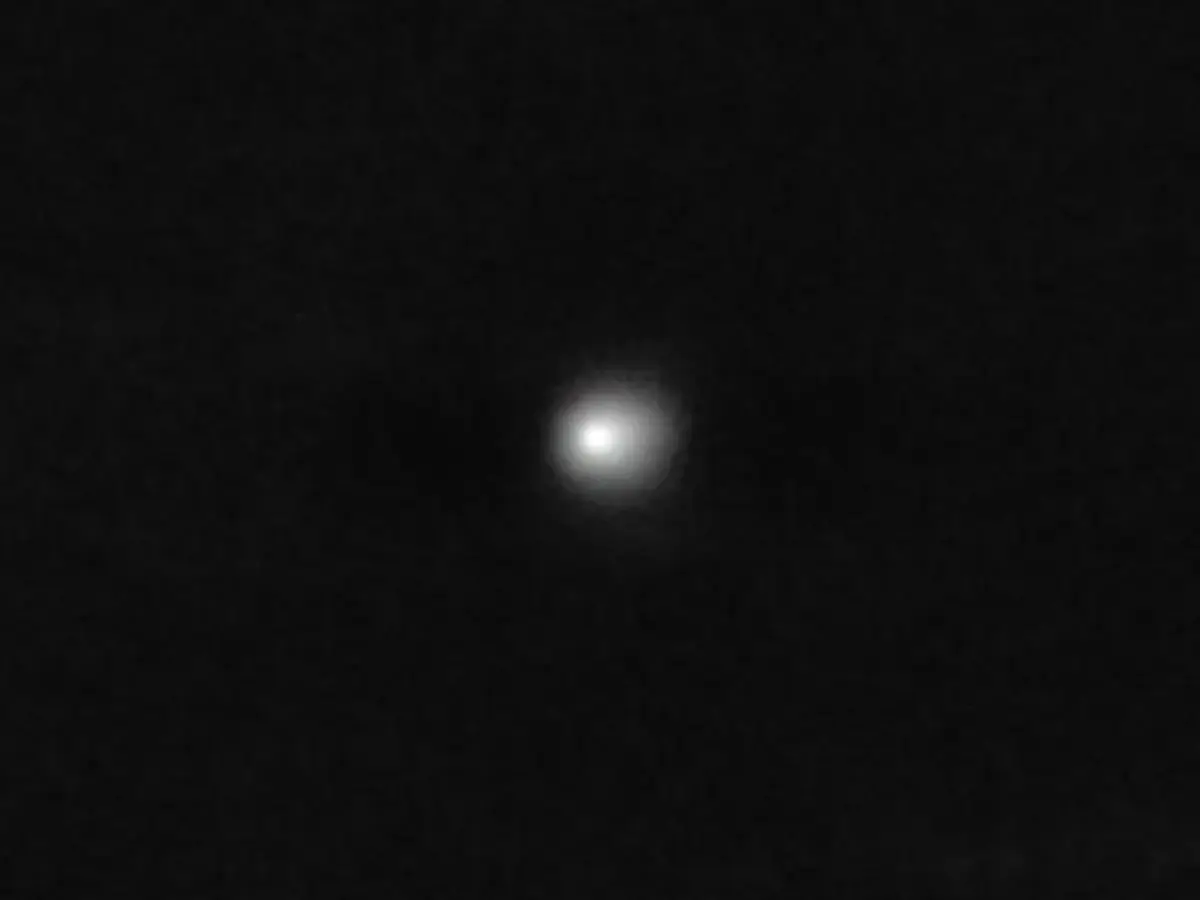
3I/ATLAS has a 56,000 km-long ion tail
Hera is travelling to the Didymos binary asteroid system and might encounter 3I/ATLAS between October 25 and November 1. Meanwhile, Europa Clipper is going to Jupiter's moon and is expected to pass through the tail between October 30 and November 6. This ion tail is supposedly 56,000 km long, as per observations made by the Gemini observatory.
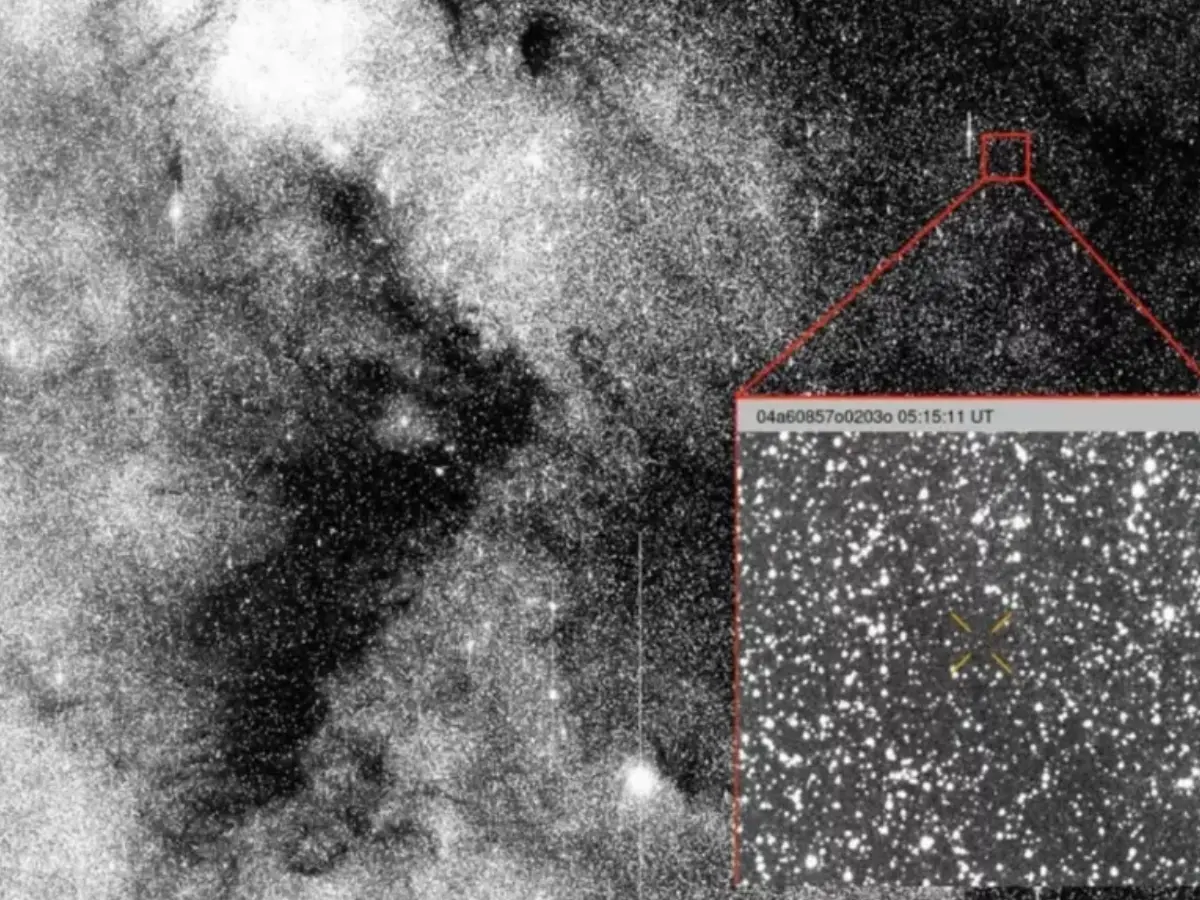
JUICE spacecraft will study 3I/ATLAS behind the Sun
The ESA's Jupiter Icy moons Explorer (JUICE) will also be positioned to take a look at 3I/ATLAS in November. Both the comet and the spacecraft are on the opposite side of the Sun. However, JUICE's data might not be available until February next year because of the transmission equipment it uses.
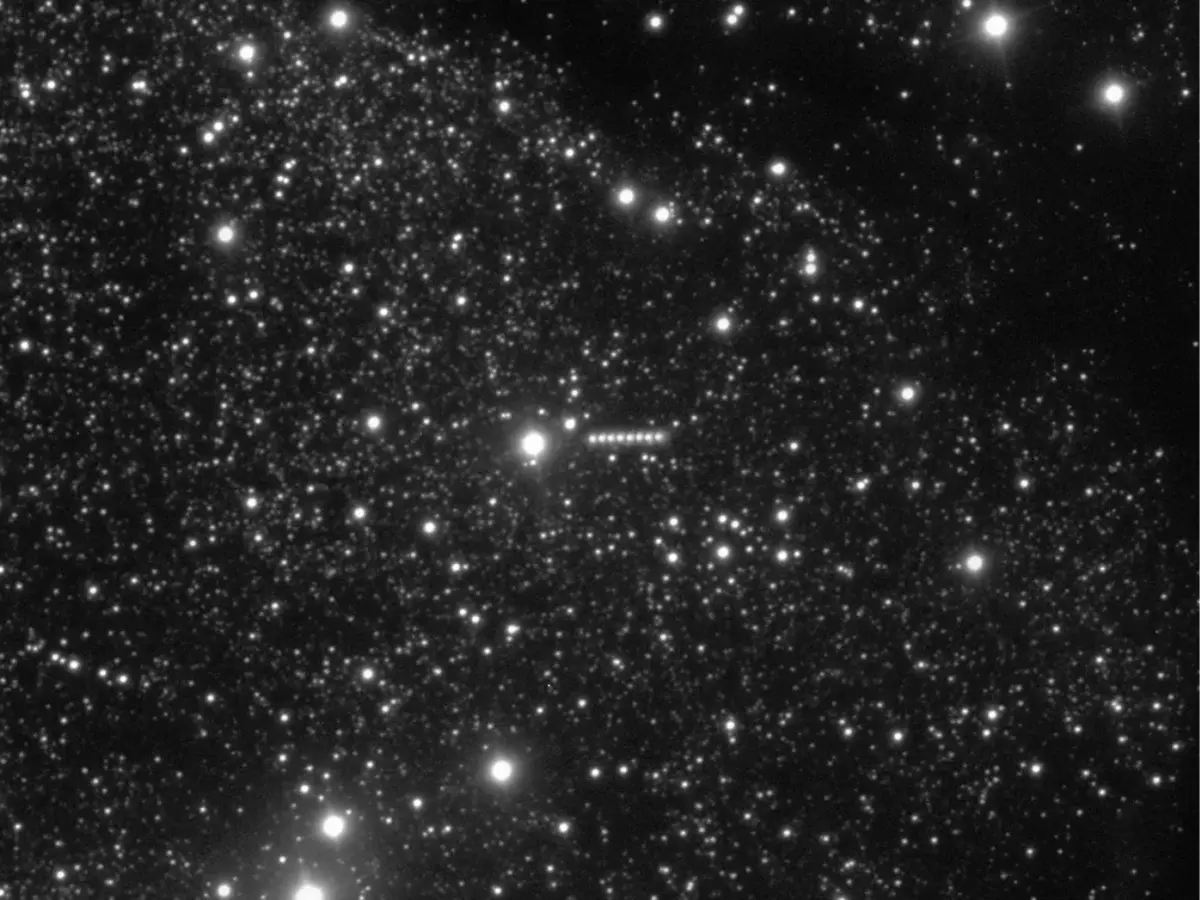
Could 3I/ATLAS fling itself towards Earth using Sun's gravity?
Besides these scientifically established activities, two other things can also happen, if Avi Loeb, a Harvard scientist, is to be believed. He told actor Mayim Bialik on her YouTube show Breakdown that if 3I/ATLAS is a piece of alien technology, it could use the time behind the sun to swing towards Earth. Known as the "Oberth manoeuvre", the scientist claims it might use the Sun's gravity to alter its course and speed.
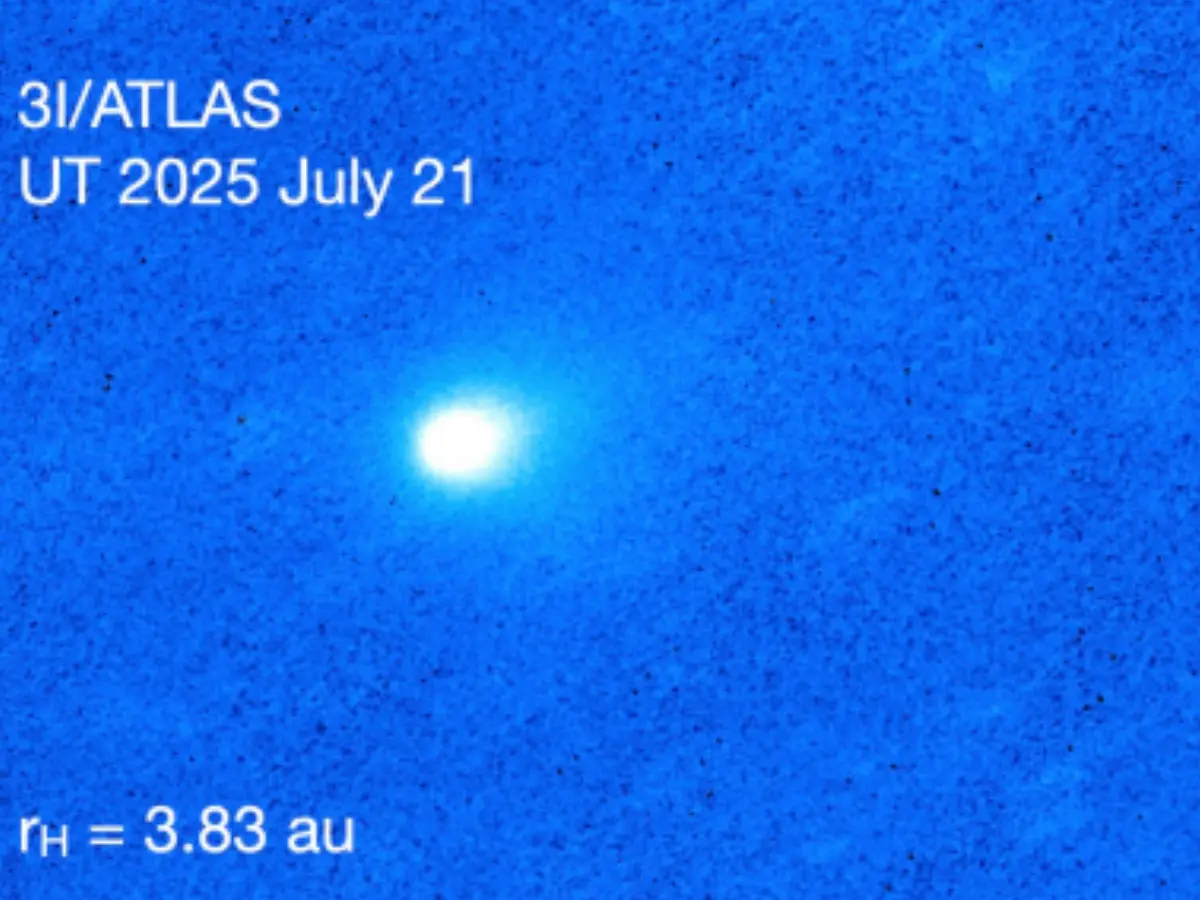
3I/ATLAS and the claim of alien mothership that could release mini probes
Another thing that could happen, according to Loeb, is that 3I/ATLAS might release tiny probes that might plant themselves into the planets in our solar system. He said in a Q&A, that the "mothership" could release “mini-probes which perform a reverse Oberth manoeuvre to slow down at perihelion and intercept Earth, taking advantage of the Sun’s gravitational assist.”
)
)
)
)
)