3I/ATLAS looming observations - Three Jupiter probes gearing up to spot interstellar comet

3I/ATLAS new observations: Scientists have at least four more opportunities to use some probes already in space to see the interstellar comet. Two of these spacecraft are travelling towards their targets, an asteroid system and a Jupiter moon, while two have been at work for years.
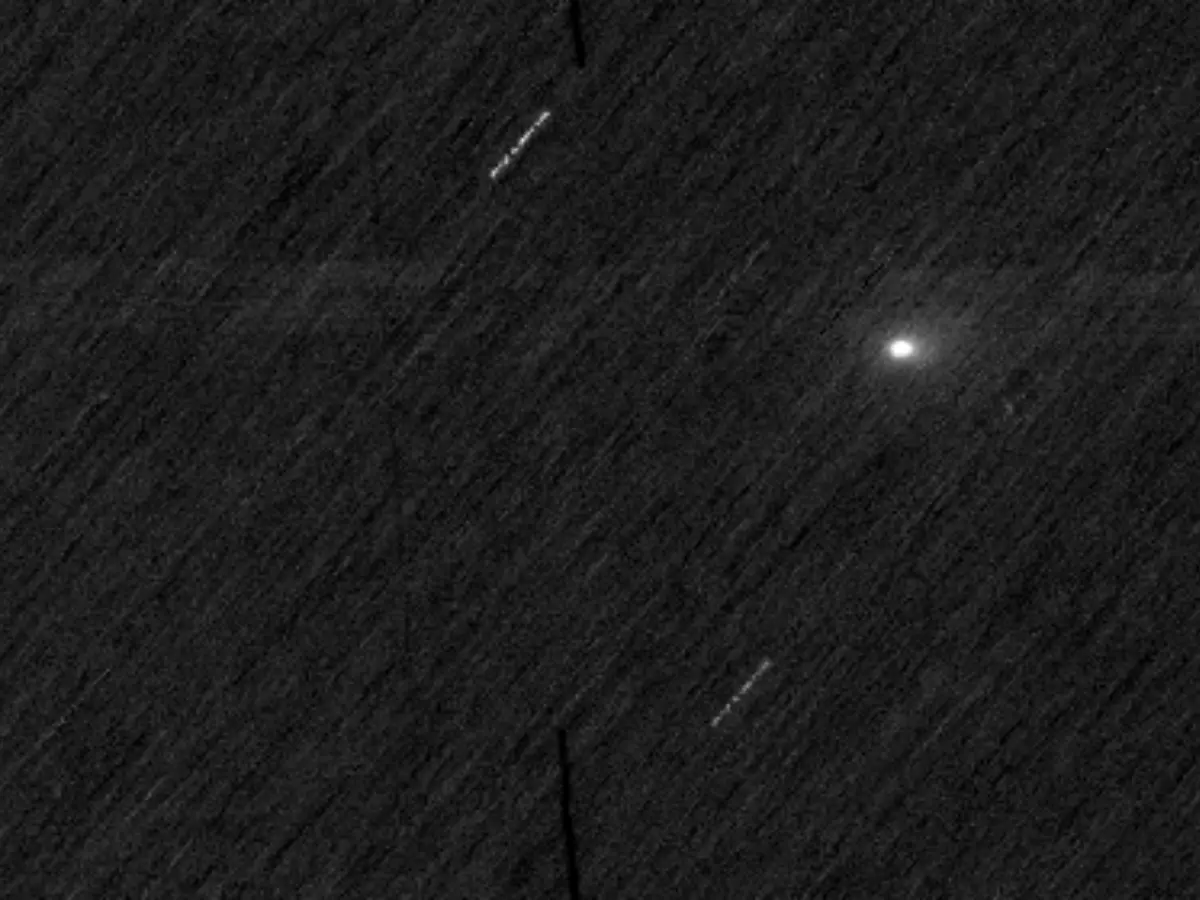
Scientists are getting ready for more observations of 3I/ATLAS
Interstellar comet 3I/ATLAS is zooming through the solar system and will soon reach near our Sun. In the coming weeks, there will be many more opportunities to study the comet. During its Mars flyby, orbiters hovering over the Red Planet turned their cameras towards it. But there is more to come since a few other spacecraft are set to take a look at this visitor.

3I/ATLAS will reach closest point to Sun at end of October
The maximum viewing opportunity will be available in the last few days of October. 3I/ATLAS will reach its nearest point to the Sun on October 29-30, during which time it will no longer be visible from Earth. However, this would be the time when three spacecraft will be positioned to observe the alien comet.
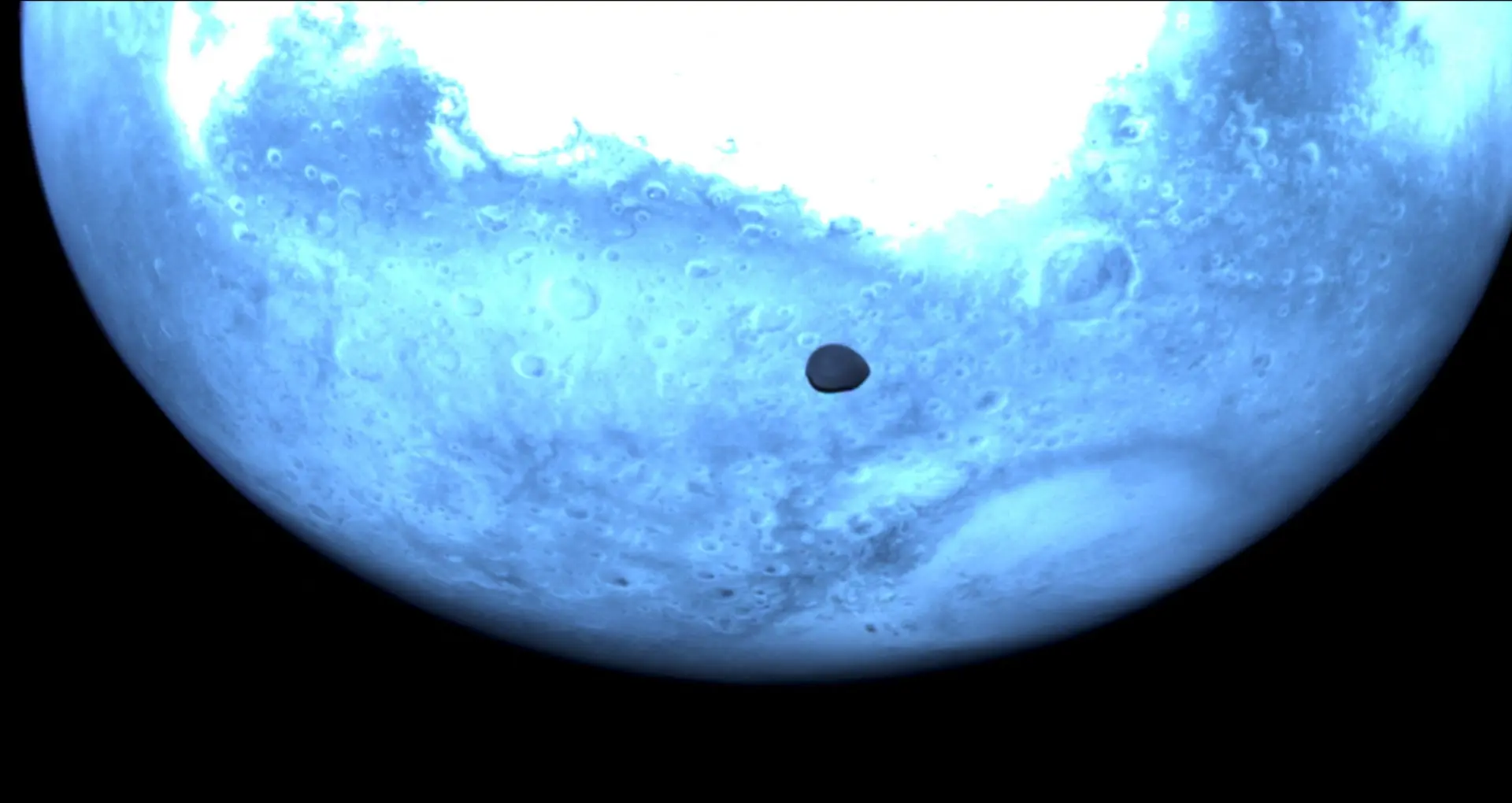
Hera spacecraft flying to Dimorphos will enter the tail of 3I/ATLAS
European Space Agency's Hera spacecraft is set to encounter 3I/ATLAS between October 25 and November 1. It is travelling to the Didymos binary asteroid system, where it will study the crater made by the DART mission on Dimorphos. The mission altered its orbit in 2022, and Hera will measure the efficiency of the head-on collision.
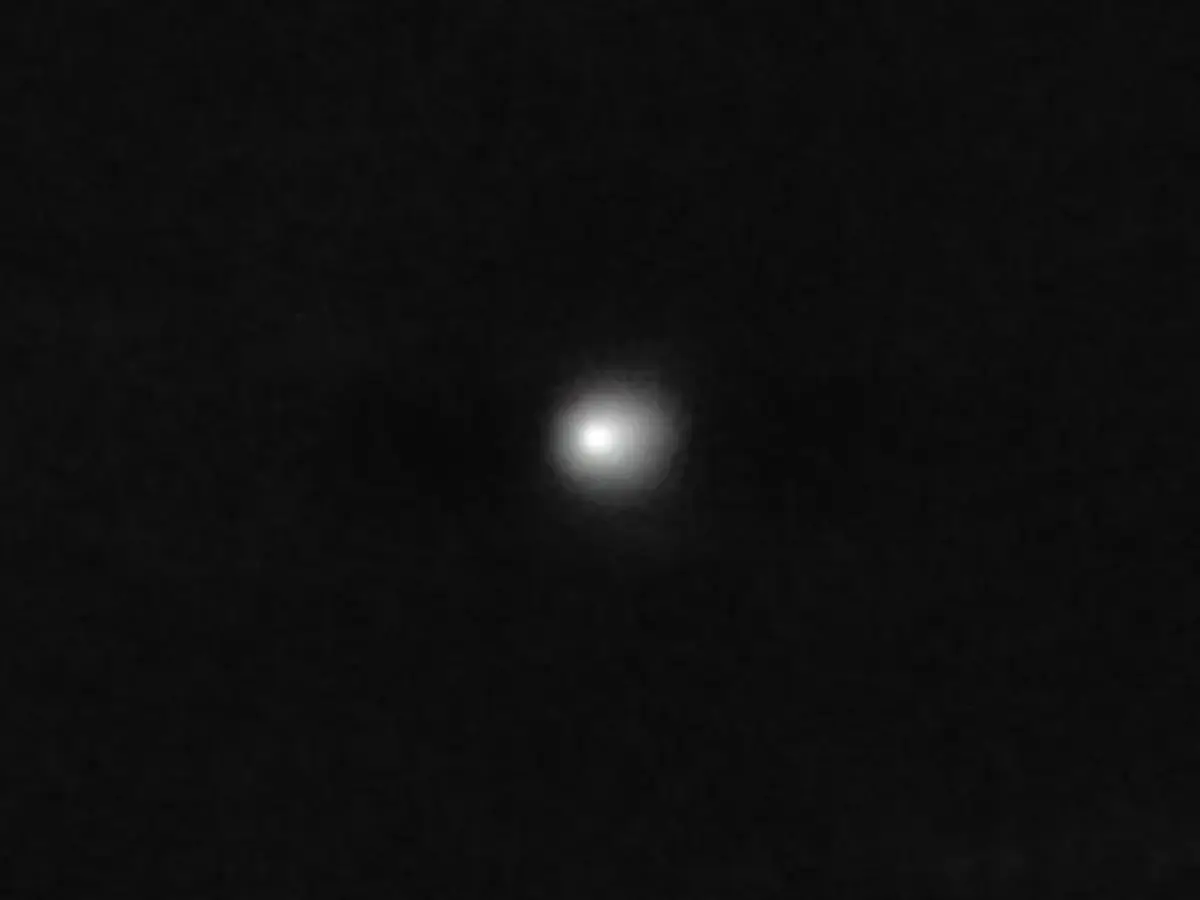
Can Hera study the ion tail of alien comet?
Hera will cross through the ion tail of 3I/ATLAS sometime in this window, according to a new paper. This will give it a chance to observe what's going on with the comet. However, Hera might not have the right equipment to scan through the tail properly. ESA is yet to comment on the matter.
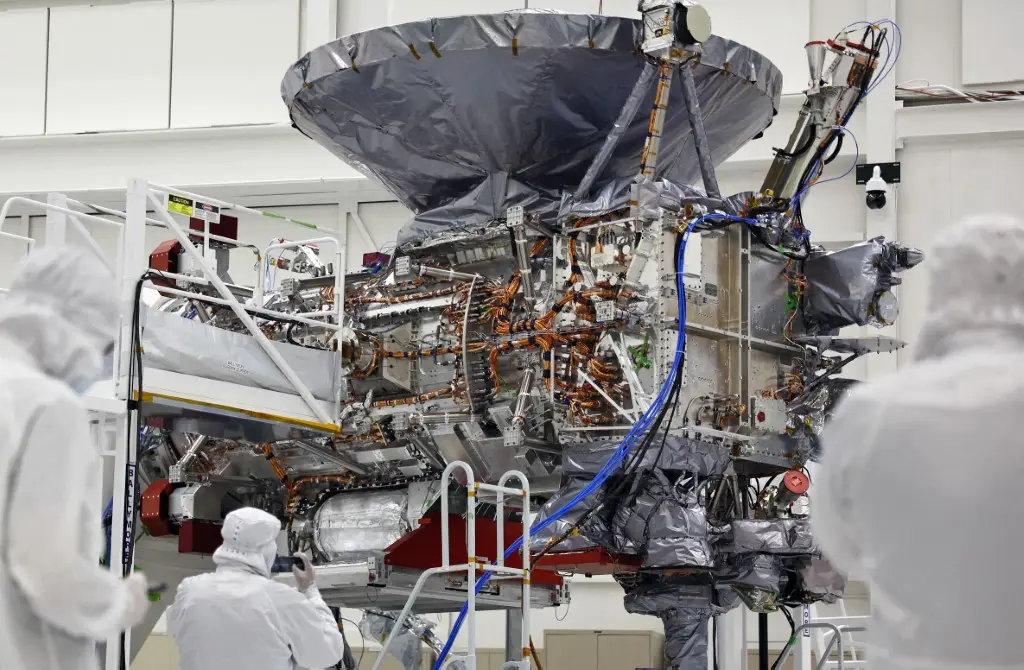
Europa Clipper could also enter 3I/ATLAS tail
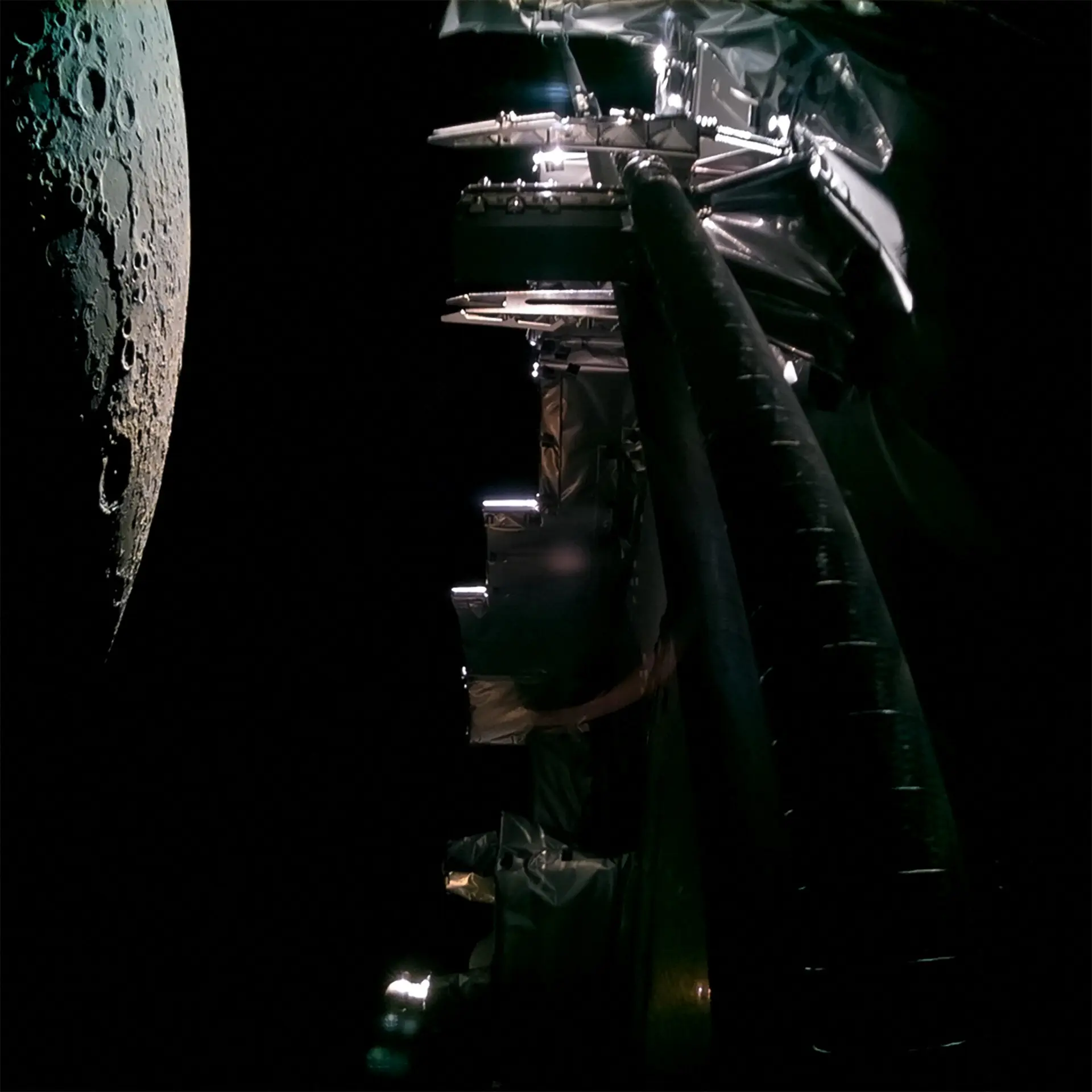
The same paper also states that Europa Clipper will also go through the tail of 3I/ATLAS between October 30 and November 6. “Europa Clipper has a rare opportunity to sample an interstellar object’s tail,” the authors wrote in the paper.
Will 3I/ATLAS reveal itself to Europa Clipper?
The paper states that the spacecraft going to Jupiter's moon Europa will come face-to-face with 3I/ATLAS. It is said to have the equipment that could study its tail. This would be a good opportunity to learn about the alien comet and its composition.

3I/ATLAS and JUICE probe encounter in November
European Space Agency's Jupiter Icy moons Explorer (JUICE) will have the opportunity to observe 3I/ATLAS in November. It is positioned on the opposite side of the Sun, and during this time, the comet won't be visible from Earth. However, its data is not expected to reach scientists before February next year because of the equipment it uses.
3I/ATLAS and Juno encounter in March 2026
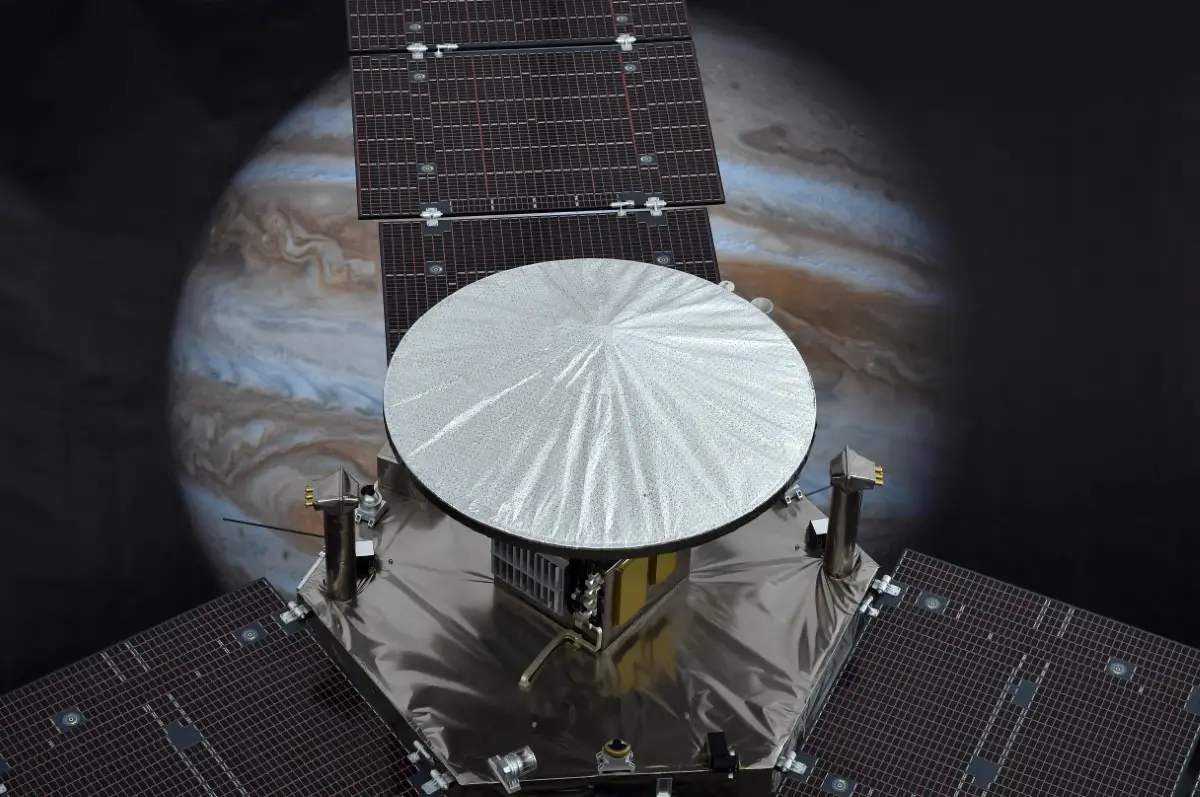
In March 2026, NASA's Juno probe could come close to the alien comet. Juno has been orbiting Jupiter since 2016, and Juno could alter its orbit to move towards 3I/ATLAS. This would be a great way to scan through the comet before it leaves the solar system forever.
)
)
)
)
)