&imwidth=800&imheight=600&format=webp&quality=medium "Iran war Minab school strike: Could it be considered a war crime? What the law says")
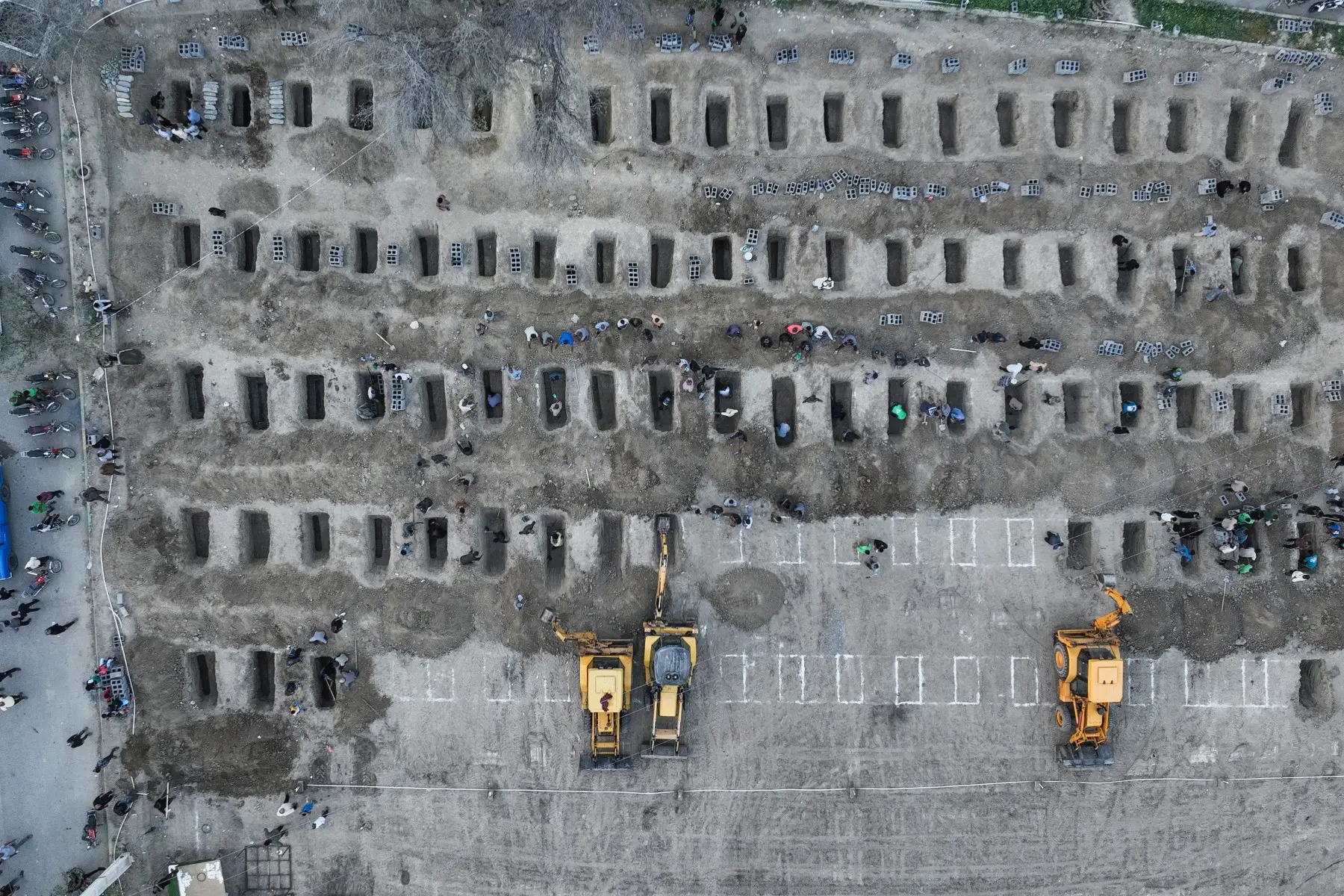
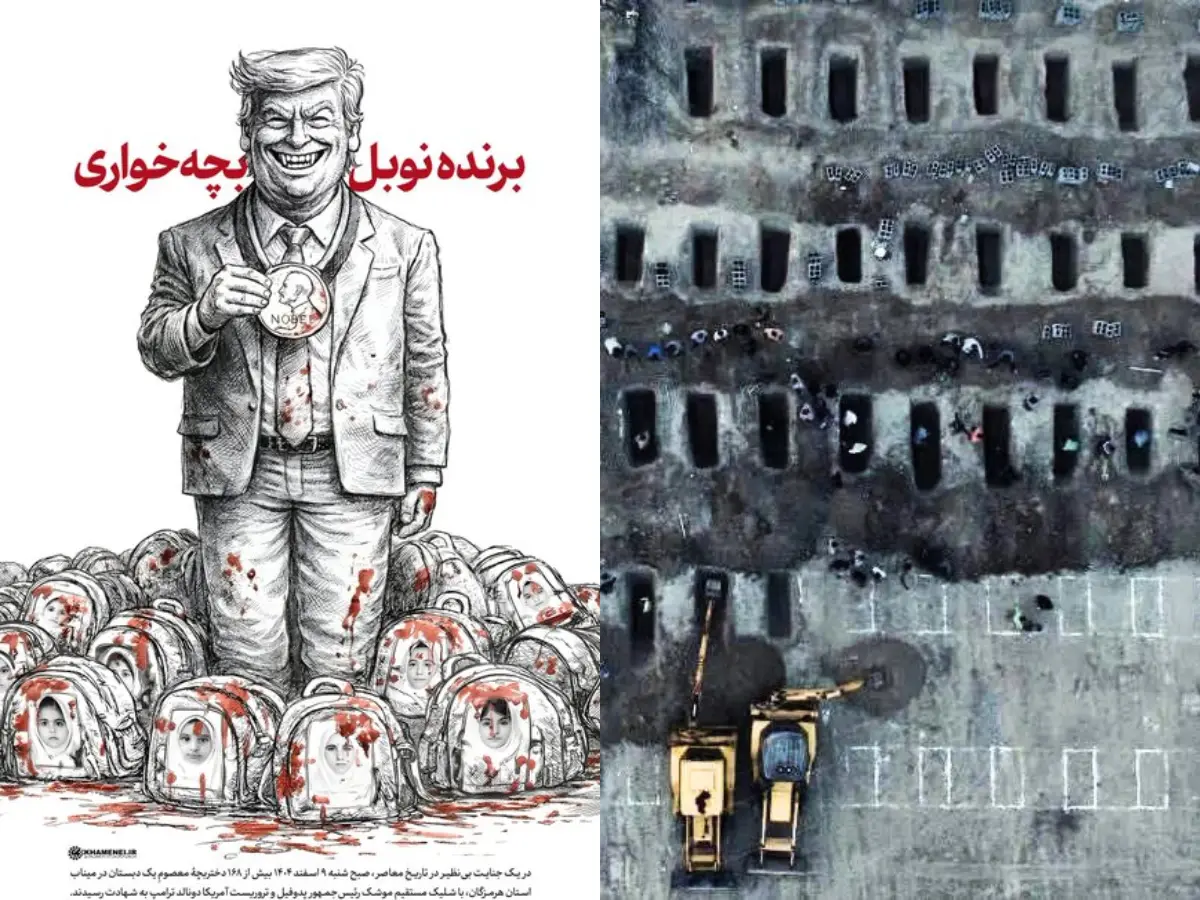
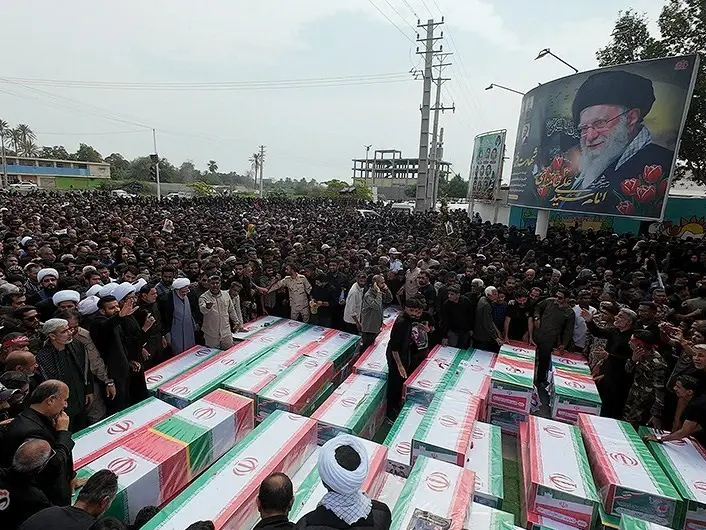
At least 168 people, mostly schoolgirls aged between seven and 17, were killed when a missile struck an Iranian school in the first hours of the US–Israel strikes against Iran on February 28. A preliminary American military investigation suggested that the US was likely responsible for the strike that destroyed the Shajareh Tayyebeh Elementary School in the city of Minab. Could the attack, one of the deadliest civilian incidents of the early phase of the conflict, be considered a war crime? Here is how Minab school attack raises questions under international humanitarian law (IHL).
Minab school attack: What happened?
The strike took place during the morning hours, when students were attending classes. The building collapsed, trapping children and staff underneath the rubble.

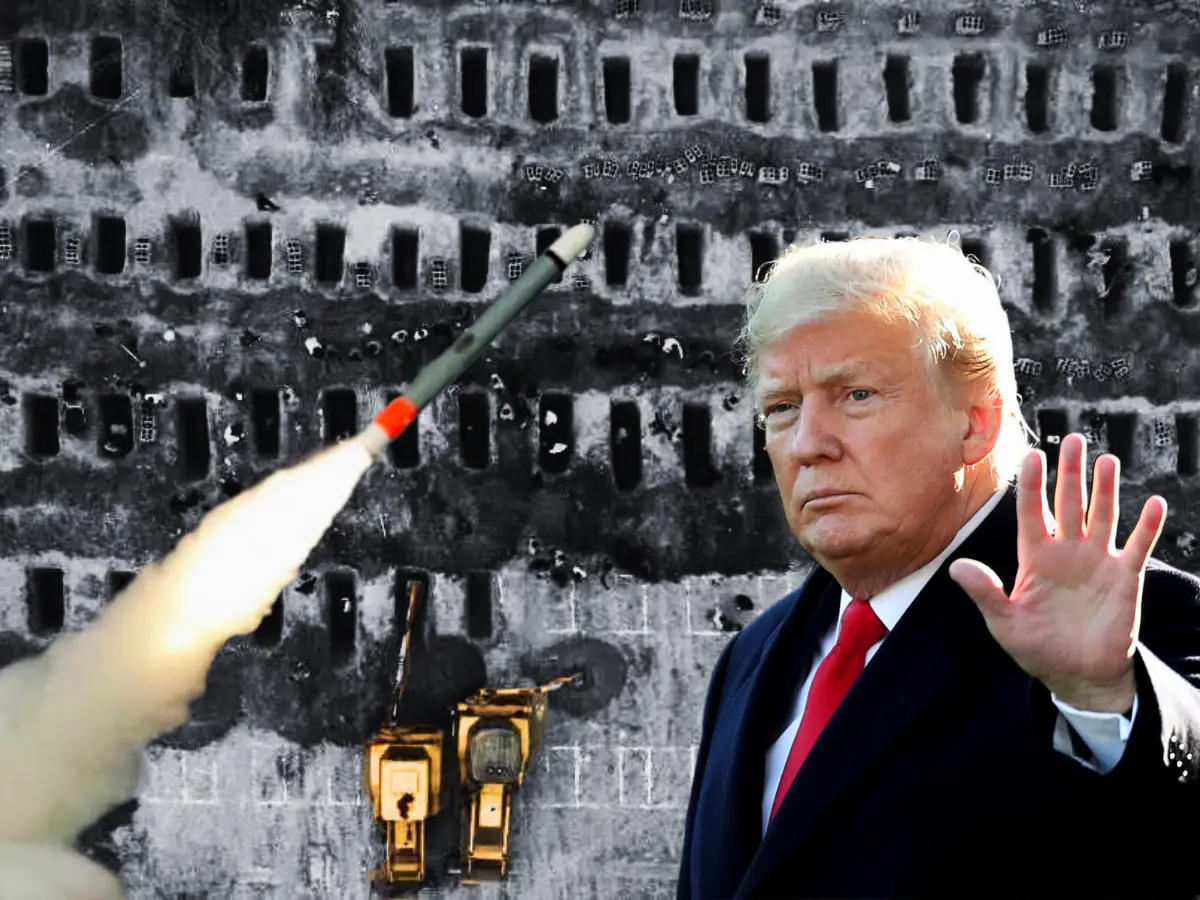
The school was reportedly located near a facility linked to Iran’s Islamic Revolutionary Guard Corps (IRGC), which may have been the intended target. Reports and analysis suggested that the strike may have involved a US Tomahawk cruise missile.
According to early findings first reported in the media, the attack may have been the result of outdated intelligence that misidentified the site as a military compound.
The bombing was widely condemned, with UNESCO and other international bodies noting that schools are protected civilian sites under the laws of war. They called for accountability if those protections were violated.
Trending Stories
)
Why asking questions could be more important than memorising answers
)
BRICS Summit 2026: Iran's Pezeshkian praises PM Modi at BRICS
)
Osama Bin Laden ‘planned’ to target India, CIA reveals dozens of declassified documents
)
PM Modi and China's Xi offered to help resolve Russia-Ukraine war: Kremlin
)
BRICS Summit 2026: Global leaders of BRICS nations attend main open session
)
BRICS rejects EU carbon tax as ‘punitive’, ‘discriminatory’; warns of burden on Global South
)
Why dehydration is the hidden cause of travel fatigue on long flights
)
Top 5 places to visit in Goa beyond its famous beaches
)
'He is popular...': Malaysian PM Anwar Ibrahim's praise for PM Modi during bilateral meeting | WATCH
)
BRICS Summit 2026: 30+ countries seek BRICS membership
)
Frustrated man demolishes his kitchen after thousands flock to see Mother Mary his wife spotted on the wall
)
BRICS Summit 2026: PM Modi, Xi reach key consensus on ties, China to assume BRICS chairmanship in 2027
)
Trump says Canada eager to reach a deal, it could come ‘fairly soon’ if Ottawa treats US farmers better
)
From drones to KAAN fighters: Turkey outlines 229% surge in defence spending amid regional shifts
)
‘Partners, not rivals’: Xi outlines four point plan for stronger India-China ties
&im=FitAndFill=(700,400))
Why Chinese PL-15 air-to-air missiles use dual-pulse motors compared to European interceptors
)
Could staying indoors all day affect your health?
)
Who is the smiling man beside Modi, Putin and Xi at BRICS Summit 2026?
)
Why going digital does not always mean becoming more efficient
)
800 million years old - Scientists discover 'fingerprints' of supercontinent Gondwana in ancient rocks
&im=FitAndFill=(700,400))
Why do air defence missiles explode near their target instead of hitting it?
)
From severe mobility problems to recovery: Madhuri the elephant’s journey of wildlife care
)
BRICS Summit day 1: New Delhi declaration adopted with full consensus, big diplomatic win for India
)
From India, Putin warns Europe against sending troops to Ukraine, Zelensky expresses willingness to meet him at G20 Summit
)
Did Iran President Pezeshkian touch feet of Hindu spiritual leader at Delhi event as shown in viral video?
)
9-year-old Chennai prodigy clears Cambridge IGCSE grade 10 exams
)
Why does your body need time to adjust after a long journey?
)
Baba Vanga's first prophecy for 2027 is out, and straight out of science fiction
)
BRICS Summit 2026: PM Modi to hold bilateral with leaders of seven countries
)
Ramanathaswamy temple takes centre stage as PM Modi welcomes world leaders at BRICS
)
Why does your skin need protection from UV rays?
)
How does the loss of forests affect the way wildlife lives and moves?
)
IND vs AFG, 1st T20I: When and where to watch live streaming in India?
)
Why do wild animals need quiet places to survive?
)
Humans may lose control of AI: Anthropic CEO calls for slowdown, Altman, Musk back him
Minab school attack: What does the law of war say?
The main legal framework applicable in this case is international humanitarian law (IHL), often referred to as the law of war, specifically the rules governing attacks during armed conflict. Many of these rules are contained in the Geneva Conventions and related customary international law.
One of the core principles is ‘distinction’. Combatants must distinguish between military targets and civilian objects. Schools are considered ‘civilian objects’, unless they are being used for military purposes.
Another principle is ‘proportionality’. An attack is unlawful if the expected civilian harm is excessive when weighed against the anticipated military advantage.
The law also requires ‘precautions’ in attack. Parties to a conflict must take all feasible steps to verify targets and minimise civilian casualties.
The Rome Statute of the International Criminal Court's definitions of war crimes includes intentionally directing attacks against civilian objects, including buildings dedicated to education.
When would the Iranian school attack be considered a war crime?
Although investigations are ongoing, the school strike could be considered a war crime depending on the findings of those inquiries.
One key question is whether the school itself was intentionally targeted. If investigators determine that the school was deliberately attacked despite being known to be a civilian facility, it would likely constitute a clear war crime.
Another possibility is that the intended target was a nearby military facility but the attack caused foreseeable civilian harm. In such a case, the strike could still be unlawful if the commanders involved failed to adequately consider the presence of a school and the expected civilian harm was disproportionate to the anticipated military advantage.
A third scenario is a targeting error despite reasonable precautions. If the strike resulted from an honest mistake despite verification and precautionary measures, it may be difficult to legally establish it as a war crime.
Minab could become a case study on how the world treats attacks on schools during war
The Minab strike may become an important case study in how the international community responds to attacks on schools during armed conflict.
During its war with Hamas in Gaza, Israel was accused of striking school buildings, though the circumstances of those incidents remain contested. Israeli authorities repeatedly argued that Hamas used civilian infrastructure, including schools and hospitals, for military purposes. Whether similar arguments will emerge in the case of the Minab strike remains to be seen.
Even if the attack was unintentional, the scale of civilian casualties, particularly among children, is deeply disturbing. It raises serious questions: how closely were targeting procedures followed? How reliable was the intelligence used? And what accountability mechanisms exist in modern high-technology warfare?
Those questions are likely to shape the investigations and debates that follow.
And answers are needed.