Yearender 2025: From Charlie Kirk to Miguel Uribe, the deadliest political killings that shook governments worldwide

From the United States to Iran and Ukraine, these killings targeted influential figures whose deaths have left long-lasting political consequences.
Introduction
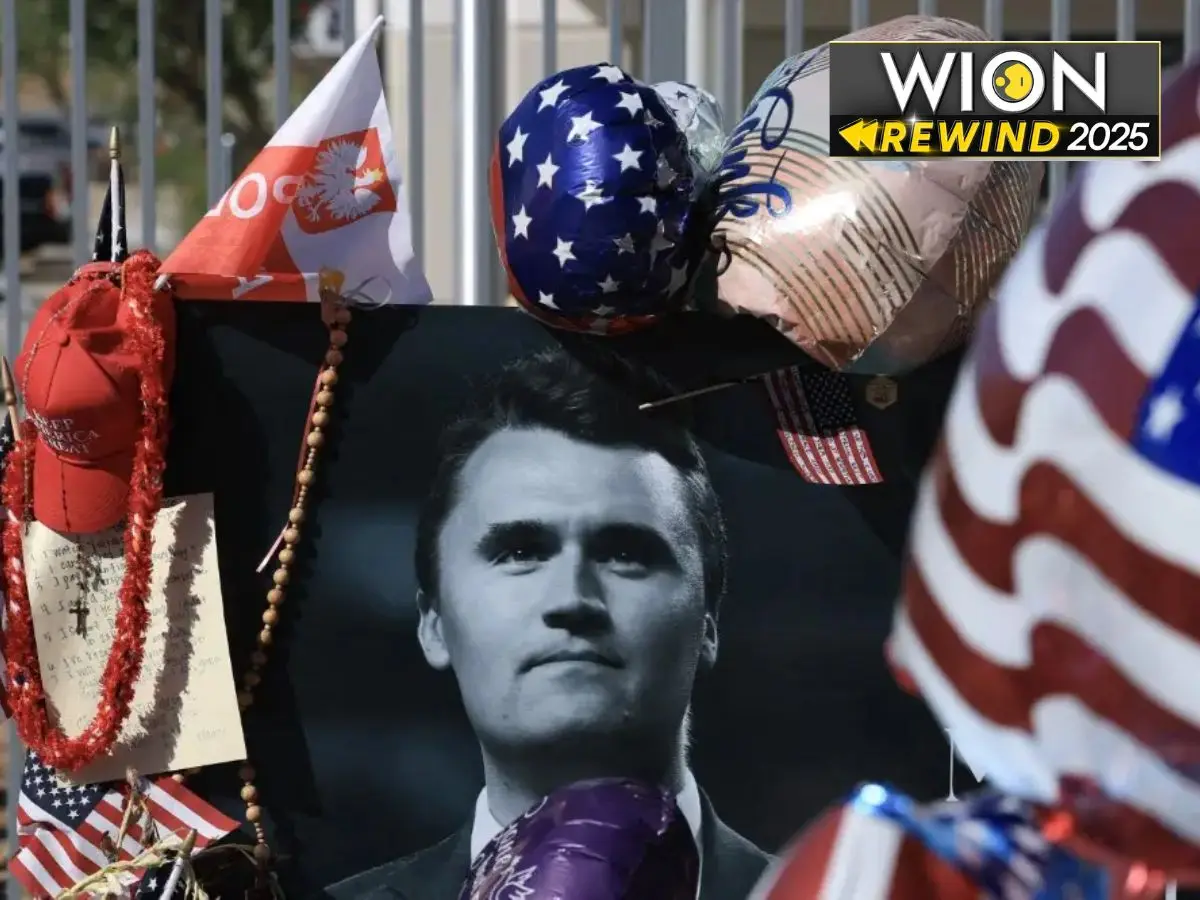
This year has been marked by a series of high-profile political assassinations that unsettled governments, disrupted election cycles and deepened anxieties about rising political violence. From the United States to Iran and Ukraine, these killings targeted influential figures whose deaths have left long-lasting political consequences. The following cases outline six of the year’s most significant incidents.
Charlie Kirk — United States
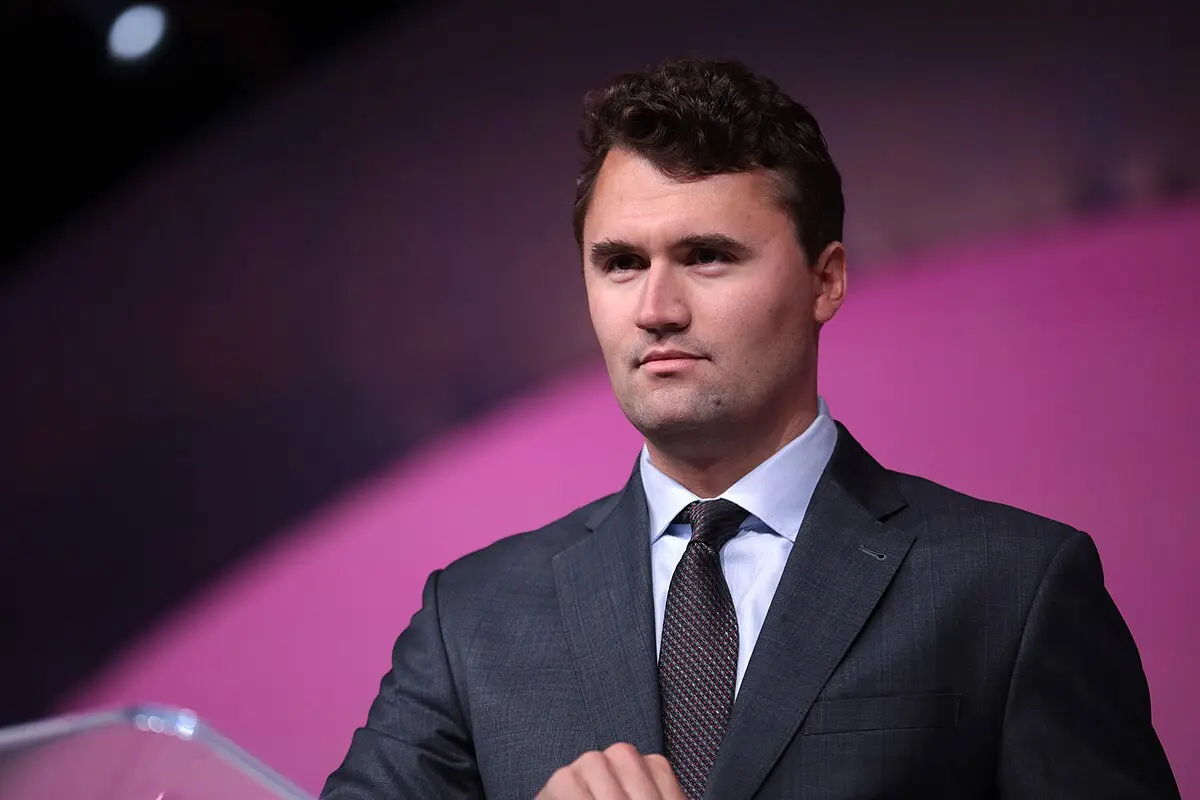
Conservative political activist Charlie Kirk, founder of Turning Point USA, was shot dead while addressing students at Utah Valley University in September. The 31-year-old’s killing became one of the most polarising political incidents of the year, reflecting escalating ideological tensions in the United States. Police apprehended Tyler Robinson, 22, shortly after the attack. Kirk’s memorial service, attended by prominent national political figures, highlighted his influence in conservative political circles.
Melissa Hortman — United States
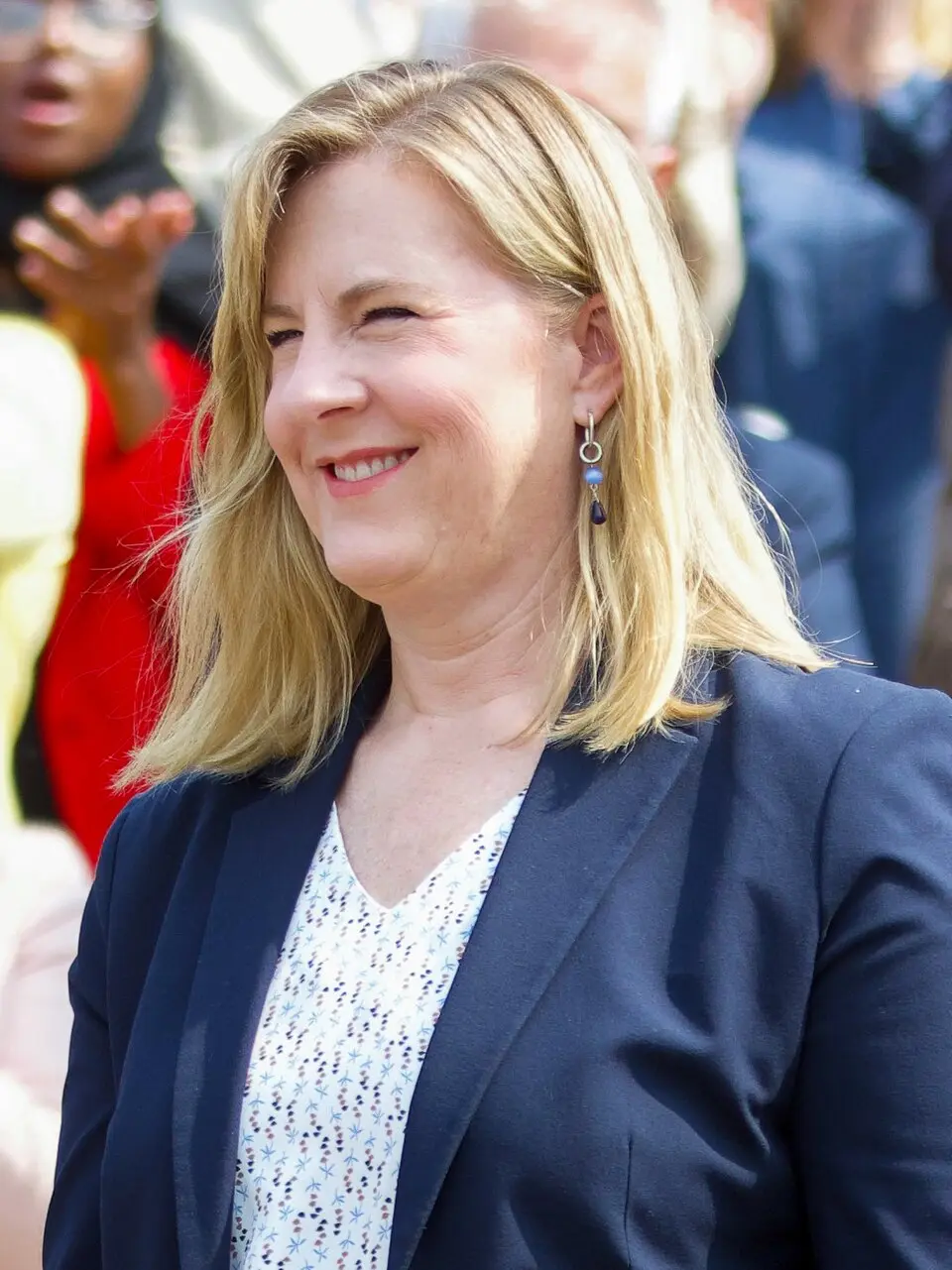
Minnesota state representative and House Speaker Emerita Melissa Hortman was assassinated on June 14 in a shooting at her home in Brooklyn Park. Hortman, a leading figure in the state’s Democratic caucus, was killed alongside her husband, Mark Hortman, in an attack that shocked the state’s political establishment. Federal and local investigators later charged Vance Boelter, 57, in connection with the murders.
Miguel Uribe Turbay — Colombia
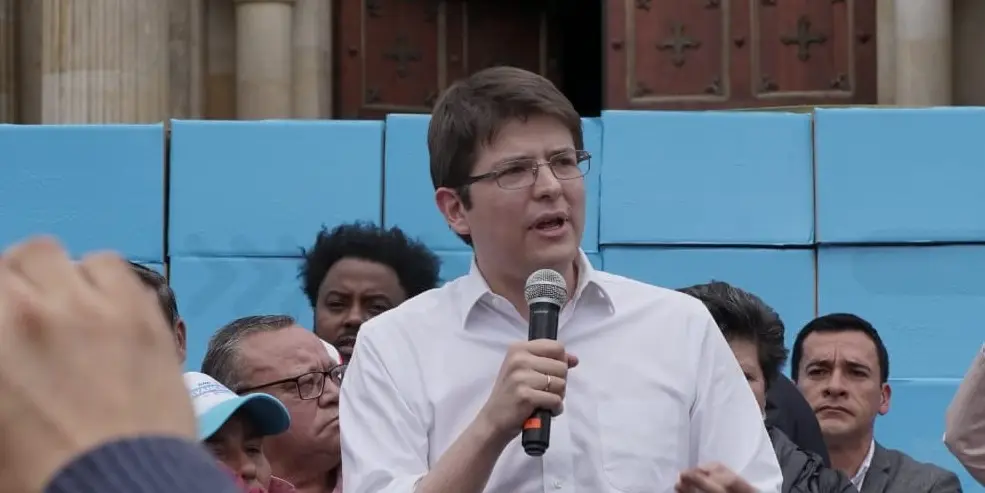
Colombian senator and 2026 presidential hopeful Miguel Uribe Turbay was shot on June 7 during a campaign rally at El Golfito Park in Bogotá’s Modelia district. Despite multiple surgeries, he died from his injuries on August 11. A 15-year-old boy was later sentenced to seven years in juvenile detention for the shooting. Turbay’s death significantly altered Colombia’s pre-election landscape and raised renewed concerns about political security in the country.
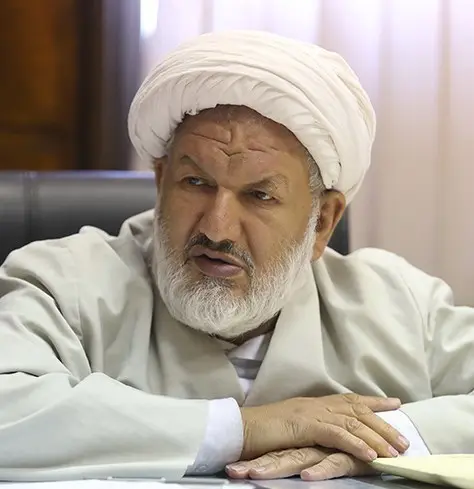
Ali Razini — Iran
Senior Iranian judge and former member of the Assembly of Experts Ali Razini was assassinated on January 18 inside Iran’s Supreme Court building. A gunman gained access to a secure area before opening fire, killing Razini and another high-ranking judge, and later taking his own life.
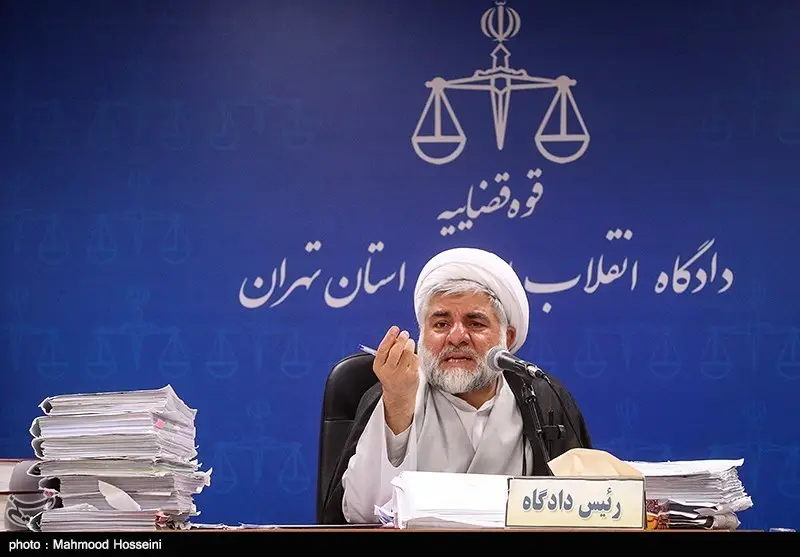
Mohammad Moghiseh — Iran
Supreme Court judge Mohammad Moghiseh died in the same coordinated attack that killed Razini. His death further heightened concerns within Iran’s judiciary, particularly given both judges’ involvement in high-profile and politically sensitive cases.
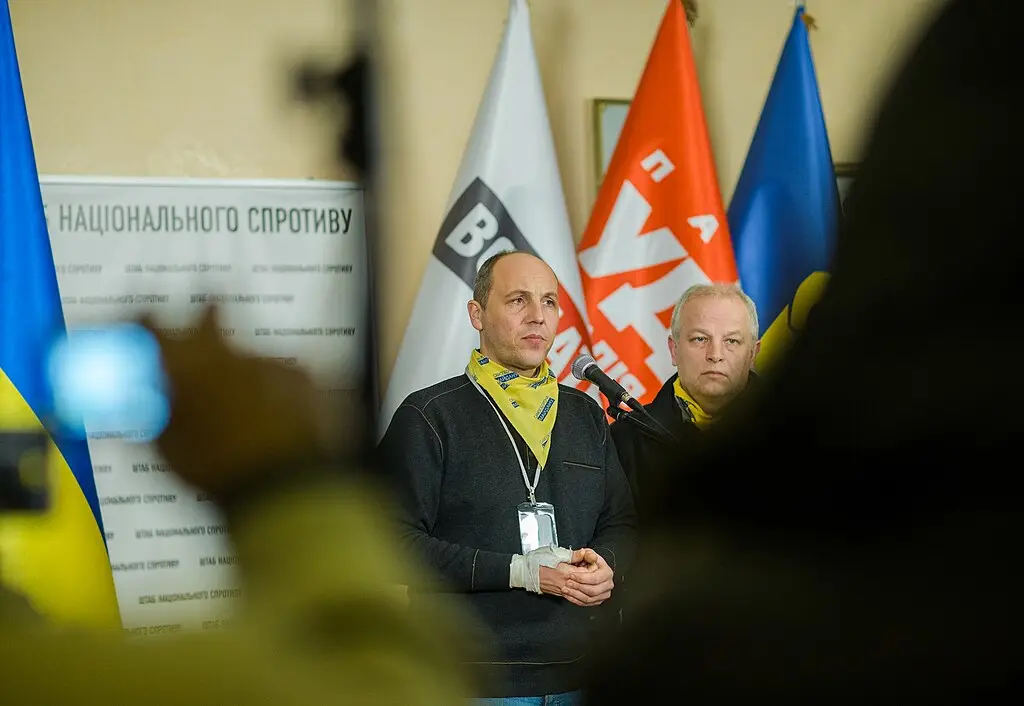
Andriy Parubiy — Ukraine
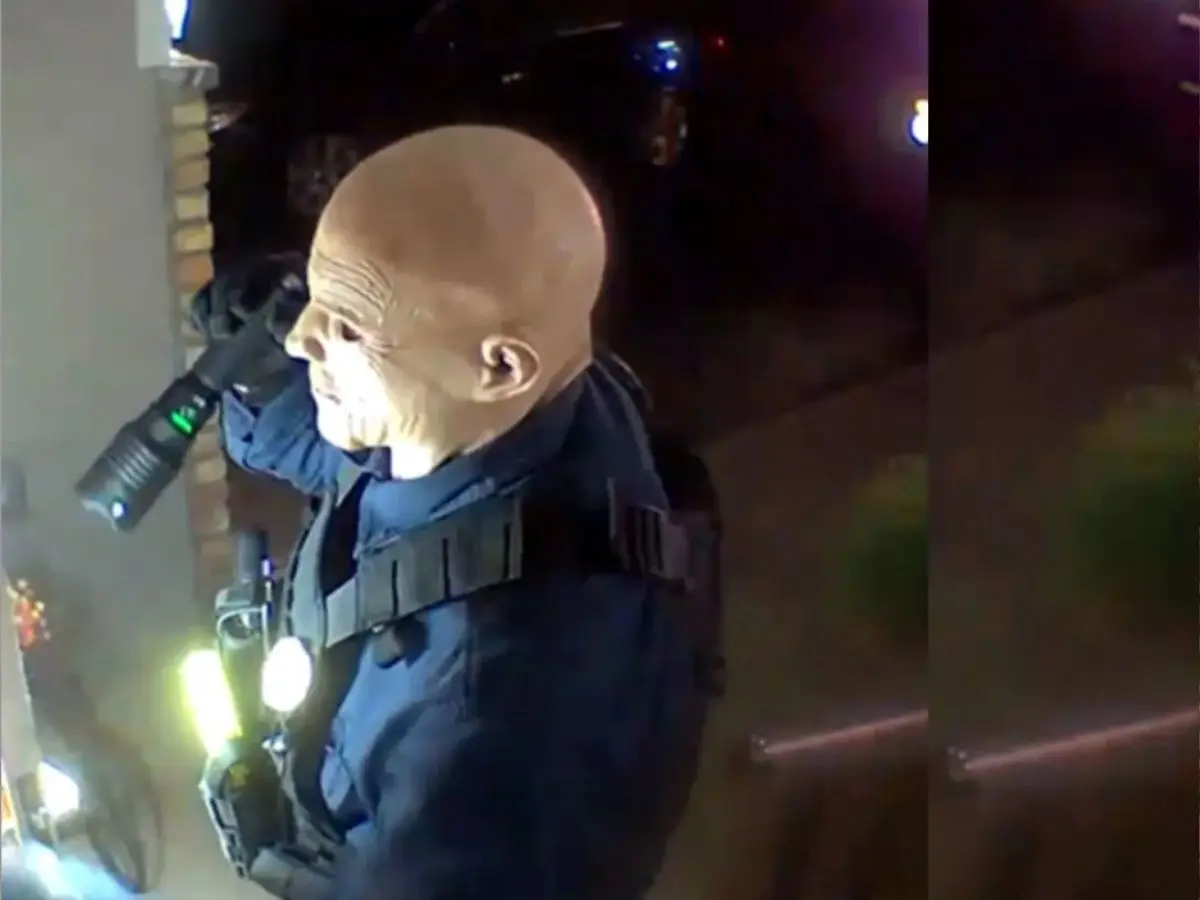
Former Speaker of the Ukrainian Parliament Andriy Parubiy was assassinated on August 30 in Lviv. Footage circulated online showing a gunman disguised as a courier approaching Parubiy in the street before opening fire and fleeing. Parubiy’s killing resonated across Ukraine, already under heightened security pressures amid ongoing regional instability.
A year defined by political violence
The killings of these six prominent figures highlight a year in which political violence crossed borders and ideologies. Each case triggered investigations, debates on security lapses and renewed questions about the vulnerability of public officials worldwide.
)
)
)
)
)