Year-Ender 2025: Top 7 scientific discoveries that shook the world

From Quantum‑centric supercomputing to AI Boost Sperm Selection, there have been multiple scientific discoveries in 2025 spanning space, medicine, and quantum tech. Let's have a look at the top 7 scientific discoveries in the world that shocked humankind.
1. Fusion‑reactor design sped up tenfold
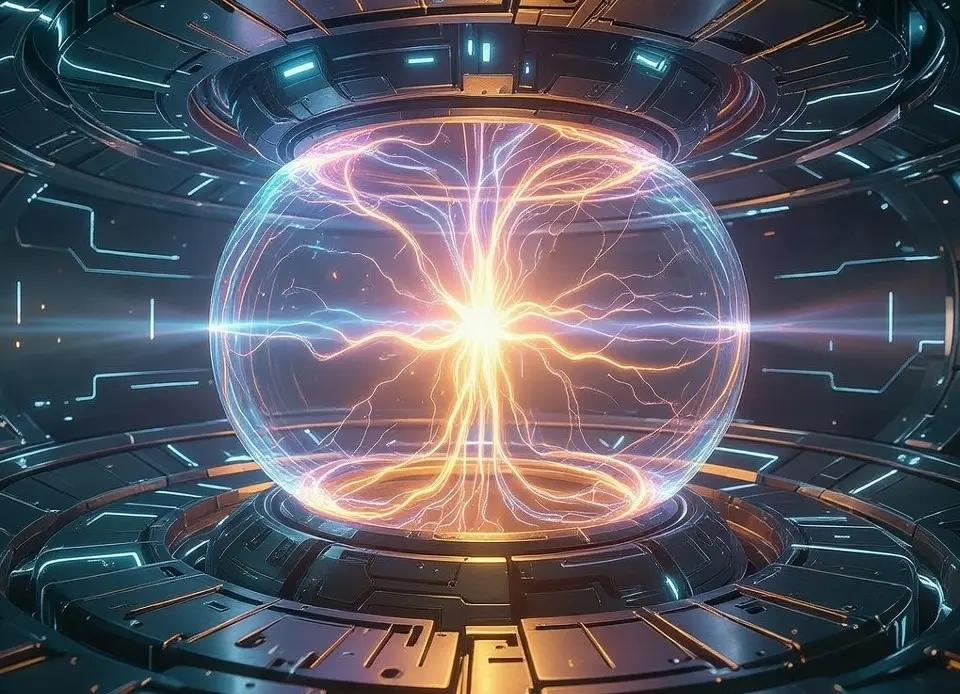
A 70‑year problem in magnetic‑confinement fusion: how to confine energetic particles efficiently in complex stellarator fields has been solved by Physicists from the University of Texas at Austin, Los Alamos and Type One Energy. They derived a 'shortcut' using symmetry‑based mathematics that designs leak‑proof magnetic geometries about 10 times faster than conventional numerical optimisation, without sacrificing accuracy. This sharply reduces the time and cost of engineering new stellarator reactors, potentially accelerating the path toward commercially viable fusion power and making advanced configurations more accessible to labs and companies worldwide, according to a report in SciTechDaily.
2. First reproducible room‑temperature superconductor
A Chinese research group reported reproducible superconductivity between 271–298 K (near room temperature) in a lanthanum–scandium hydride, LaSc₂H₂₄, compressed to about 195–266 gigapascals in a diamond‑anvil cell. Measurements showed zero electrical resistance and magnetic‑field‑dependent critical temperatures across 13 independent runs, with X‑ray diffraction confirming a hexagonal crystal structure. While the ultra‑high pressures limit immediate applications, the work is hailed as the first convincing demonstration of room‑temperature superconductivity and a crucial proof‑of‑principle guiding the search for ambient‑pressure high‑Tc materials.
3. CERN turns lead into gold – precisely measured
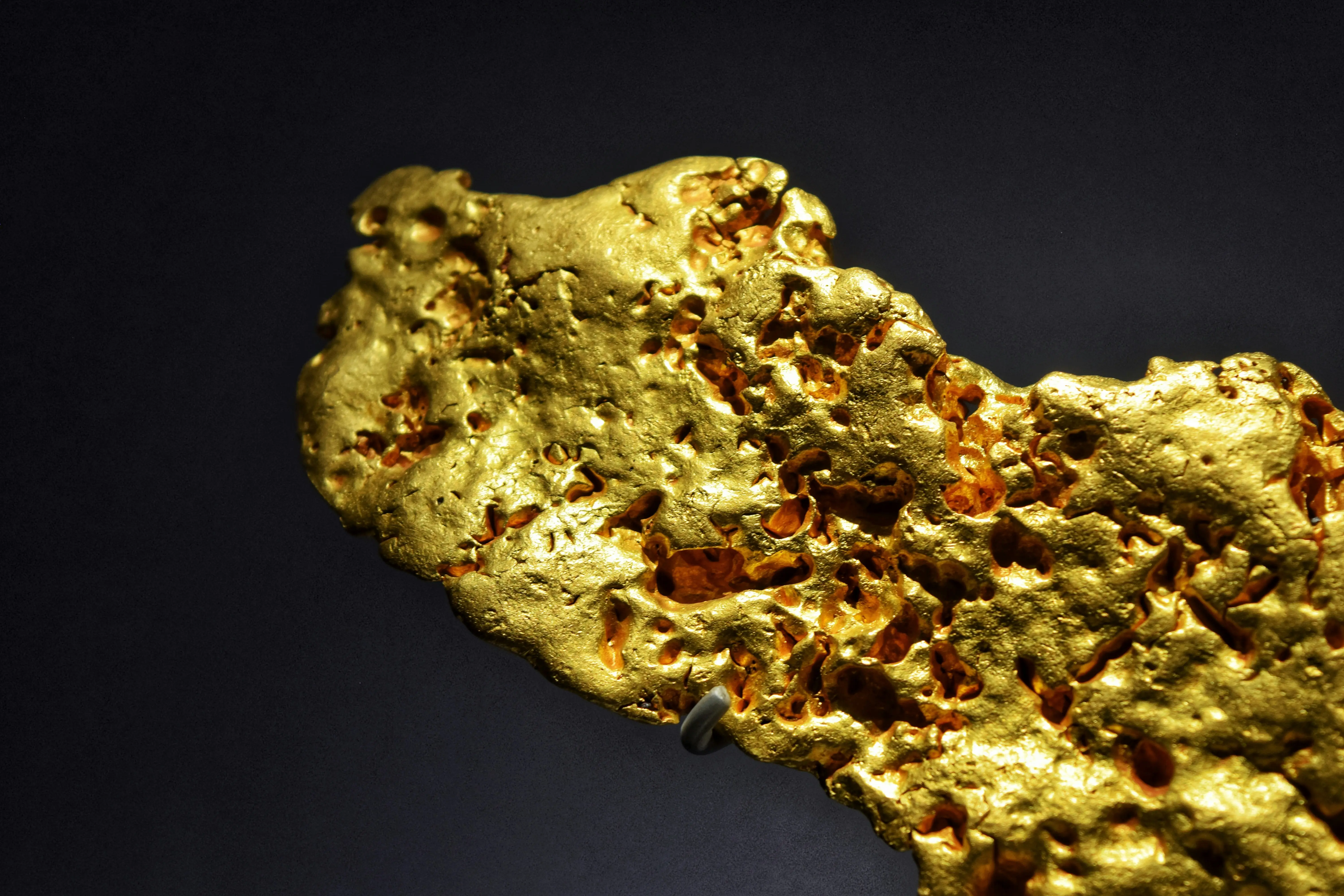
The ALICE collaboration at CERN declared the first quantitative measurements of nuclear transmutation from lead to gold in ultra‑peripheral heavy‑ion collisions. When two lead‑208 nuclei pass close without touching, intense electromagnetic fields can knock out three protons, forming gold‑205 or gold‑203 nuclei. ALICE found the LHC can briefly create gold at peak rates of about 89,000 nuclei per second, albeit for fractions of a second before they fragment on beam‑line hardware. The result is scientifically important “modern alchemy”, improving understanding of photon‑induced reactions and nuclear structure, not a practical way to manufacture gold.
4. Possible biosignature detected on exoplanet K2‑18b
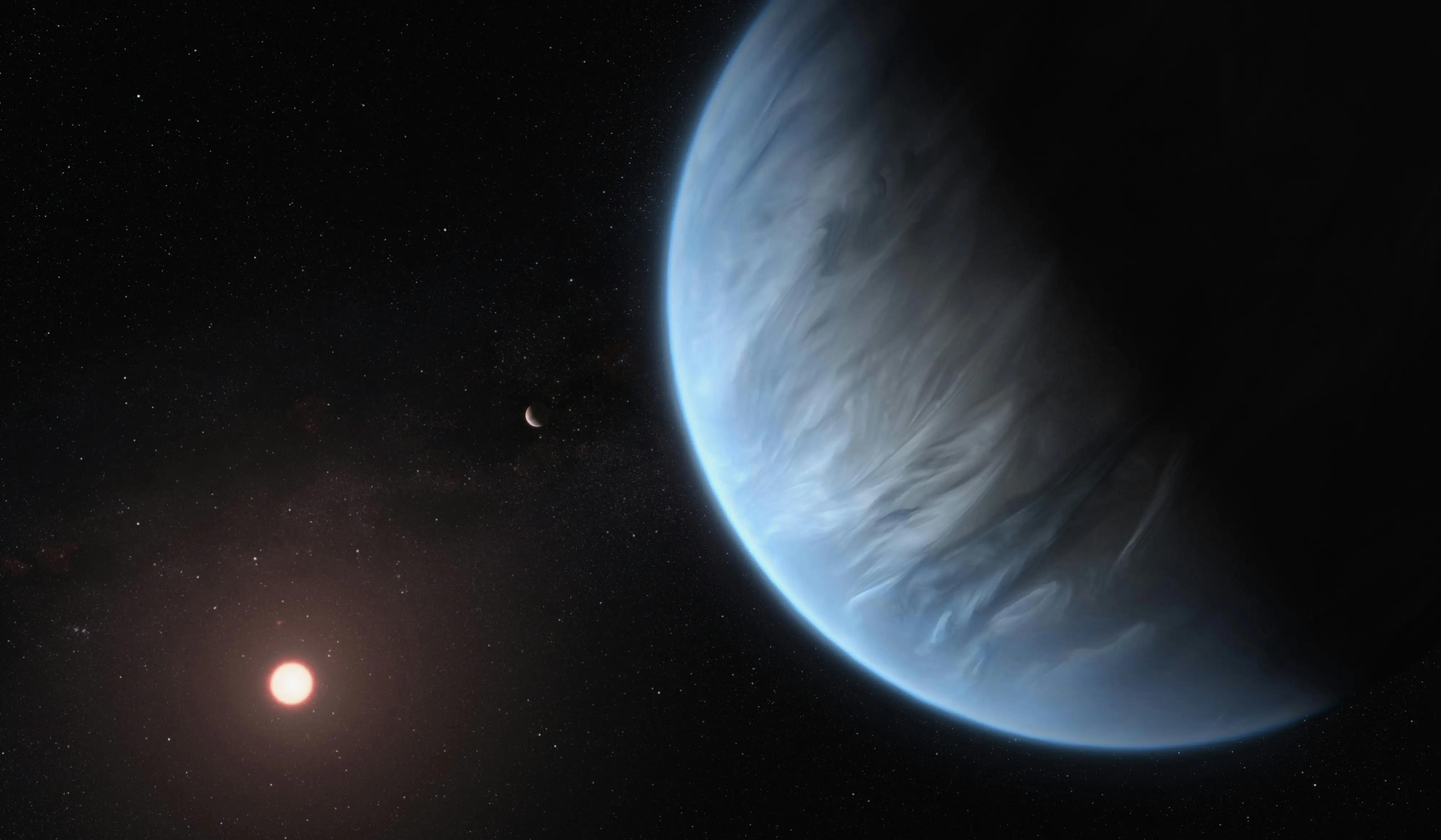
Using the James Webb Space Telescope, astronomers analysed starlight passing through the atmosphere of K2‑18b, a sub‑Neptune 120 light‑years away, and reported methane and carbon dioxide features consistent with a hydrogen‑rich atmosphere and potentially a water‑ocean surface. They also saw tentative signs of dimethyl sulfide (DMS), a molecule on Earth produced by marine life, though the signal is weak and contested. Published in Astrophysical Journal Letters, the study marks the most intriguing candidate biosignature yet detected on an exoplanet, while scientists stress that non‑biological explanations must still be rigorously tested.
5. Quantum‑centric supercomputing milestone
IBM has moved toward practical quantum computing by demonstrating a “quantum‑centric supercomputer” architecture that tightly couples multiple quantum processing units with classical CPUs and GPUs. Rather than only chasing raw qubit counts, the 2025 milestone focuses on modular chip networks to reach the 4,000‑qubit scale, integrated with error‑mitigation software and classical workflows. This hybrid design aims to make quantum resources callable like accelerators for chemistry, optimisation and materials problems, signalling a shift from lab prototypes to early, problem‑specific quantum advantage in industry and research.
6. CRISPR gene editing moves into rapid, personalised therapy
Building on the first approvals of CRISPR‑based medicine (Casgevy) for sickle‑cell disease and β‑thalassemia, 2025 saw a landmark personalised in vivo CRISPR treatment for an infant with fatal CPS1 deficiency. A multinational team designed, regulator‑approved and delivered an LNP‑packaged CRISPR therapy via IV infusion in only six months, correcting the metabolic defect in liver cells. This case, reported in the New England Journal of Medicine, showcases how genome editing can be rapidly tailored to ultra‑rare conditions, raising hopes for “n‑of‑1” medicines while sharpening debates over cost and ethics.
7. AI, Microfluidics Boost Sperm Selection
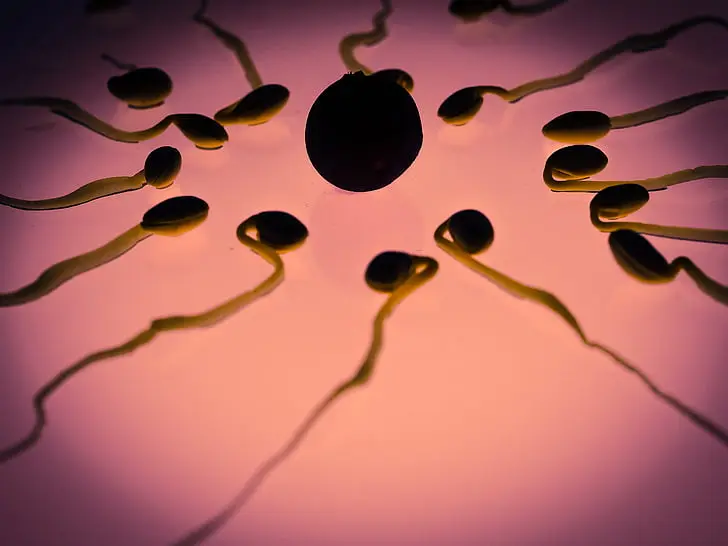
Around 15 per cent of couples are affected due to Infertility globally. While IVF and related techniques offer hope, however, success rates remain limited. Existing Computer-Assisted Sperm Analysis (CASA) tools mainly support visual assessment and statistics, with little impact on fertilisation outcomes. Researchers from UiT – The Arctic University of Norway, the University Hospital of North-Norway and Norinnova have developed Spermotile, a new CASA system combining AI, label-free microscopy and microfluidics. The technology identifies and filters high-quality “star sperm” while maintaining reliable concentration, aiming to significantly improve fertilisation success in IVF, IUI and ICSI. The team is now seeking partners, investors and licensing opportunities.
)
)
)
)
)