Xi wants China-US to transcend 'Thucydides Trap': What the term means and what are its origins | WION Decodes

Xi Jinping invoked the “Thucydides Trap” during talks with Donald Trump in Beijing, urging both nations to avoid conflict over Taiwan and manage rising US-China tensions through cooperation and stability.
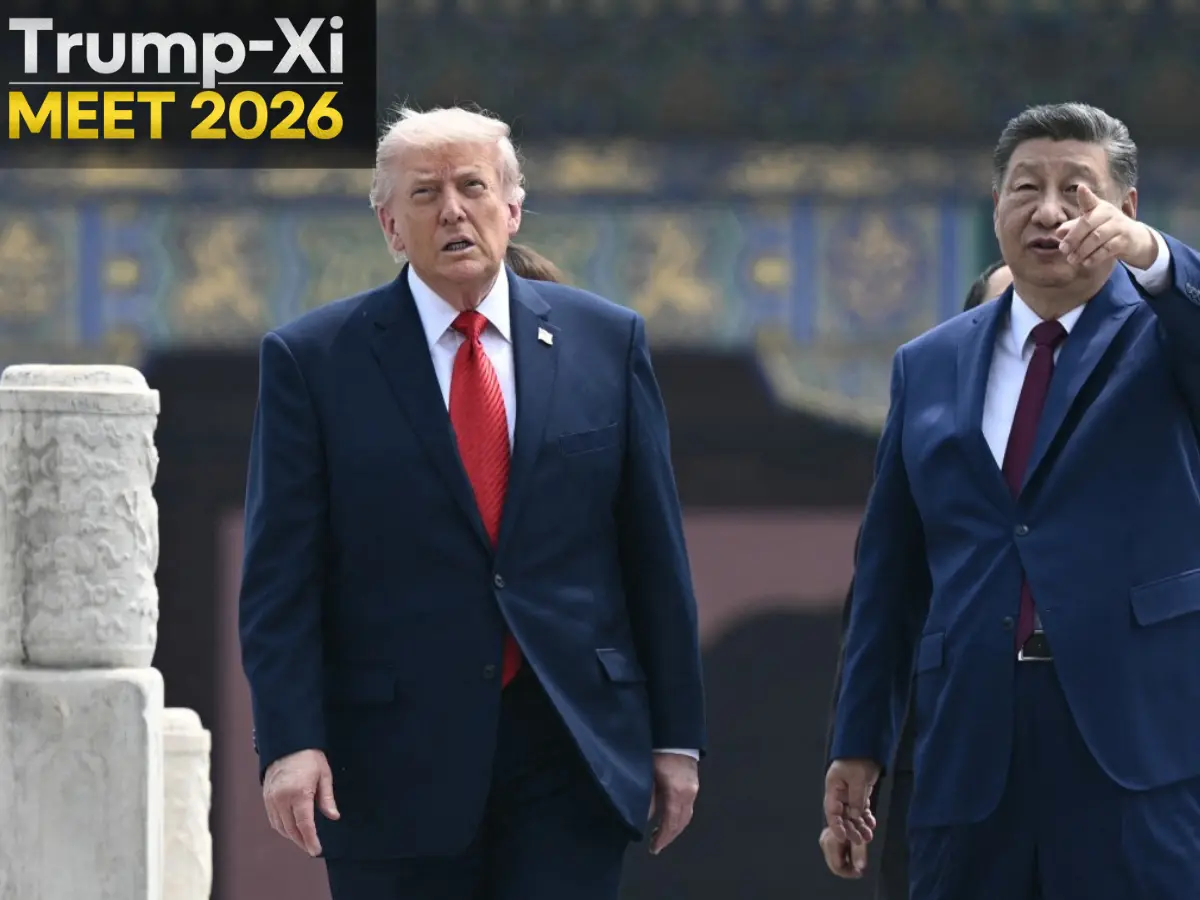
Xi Jinping says China and the US must transcend 'Thucydides Trap'
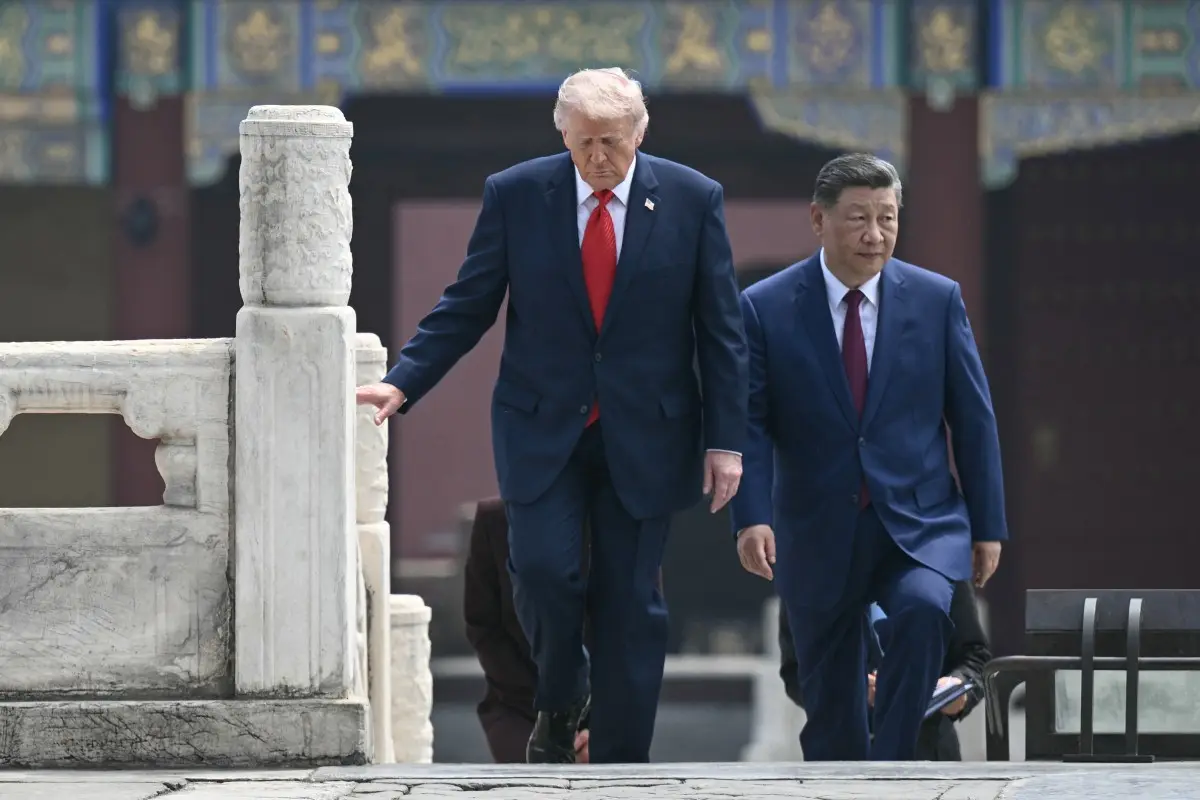
In the bilateral meeting with US President Donald Trump, China’s Xi Jinping said that “China and the US must transcend the ‘Thucydides Trap’.” While warning the American counterpart on Taiwan, Jinping referenced an ancient Greek historian to express his hope that the US and China can avoid conflict. Xi said the world is at a crossroads marked by turbulence and uncertainty, and questioned whether both countries could work together to bring greater stability to the world.
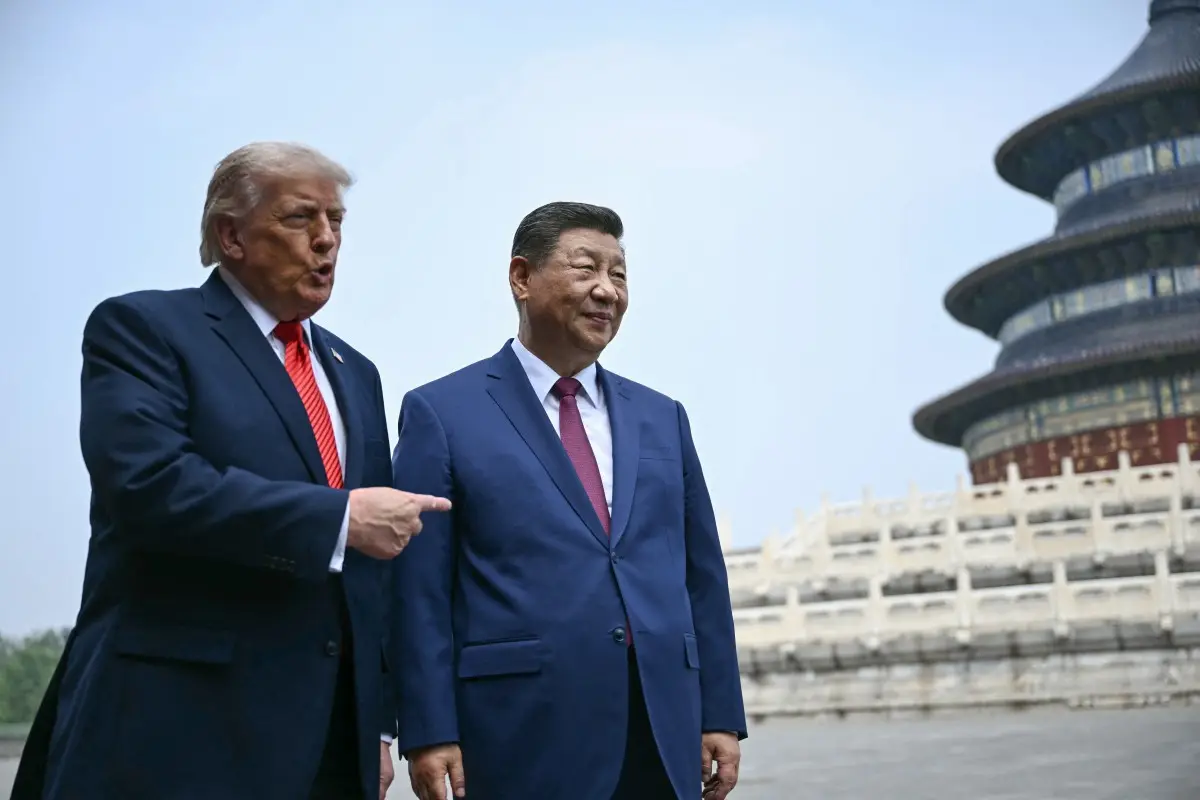
Origins of the word and its definition
The term “Thucydides Trap” was coined by Harvard professor Graham Allison in 2015 and is derived from ancient Greek historian Thucydides’ account of the Peloponnesian War between Athens and Sparta. Thucydides wrote: “It was the rise of Athens, and the fear that rise engendered in Sparta, that made war inevitable.” The Peloponnesian War (431–404 BC) was nearly 30-year conflict in ancient Greece fought between the Athenian-led Delian League and the Spartan-led Peloponnesian League for dominance. The phrase refers to the dangerous tension that emerges when a rising power threatens to displace an established global power.
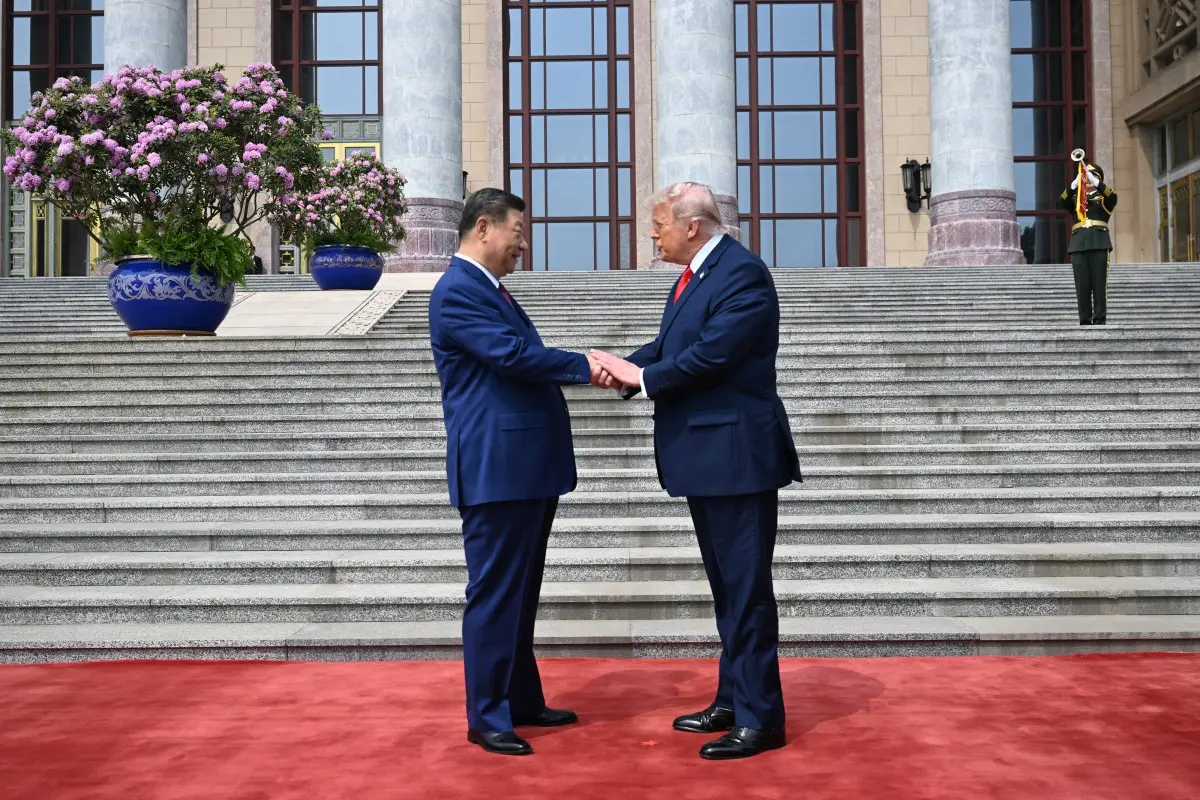
What it means in International relations and geopolitics?
According to Graham Allison’s study, there were 16 instances in the past 500 years where a rising power challenged a ruling power, and 12 of those cases ended in war. The concept now used in foreign policy and strategic studies explains how structural tensions, and not necessarily a single event can push nations toward conflict. However, Allison has also argued that war is not inevitable, pointing out that four historical cases avoided conflict through diplomacy, strategic management and cooperation.
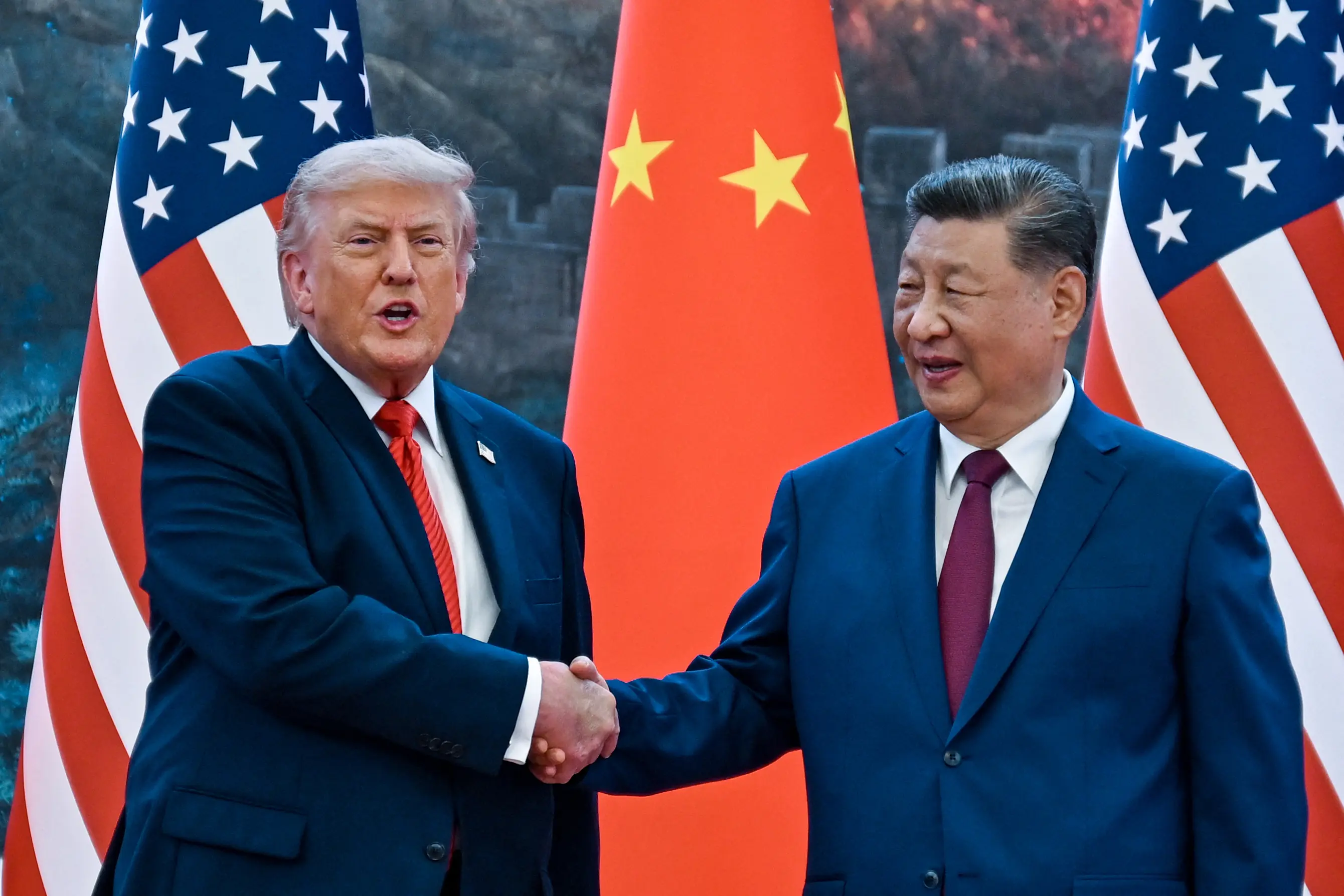
Current context: US-China relations vis-à-vis Taiwan
The concept is now frequently applied to the US-China relationship and Xi himself has used it. China views Taiwan as part of its territory and has repeatedly warned Washington against arms sales and military support to Taipei. During the Beijing summit, Xi cautioned Trump that mishandling the Taiwan issue could push China and the US toward clashes or even conflict, putting bilateral ties in jeopardy. Despite the tensions, Xi stressed that safeguarding peace and stability across the Taiwan Strait remains the biggest common denominator between the two countries. Using this term Xi wants US to understand that it is in the greater good of the global stability that both sides avoid confrontation on Taiwan.
Why is Taiwan a thorny issue between US and China
China claims Taiwan under its "one-China" principle, aiming for reunification and viewing independence efforts as illegal. Taiwan, however, functions as a sovereign state, refusing to be ruled by Beijing. Taiwan is located within the "first island chain," a string of US-friendly territories essential for checking China’s naval expansion in the Pacific. Taiwan also dominates the global supply chain for advanced computer chips, with the TSMC company alone producing over half of the world's market. Control of this industry is vital to both nations' economies.
But under President Xi, China has increased military exercises around the island, while the US has now committed arms sale. While China wants US to stay away from its neighbourhood, America wants to cosy up with Tapei to keep an eye in the South Asian region - thus making it a thorny issue.

)
)

)