Xi-Trump summit: Will the meeting bring a resolution to the war with Iran & end Hormuz blockade?

US President Donald Trump and Chinese President Xi Jinping are set to meet in Beijing as tensions over Iran, the Strait of Hormuz, trade, tariffs and global power rivalry intensify. The summit comes amid fears of economic disruption and energy insecurity.
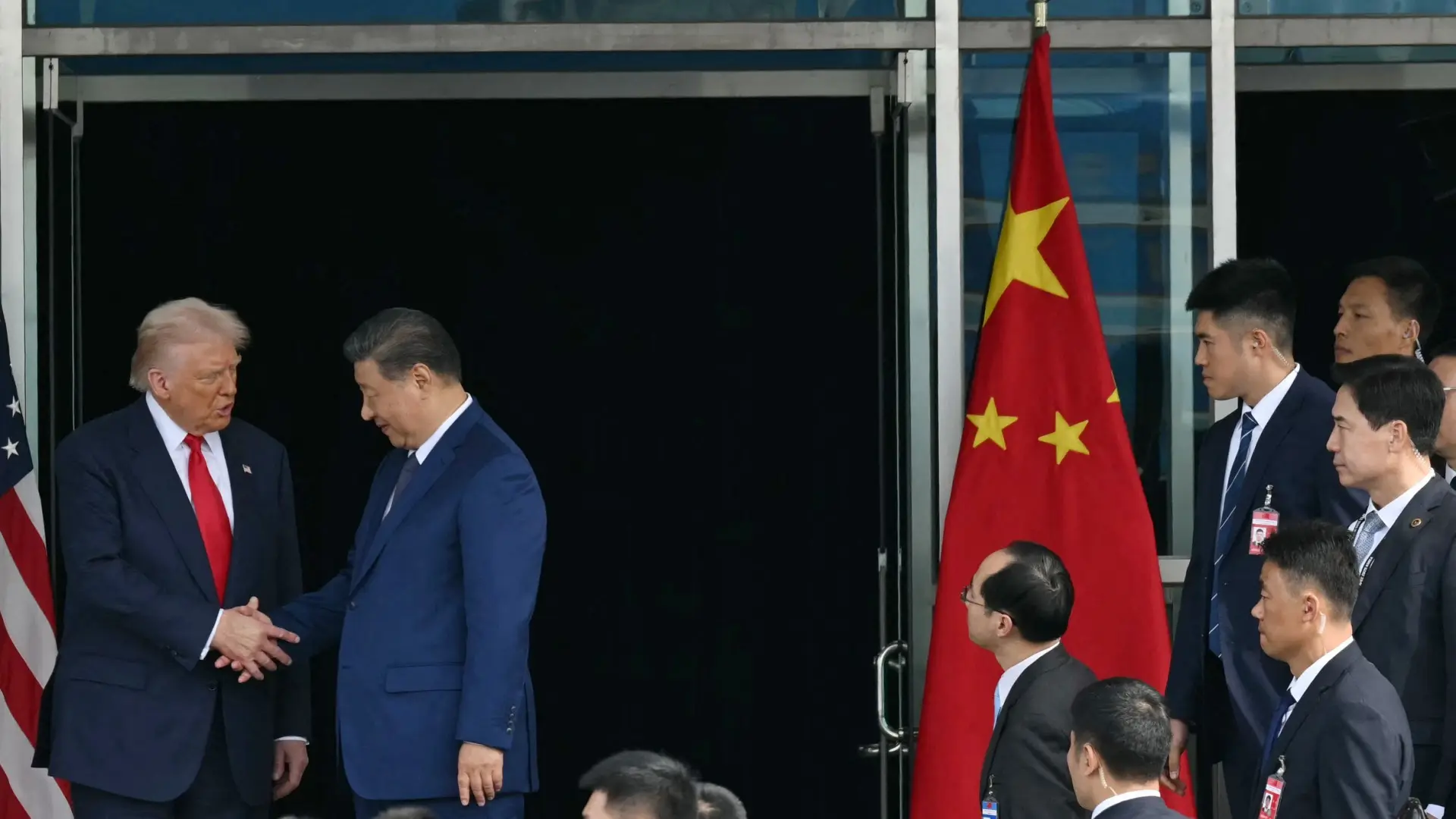
Xi-Trump summit
US President Donald Trump is heading to Beijing first time since 2017 for the much-anticipated Xi-Trump summit. A lot of nations see the US as a grand Leviathan, one that can not be subdued and will wreck everybody in its pursuit. But now, almost a decade later, China, with its policy of non-interventionism, has emerged as the biggest challenger to US-dominated unipolarity. As US President Donald Trump meets Chinese President Xi Jinping, the two nations are likely to discuss many important issues like trade and tariffs, Taiwan, artificial intelligence, the Strait of Hormuz and the war involving Iran. But the discussion around the Strait of Hormuz and the war in Iran seems to be the core interest. The meeting, which was expected to occur in late March and early April, was delayed due to the US-Iran war, so the backdrop of the meeting makes the summit intriguing.
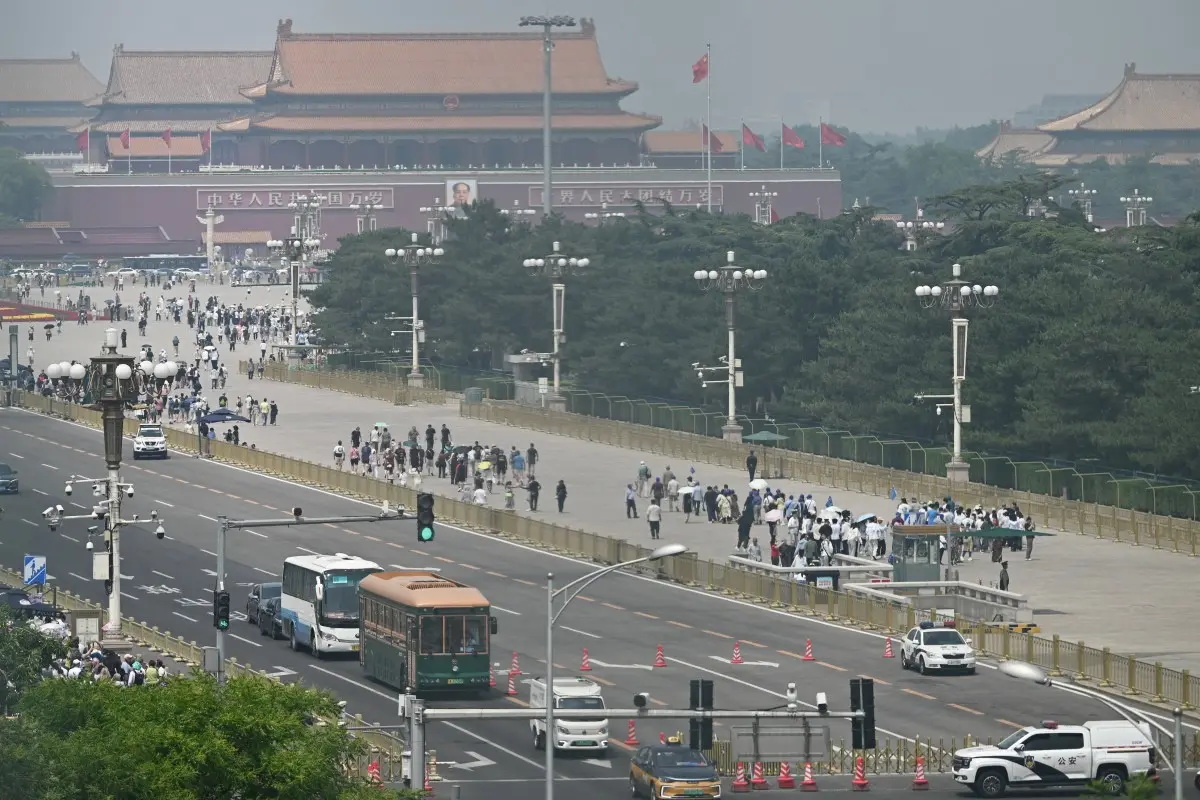
Who are the major players in the US-Iran war, and what do they want?
Iran does not want to go back to the pre-war scenario as it continues to hold the biggest card of the Strait of Hormuz and choke the Global economy by pushing oil prices. Trump managed to check the oil prices using his tactics of announcements and manipulation, but the US has only a finite number of options to control the prices. On the other hand, both Saudi Arabia, Bahrain and the UAE do not want to see Iran control the Hormuz, as all of these are unpopular regimes and have opposing ideologies to Iran. Israel wants to see the war to its bitter end to redraw its boundaries in Lebanon and Syria. The US are stuck because of the petrodollar; if they leave the dominance of the dollar will be under pressure, and GCC nations will start trading in other currencies. China finds itself in a precarious situation as the majority of its cheap energy is coming through the Strait of Hormuz, and the US naval blockade is not as considerate as the Iranians.
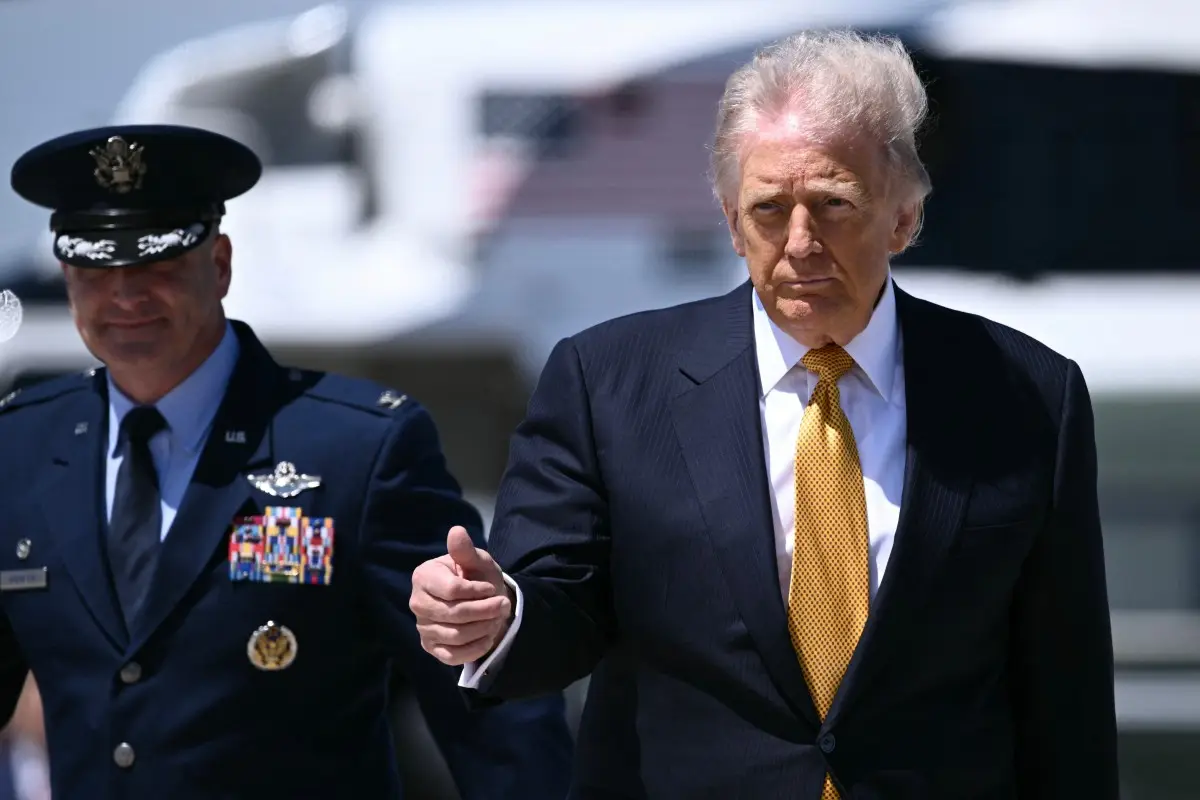
Who has the upper hand in the summit?
US President Donald Trump said he does not need Chinese help to end the war in Iran. "I don't think we need any help with Iran. We'll win it one way or the other, peacefully or otherwise," Trump told reporters on Monday. Theran and Washington are engaged in a war of attrition, and both are pursuing economic strangulation. Washington is using “Economic Fury” to push Iran to the brink like sanctioning Iran linked company, blocking Iranian ports to cost its oil revenue. Though the war has exposed the limits of US military capability, China is also on the edge due to the collapse of crude oil imports. From a neutral perspective its a stalemate. The US does not want to destroy China, because it is important for its debt financing. But it wants to pressure China into an economic settlement, put China in its place. China continues to maintain that the Hormuz should be reopened and freedom of navigation in the international water shall be reestablished.
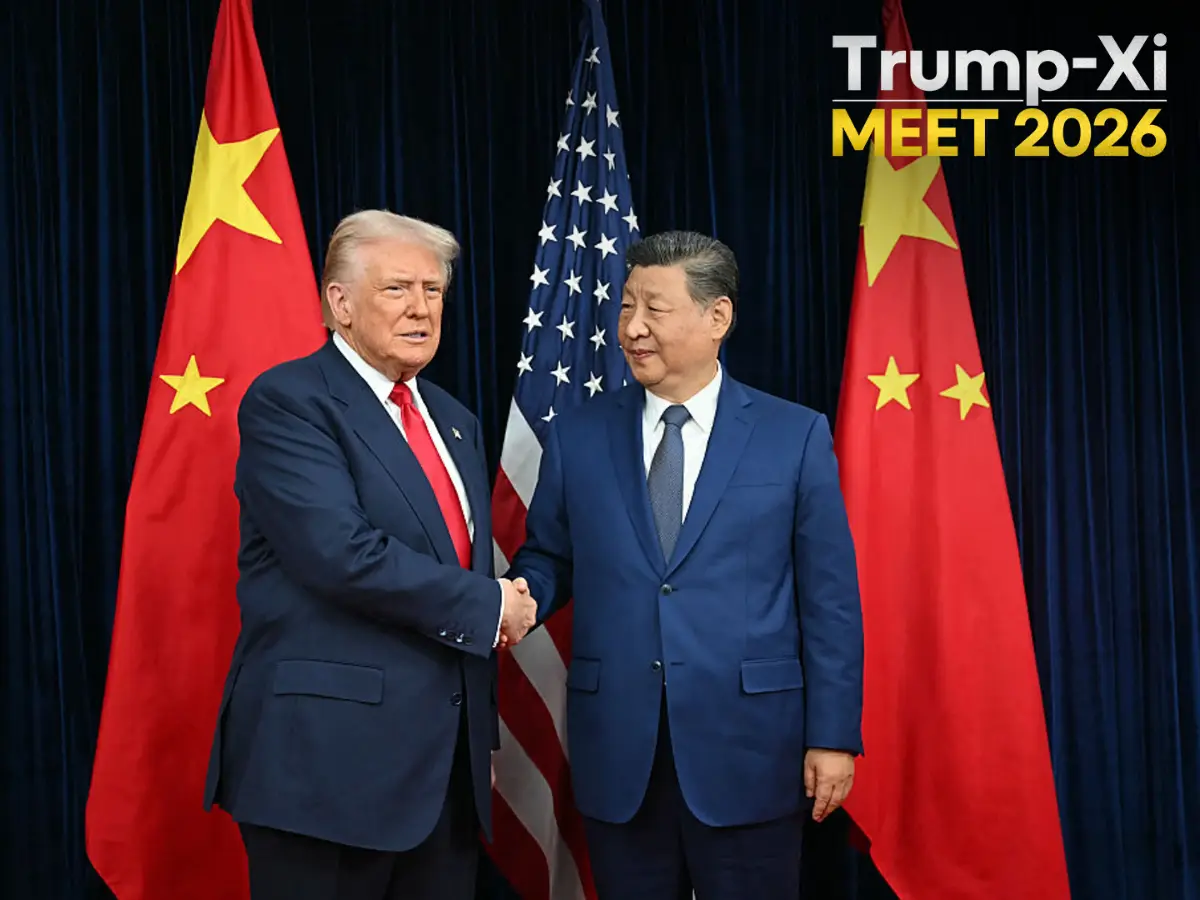
Will the war end and Hormuz be reopened?
It seems unlikely to have any concrete outcome from the summit. They are likely to strike a trade bargain which Trump will use to rally support domestically, and provide relief to US businesses ahead of the midterms in November. China still maintains control over the supply chain of critical minerals, and the US have control over the semiconductor chips; both sides are likely to share their biggest asset with one another. However, China still possesses Russian energy, so it's not completely desperate. Further, China's political and diplomatic influence on Iran seems to be overestimated by US analysts and media. Iran continues to leverage support from both Russia and China, while it acts independently. This is evident from the failure of the diplomatic talks in Islamabad, where FT reports suggest China tried to influence Iran to bring it to the negotiation table. The US has clearly laid out its plan in its National Security Strategy. If the war escalates, the US will likely create multiple flashpoints like China-Japan and North Korea- South Korea. The US will try to implement a blockade on the first island chain in the Pacific and cut off China's access to the Strait of Malacca. It will force China to bypass the naval trade and focus on railroads and the Belt and Road Initiative (BRI), and create a trade block of Eastern European nations and South Asian Nations. While the US wants to establish dominance in the Western Hemisphere, Canada, Mexico, Venezuela, Guena, Cuba, Argentina, and Greenland, as part of the Donroe Doctrine, a Trump corollary of the Monroe Doctrine.
)
)
)
)
)