In pics: Main issues at the 12th World Trade Organization's ministerial conference

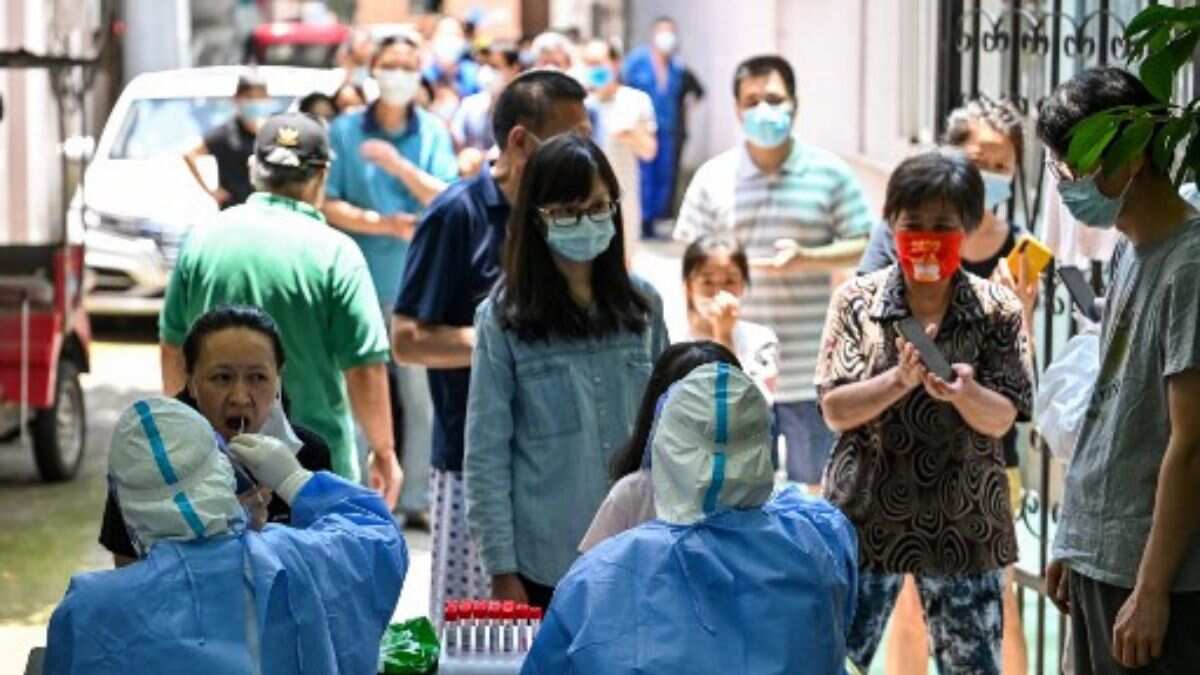
COVID-19 pandemic
In October 2020, India and South Africa asked the WTO for a temporary suspension of intellectual property rights on COVID-19 innovations to aid poorer nations' pandemic responses.
Washington backed the idea of a time-limited IP waiver, but only on vaccines.
With discussions deadlocked, the United States, India, South Africa and the European Union formed a group to negotiate a compromise.
Home to major vaccine manufacturers, the four drafted a compromise text temporarily suspending some patent protections for jabs, which has been submitted to other WTO members.
It would only apply to developing countries and those representing less than 10 percent of annual global COVID-19 vaccine exports thereby excluding China.
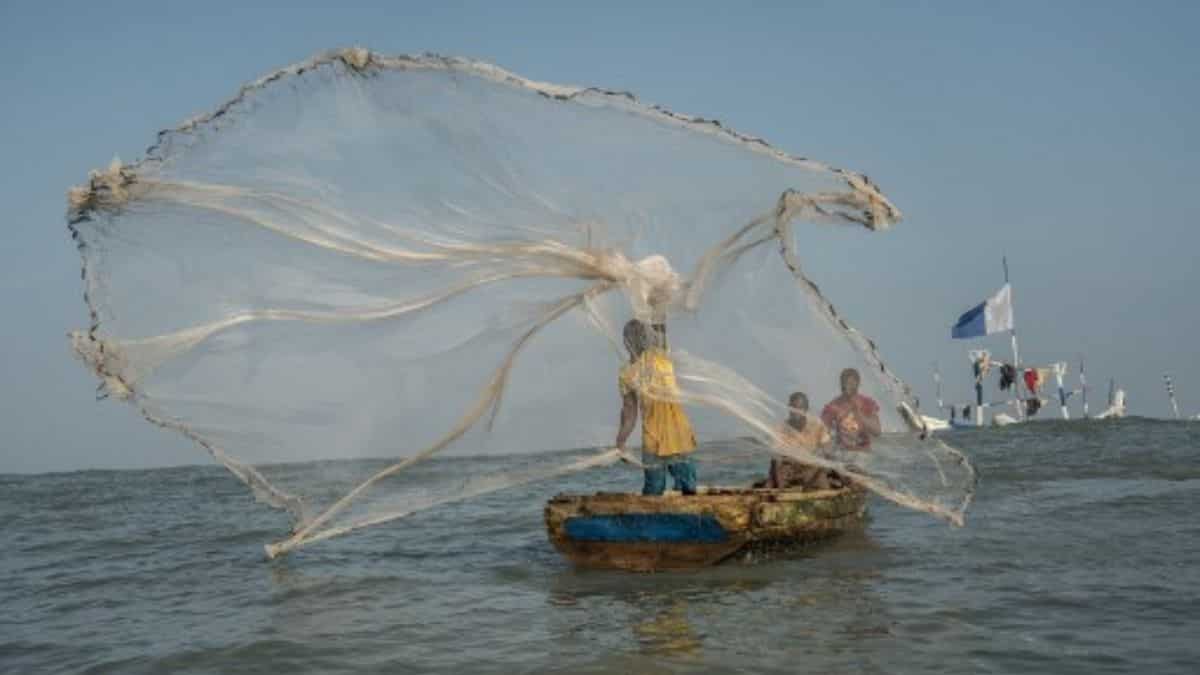
Fisheries subsidies
The WTO has spent more than 20 years negotiating a ban on subsidies that encourage overfishing and threaten the sustainability of world's fish stocks.
Special treatment for the poorest countries is widely accepted, but demands from some self-identified developing countries for exemption from subsidy constraints, including large fishing nations like India, have met resistance.
A draft text sent to the ministers for review would bar exemptions for member states that account for a yet undefined share of production.
Okonjo-Iweala has urged countries to compromise to support small-scale fishing, and "the sustainability of our oceans, which is so important".
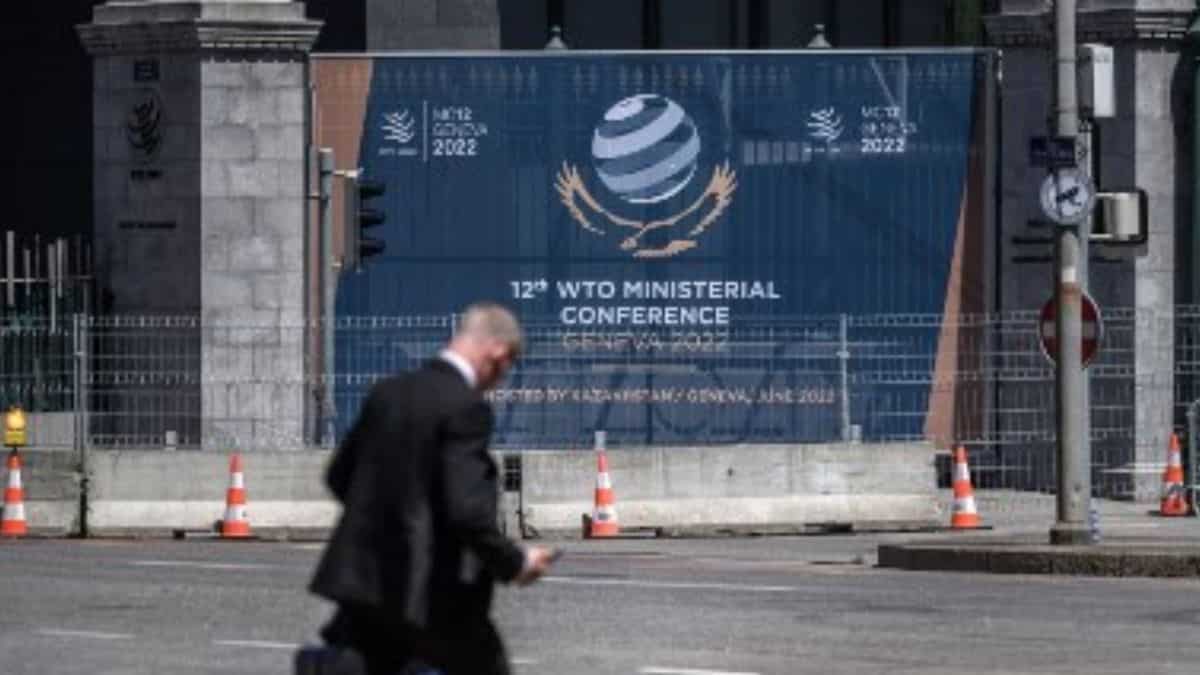
WTO reform
Several members including the United States and the EU, but also many African countries are calling for reform of the WTO.
Rebooting the organisation's dispute settlement system is the most pressing issue, with its appeals tribunal frozen since late 2019 after the United States under former president Donald Trump blocked the appointment of new judges, demanding a dramatic overhaul.
But it has not acted to unblock the situation, and many observers believe a reset is not imminent and there are calls for ministers to act.
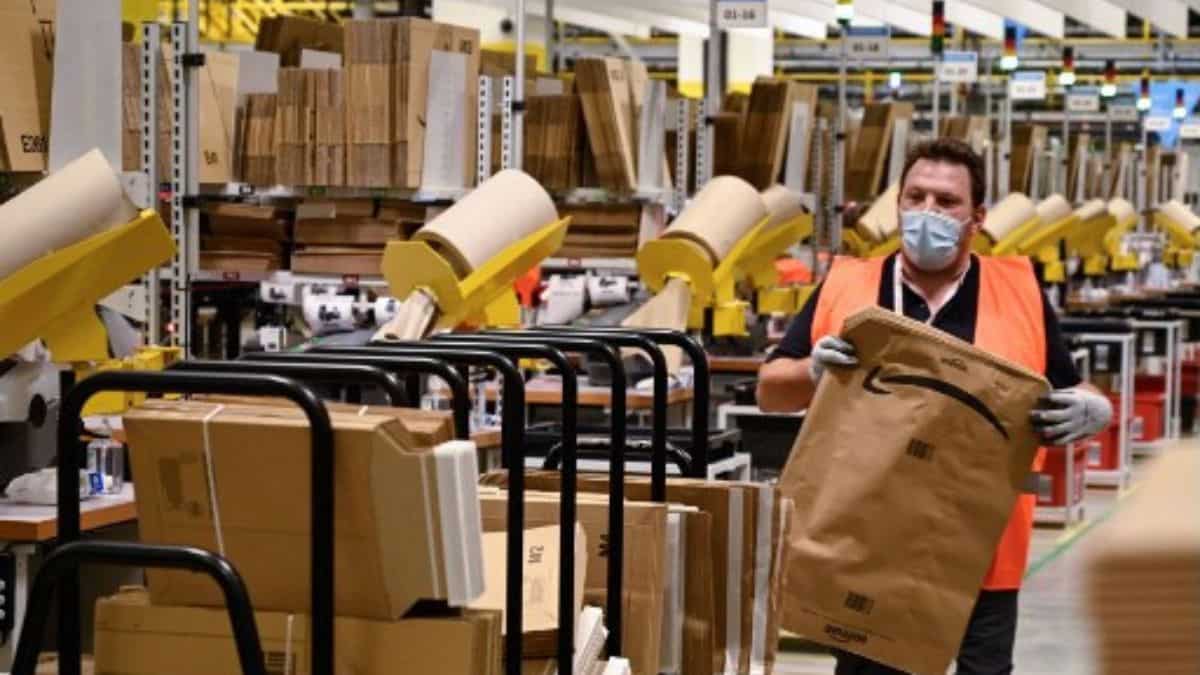
E-commerce
Since 1998, WTO members have agreed not to impose customs duties on electronic transactions.
In Geneva, ministers will decide whether to extend this, as at past ministerial conferences.
But this time a group of countries, led by India and South Africa, are contesting the moratorium, saying it has a negative impact on their customs revenues.
Since 2019, 86 WTO members representing 90 percent of world trade have been negotiating e-commerce provisions.
However, an agreement at the conference is thought unlikely.
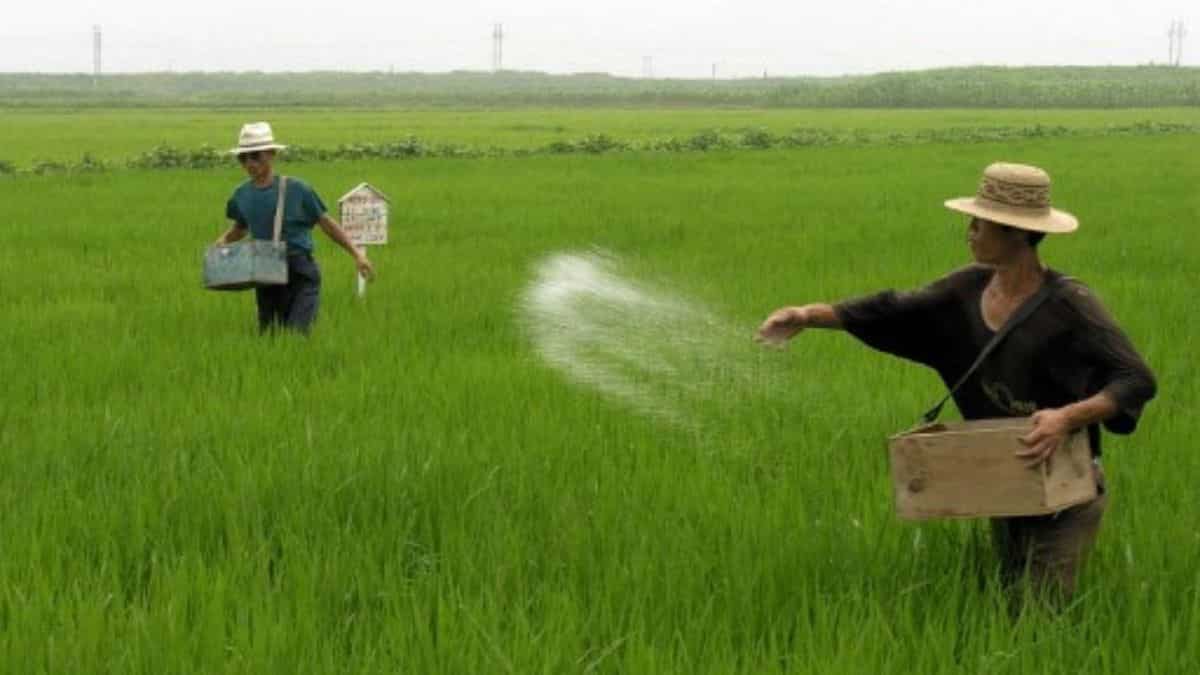
Agriculture and food aid
Several agricultural issues will be on the agenda, with a heightened focus on global food security, which has worsened amid Russia's invasion of Ukraine.
Large agricultural subsidies, blamed for distorting global trade, remain sensitive for rich and developing countries alike.
In 2015, WTO members took the historic decision to eliminate export subsidies for agricultural products. Many now want action on domestic measures that distort trade.
No global agreement is expected imminently.
)
)
)
)
)