Would you survive these planets? 6 horrifying worlds that kill with fire, glass and crushing pressure

Some burn with iron rain, others slice with glass storms, and even our nearest neighbours turn hostile. These exoplanets remind us that survival beyond Earth may not just be difficult, it may be impossible.
Intro
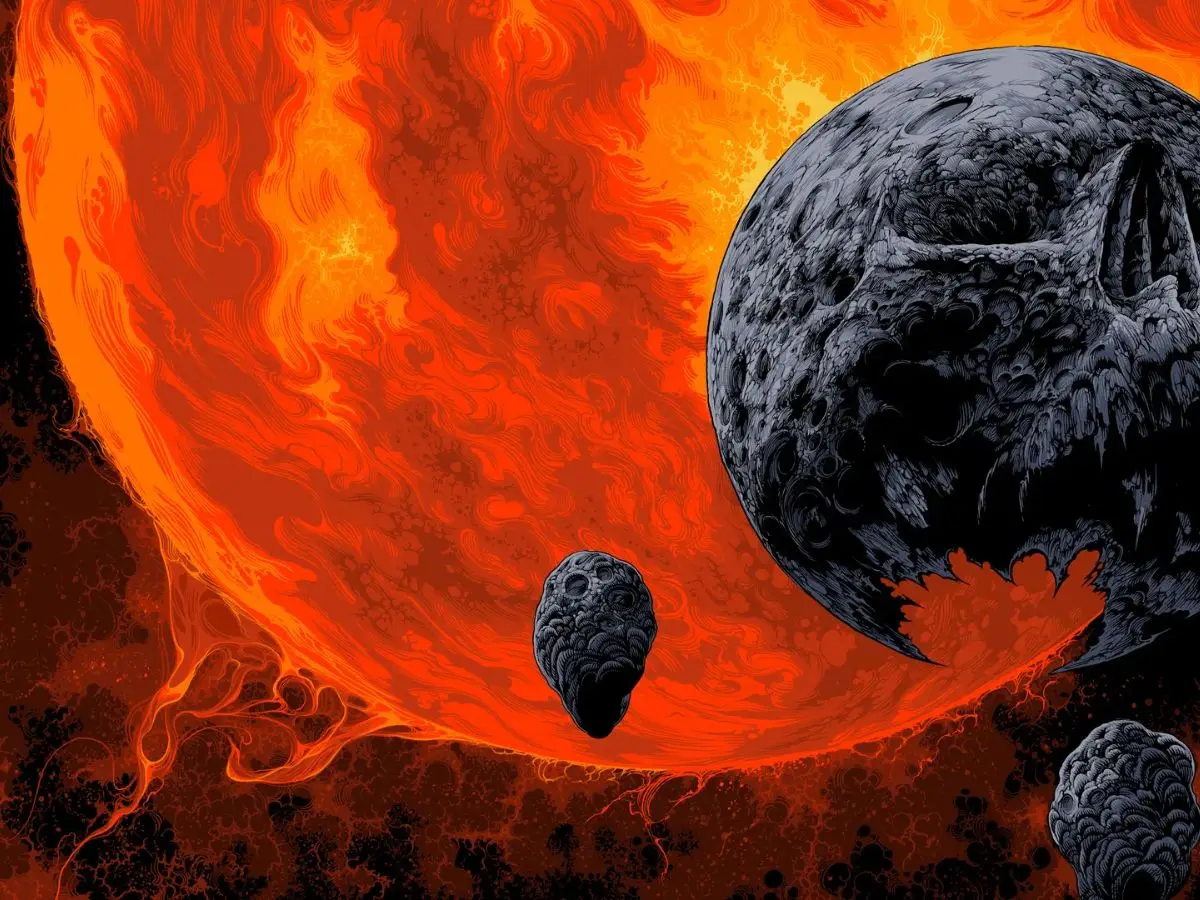
The universe is no gentle frontier. Beyond Earth’s fragile safety lie worlds that are as beautiful as they are brutal, each one a death trap with conditions that defy imagination. Some burn with iron rain, others slice with glass storms, and even our nearest neighbours turn hostile. These exoplanets remind us that survival beyond Earth may not just be difficult, it may be impossible. Here are five of the most terrifying alien worlds where death comes swiftly, bizarrely, and in ways no human could endure.
WASP-76b – The Planet That Rains Molten Iron
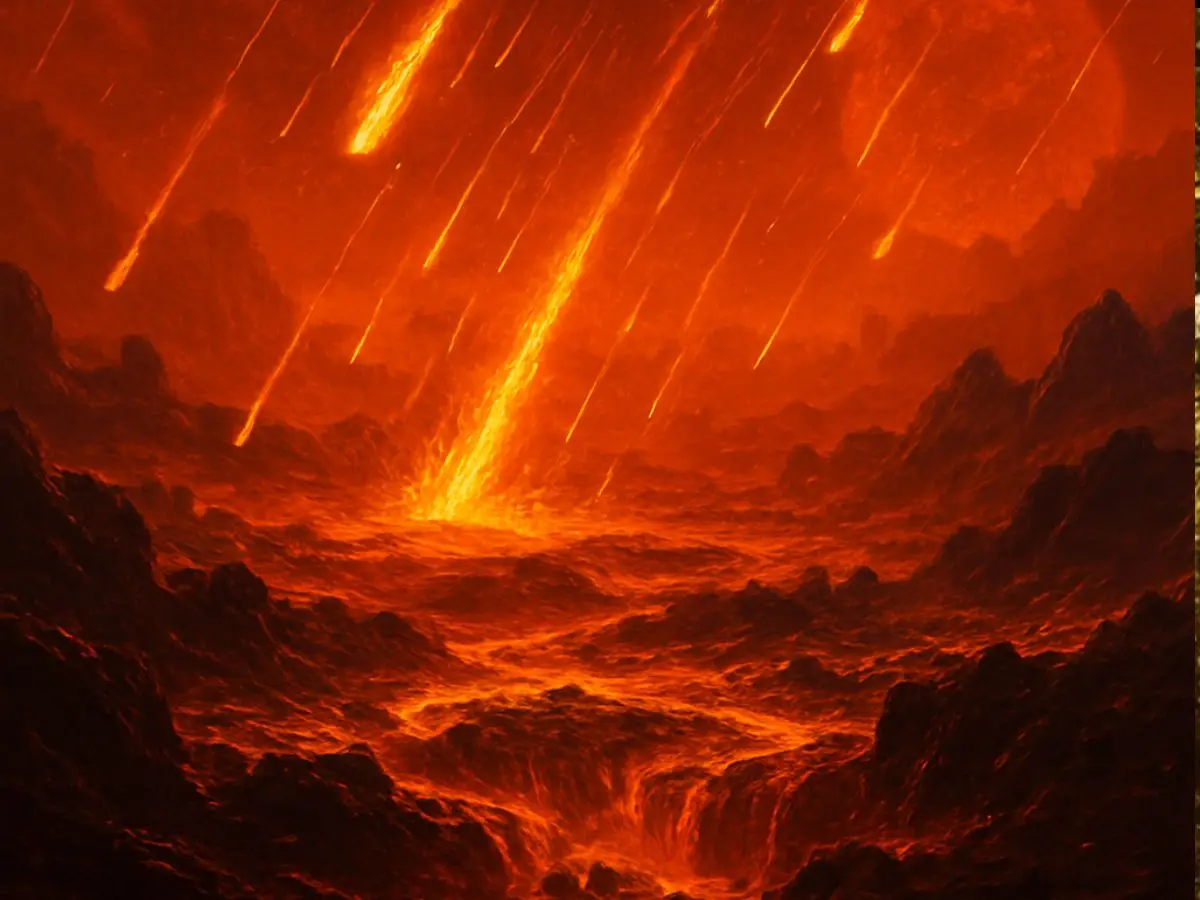
WASP-76b is a hellish world where day and night are sharply divided. The dayside, perpetually facing its star, reaches temperatures over 4,350°F (2,370°C), hot enough to vaporise metals. These vaporised metals are carried by fierce winds to the cooler nightside, where they condense and fall as molten iron rain. Scientists believe the heat is so intense that even steel would melt instantly. If you stood on the boundary between day and night, the contrast would be surreal — fire on one side, molten metal rain on the other.
HD 189733b – Winds That Could Tear You Apart
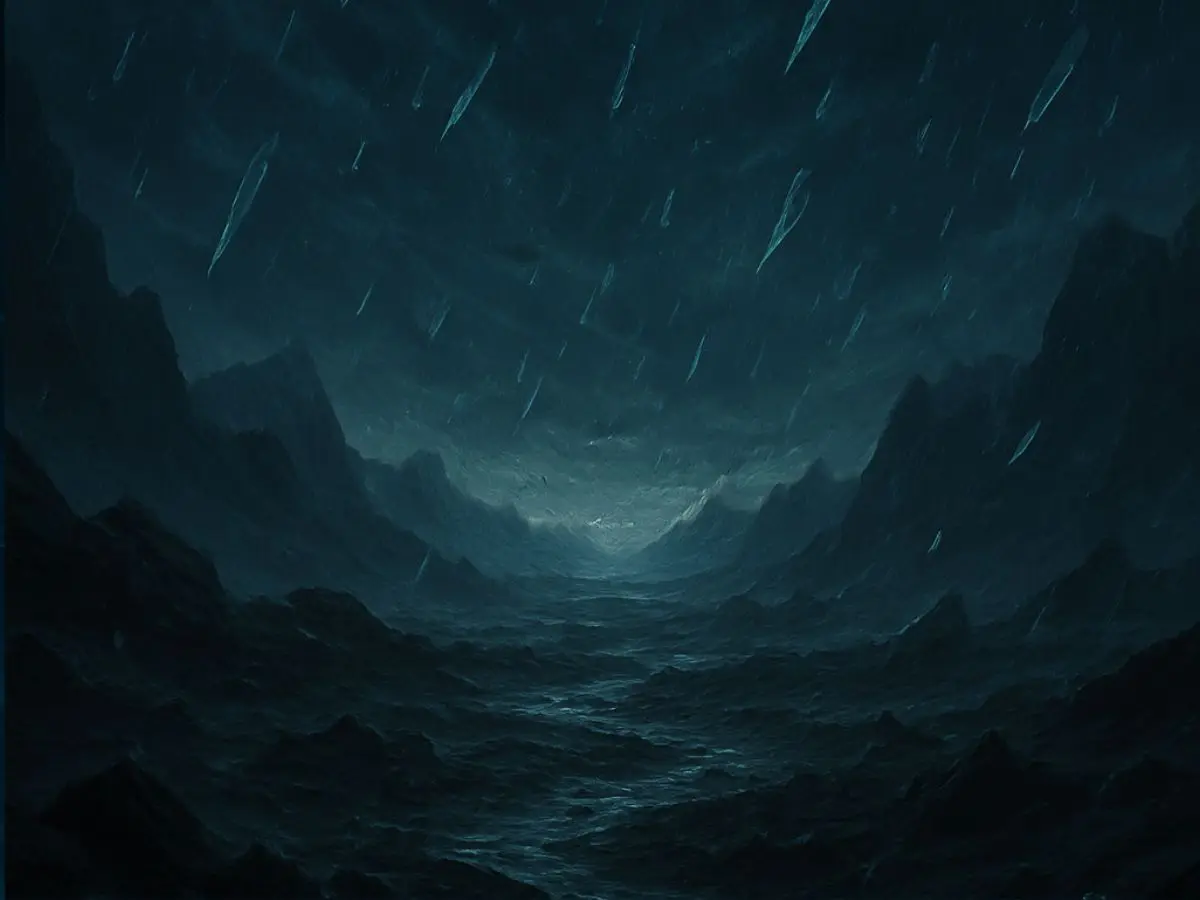
HD 189733b is a gas giant with wind speeds reaching up to 6,000 mph (9,656 km/h), seven times the speed of sound. These supersonic winds carry glass shards that rain sideways, slicing through anything in their path. Surface temperatures range from 1,200 to 1,700°F (649 to 927°C), hot enough to ignite most earthly metals. NASA has described it as a 'slasher planet', where survival wouldn’t last a second. From afar it looks like a blue jewel, but up close it is a world designed to shred and suffocate.
Venus – Earth’s Twin Turned Nightmare
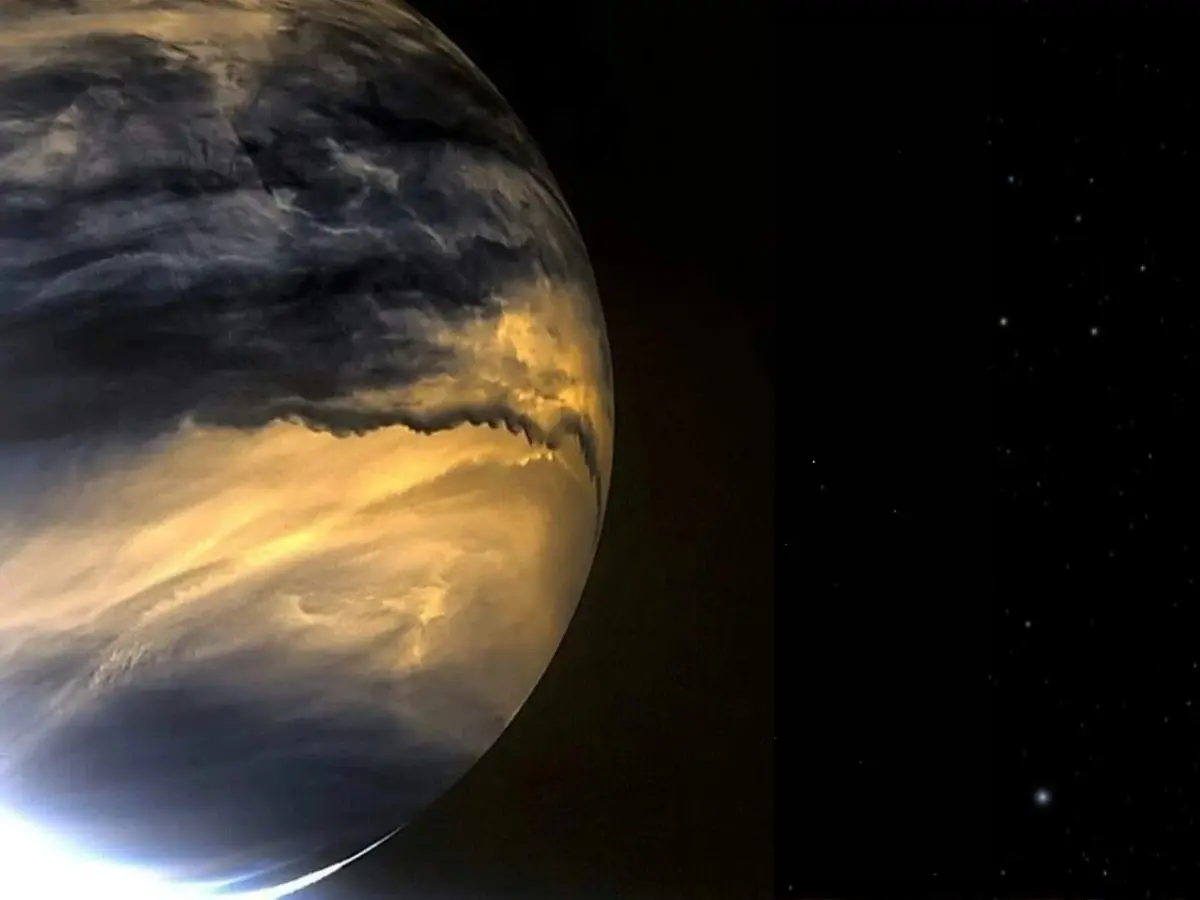
Venus, our neighbouring planet, presents a deadly combination of extreme heat, crushing pressure, and a toxic atmosphere. Surface temperatures soar around 900°F (475°C), hotter than Mercury despite being farther from the Sun. The atmosphere is rich in carbon dioxide, with clouds of sulphuric acid, creating a pressure over 90 times that of Earth’s. A human would be flattened within seconds. Even spacecraft last only a few hours before failing. Venus isn’t just uninhabitable, it is a planetary furnace that destroys everything daring to touch down.
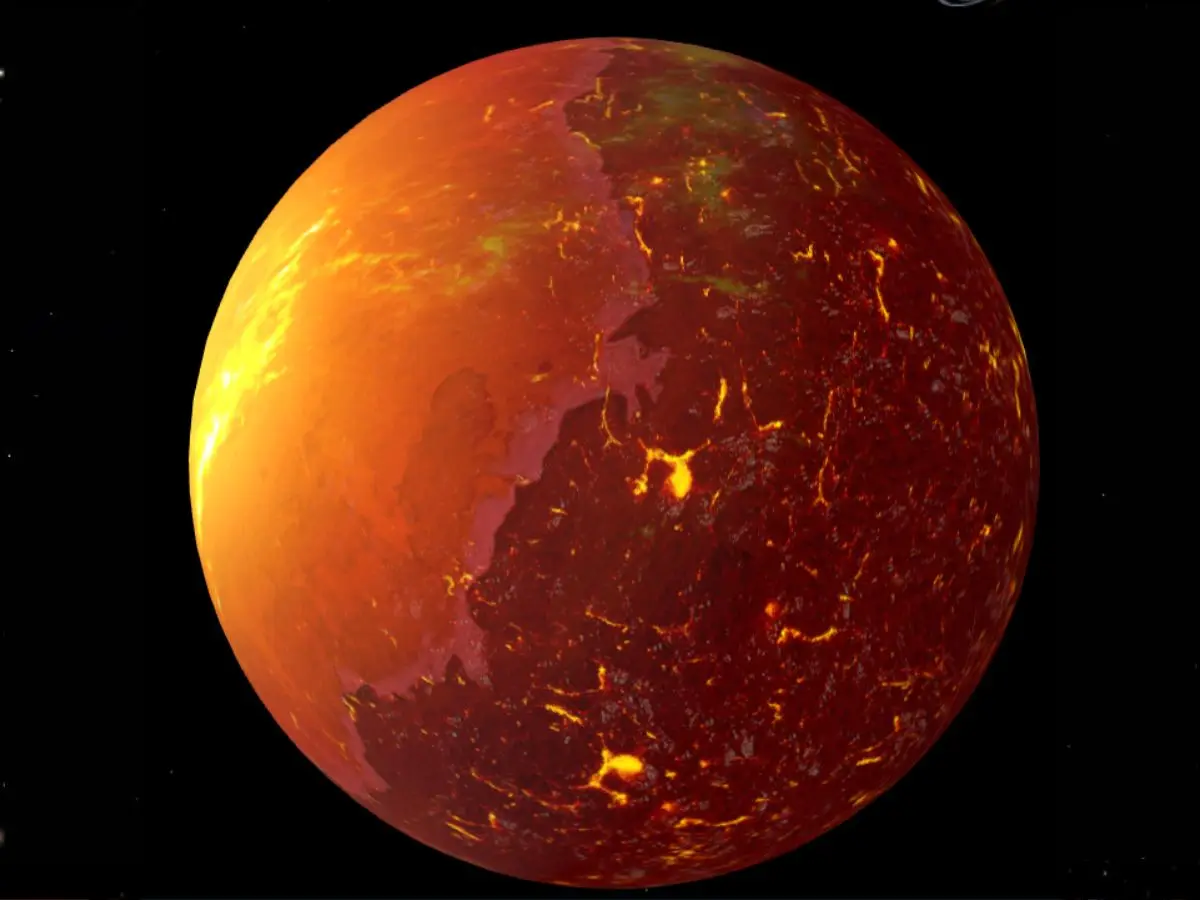
Kepler-70b – The World That Shouldn’t Exist
Kepler-70b is a scorched remnant of a once-massive planet, now reduced to a blistering ember. With surface temperatures soaring to nearly 12,000°F (6,800°C), it is hotter than the surface of most stars. The planet once plunged into the heart of its parent star, surviving the unimaginable, only to be left as a fragment of its former self. Any spacecraft approaching would be instantly vaporised, as even the strongest metals would melt in moments. To stand here, even in imagination, is to stand on the edge of cosmic annihilation itself.
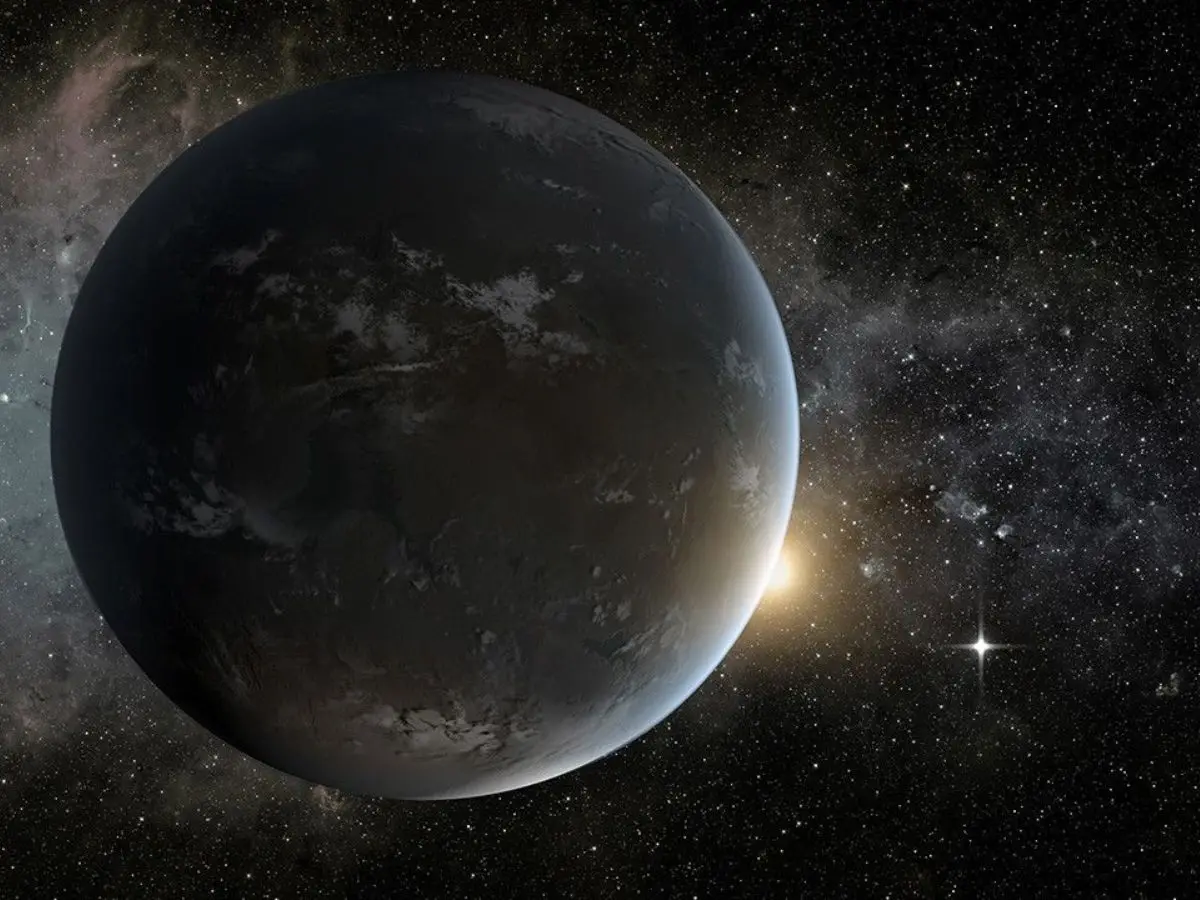
Proxima Centauri b – A World Under Stellar Siege
Proxima Centauri b orbits the closest star to our Sun, Proxima Centauri, which is notorious for violent stellar activity. The planet is regularly bombarded by superflares and stellar winds that strip away its atmosphere, exposing the surface to lethal levels of ultraviolet and X-ray radiation. Even if water once flowed here, it would have long evaporated into space. The skies would glow red under constant solar assault, a reminder that being close to a star can be just as deadly as being too far away.
TrES-2b – The Darkest Planet
TrES-2b is the darkest known exoplanet, reflecting less than 1 per cent of the light that hits it, darker even than coal. Despite its eerie darkness, the planet’s atmosphere is blisteringly hot, with temperatures high enough to vaporise metals. Scientists suspect an unknown chemical in its atmosphere absorbs nearly all starlight, creating an eternal pitch-black void. Imagine standing there: you would see no horizon, no ground, just crushing heat in total darkness. It is a world that swallows both light and life.
)
)
)
)
)