Would you pay to spend a night behind bars? Hyderabad’s unique ‘jail experience’

A “Feel the Jail” programme at Hyderabad’s Chanchalguda jail allows ordinary citizens to live in prison cells, eat jail-style food and experience incarceration. The initiative is aimed at promoting prison reform and rehabilitation efforts.
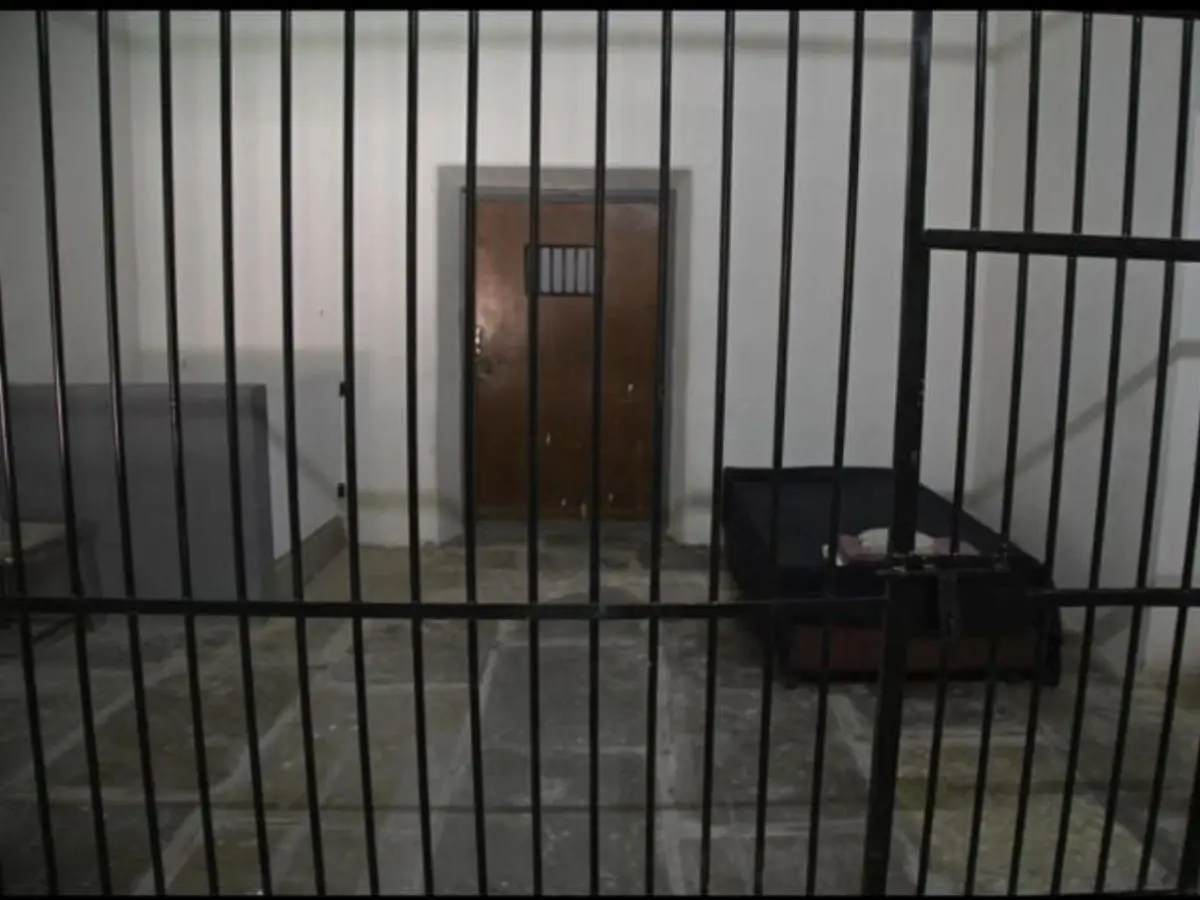
A day as a prisoner/inmate
Hyderabad’s Chanchalguda Central Jail now has a “Feel the Jail” programme where individuals can choose to voluntarily put themselves behind bars. The simulated prison stay offers visitors a glimpse into incarceration.
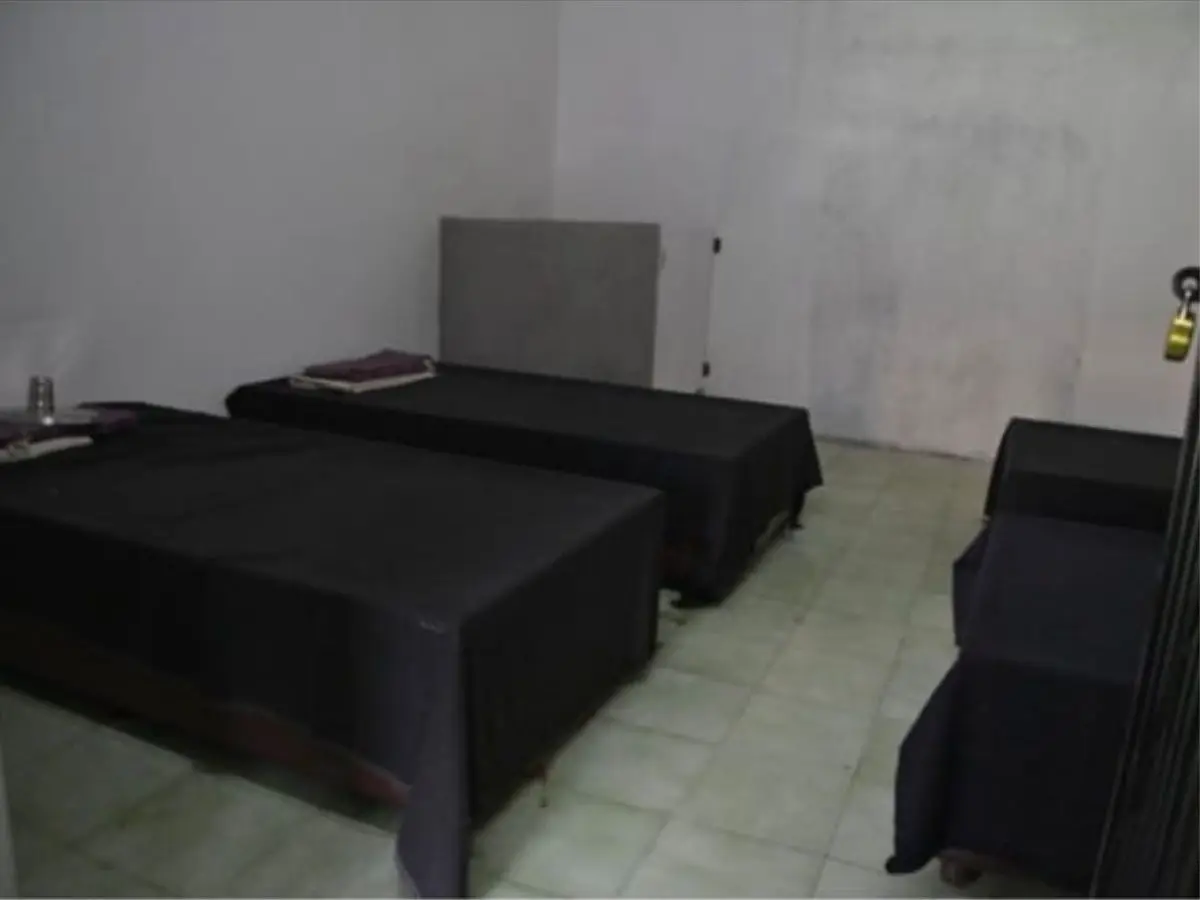
‘Jail Anubhavam’
Launched by the Telangana Prisons Department, the “Jail Anubahavam” programme allows guests to stay in specially designed prison-style barracks, wear jail uniforms, eat standard jail meals and follow the prison’s strict schedule. The iron-grilled cells feature a minimal setup with only essentials like beds with blue bed sheets, earthen pots for water and a washroom area.
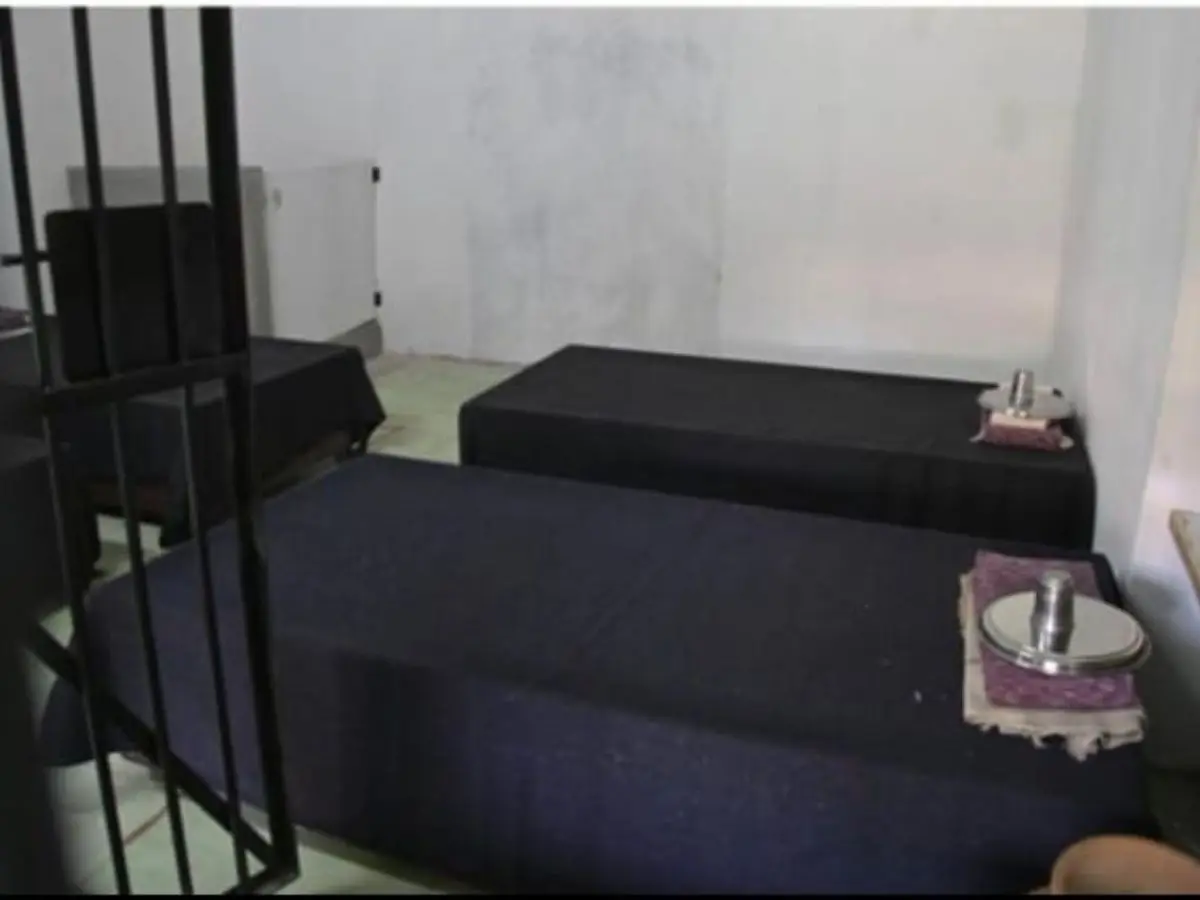
Prison life simulation
One can opt for a 24-hour stay priced at Rs 2,000 or a shorter 12-hour stay for Rs 1,000. The facility has different types of prison cells, including distinct women’s barracks, high security enclosures and dark cells. The "inmates" also face restrictions like no mobile phones or internet, no interaction with inmates without permission and no unauthorised movements.
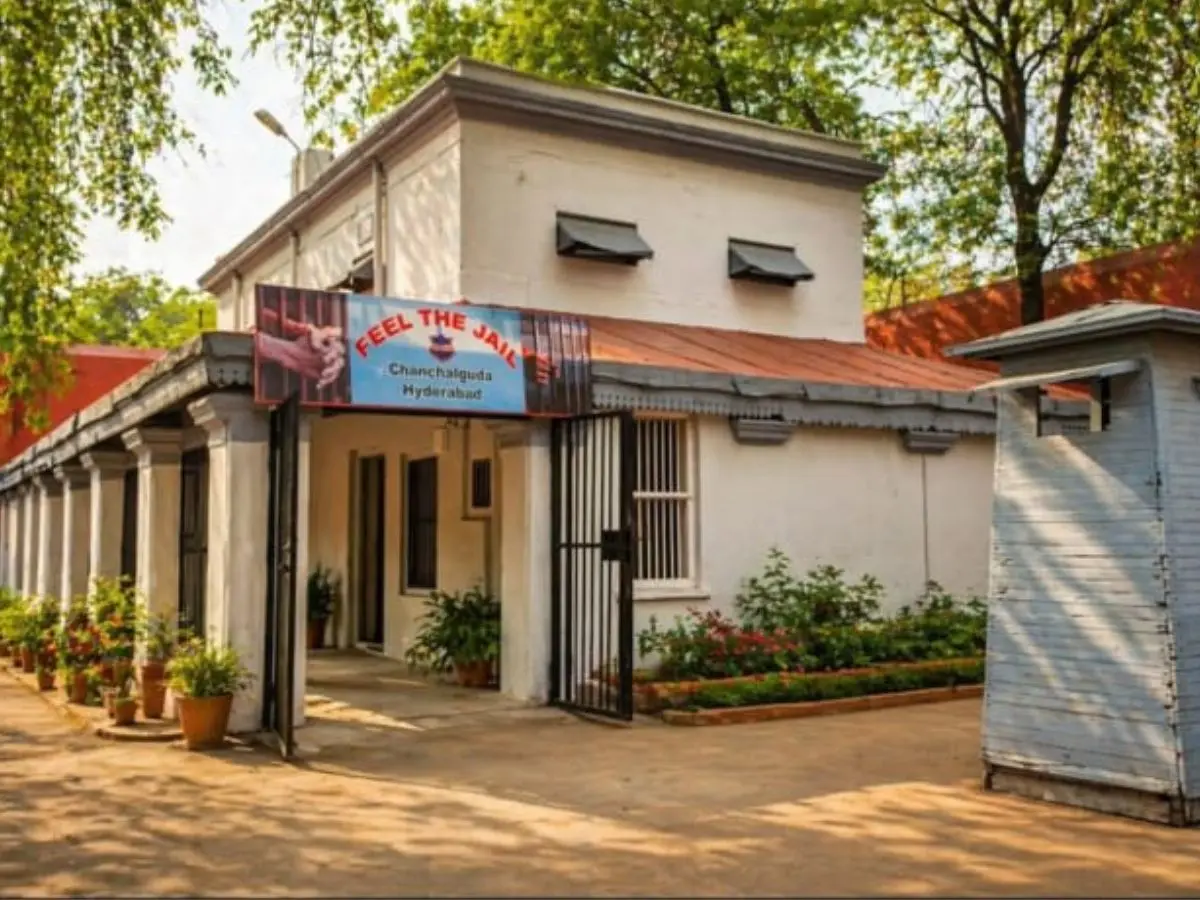
Correctional discipline
The rigorous routine includes wake-up calls, yoga sessions, and vocational training. The programme reflects the evolution of prisons in India from colonial-era punishment spaces into correctional institutions focused on reform and rehabilitation.
Awareness-driven initiative
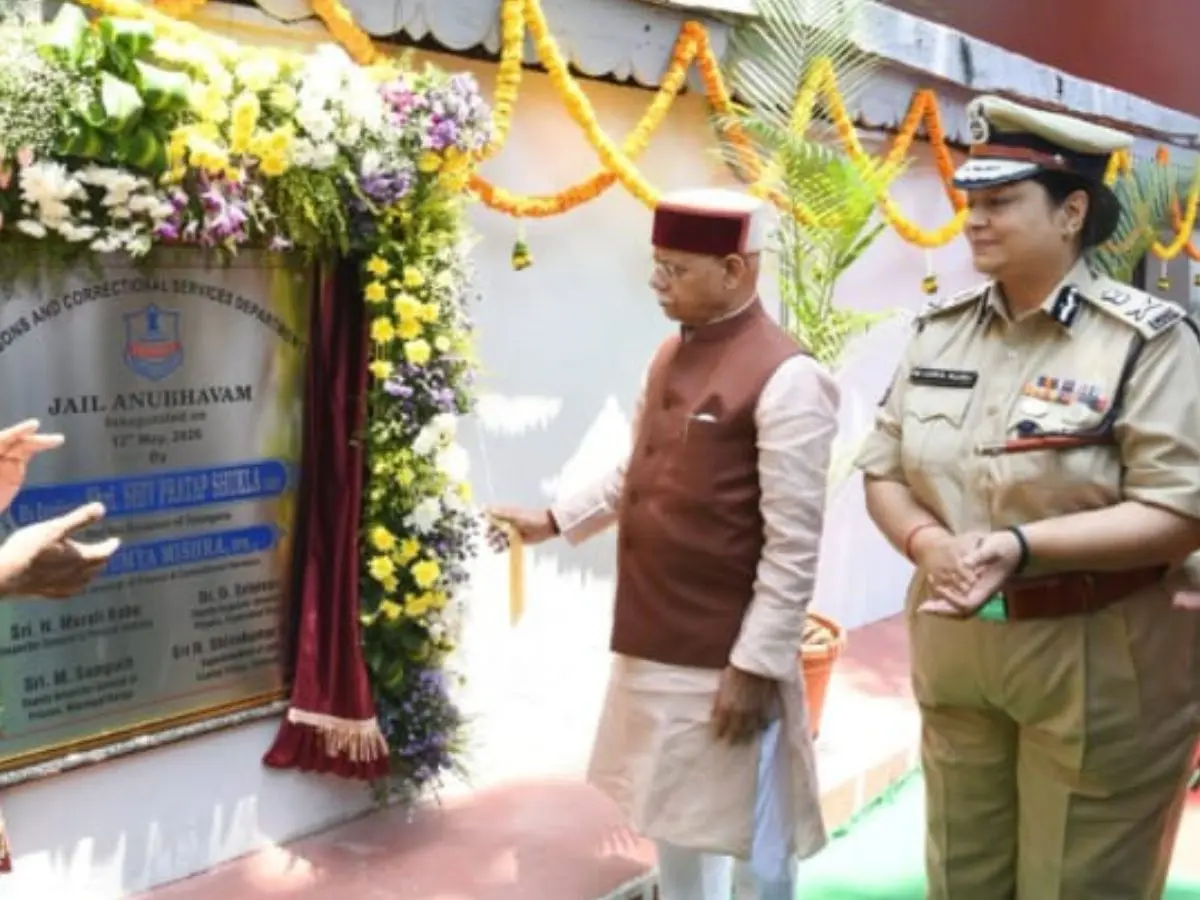
The initiative aims to raise awareness of prison reforms and rehabilitation efforts. It intends to educate the public about prison systems, social responsibility and inmate rehabilitation. The “Jail Anubhavam” experience was inaugurated along with the new Telangana Jail Museum by Telangana Governor Shiv Pratap Shukla at the State Institute of Correctional Administration (SICA), Chanchalguda.
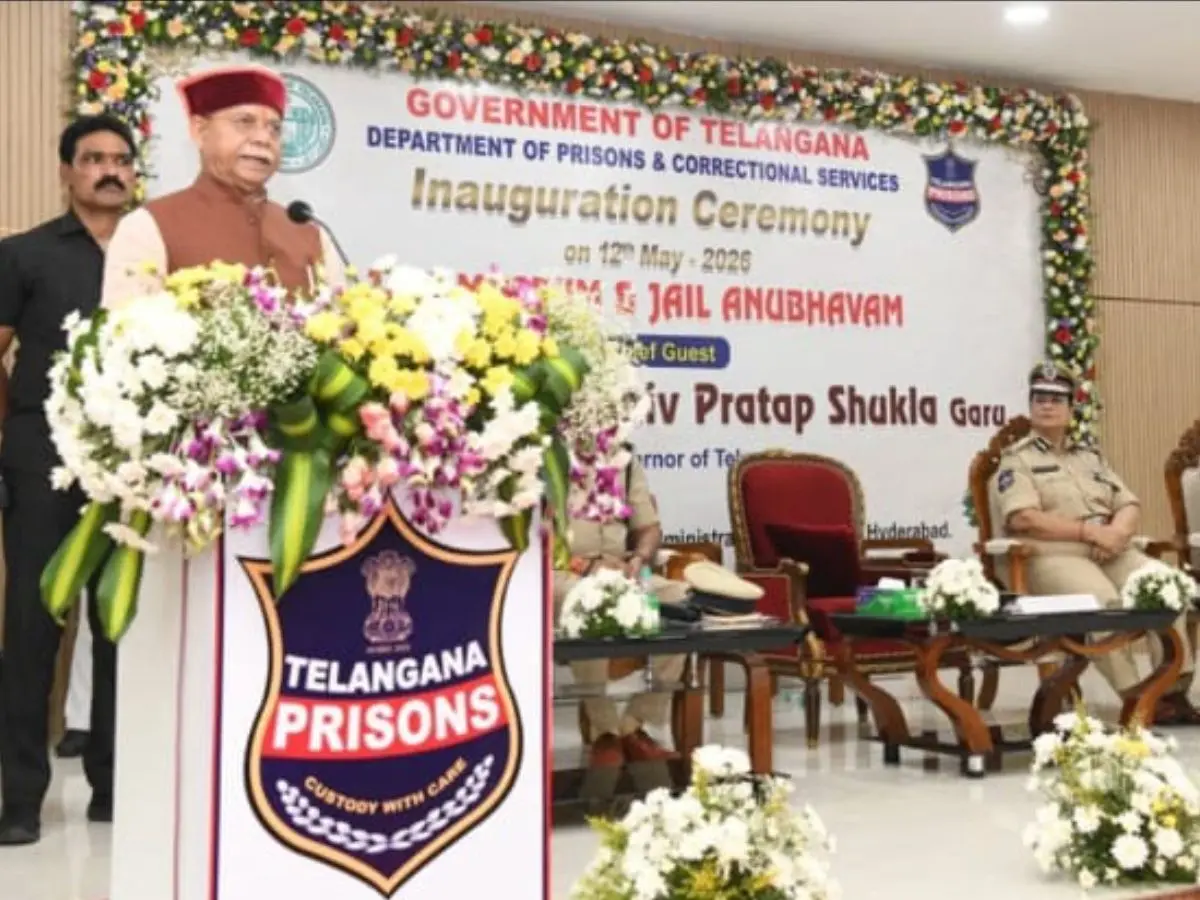
Telangana Jail Museum
The Jail Museum showcases the evolution of prison systems and features a special section on the contribution of inmates to the construction of the Nagarjuna Sagar Dam. It also displays vintage exhibits such as original utensils used by prisoners decades ago and heavy machinery once used for manual labour such as flour-grinding stones and handlooms.
)
)
)
)
)