Would a mini black hole vaporise you? NASA explains the surprising truth

This theory predicts that black holes emit radiation due to quantum effects near their event horizons, causing them to lose mass and shrink over time.
The intrigue of mini black holes
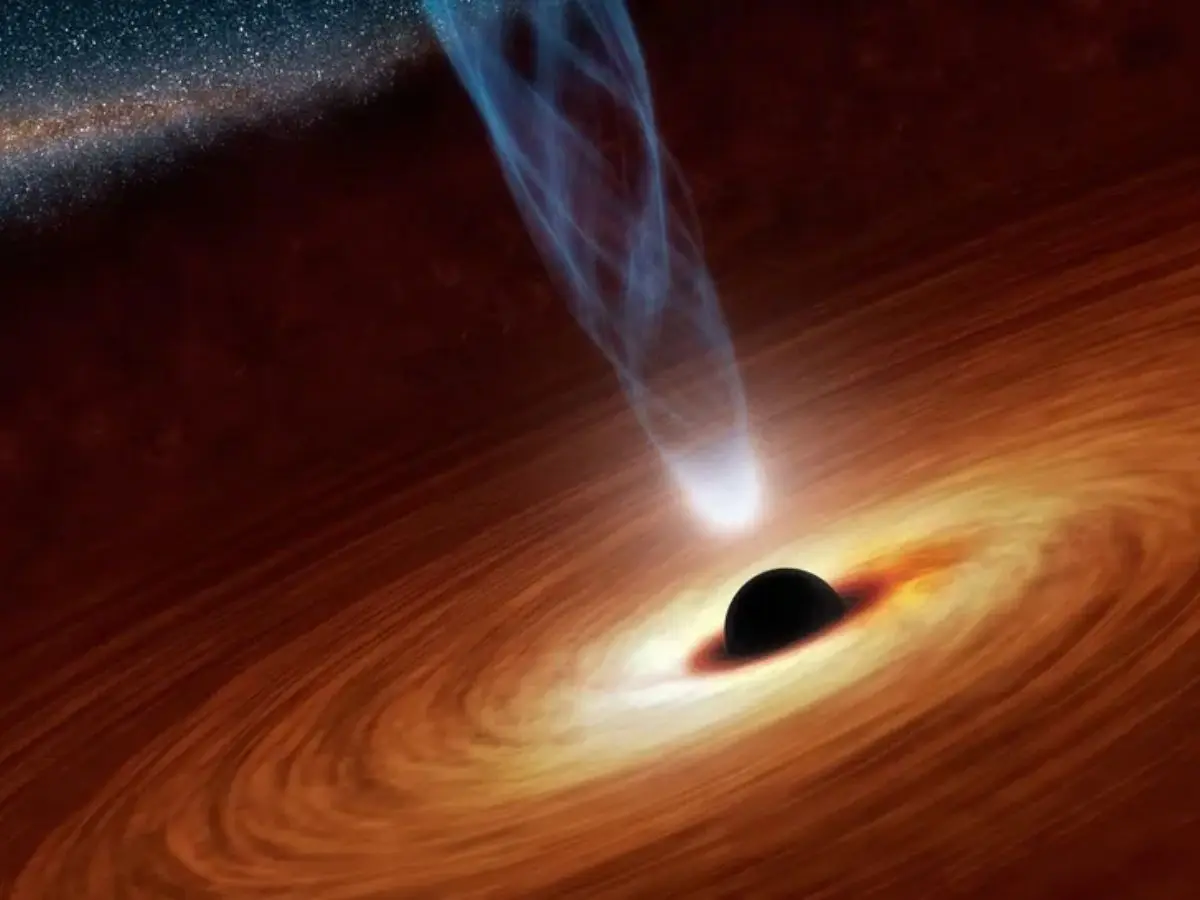
Mini black holes, also called micro black holes, are hypothetical objects far smaller than the stellar black holes formed from collapsing stars. Scientists have theorised that such tiny black holes could have formed in the early universe from high-density fluctuations. Unlike their massive counterparts, these black holes would be minuscule, possibly subatomic in size, but still retain mass and gravity. The question arises: if one appeared on Earth, could it vaporise a person instantly?
Understanding their physics
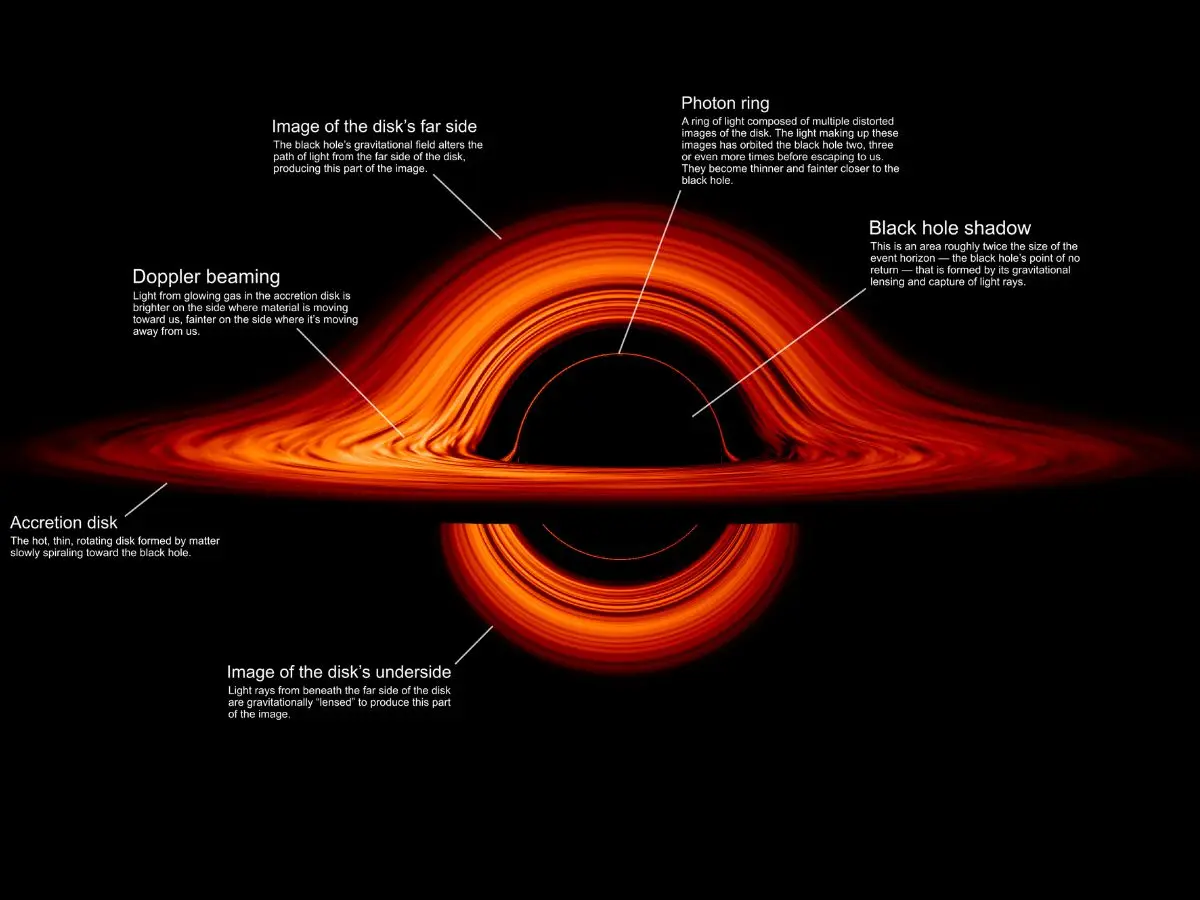
The behaviour of mini black holes is governed by both general relativity and quantum mechanics. The most important concept is Hawking radiation, proposed by Stephen Hawking in 1974. This theory predicts that black holes emit radiation due to quantum effects near their event horizons, causing them to lose mass and shrink over time. Unlike large black holes, which take billions of years to evaporate, mini black holes would radiate energy at an extreme rate.
Primordial black holes
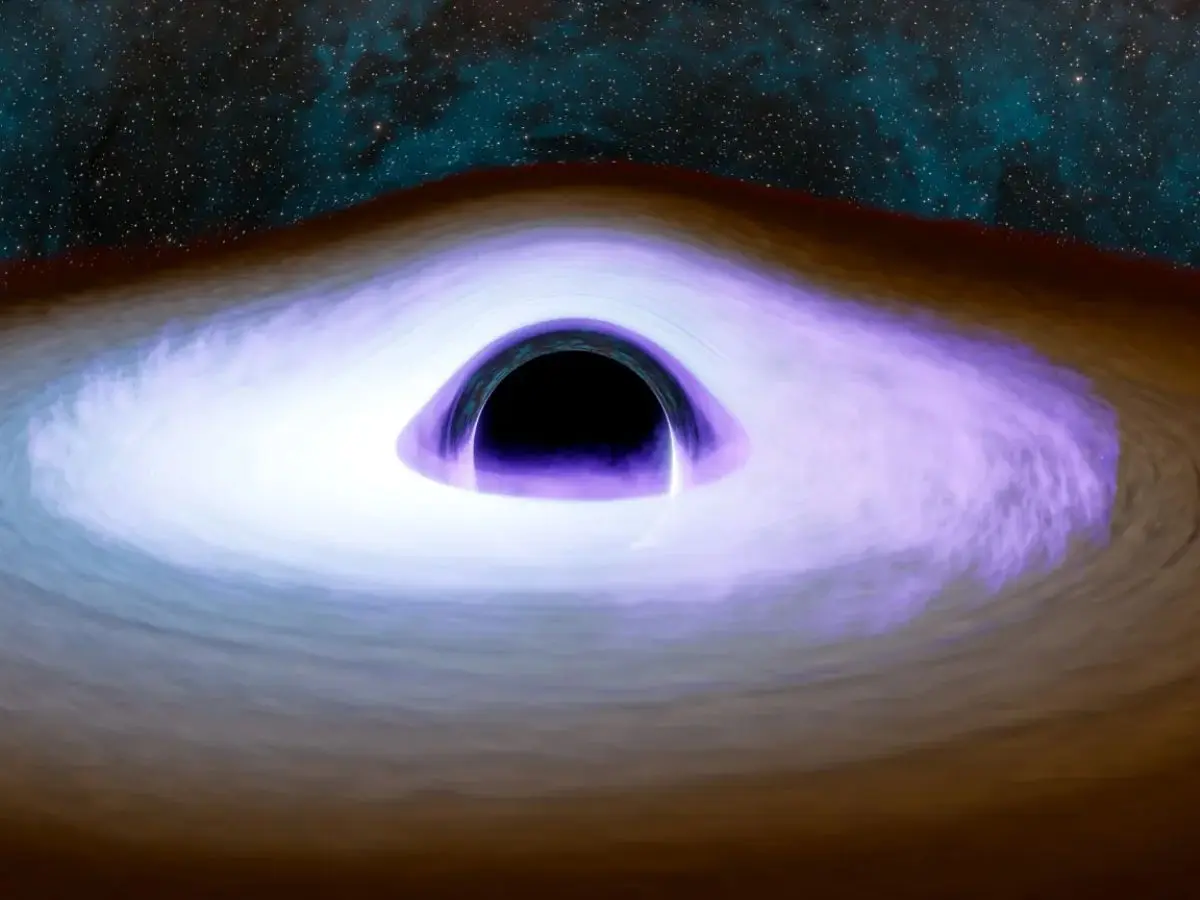
Most black holes in today’s universe form when massive stars, at least 20 times bigger than the Sun, run out of fuel and collapse under their own gravity. These are known as stellar black holes. But there’s another type that scientists believe could have formed in the first moments after the Big Bang, primordial black holes (PBHs). These are purely theoretical and range in mass from a fraction of an atom’s weight to several times the mass of Earth. NASA explains: “At that moment, pockets of hot material may have been dense enough to form black holes, potentially with masses ranging from 100,000 times less than a paperclip to 100,000 times more than the Sun’s. Then, as the universe quickly expanded and cooled, the conditions for forming black holes this way ended.” Some physicists theorise that these black holes may still be drifting through space, possibly even passing through Earth without causing harm.
Rapid evaporation
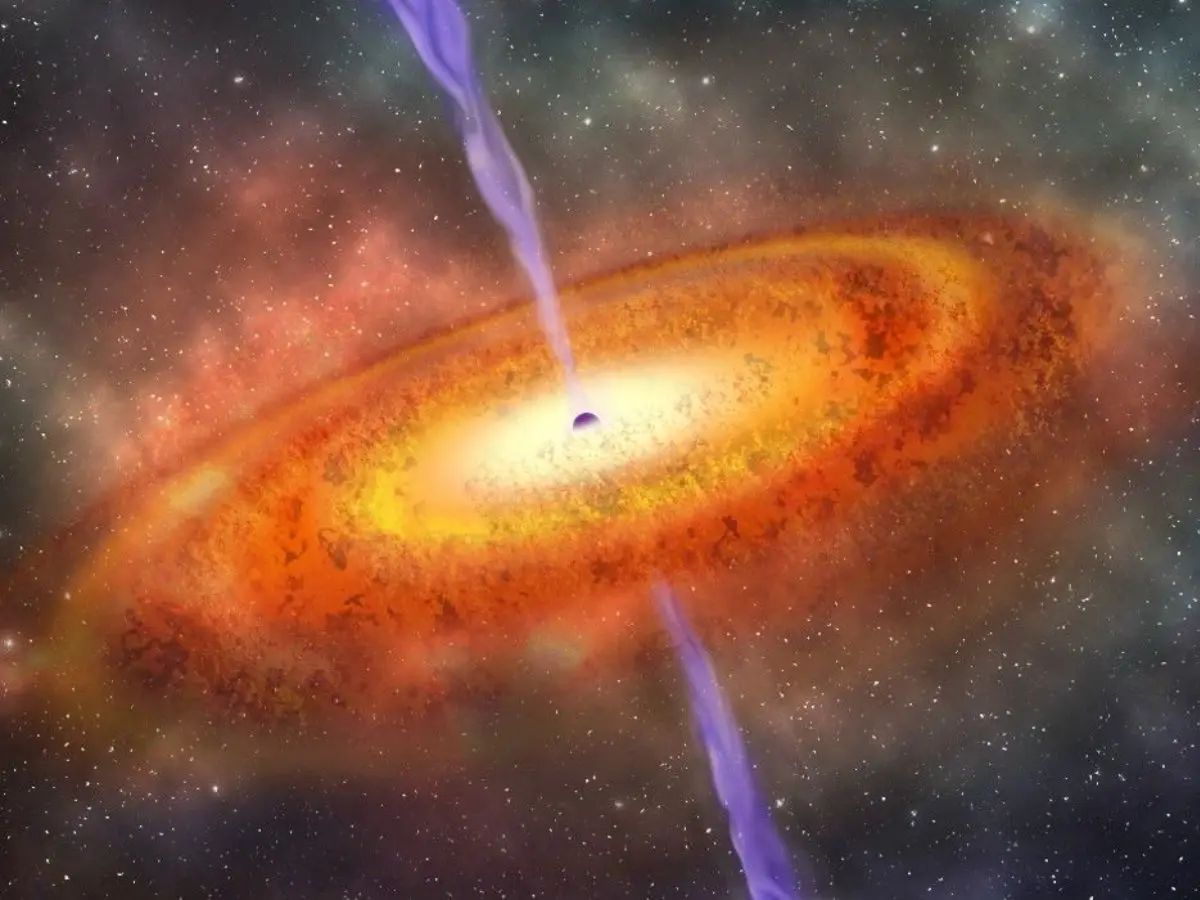
For a small black hole, the rate of Hawking radiation increases as the mass decreases. A micro black hole with a mass of around 10^12 kilograms could evaporate in a fraction of a second. This means that any mini black hole would exist only briefly, disintegrating before it could interact meaningfully with its surroundings. The smaller the black hole, the faster this evaporation occurs, making the lifespan of these objects extraordinarily short.
Gravitational effects
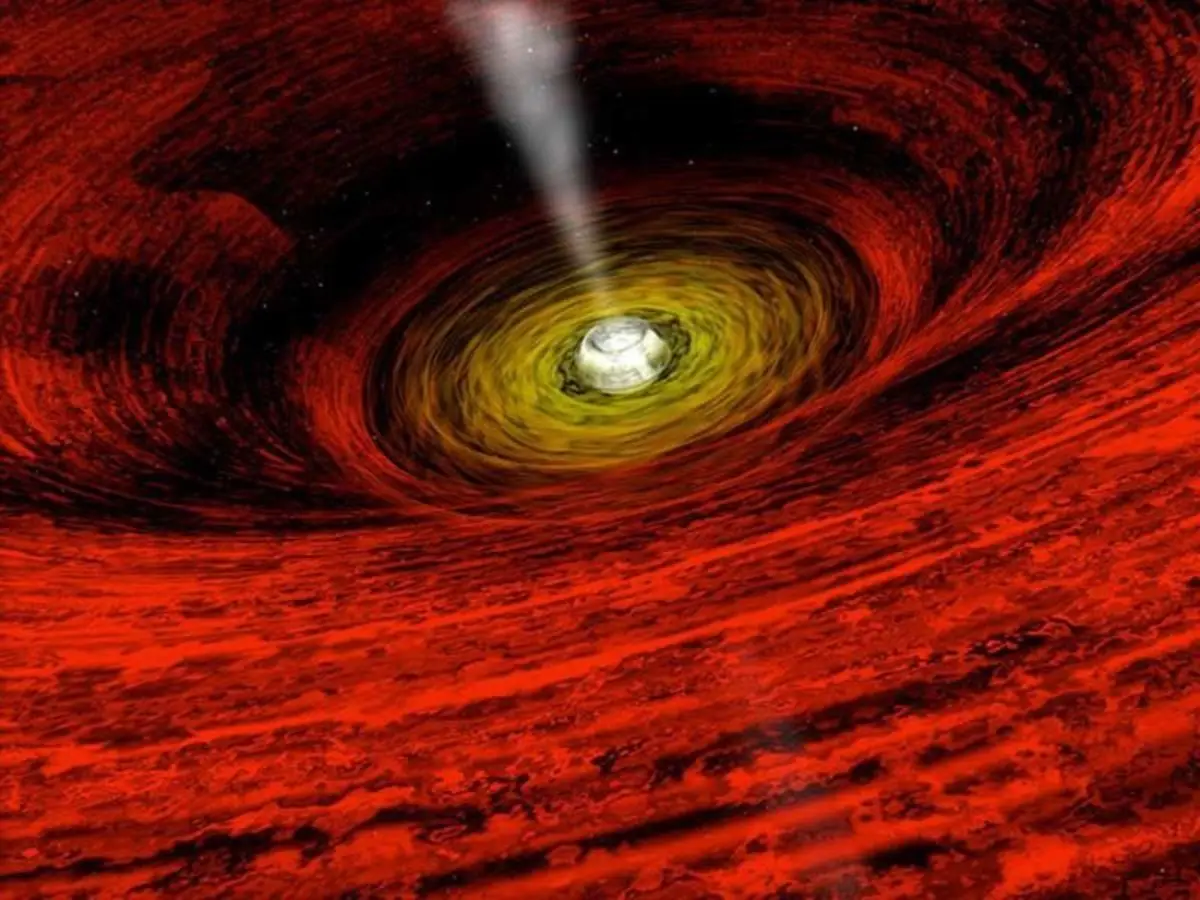
Even though black holes are known for their immense gravitational pull, a mini black hole’s tiny size limits the range of its influence. Its gravity would be significant only extremely close to its event horizon. Given the rapid evaporation, the black hole would vanish long before it could pull in matter on a macroscopic scale, making the chance of catastrophic effects virtually zero.
Hawking radiation and safety
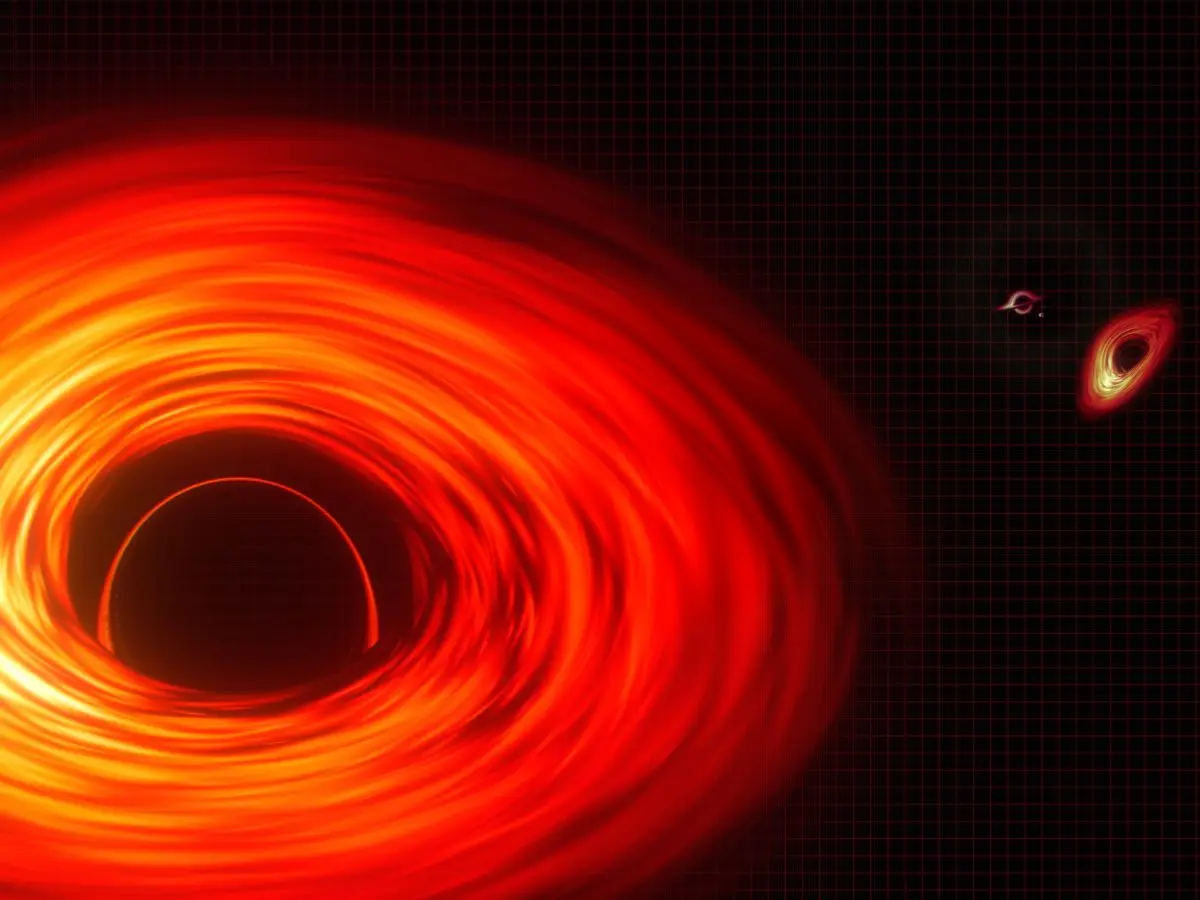
The energy emitted through Hawking radiation is spread over the brief existence of the black hole. Although theoretically intense, it is unlikely to pose a threat to humans or the environment because the radiation disperses quickly and the black hole evaporates almost instantly. NASA physicists emphasise that any encounter with a micro black hole would be far less destructive than popular imagination suggests.
Probability of occurrence
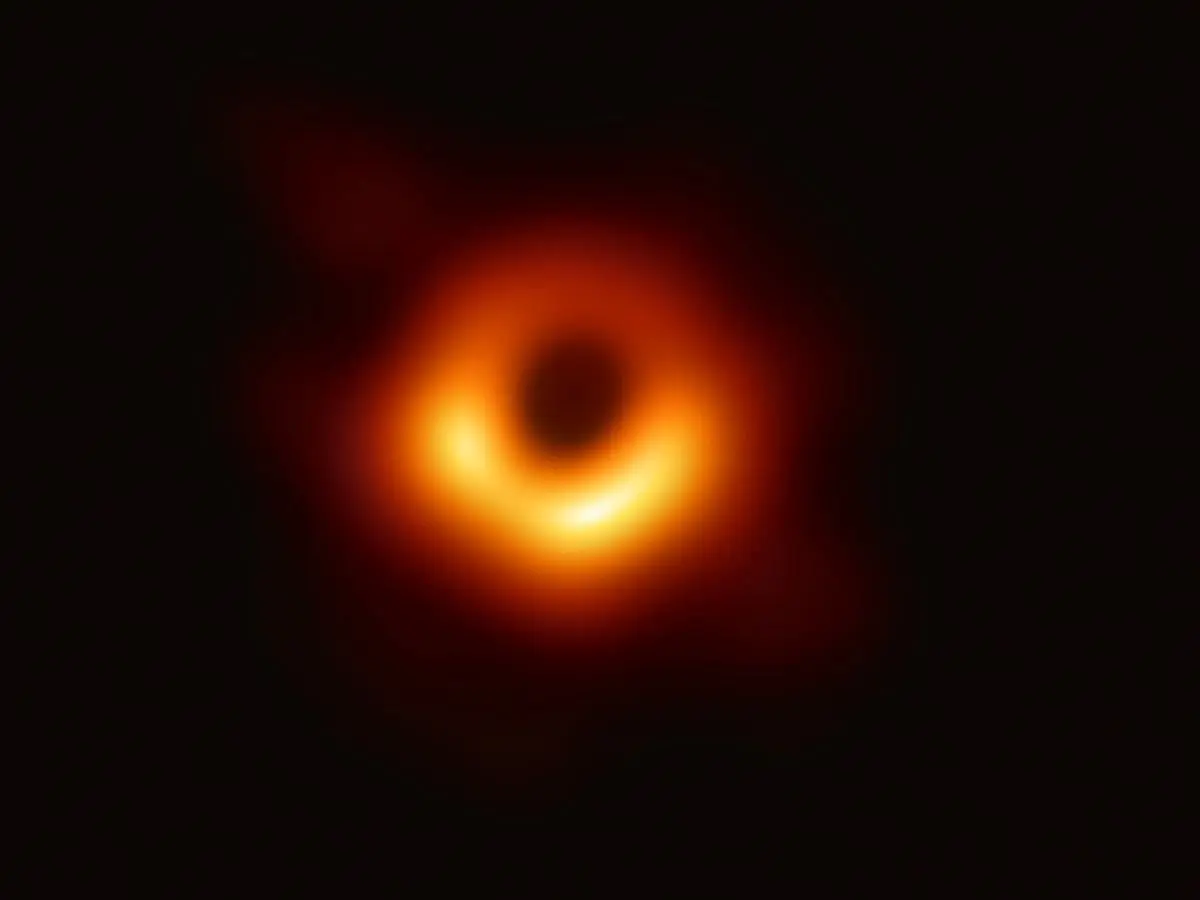
The likelihood of a mini black hole entering Earth is exceedingly low. No observational evidence currently supports the presence of micro black holes in our solar system. Theoretical models indicate that if such objects were produced in cosmic events or even in high-energy particle collisions, the probability of one surviving long enough to interact with Earth is negligible.
)
)
)
)
)