'World's most powerful rocket ever': NASA rolls out its mega Moon rocket

Mega Moon rocket
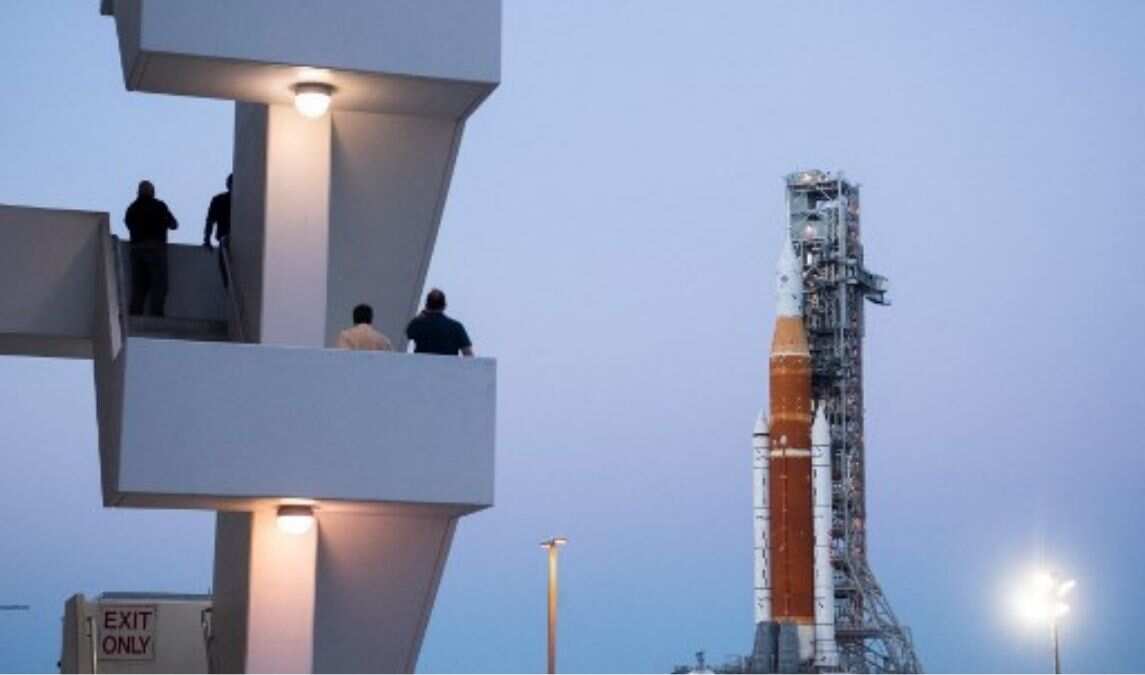
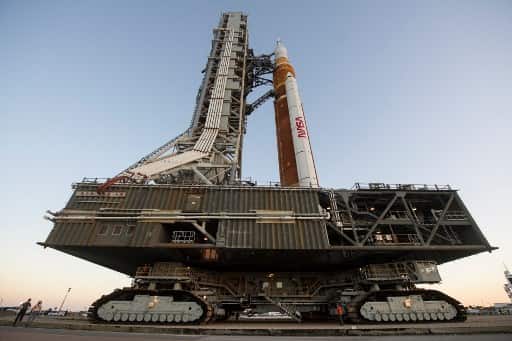
A massive new rocket made by NASA began its first journey to a launchpad on Thursday (March 17) as it looks forward to undergoing a range of tests to get clearance for its blast off to the Moon this summer.
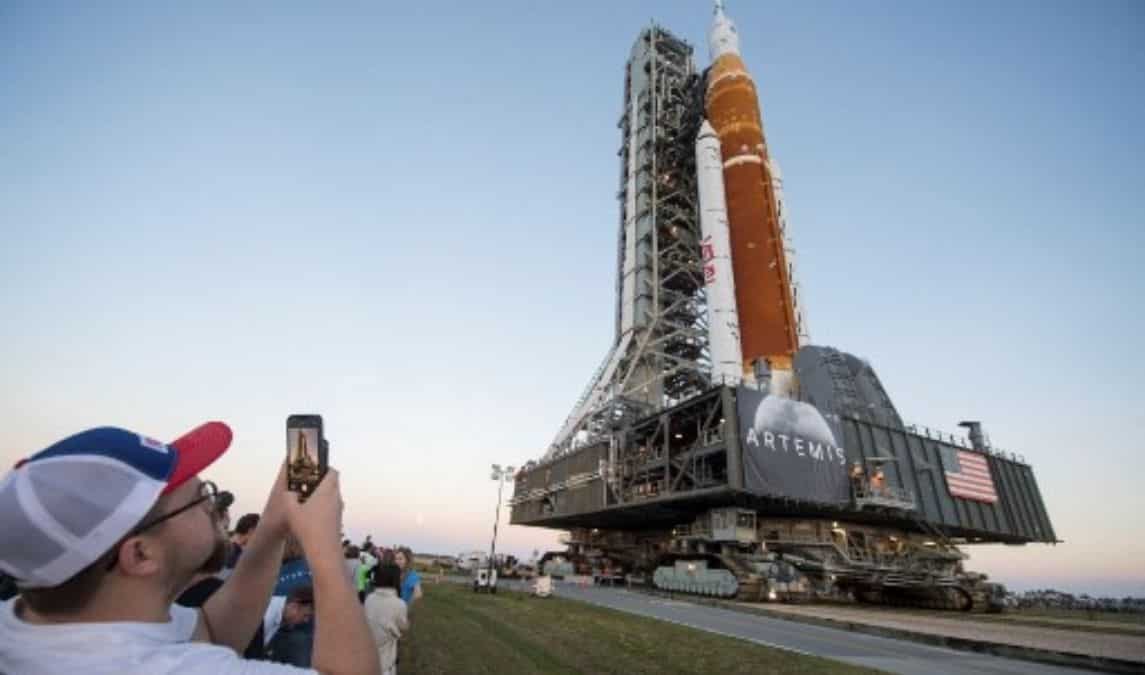
It left the Kennedy Space Center's Vehicle Assembly Building around 5:47pm Eastern Time and began an 11-hour journey on a crawler-transporter to the Launch Complex 39B, 6.5 kilometres away. Around 10,000 people had gathered to watch the event.
Taller than Statue of Liberty
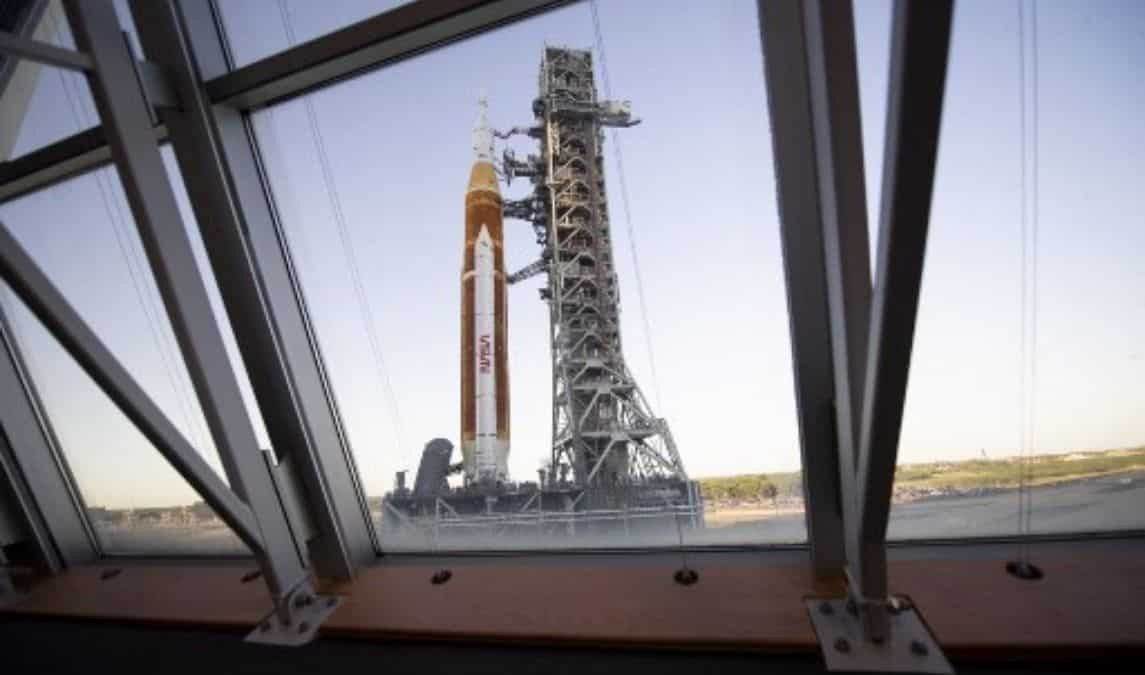
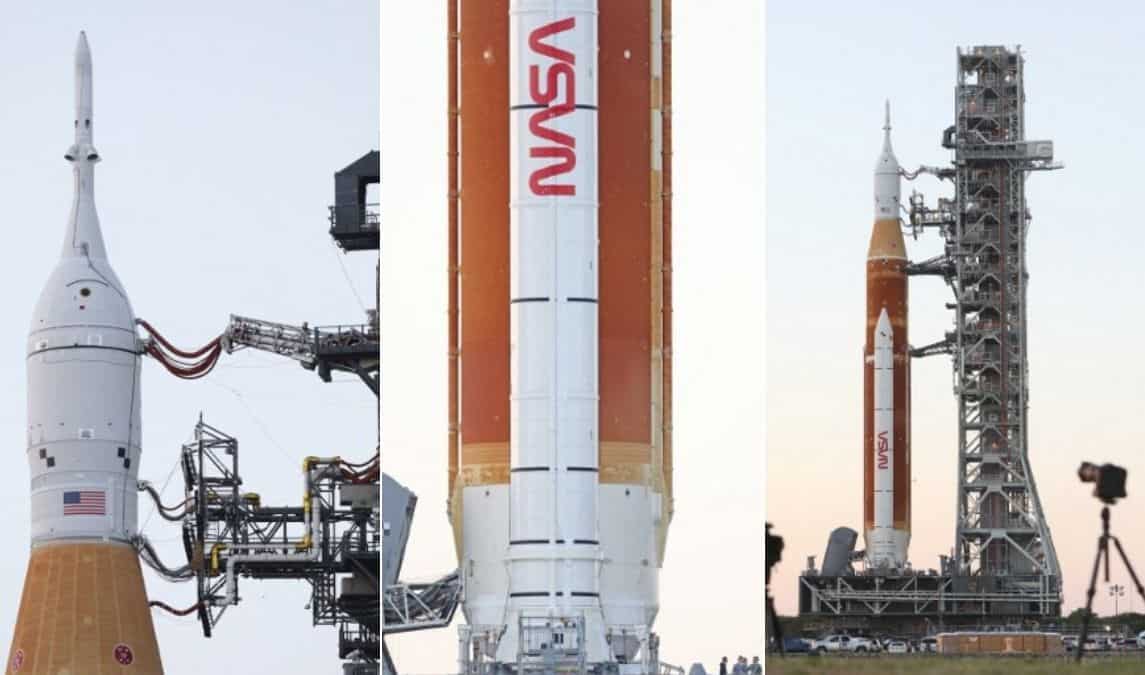
With the Orion crew capsule fixed on top, the Space Launch System (SLS) Block 1 stands 98 meters high, which is taller than the Statue of Liberty.
Although, it is a little smaller than the 363 feet Saturn V rockets that powered the Apollo missions to the Moon.
Despite this, it will produce 8.8 million pounds of maximum thrust (39.1 Meganewtons), 15 per cent more than the Saturn V, meaning it's expected to be the world's most powerful rocket at the time it begins operating.
NASA administrator Bill Nelson said, "Ladies and gentlemen, the world's most powerful rocket ever right here! We imagine, we build, we never stop pushing the envelope of what is possible."
Massive cost
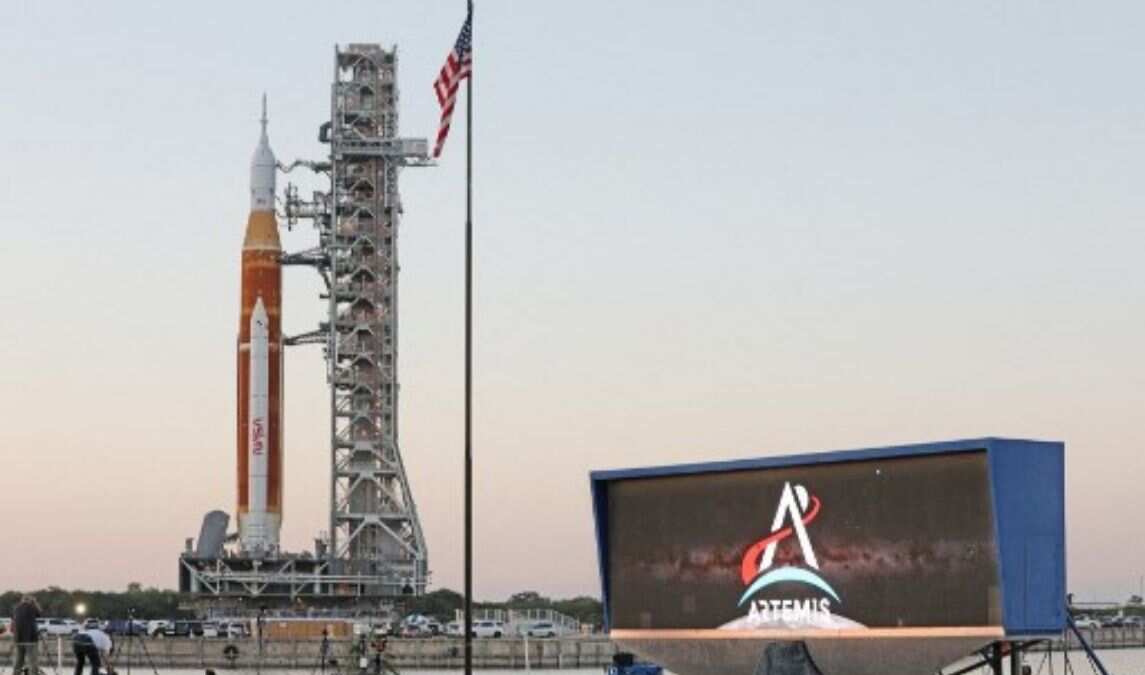
The project comes with a hefty price tag: $4.1 billion per launch for the first four Artemis missions, NASA Inspector General Paul Martin told Congress this month.
What's next?
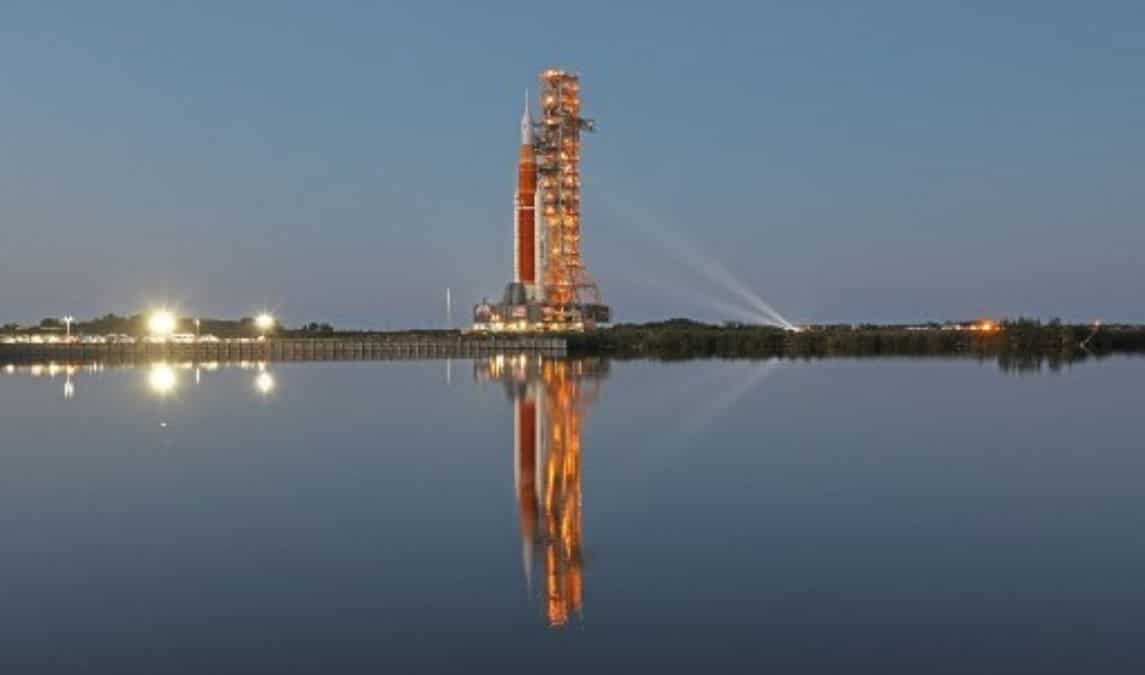
After reaching the launchpad, there are roughly two more weeks' worth of checks before what's known as the "wet dress rehearsal."
The SLS team will load more than 3.2 million litres of cryogenic propellant into the rocket and practice every phase of launch countdown, stopping ten seconds before blast off.
The process of launch
NASA is targeting May as the earliest window for Artemis-1, an uncrewed lunar mission that will be the first integrated flight for SLS and Orion.
SLS will first place Orion into a low Earth orbit, and then, using its upper stage, perform what's called a trans-lunar injection.
This manoeuvre is necessary to send Orion 280,000 miles beyond Earth and 40,000 miles beyond the Moon -- further than any spaceship capable of carrying humans has ventured.
On its three-week mission, Orion will deploy 10 shoebox-size satellites known as CubeSats to gather information on the deep space environment.
Far side of the Moon
It will journey around the far side of the Moon, using thrust provided by the European Space Agency (ESA) thruster, and finally make its way back to Earth, where its heat shield will be tested against the atmosphere.
Splashdown takes place in the Pacific, off the coast of California.
Permanent presence on the Moon?
NASA wants to build a permanent presence on the Moon, and use it as a proving ground for technologies necessary for a Mars mission, sometime in the 2030s, using a Block 2 evolution of the SLS.
)
)
)
)
)