World’s first fighter jet: How Hitler's Me 262 changed air combat but failed to win World War II

Capable of speeds far beyond the best Allied piston-engine aircraft, the Me 262 forced the world’s air forces to rethink how wars would be fought in the air.
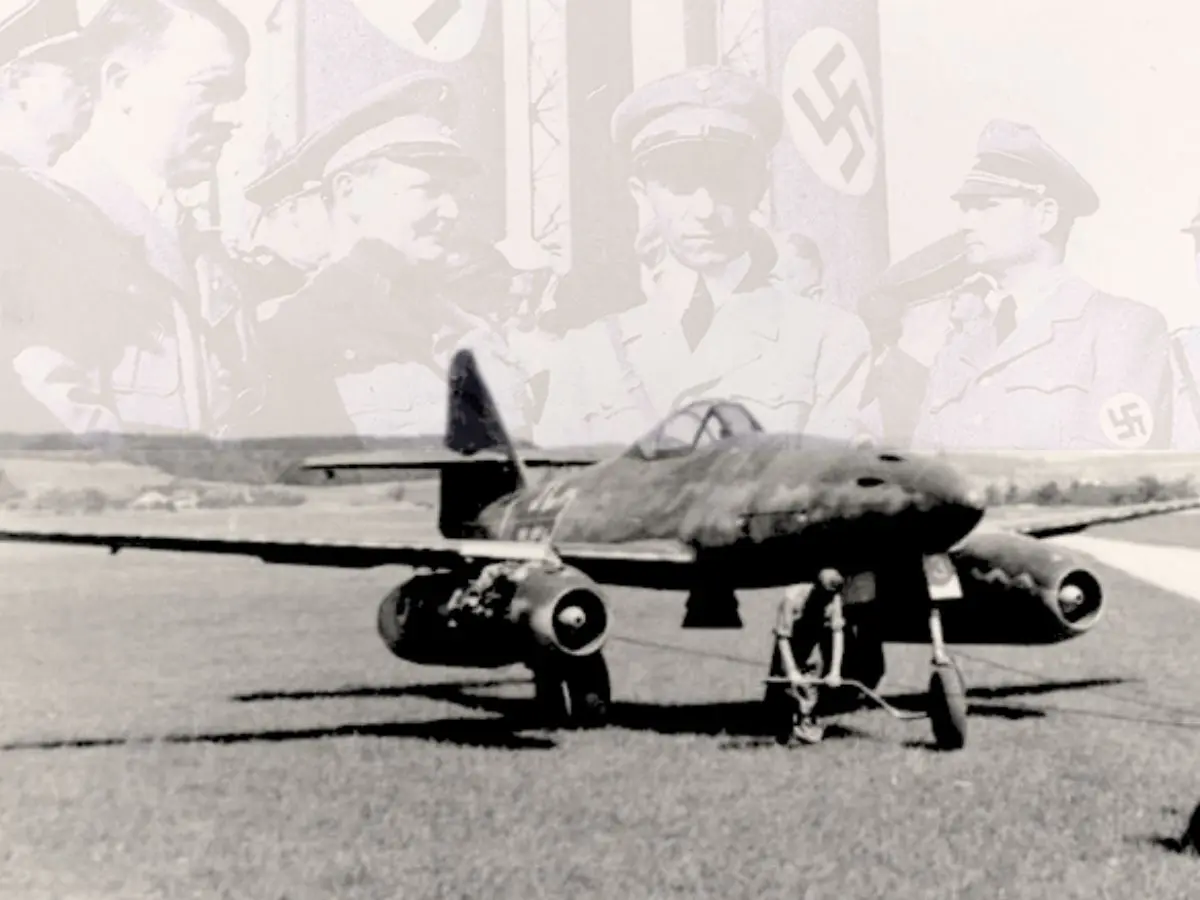
The Jet That Changed Air Combat
In the final years of the Second World War, Nazi Germany introduced a weapon that seemed to belong to another era: the Messerschmitt Me 262. Entering combat in 1944, it became the world’s first operational jet-powered fighter, a moment many historians see as the true start of modern air combat. Capable of speeds far beyond the best Allied piston-engine aircraft, the Me 262 forced the world’s air forces to rethink how wars would be fought in the air. Today, as nations invest billions into fifth and sixth-generation stealth fighters, drones and hypersonic systems, the Me 262’s story remains relevant. It showed, for the first time, how revolutionary technology could outpace tactics, strain pilots, and arrive too late to change a war’s outcome. Despite its flaws and late introduction, the Me 262 laid the foundation for jet-powered flight, the very path that led to today’s radar-evading, supersonic, data-linked fighters.
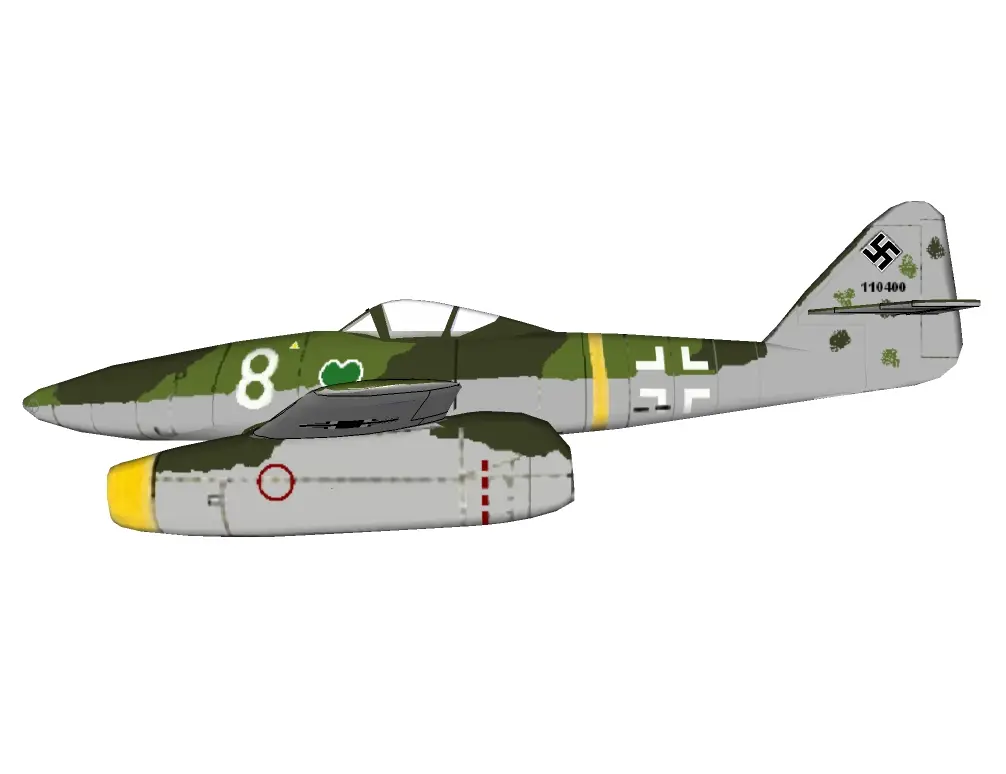
Key Features and Firsts
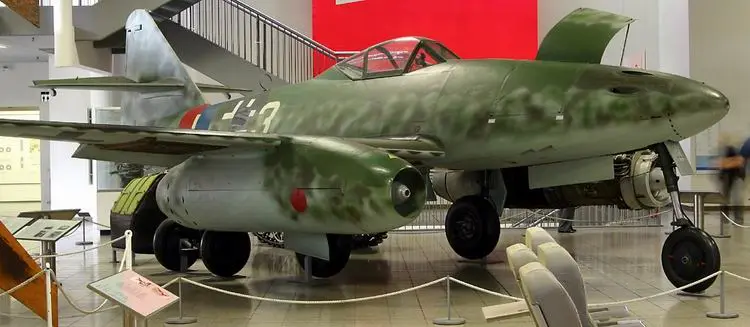
The Me 262 was the first jet to see active combat, powered by two Junkers Jumo 004 axial-flow turbojets. Its swept-wing design improved aerodynamics, a concept later adopted worldwide. With four 30 mm MK 108 cannons and the ability to carry 24 R4M rockets, the Me 262 brought heavy armament and jet speed together for the first time. Fighter versions were known as Schwalbe (Swallow) and fighter-bombers as Sturmvogel (Stormbird).
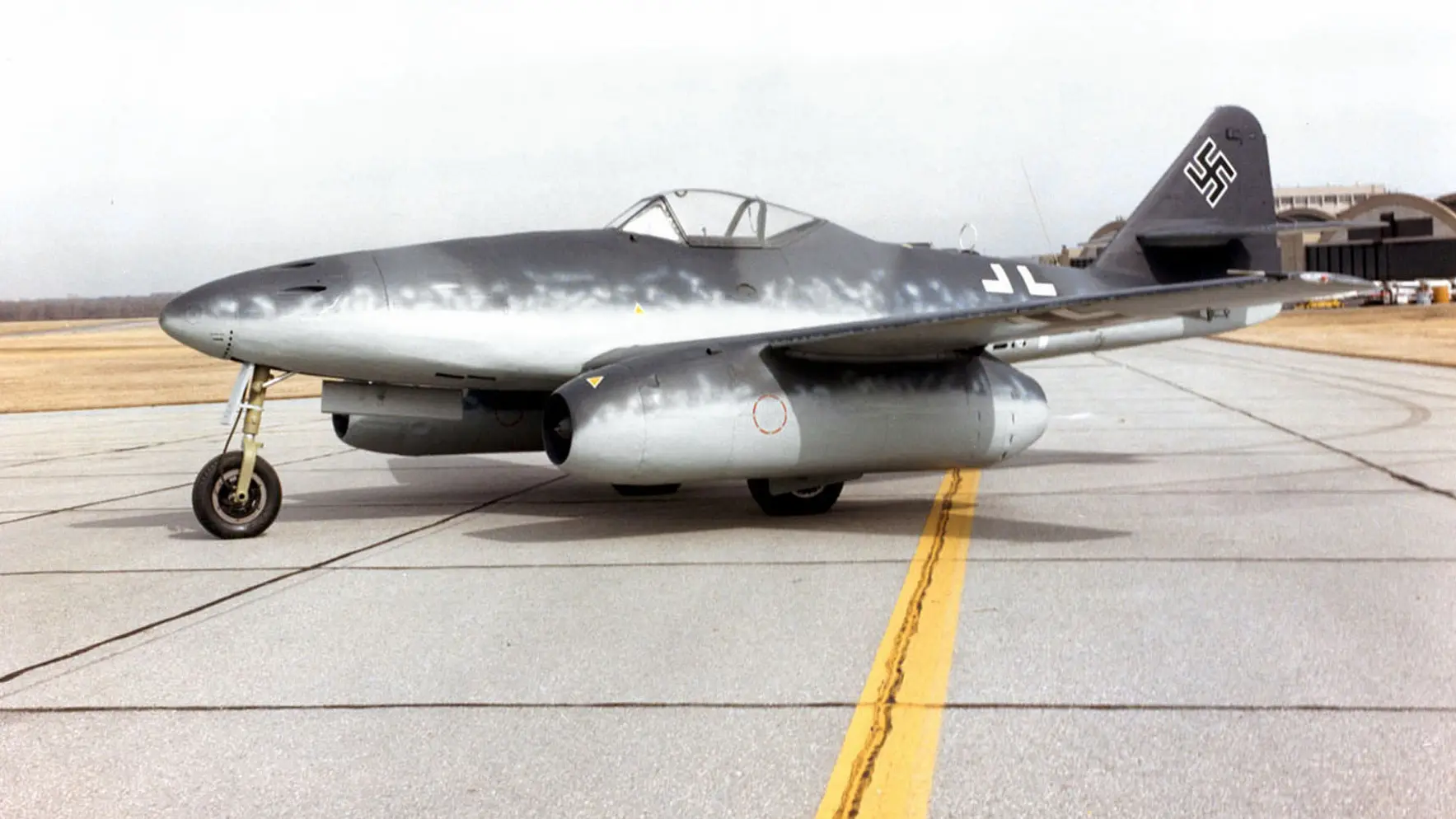
Record-Breaking Speed
The Me 262 could reach speeds of around 540 mph (870 km per hour), making it roughly 100 mph faster than the P-51 Mustang. It also had a service ceiling of 37,500 feet and a climb rate of 3,900 feet per minute. This speed advantage allowed pilots to strike Allied bomber formations and break away before escort fighters could react, marking a new era in high-speed interception.
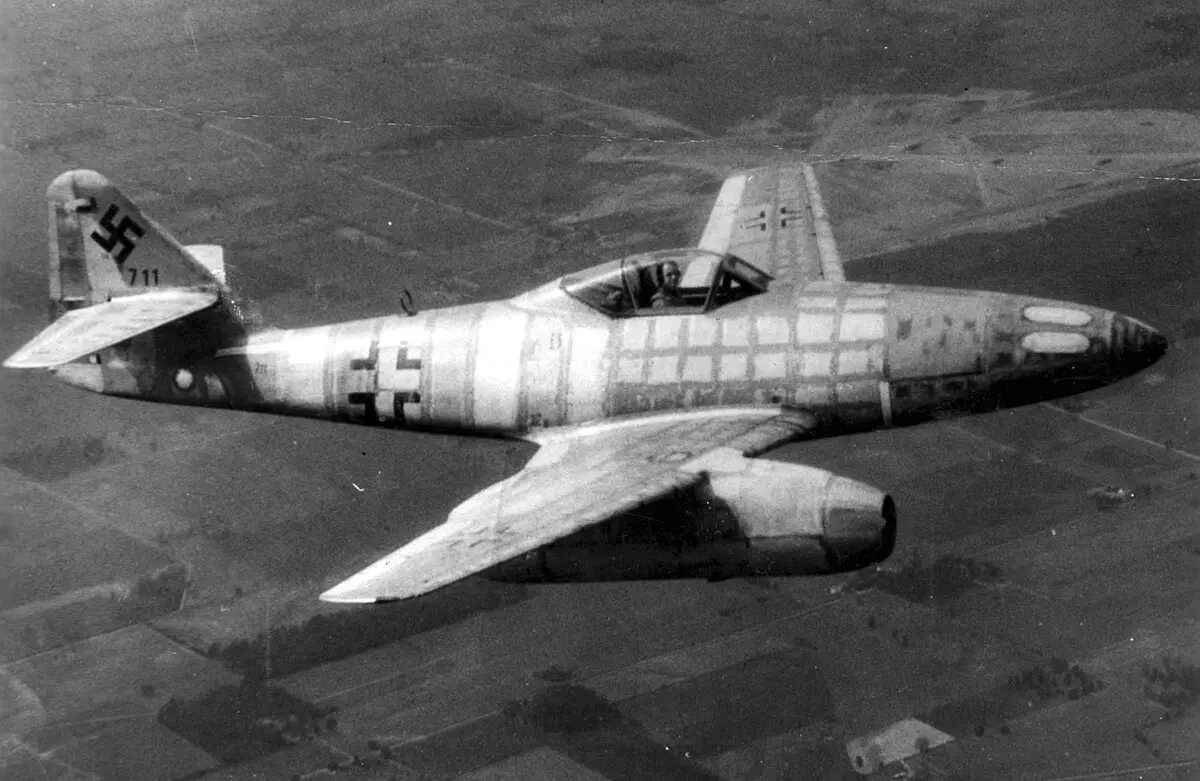
Fatal Flaws and Challenges
Despite its speed, the Me 262 had critical weaknesses. Its engines were unreliable, prone to flameouts and compressor stalls. Slow throttle response made it vulnerable during take-off and landing, a fact Allied pilots exploited. Hitler’s insistence on using it as a fighter-bomber delayed mass production and reduced its effectiveness as an interceptor.
What Made It Different and Terrifying
What set the Me 262 apart was the shock it created. Allied pilots reported seeing jets pass them 'like they were standing still'. The combination of raw speed, heavy cannons, and rockets made it lethal against bomber formations. Yet it terrified its own pilots too: the engine failures, sudden stalls, and need for careful throttle control made flying the Me 262 a constant risk.
Is It Still in Service?
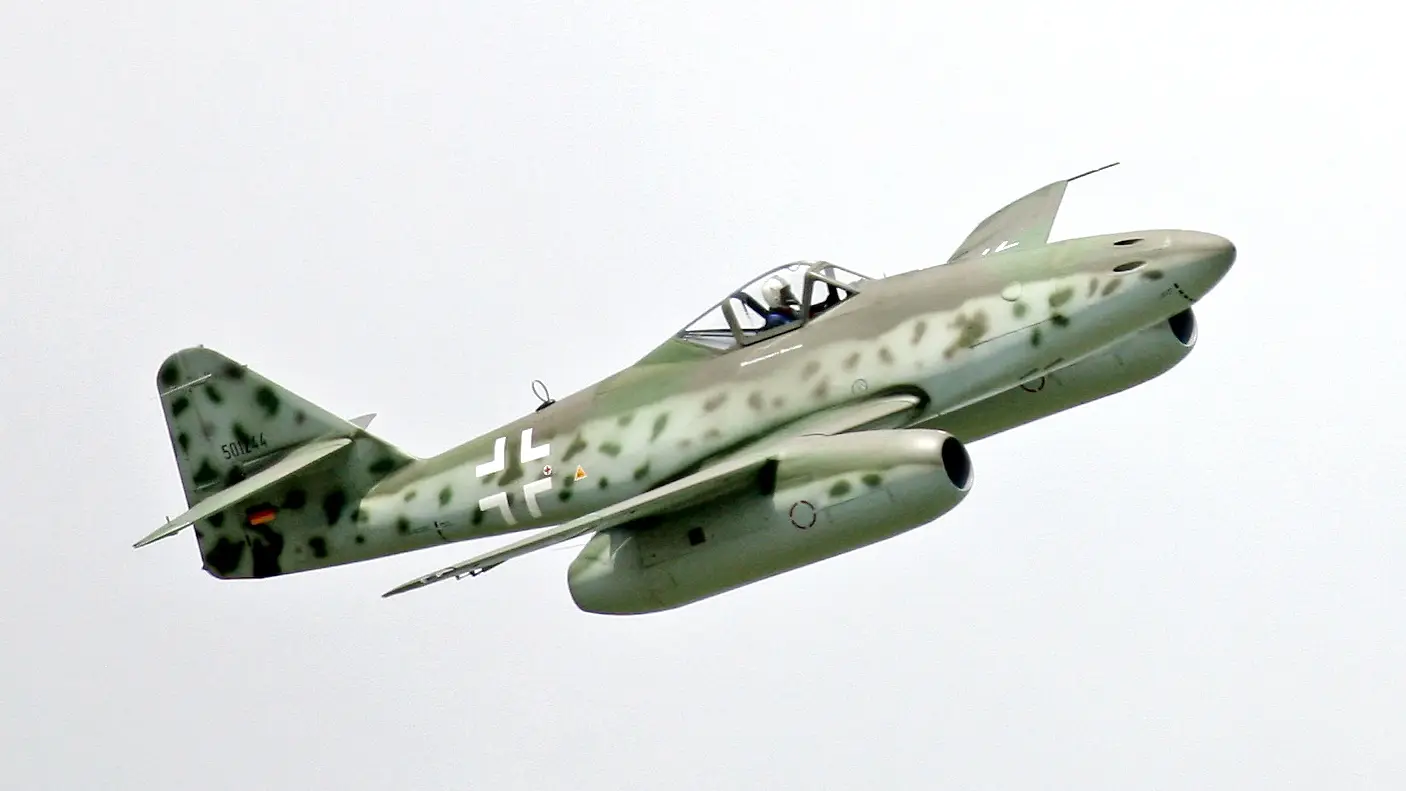
The Me 262 was retired at the end of the Second World War, with no air forces operating it today. However, a small number of replicas built in the 2000s now fly at airshows, preserving its legacy as a milestone in aviation history.
Legacy of the Me 262
Though it failed to change the outcome of the war, the Me 262 shaped the future. It forced Allied engineers to accelerate jet research and laid the groundwork for post-war jet fighters. Its brief, dramatic combat career showed both the promise and the peril of early jet technology, a lesson still studied by aviation historians.
)
)
)
)
)