World Wildlife Day 2026: India’s most endangered species you should know about- Royal Bengal Tiger, Asiatic Lion, and More

India is one of the most densely populated countries in the world. Along with the population explosion, rapid deforestation, urbanisation and hunting are leading to a shrinking ecosystem and biodiversity. On World Wildlife Day 2026, take a look at India’s most endangered species.
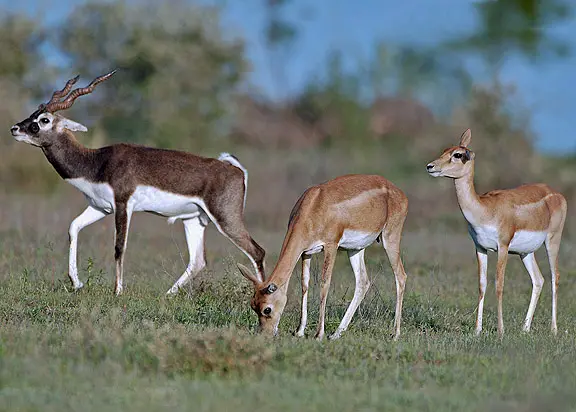
Blackbuck
The Blackbuck or the Indian antelope is a species endemic to the Indian subcontinent. The total blackbuck population, estimated at 80,000 in 1947, was down to 8,000 by 1964, but it has since recovered to 25,000 in protected areas. It has been introduced in Argentina and the US to increase its numbers.
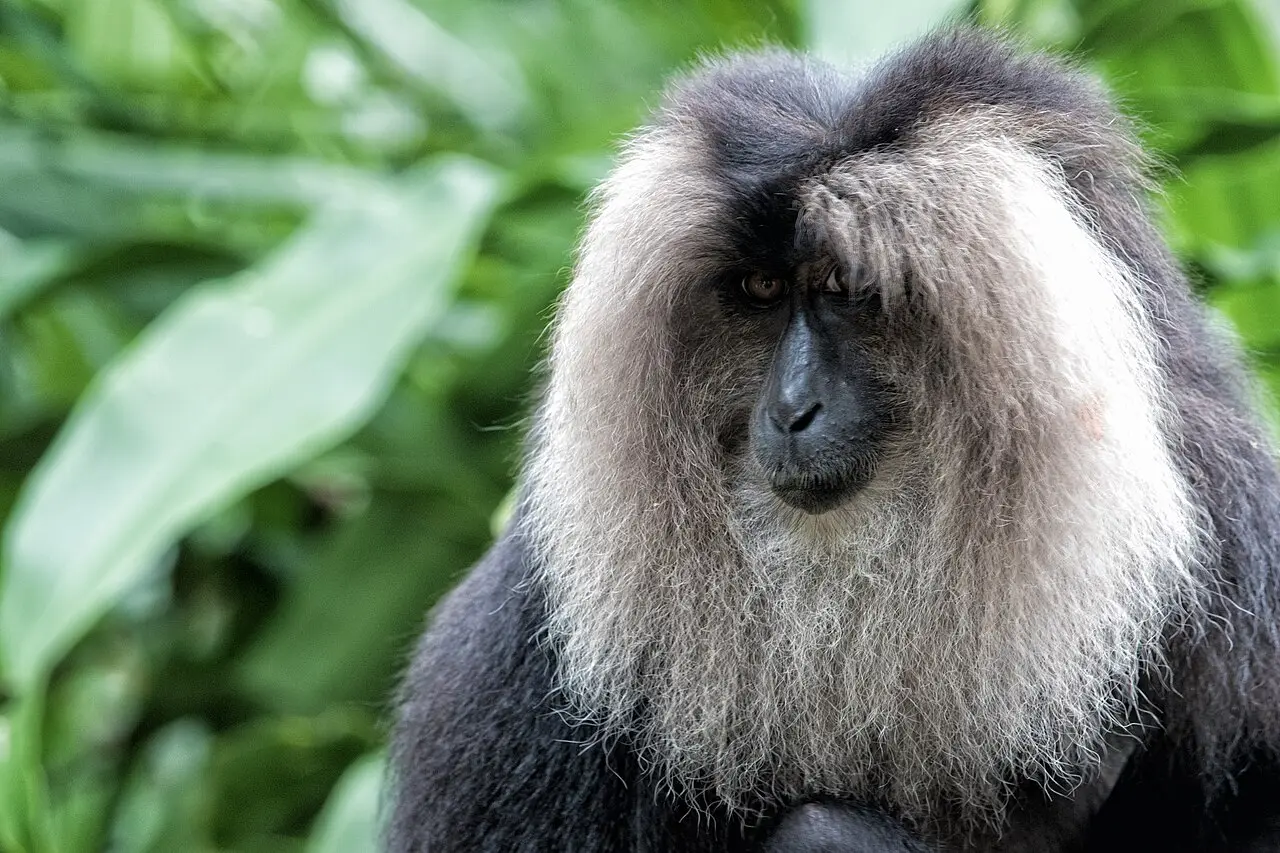
Lion-tailed Macaque
Lion-tailed Macaques are a shy and recognisable monkey, specifically identified because of their silver-white mane. The total population is around 4,000 individuals and is subject to further decline due to habitat loss, poaching, and roadkills.
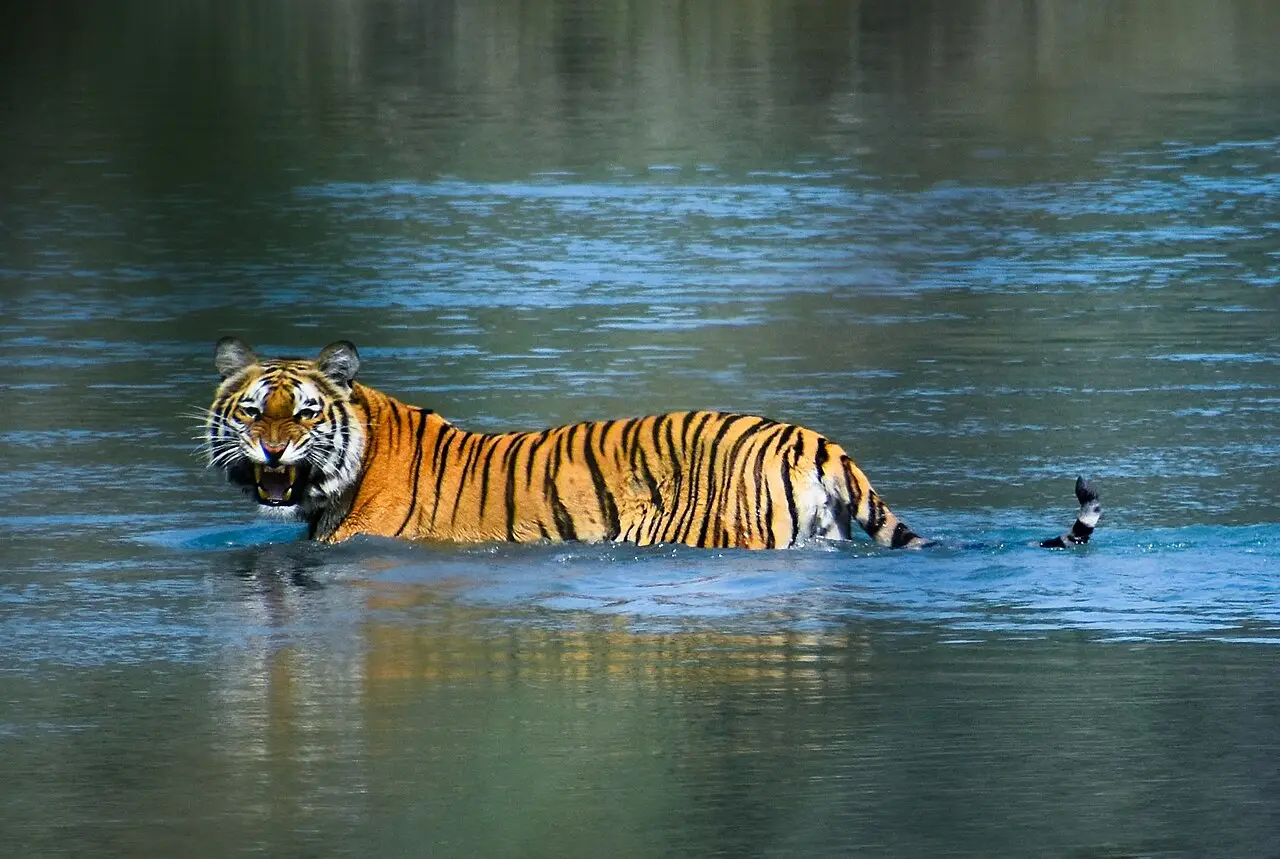
Royal Bengal Tiger
Bengal Tigers account for almost half of the tiger population in the world, 70 per cent of them belong to India. The Wild Cat is very agile and adaptable, and can live in almost all types of habitat, like forests, mangroves and wetlands. But with an increasing population density in India, the natural habitats of tigers are gradually shrinking. Human- wildlife conflict is also becoming a major factor in the reduction of numbers. As of the 2022 census, India is home to 3,682 Bengal tigers.
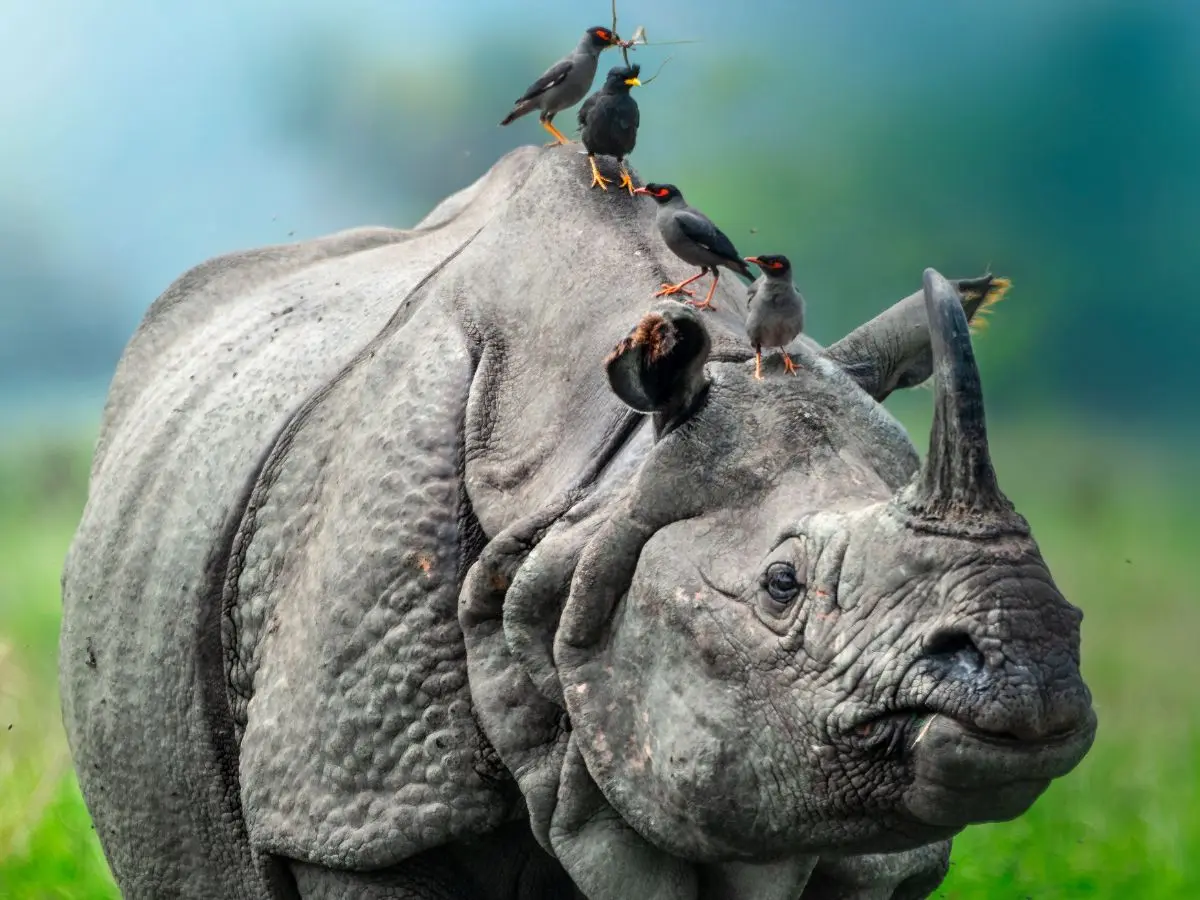
One-horned Rhinoceros
Mostly found in the foothills of the Himalayas and in India, the one-horned rhinoceros has been poached for their horns for decades. It was nearly extinct at the start of the 20th century, dropping to 200. But it is now thriving in India at 3,260 individuals as of late 2021-2022, with approximately 70-80 per cent in India, specifically in Assam.
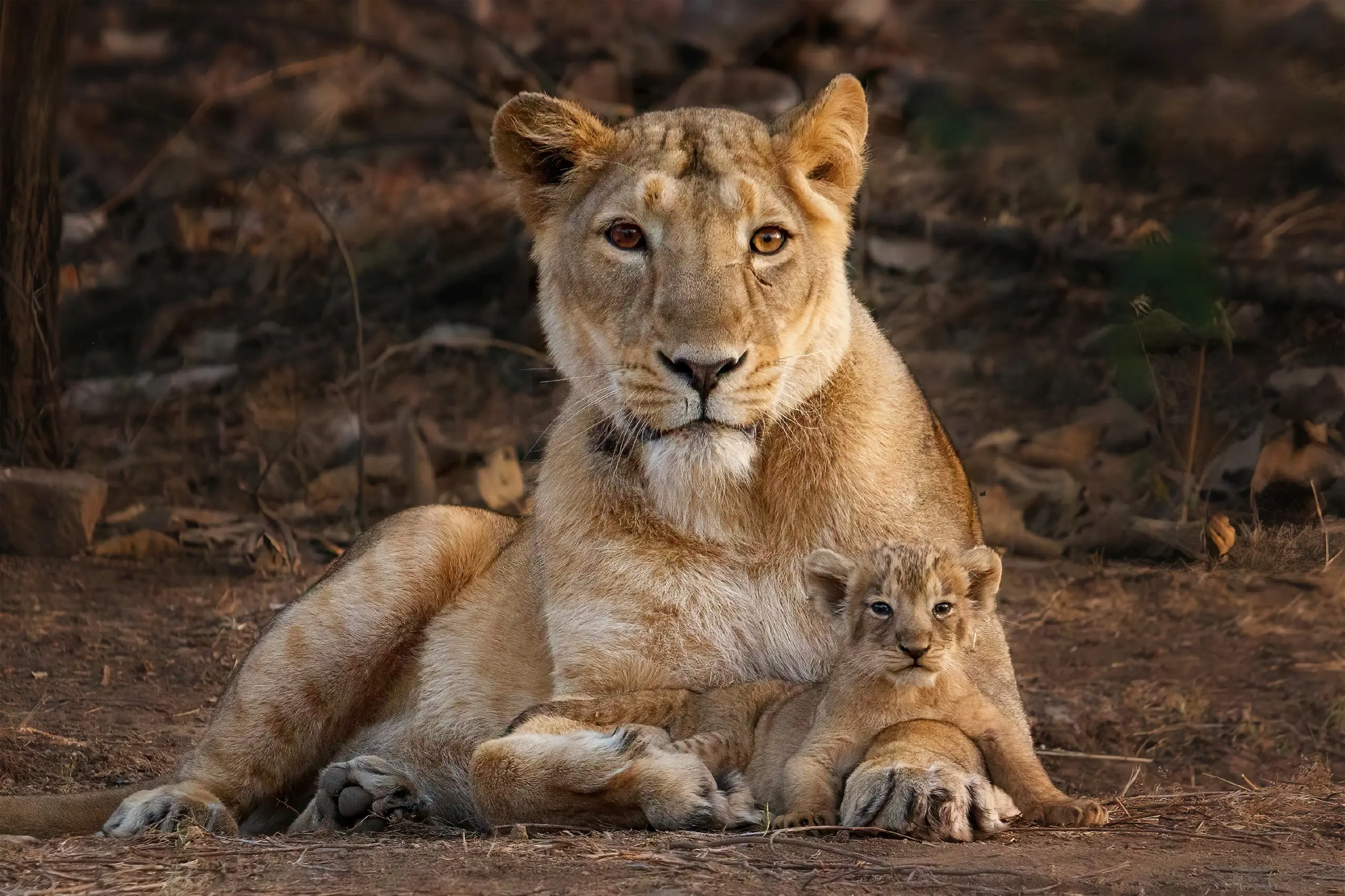
The Aisatic Lion
According to the 16th Asiatic Lion Census, the population of the Asiatic Lion has increased by 70 per cent over the last decade, to 891 lions. They are entirely found in Gujarat. Listed as an endangered species by the International Union for Conservation of Nature (IUCN) since 2010, it is 10-20 per cent smaller than the African Cousin. The African Lions are already extinct in 26 of the 48 African countries.
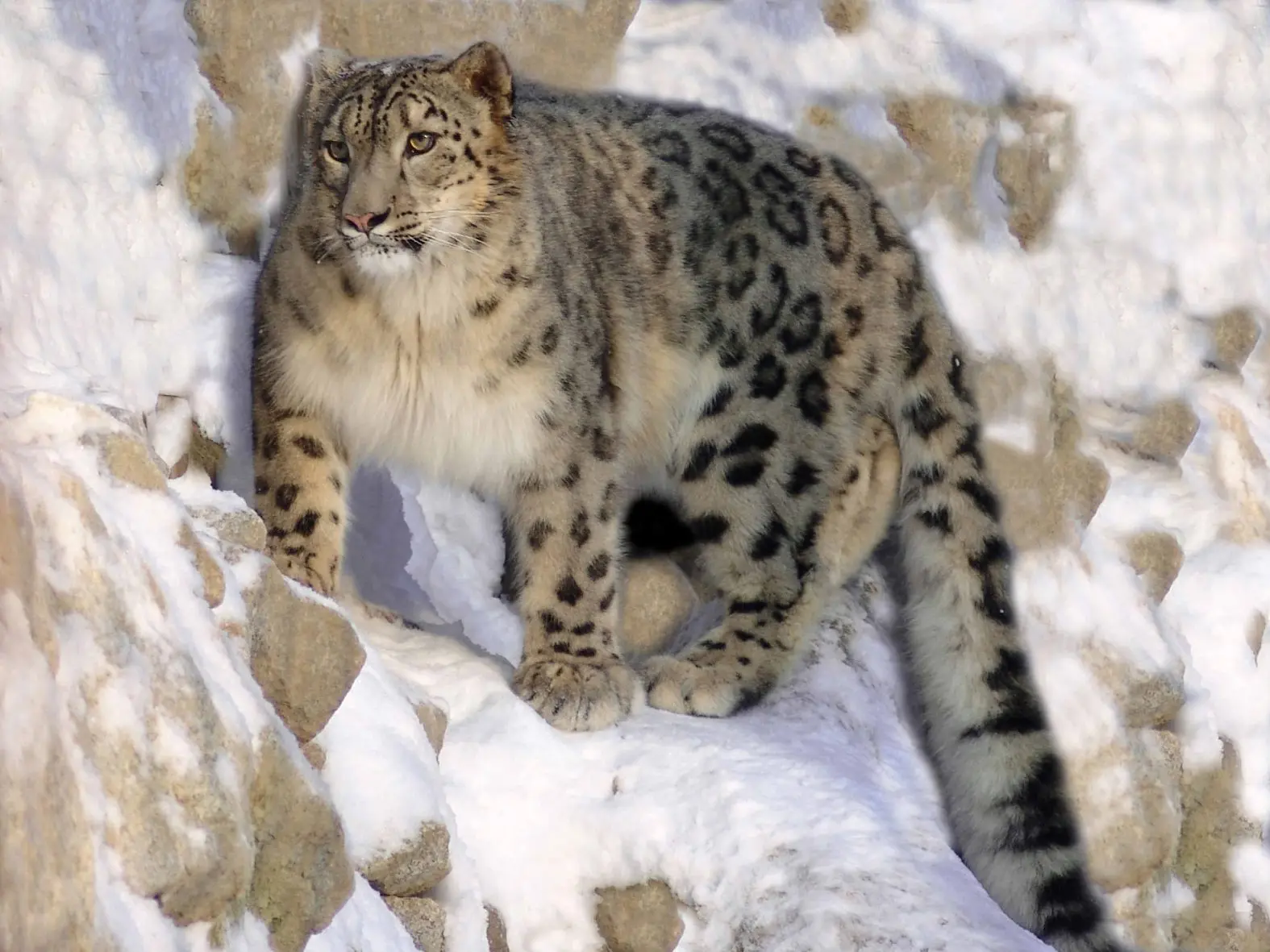
Snow Leopard
Snow Leopards are found across Ladakh, Himachal Pradesh, Uttarakhand and the western and eastern parts of the Himalayas. According to the Snow Leopard Population Assessment in India (SPAI), released in 2024, there are 718 individuals present in the wild, with Ladakh hosting the highest number, 477 individuals. Global warming, rapidly shrinking habitat, and lack of available food due to the domestication of livestock are contributing to its decline.
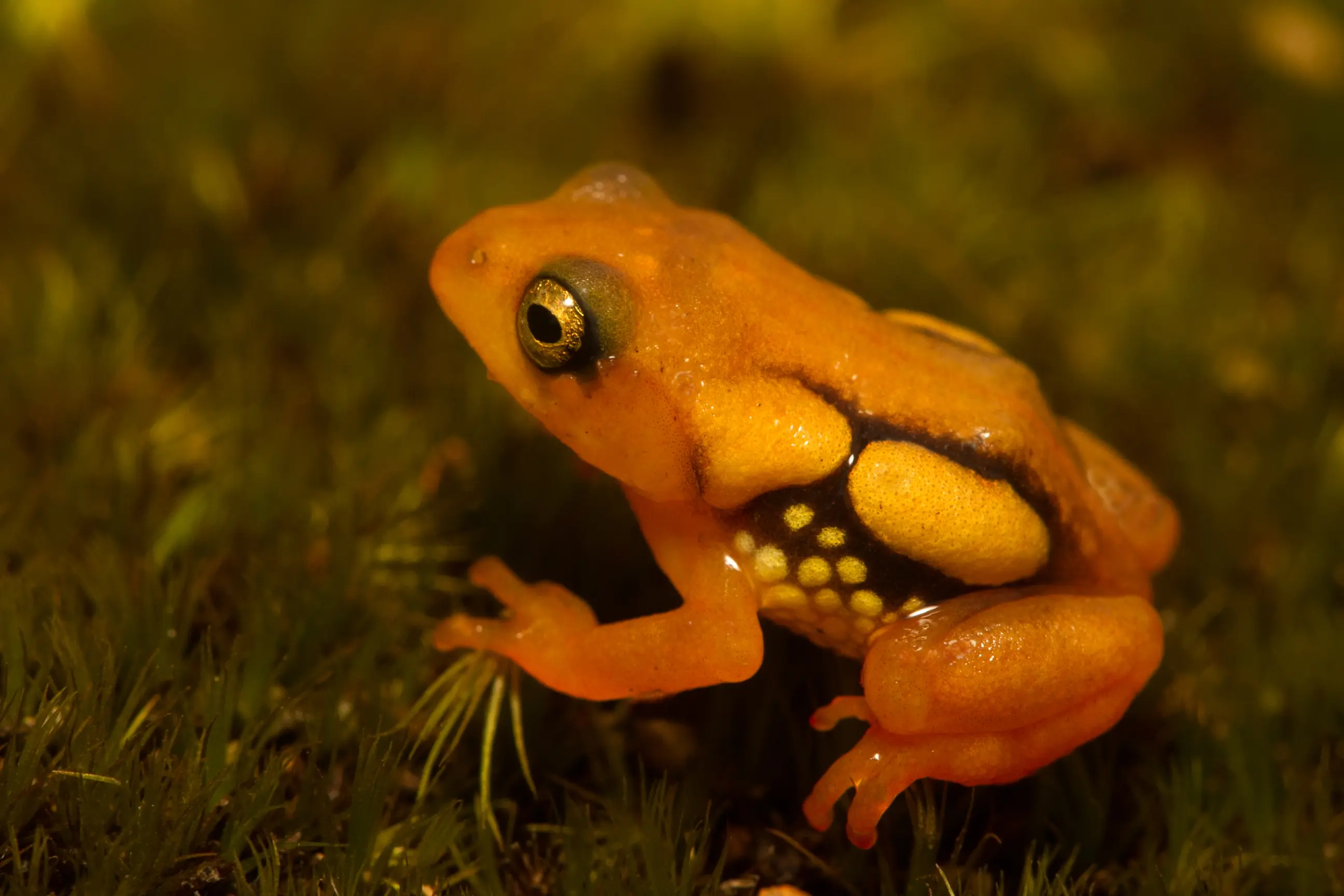
Resplendent Tree Frog
Raorchestes resplendens has an IUCN Red List status of “Critically Endangered”. It was first discovered on the highest peak of the Western Ghats. It has a striking orange hue and several big glands on the surface. There are fewer than 300 estimated mature individuals available now. It is found in the highly protected Eravikulam National Park in Kerala.
)
)
)
)
)