World War 3? Understanding the 'Axis and Allied' powers in US led Israel-Iran middle east conflict

The primary offensive bloc is firmly anchored by the United States and Israel, backed by the intelligence and logistical support of the broader Western alliance.
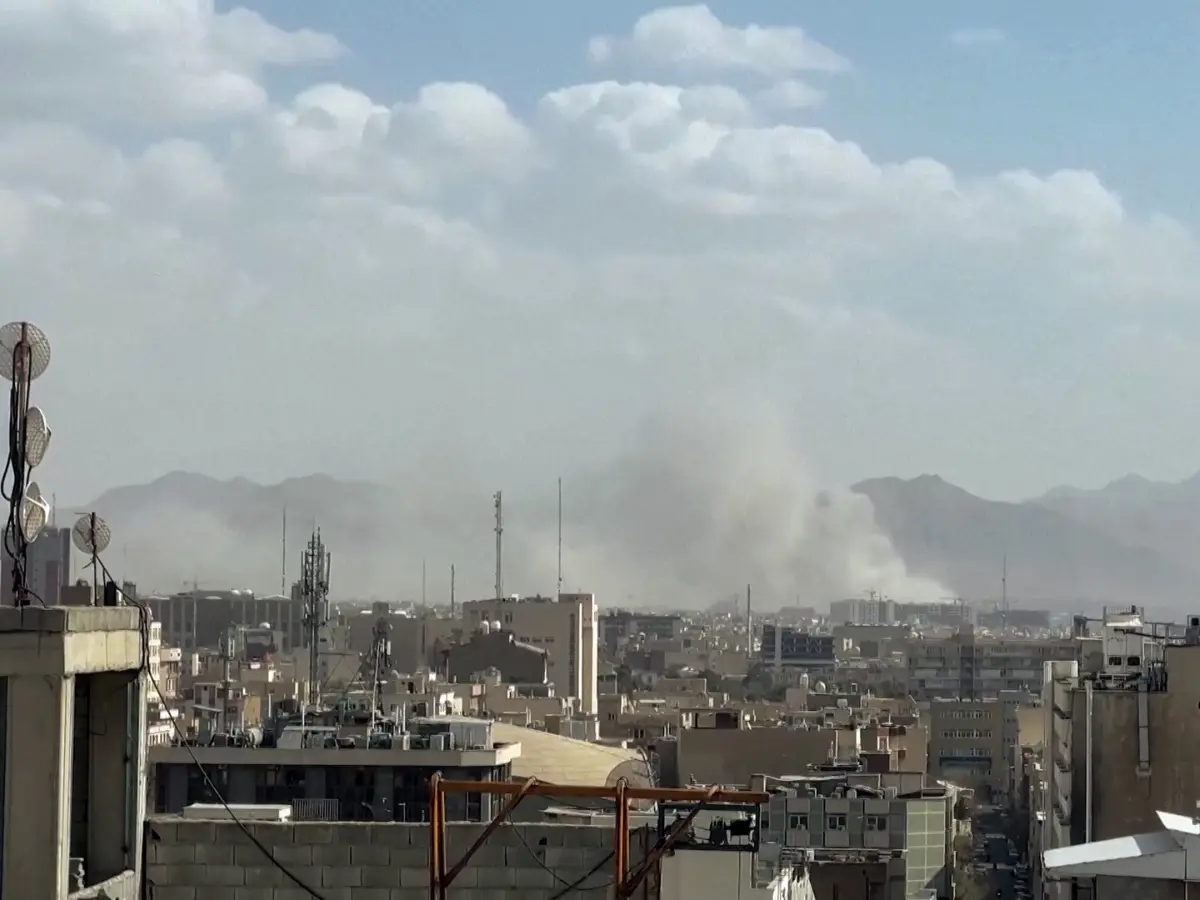
1. The Global Lines Are Drawn
As the US-led "Operation Epic Fury" and Israel's "Operation Lion's Roar" unleash devastation across Iran, the conflict has immediately polarized the globe. Much like the lead-up to previous world wars, regional actors and global superpowers are rapidly falling into two distinct geopolitical camps. The battle lines are no longer just about Tehran and Washington; they represent a fundamental clash over who controls the future of the Middle East.
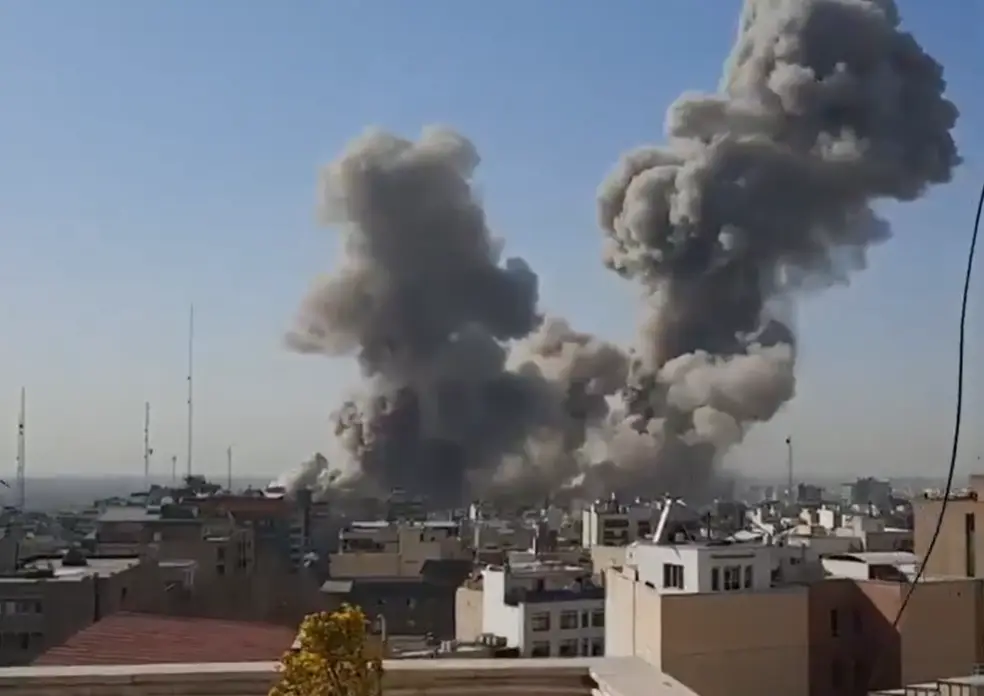
2. The US-Led Coalition: The Modern "Allies"
The primary offensive bloc is firmly anchored by the United States and Israel, backed by the intelligence and logistical support of the broader Western alliance. The UK has historically moved in lockstep with US military actions in the Gulf, and NATO allies are actively providing diplomatic cover and early-warning radar support. Their stated objective is the total dismantling of Iran's nuclear and ballistic capabilities to secure Western hegemony and protect allied nations in the region.
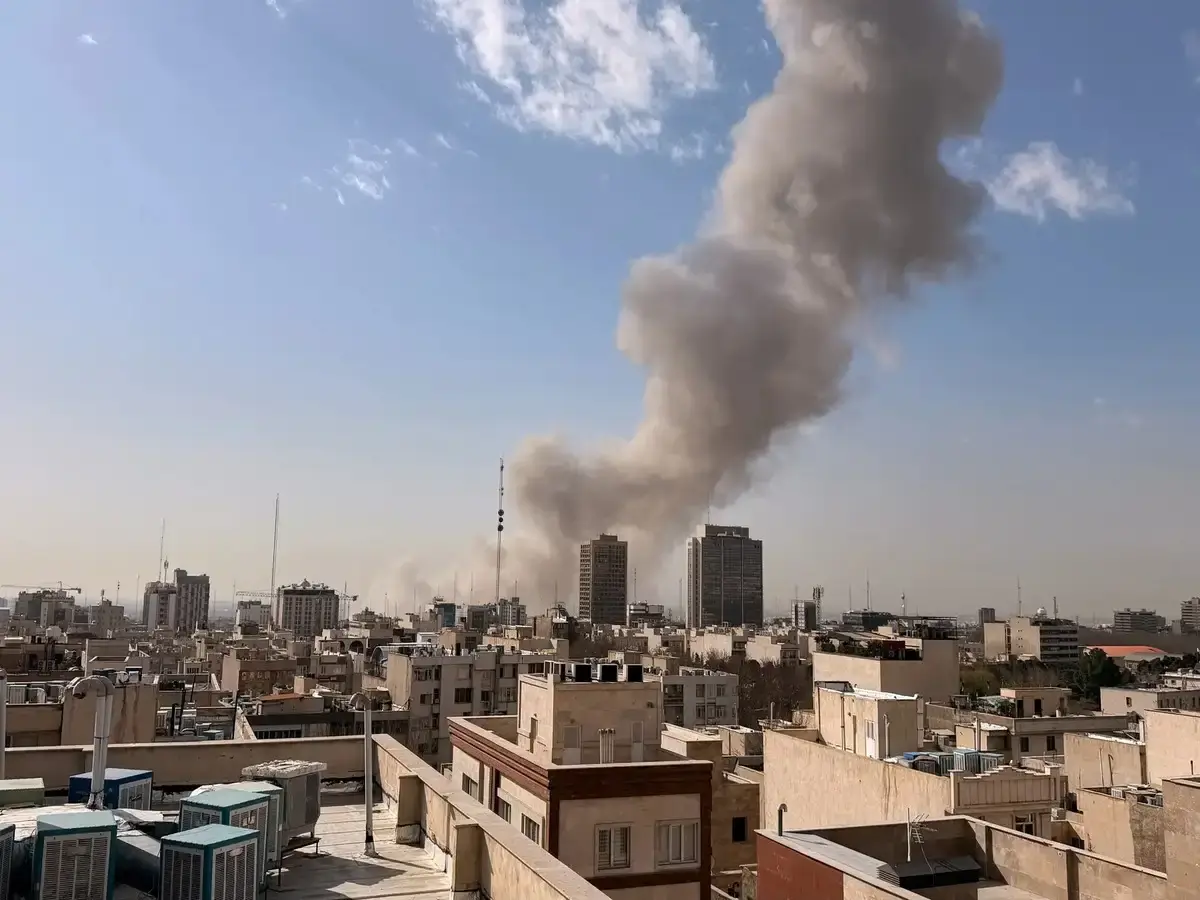
3. Iran’s "Axis of Resistance"
Facing the immense conventional military superiority of the US, Iran is activating its vast, multi-national network of proxy militias, self-styled as the "Axis of Resistance." This includes Hezbollah in Lebanon, the Houthi movement in Yemen, and various heavily armed Shia militias across Iraq and Syria. This decentralized "Axis" is designed to overwhelm US and Israeli air defenses by launching coordinated, multi-front asymmetric attacks from several borders simultaneously.
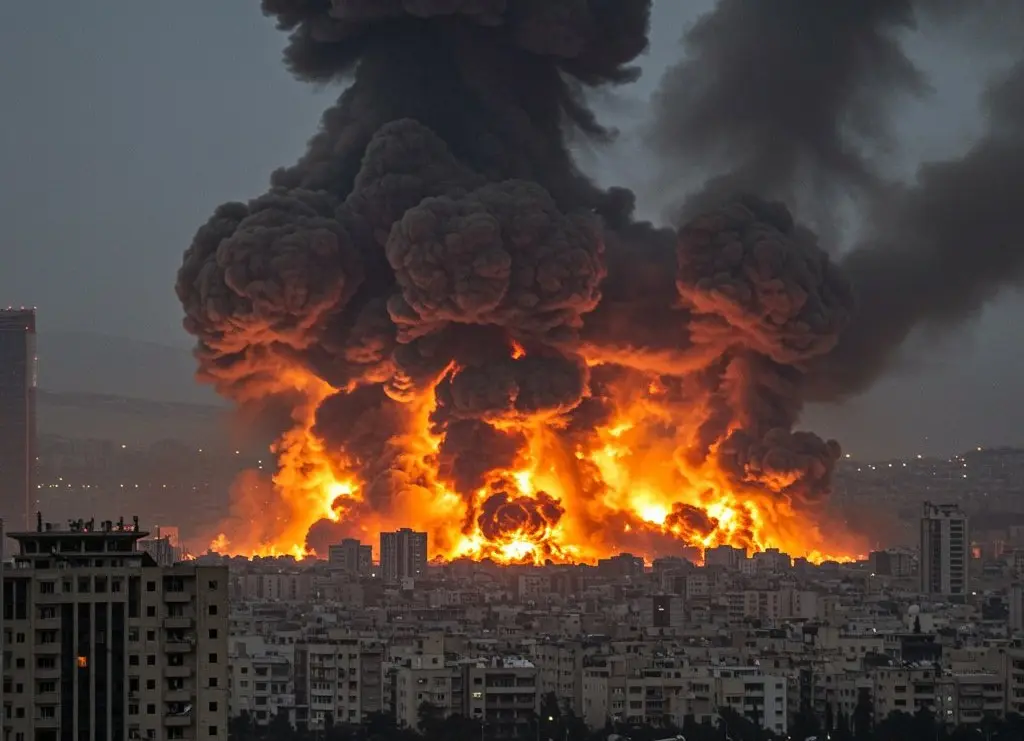
4. The Shadow Giants: Russia and China
While not directly entering the kinetic firefight, Russia and China are acting as the critical geopolitical shield for Iran. Both nations share a mutual interest in seeing American military power bogged down and degraded in the Middle East. Moscow relies heavily on Iranian drone technology for its own conflicts, while Beijing relies on heavily discounted Iranian oil. Both superpowers have swiftly condemned the US-Israeli strikes at the UN, maneuvering to capitalize on the chaos to advance a multipolar world order.
5. The Reluctant Gulf States: Caught in the Crossfire
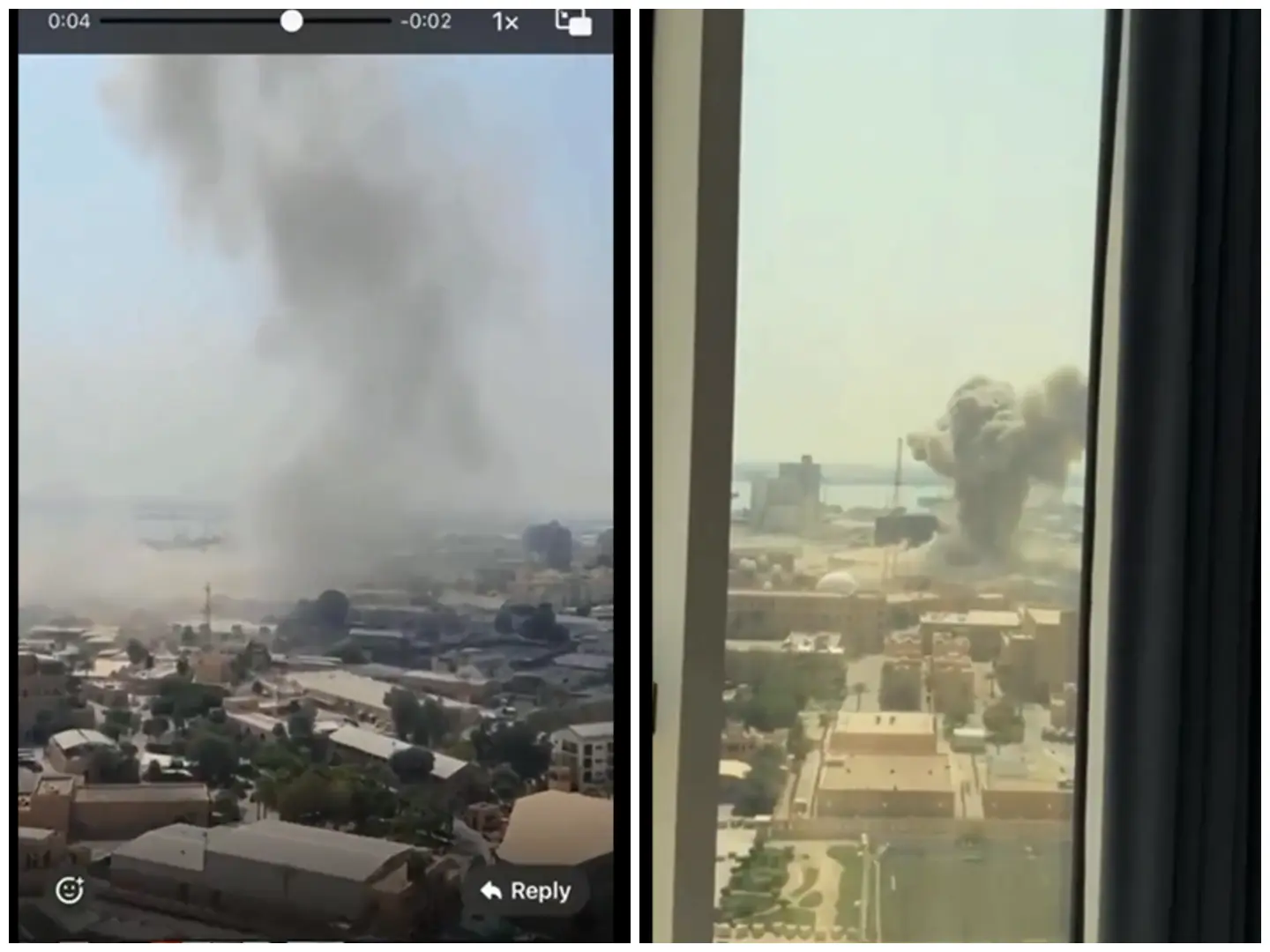
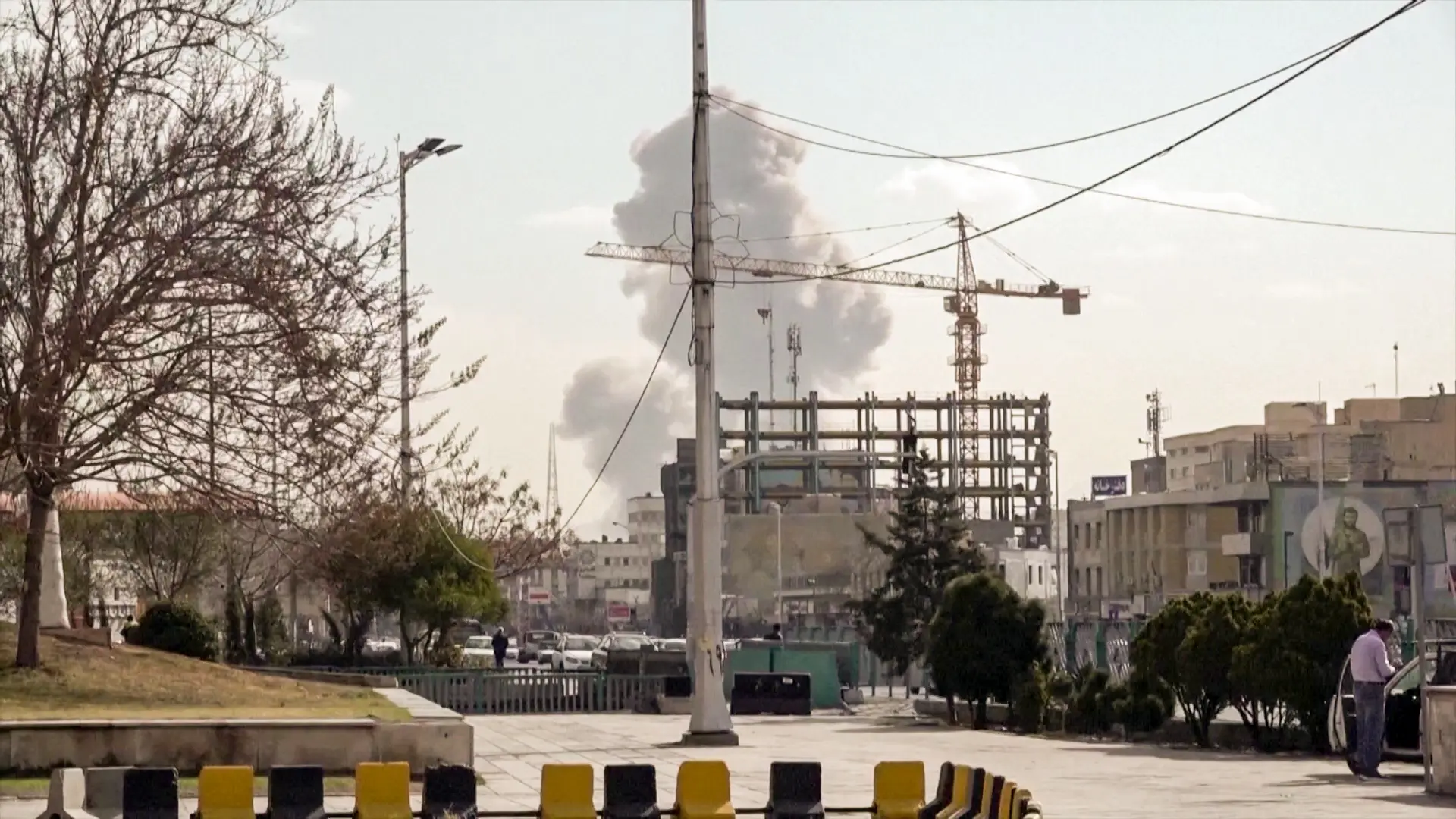
Nations like Saudi Arabia, the UAE, and Bahrain find themselves in a terrifying geopolitical dilemma. While they have historically relied on the US security umbrella and secretly favor the degradation of Iran's military, they are now directly in the crosshairs of Tehran's retaliation. As US bases within their borders are targeted, these nations are desperately trying to maintain defensive postures without officially joining the offensive coalition, fearing total economic devastation.
6. The South Asian Wildcards
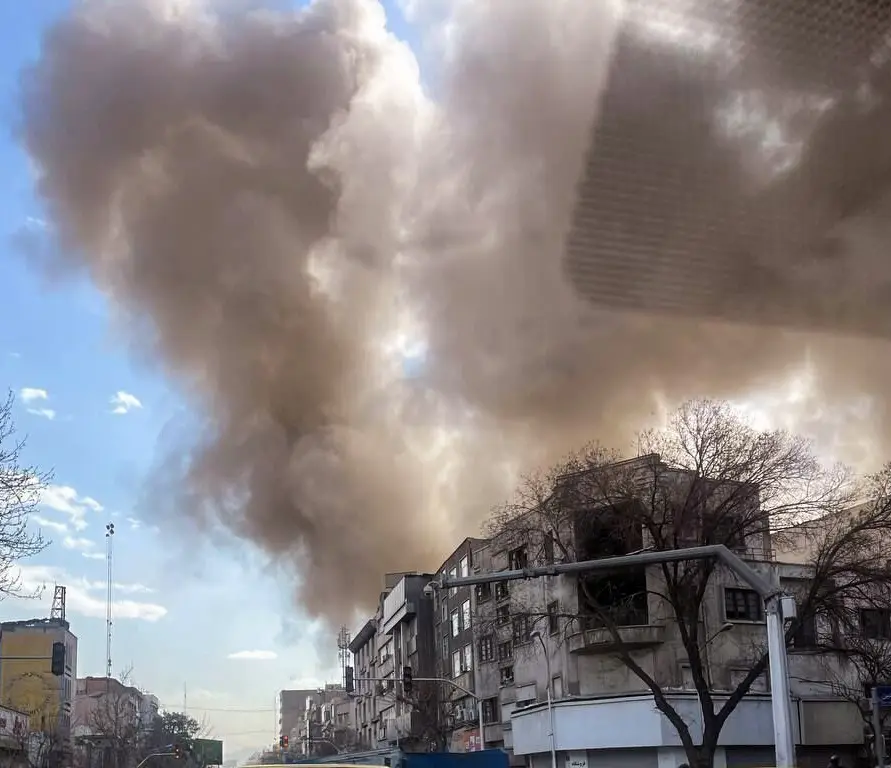
The conflict has triggered shocking realignments on the periphery of the Middle East. As seen with Pakistan's immediate condemnation of the US strikes and its declaration of support for Iran's right to defend itself, all while Islamabad wages its own war against Afghanistan, traditional alliances are fracturing. These unpredictable moves threaten to spill the conflict beyond the Arab world and into nuclear-armed South Asia.
7. Is This World War 3?
Military analysts suggest that while we are witnessing a massive, borderless regional war, it does not yet cross the threshold of World War 3. A true world war requires the direct, kinetic clash of global superpowers. As long as Russia and China restrict their involvement to diplomatic cover, economic aid, and backdoor intelligence sharing rather than deploying their own troops or firing their own munitions at American forces, the conflict remains a catastrophic regional conflagration rather than a global one.
)
)
)
)
)