World Tsunami Awareness Day 2025: Top 10 worst tsunamis in History

Every year, at least two tsunamis inundate the inland near their source. Tsunamis that propagate to distant shores and cause damage on average occur twice in a decade. According to the Global Historical Tsunami Database, the top 10 deadliest Tsunamis in the world are as follows.
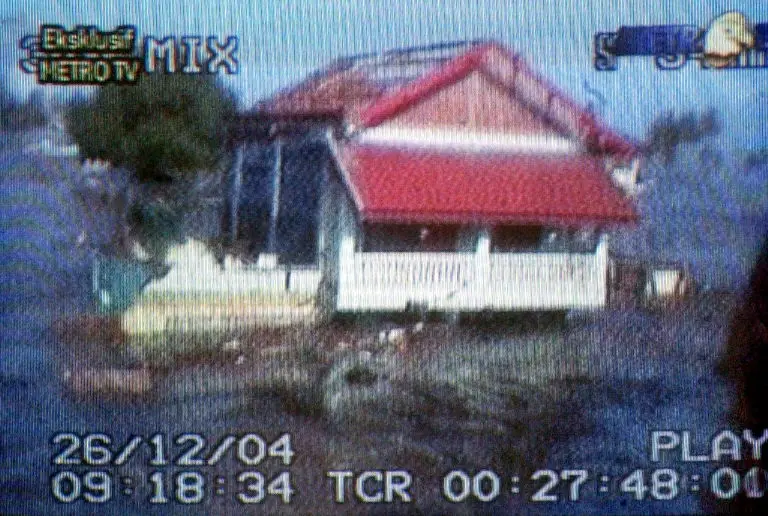
Indonesia, N. Sumatra, 2004
The deadliest tsunami of history happened on December 26, 2004, in the island of Sumatra, Indonesia. It started with an earthquake of magnitude 9.1 and was the third-largest earthquake since 1900. It generated waves up to 167 feet high that inundated up to 3 miles inland. 17 countries across Southeastern and Southern Asia and Eastern and Southern Africa felt the impacts of the tsunami. It resulted in the deaths of 230,000, the displacement of 1.3 million and $13 billion in damage. The intensity of the damage was due to the absence of an official tsunami alert system in the Indian Ocean.
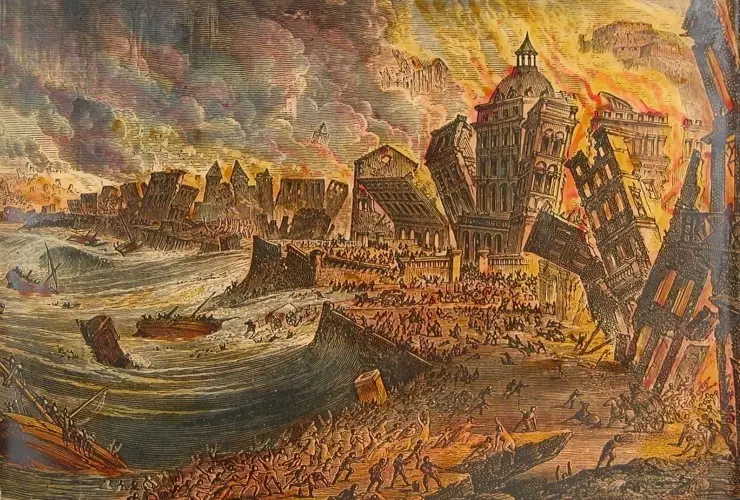
Portugal, Lisbon, 1755
On November 1, 1755, people in Lisbon heard a “horrible subterranean noise,” followed by six minutes of tremor, which brought the entire neighbourhood to fire, and it continued to burn for 5 straight days. The 8.5 earthquake in the Atlantic Ocean Basin created waves of nearly a hundred feet in height, which smashed the coast of Spain and Western Portugal. As described by Hakai Magazine, the energy created was equivalent to "32,000 Hiroshima bombs" and was felt in Scotland and Brazil. The earthquake and the subsequent tsunami killed 50,000 people across Portugal, Morocco and Spain.
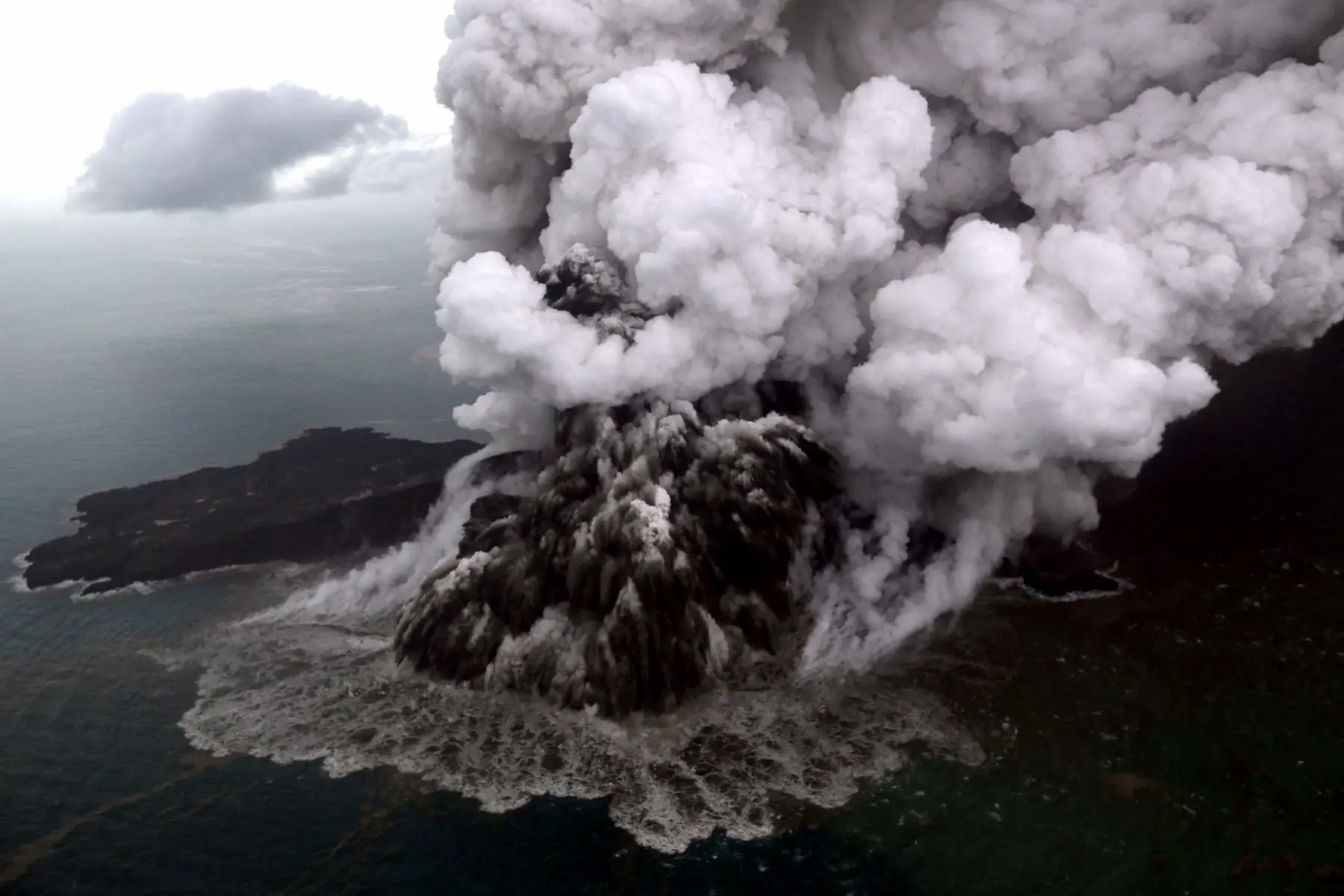
Indonesia, Krakatoa, 1883
Science Magazine, Live Science described it as "one of the most deadly volcanic eruptions of modern history." According to the Global Historical Tsunami Database, 34,417 people died out of which 2000 were due to just a volcanic eruption. The resulting tsunami was 121 feet high and damaged the towns of Anjer and Merak.
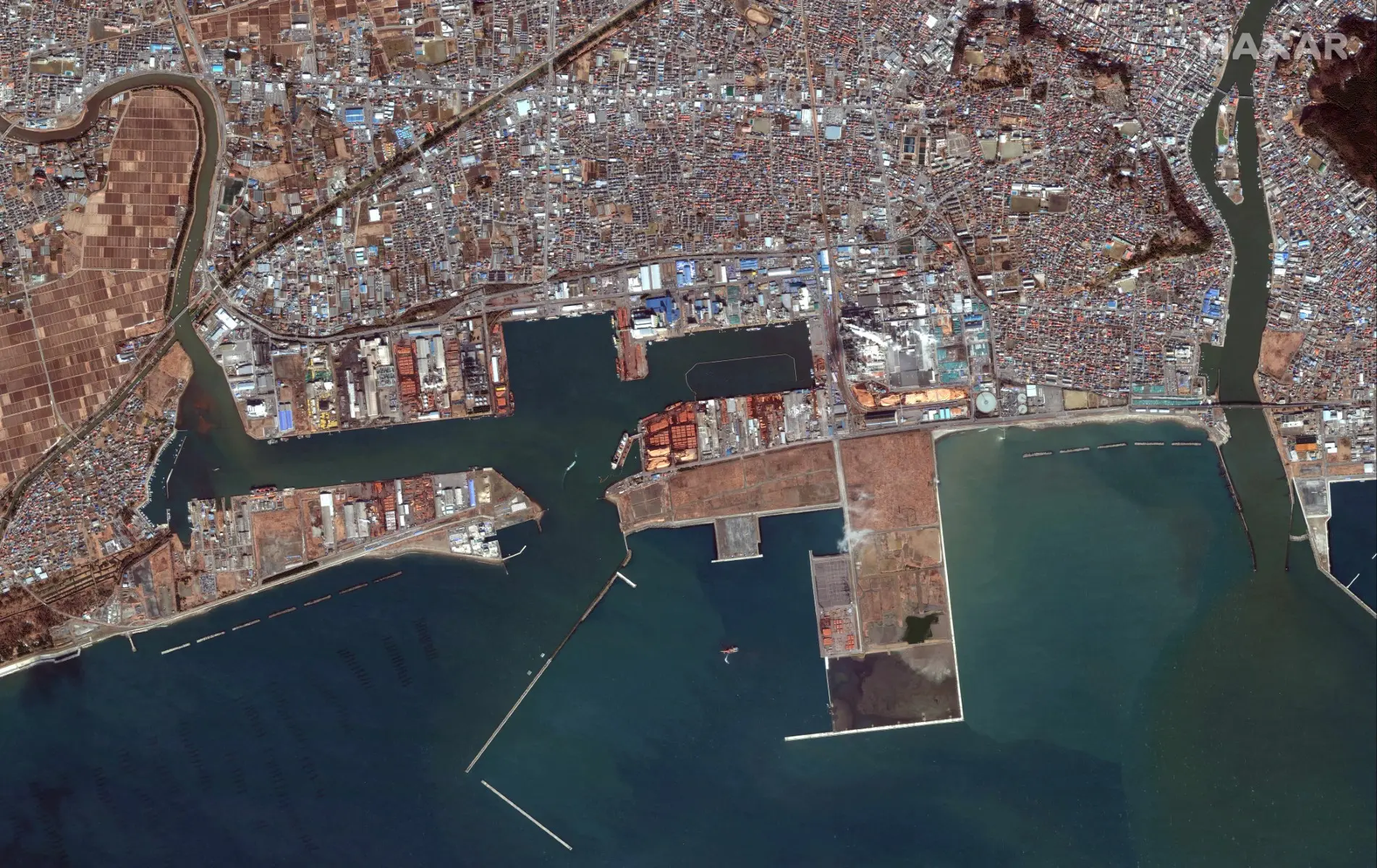
Japan, Enshu nada Sea, 1498
According to a 2013 paper AGRIS earthquake, 8.3 magnitude in 1498, generated tsunami waves from the Enshu-nada sea. Around 31,000 people died. The sediments and debris created by the tsunami blocked the mouth of the Hamana River, which effectively saw the decline and later abandonment of the port town of Hashimoto, due to the developmental setback.
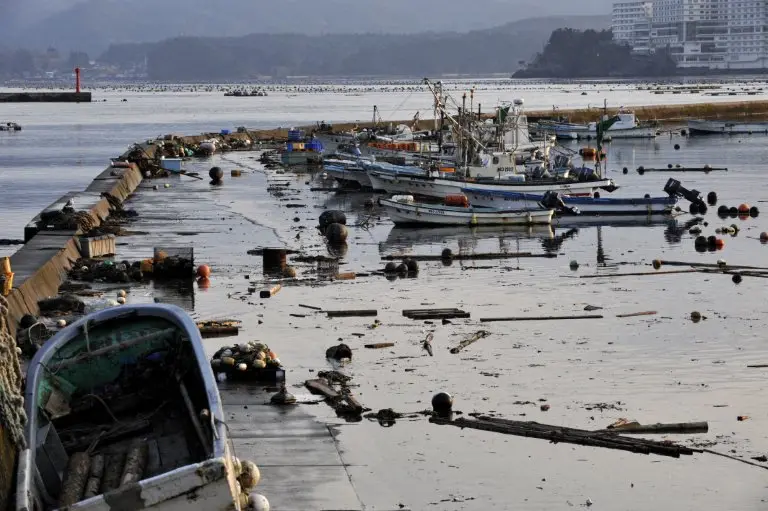
Japan, Sanriku, 1896
The June 15, 1896, tsunami at the epicentre of Sanriku left the 170-mile stretch of coastline completely devastated, and over 27,000 people were dead. It was the result of an 8.3 magnitude earthquake in the Pacific Ocean.
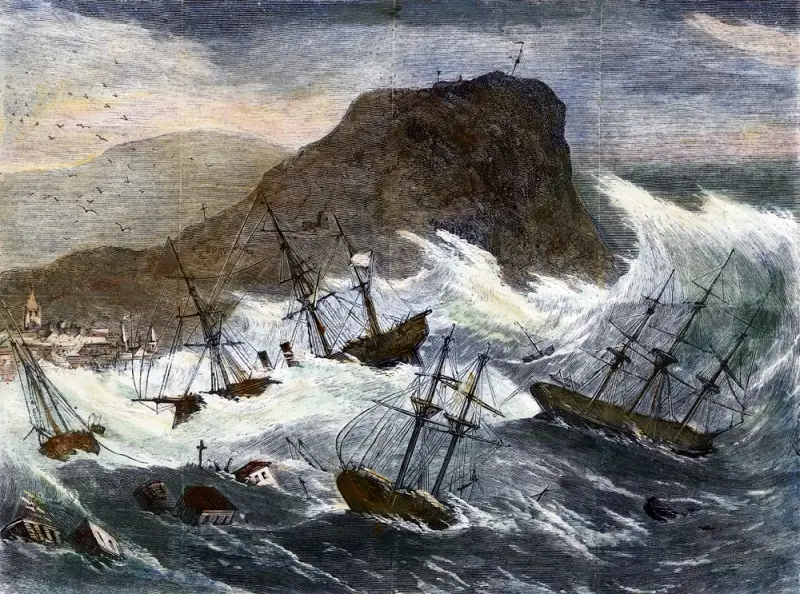
Chile, Northern, 1868
This massive 3-day tsunami event affected the entirety of the Pacific Rim. August 13, 1868, Arica, Chile, was shaken by two 8.5 magnitude earthquakes. It reached New Zealand and Australia after travelling across the Pacific for half a day. Around 25,000 casualties were reported.
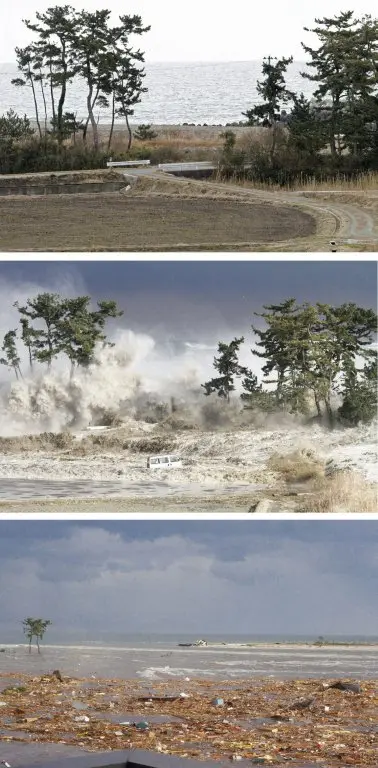
Japan, Honshu Island, 2011
This was the fourth largest earthquake ever recorded with a 9.1 magnitude, it resulted in tsunami of 100-foot high tsunami and killed about 18,482 people, displaced 450,000 and estimated economic loss of $360 billion. The tsunami resulted in damage to the infrastructure of the Fukushima Nuclear Power Plant, causing radioactive leaks and core reactor meltdowns.
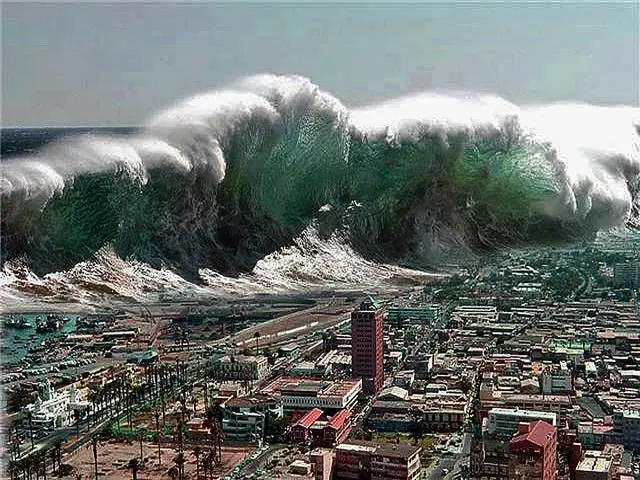
Japan, Shimabara Bay, Kyushu Island, 1792
The 1792 volcanic eruption on Kyushu Island resulted in the death of 14,524 people. A 6.4 magnitude earthquake set off the initial eruption at Mt. Unzen, which in turn set off a landslide from the east side of Mt. Mayuyama, one of the Unzen volcano complex's lava domes. The debris than Ariake Sea, which created a tsunami that caused destruction on Shimabara and 14.2 miles stretch.
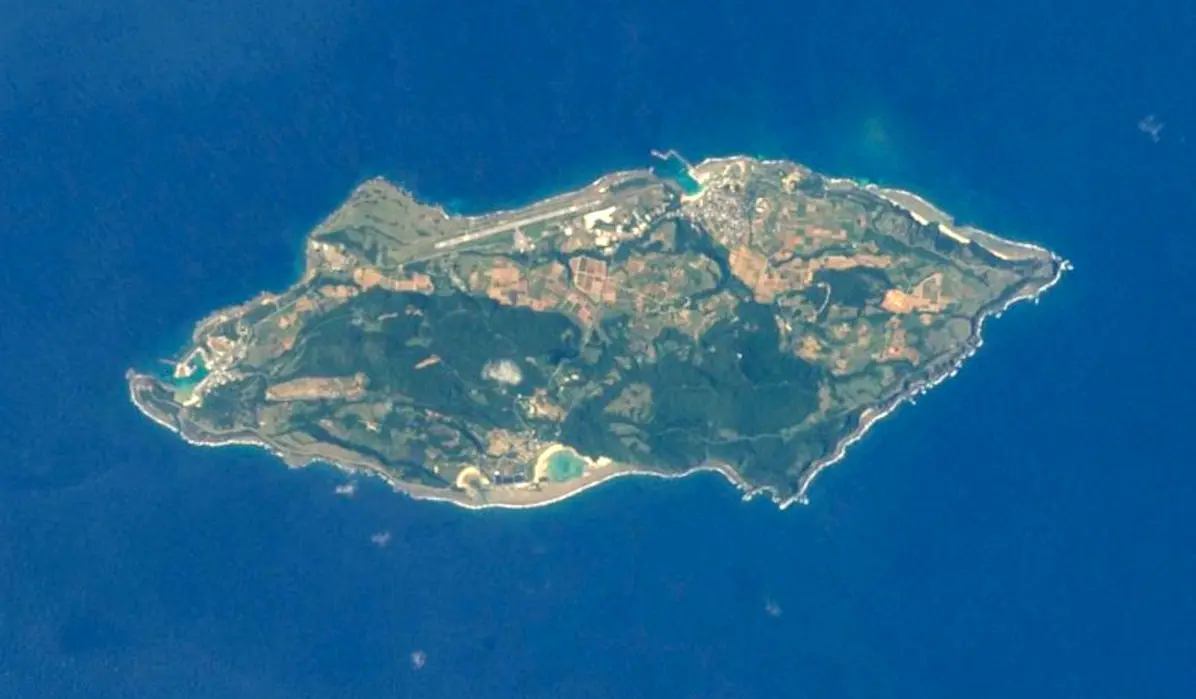
Japan, Ryukyu Islands, 1771
The Great Yaeyama Tsunami of 1771 killed 13,486 people. According to the Ryukyu Seismology Lab It was a giant wave of over 98 feet which crashed on the shores of northwestern Ishigaki and 49.2 feet, 32.8 feet, and 16.4 feet on the islands of Tamara, Miyako, Kuroshima and Hateruma.
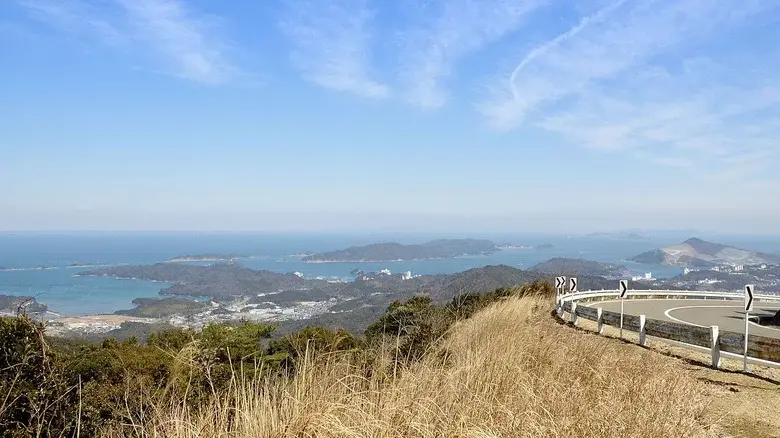
Japan, Ise Bay, 1586
On January 18, 1586 earthquake of 7.9 to 8.2 shook the coast of Osaka, Nara and Shizuoka districts. According to the accounts of the Christian missionaries, a great fire destroyed almost half of the city, and it was an event of a 40-day disaster that the country had not seen before.
)
)
)
)
)