World Saree Day 2025: From Banarasi to Kanjeevaram, 7 timeless sarees from different regions of India

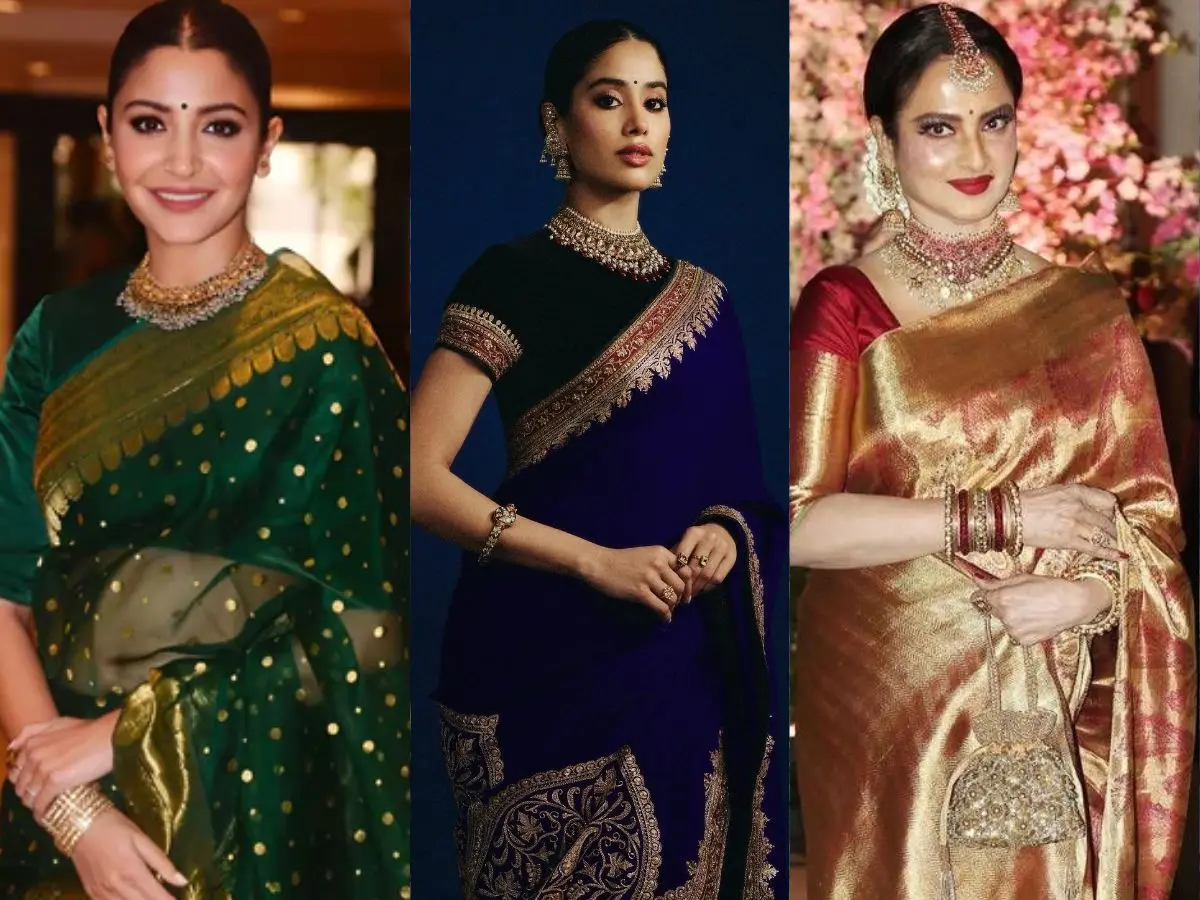
December 21 marks World Saree Day. Let's take a look at some of the most popular sarees from different Indian regions. From lightweight Chikankari to luxurious Banarasi, there's a perfect saree for every occasion.
World Saree Day 2025
December 21 is celebrated as World Saree Day every year. In India, it not only showcases tradition but is also a symbol of craftsmanship. The term "saree" comes from the Sanskrit word sareeka, which means a piece of cloth. It has a history of 3,000 years, and changes with region and culture. On World Saree Day 2025, let's take a look at seven popular sarees from different Indian states.
Kanjeevaram Saree, Tamil Nadu
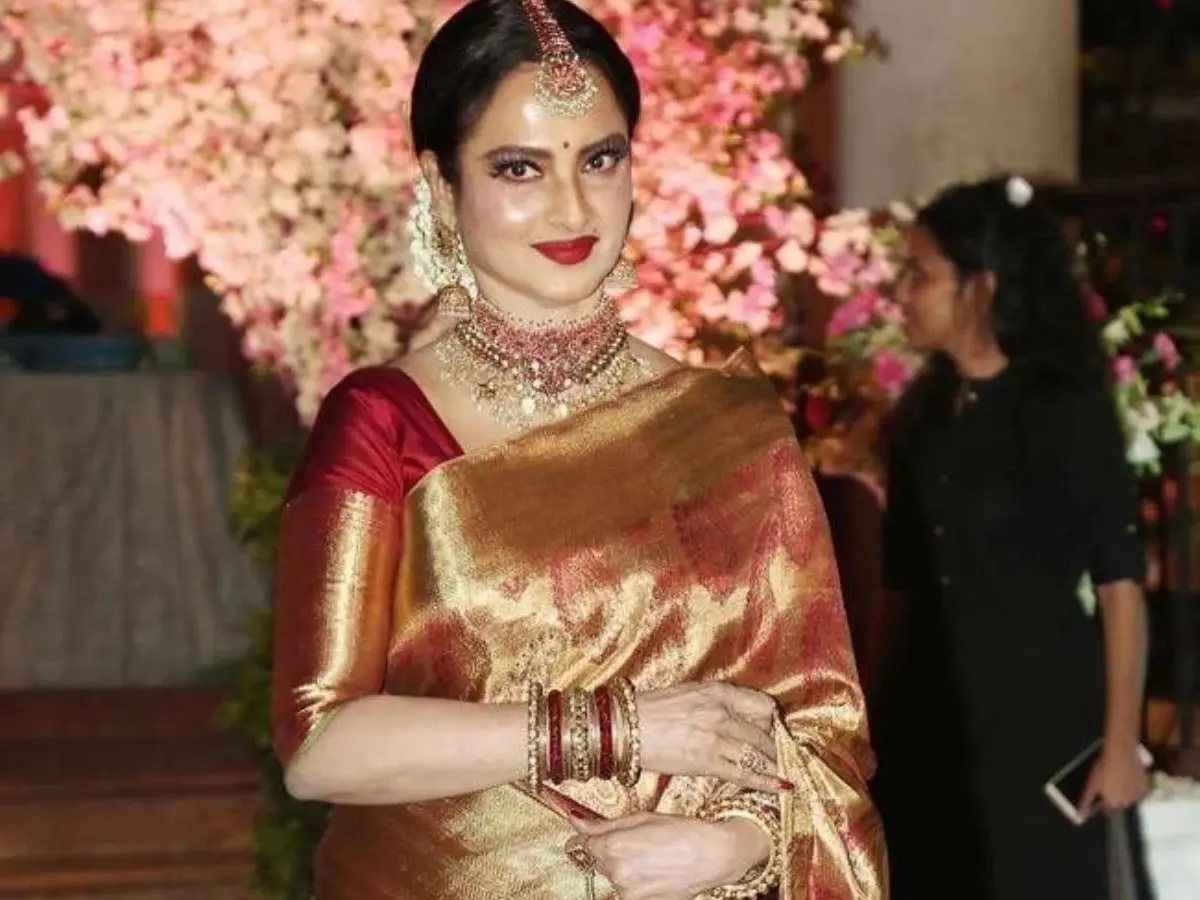
This is a staple at South Indian weddings. Kanjeevaram saree is crafted from pure mulberry silk and also features gold zari. With its vibrant colours, motifs, and unique borders, it has gained a lot of attention in other parts of the country too. For people who are looking for both durability and a royal look, the Kanjeevaram saree is the perfect option.
Tant Saree, West Bengal
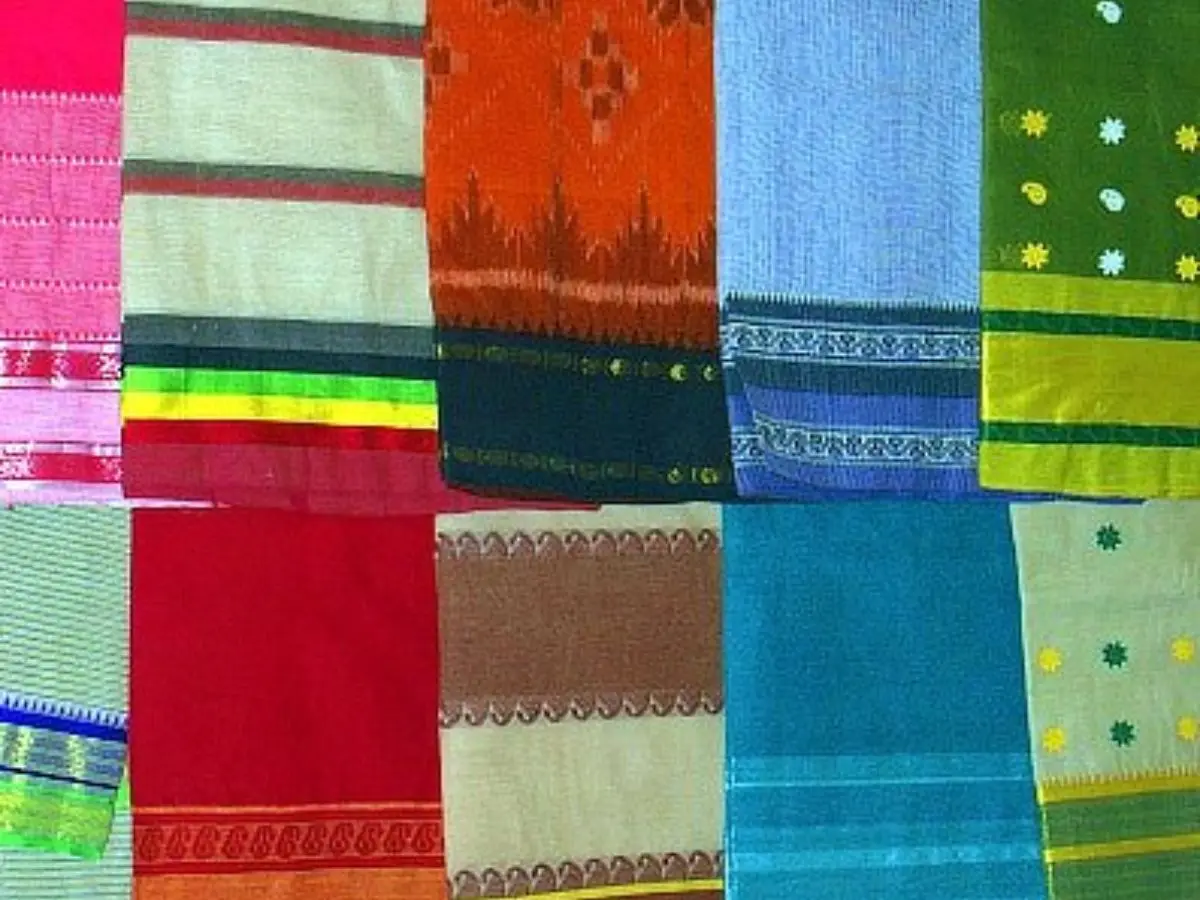
Tant saree is said to be ideal for humid climates as it is crafted from airy cotton. Being a staple in Bengali households, it features bold borders and traditional motifs. Whether the saree from West Bengal is worn on an occasion or as daily clothing, it suits every moment.
Pashmina Saree, Jammu & Kashmir
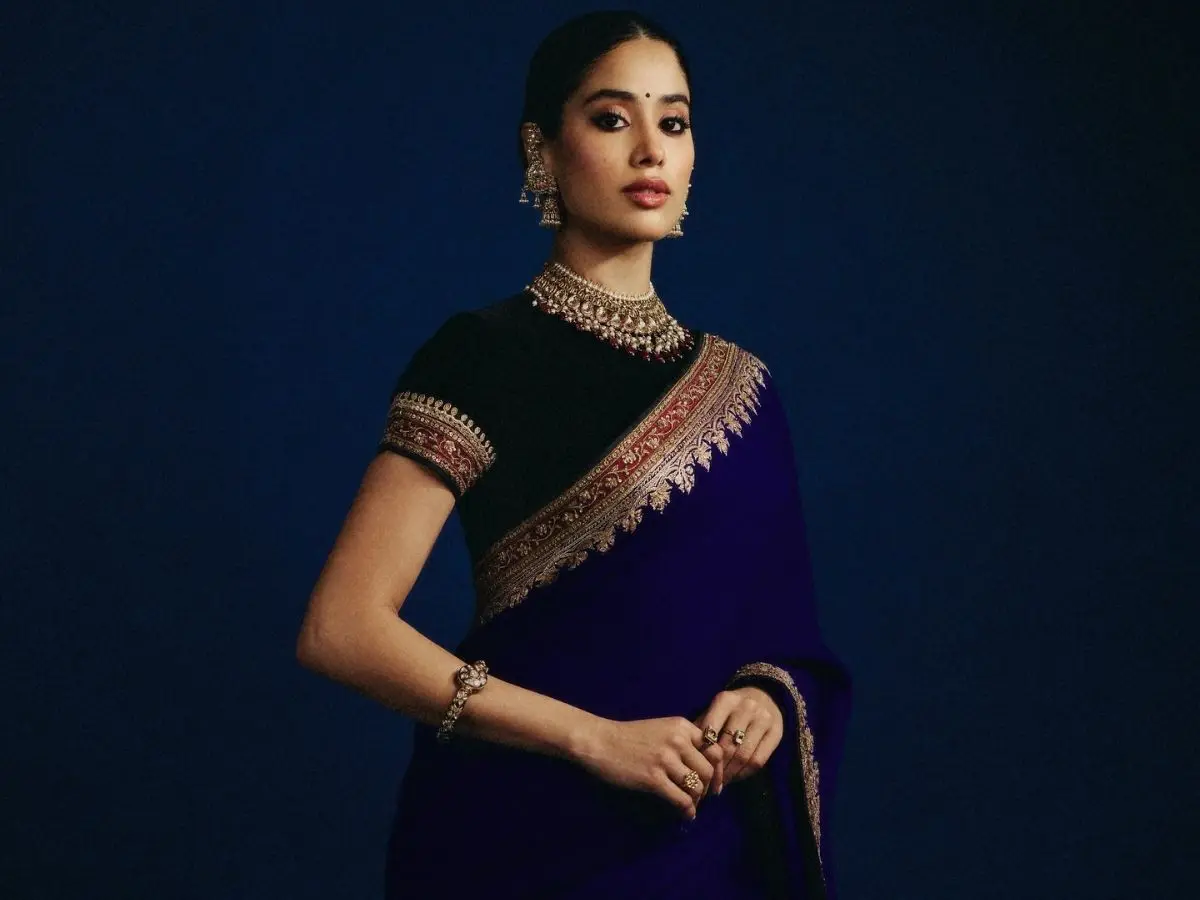
Not just shawls, Jammu and Kashmir is also rich in Pashmina sarees. Created from the fine wool of Himalayan goats, it is said to be rare as well as luxurious. Due to its intricate Kashmiri embroidery woven by hand, each saree takes months to complete. Pashmina saree is known for its warmth.
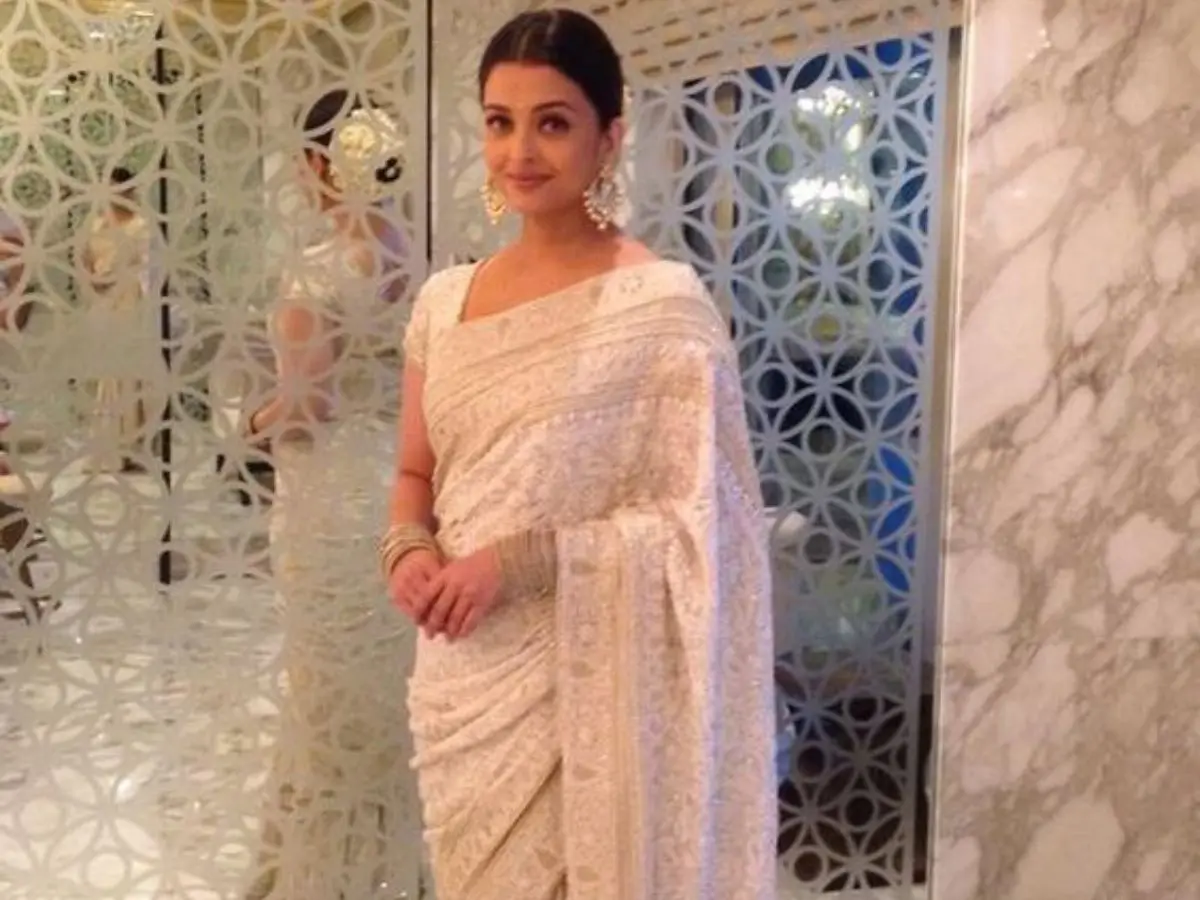
Chikankari Saree, Uttar Pradesh
This is another prized possession from the land of Uttar Pradesh. Originating in Lucknow, it has delicate hand embroidery that makes the saree extremely gorgeous. It is usually made of cotton and georgette fabrics that make it ideal for people who prefer lightweight clothing. Indians usually prefer Chikankari during summer occasions and formal gatherings.
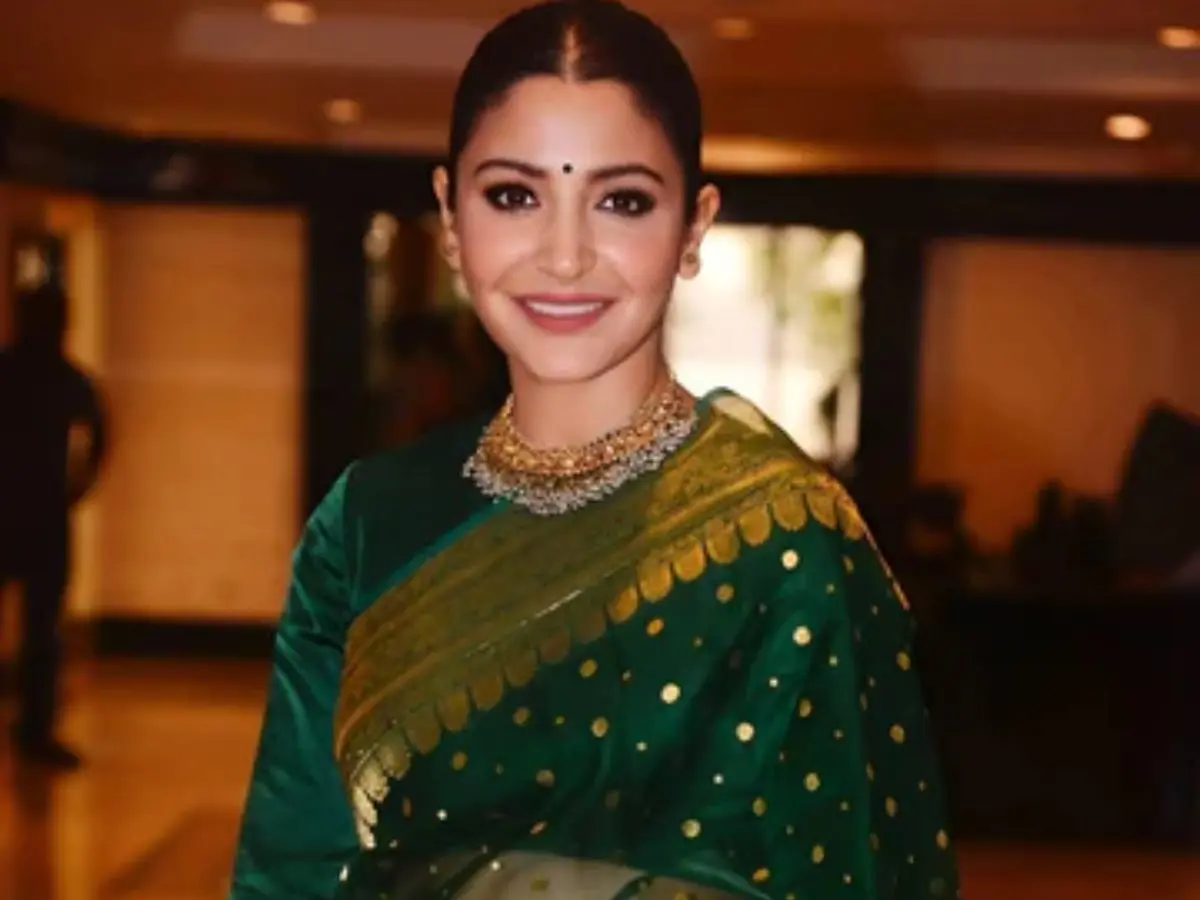
Chanderi Saree, Madhya Pradesh
For those who prefer a lightweight and sheer saree, the Chanderi saree from Madhya Pradesh is an excellent choice. It is woven using silk and cotton or a combination of both. With its subtle zari motifs and airy texture, this saree is ideal for summer occasions and day events.
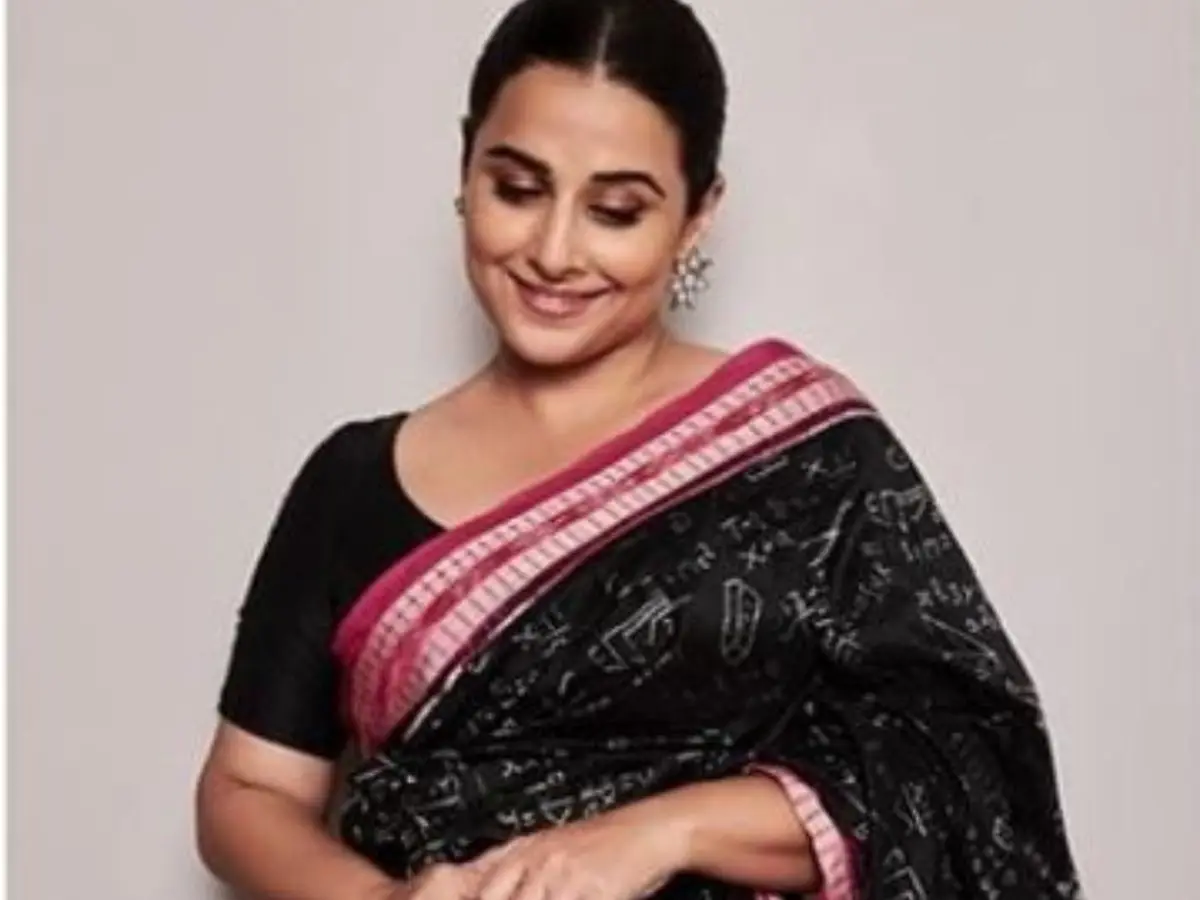
Sambalpuri Saree, Odisha
This Ikat masterpiece belongs to Odisha and is crafted with the technique of tie-dye, and then the process of weaving starts. Rooted in tribal traditions, it features geometric and floral motifs. These vibrant sarees are also celebrated for their eco-friendly quality, and are best for daily wear as well as special occasions.
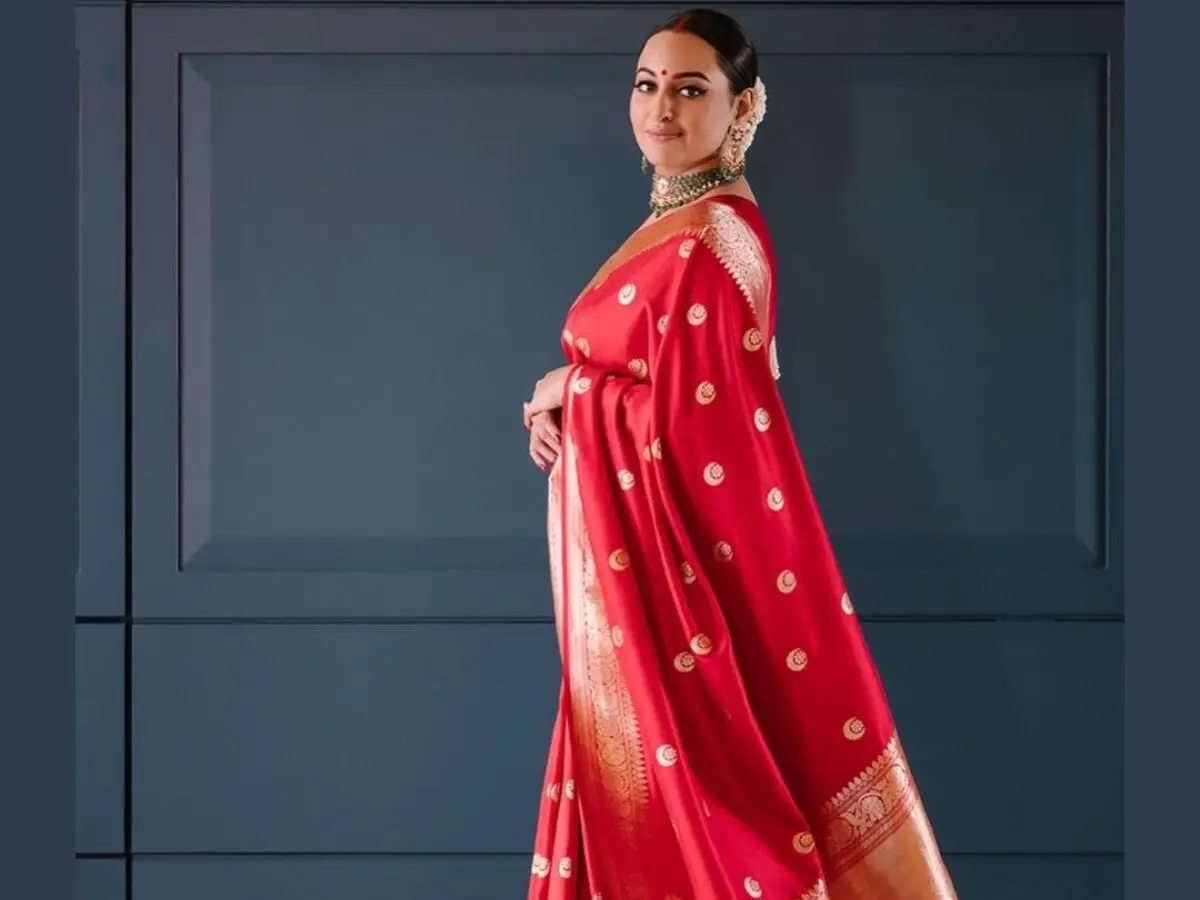
Banarasi Saree, Uttar Pradesh
When it comes to luxury, nothing can be compared against a Banarasi saree. With its origin in Varanasi, it is ideal for every celebration. It features intricate brocade work and Mughal-inspired floral patterns along with gold or silver zari. In North India, the Banarasi saree is often kept as a bridal heirloom.
)
)
)
)
)